


Searching for foods bad for digestion can leave you with a surprisingly long list: coffee, milk, broccoli, bread, and even fruit. Yet digestive discomfort does not mean every food on that list damages your gut. For adults with recurring discomfort, symptoms, portion sizes, eating habits, and underlying conditions matter more than a universal list of forbidden foods.
A large meal might leave you uncomfortable while a smaller serving of the same food feels fine. The aim is to identify useful changes while keeping a varied, healthy eating plan.
Are Some Foods Really Bad for Everyone’s Digestion?
No single list of foods bad for digestion applies to everyone. Someone with lactose intolerance may react to regular milk, while another person drinks it comfortably. A food that aggravates heartburn may have little effect on someone whose main problem is constipation.
Occasional gas is also part of normal digestion. Start by describing what you actually feel:
| Symptom | Useful distinction |
| Gas or bloating | Wind or a feeling of abdominal fullness |
| Indigestion | Upper-abdominal discomfort or uncomfortable fullness around meals |
| Heartburn | A burning sensation behind the breastbone |
| Diarrhea | Loose, watery stools |
These symptoms can overlap, but they are not interchangeable. The table describes symptoms; it does not diagnose their cause. The following examples are possible triggers to investigate, rather than instructions to remove ten food groups.
10 Foods and Drinks That May Trigger Symptoms
Use the list below to spot possible patterns in your meals. Pay attention to portion sizes, preparation, and the symptoms you experience. Focus on small adjustments that improve your comfort while keeping your diet varied.
1. Coffee and Other Caffeinated Drinks

Coffee can be a problem for some people with indigestion or reflux. However, there is no universal rule that drinking it before breakfast damages your stomach.
What to try: Reduce your usual portion and note whether symptoms change. Keep other factors similar: replacing a sweetened, milky coffee with black coffee changes several ingredients at once.
If discomfort continues without coffee, avoid assuming caffeine explains everything.
2. Fried Foods and Rich, Fatty Meals

A large portion of fries, fried snacks, or a creamy meal may aggravate indigestion. This does not mean all dietary fat is harmful.
What to try: Compare a smaller serving or a baked, grilled, or steamed preparation. Notice whether the problem follows the cooking method, the quantity, or the whole meal.
Include rich sauces and salad dressing in your meal notes too. Compare ingredients and amounts without assuming every creamy product has the same composition.
3. Large Portions of Broccoli, Cabbage, and Cauliflower

These vegetables contain carbohydrates that can contribute to gas. That does not make them unhealthy or prove they are injuring your intestines.
What to try: Start with a smaller portion instead of a large bowl. Compare preparations you enjoy without assuming raw vegetables are always better than cooked ones.
Adding garlic or green tea is not an established way to cancel a reaction. The serving you tolerate may simply be smaller than expected.
4. Sugar-Free Products Containing Sugar Alcohols

Some sugar-free sweets, chewing gums, and snack bars contain sorbitol, mannitol, or maltitol. These sugar alcohols can contribute to gas, and larger amounts may cause loose stools.
What to try: Read ingredient lists, particularly if you have several sugar-free products throughout the day.
Different sweeteners are not interchangeable. Symptoms after one product do not establish that every artificial sweetener causes the same reaction or damages your gut bacteria.
5. Alcohol

Alcohol can worsen indigestion, and some people notice digestive symptoms after drinking. It should not be used as a digestive aid.
What to try: Reduce or avoid alcohol and observe the pattern.
Consider the mixer too: fizzy drinks and certain sweeteners introduce additional variables.
If you are physically dependent on alcohol, seek medical support before stopping abruptly.
6. Milk and Other Lactose-Containing Foods

Lactose intolerance can cause gas, bloating, or diarrhea after lactose-containing foods. It does not mean everyone should avoid dairy.
What to try: Discuss suspected intolerance with a clinician. Lactose-free milk may be an option; some people also tolerate smaller amounts of regular dairy.
If you reduce dairy substantially, plan how to replace its nutrients. Do not assume every plant-based drink contains similar amounts of protein, calcium, or vitamin D. Lactose intolerance and milk allergy are different conditions. Lactose-free cow’s milk still contains milk proteins and is not a suitable substitute for someone with a milk allergy.
7. Wheat Products When a Specific Condition Is Involved

Bread and pasta are not automatically harmful. However, celiac disease requires strict gluten avoidance after diagnosis. If wheat seems to trigger ongoing symptoms, arrange an assessment before removing gluten. A gluten-free diet before celiac testing can affect the results. Symptoms alone cannot diagnose the condition.
What to try: Bring your symptom history to the appointment. Do not label every reaction to bread a gluten problem or start a restrictive diet simply because someone else improved on it.
8. Very Spicy Meals

Chili-heavy meals can aggravate indigestion in some people. Others enjoy them without difficulty, so spicy food does not belong on everybody’s avoidance list.
What to try: Reduce the chili in a familiar recipe while keeping the other ingredients similar. Retain flavor with herbs or seasonings you already tolerate.
For possible indigestion triggers, consider meal size and eating speed alongside caffeine, alcohol, and greasy or spicy foods.
9. Carbonated Drinks

Fizzy drinks can increase belching and discomfort. A sugar-free drink may still be carbonated, while a sweetened version introduces other ingredients.
What to try: Choose still water with a meal and see whether that specific change helps. Drinking slowly may also reduce swallowed air.
There is no need to replace fizzy drinks with a special detox tea or an expensive gut-health supplement.
10. A Sudden Increase in Fiber
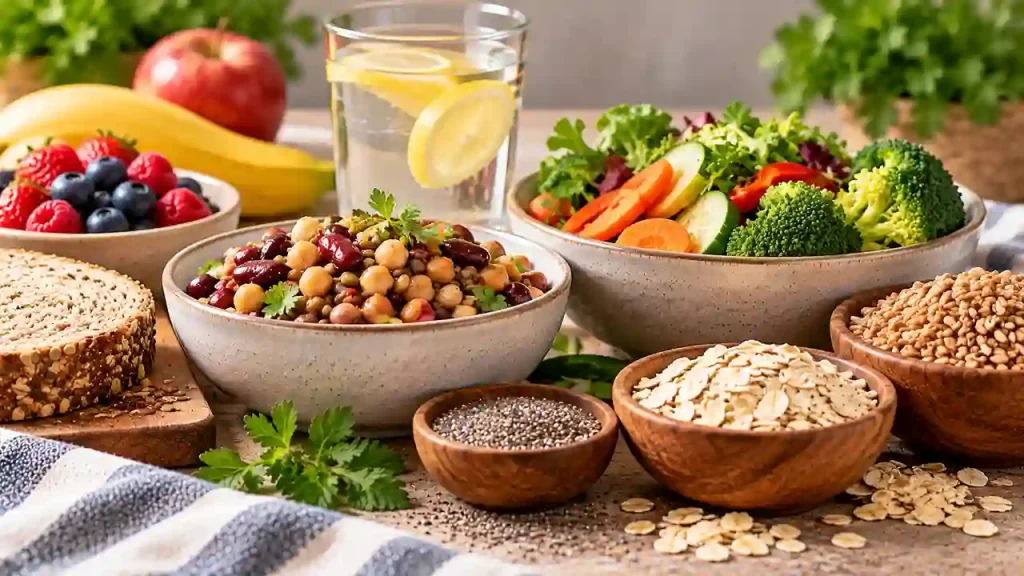
Jumping from little fiber to large servings of beans, bran, and vegetables can increase gas. Fiber still has an important place in digestive health.
What to try: Introduce fiber-rich foods gradually and maintain appropriate fluid intake. Adjust portions rather than abandoning plant foods altogether.
Guidance on food-related gas symptoms emphasizes individual tolerance and a food diary. A dietitian can help when several foods seem troublesome.
Do You Need to Avoid Rice and Nuts?
White rice does not normally “clog” the intestines. It contains less fiber than brown rice, but its place in your diet depends on your needs and what you eat alongside it. Nuts also should not automatically be classified as foods bad for digestion. Portion size, individual tolerance, and allergy are separate considerations. If you reduce nuts or beans, keep other suitable protein sources in your meals. Similarly, a preservative on a food label is not evidence that the product causes intestinal infections. Broad warnings about “chemicals” do not identify a personal trigger.
Find Your Triggers Without Overrestricting
Instead of collecting more foods bad for digestion to avoid, look for repeatable patterns. A useful diary should help you explain the problem, rather than become a reason to fear every meal.
For a useful food-and-symptom diary, record:
- What and how much: Include cooking methods, drinks, sauces, snacks, and sweeteners.
- When symptoms appear: Note their timing, duration, and severity.
- What symptoms occur: Distinguish burning, fullness, gas, pain, and stool changes.
- Other circumstances: Include medicines, stress, and unusually large or rushed meals.
For example, discomfort after an afternoon latte might relate to the coffee, milk, sweetener, serving size, or something unrelated. Removing all of them together makes it harder to learn what matters.
For mild symptoms, change one likely factor at a time. Write down the change and whether it helped. Keep photographs of relevant ingredient labels if that makes the record easier to share.
If a change provides no clear benefit, discuss whether the restriction is worth continuing. Persistent problems need assessment rather than an ever-shrinking diet. Do not deliberately retry a food that has caused a suspected allergic reaction.
When Dietary Changes Are Not Enough
Seek medical advice for symptoms that persist, recur frequently, or affect eating and daily life. Unexplained weight loss, difficulty swallowing, repeated vomiting, or blood in your stool need assessment. Get urgent medical help for sudden severe abdominal pain, vomiting blood, or black, tarry stools. Chest pressure accompanied by breathlessness or sweating should not be assumed to be indigestion. A food diary can support an appointment, but it cannot rule out an underlying illness.
Common Questions
1. Can a Nutritious Food Still Trigger Symptoms?
Yes. Lists of foods bad for digestion often include nutritious choices such as milk, beans, nuts, and vegetables. Whether you need an adjustment depends on your symptoms and any diagnosed condition.
2. Should Everyone With Bloating Try a Restrictive Diet?
No. Persistent bloating deserves assessment. A low-FODMAP diet may be considered for some people with irritable bowel syndrome, with professional guidance rather than indefinite self-directed avoidance.
3. Does One Uncomfortable Meal Prove an Intolerance?
No. A single episode cannot reliably identify the cause. Look at the broader pattern and seek help when symptoms continue.
Final Thoughts
Understanding foods bad for digestion begins with understanding your own symptoms. Pay attention to portions, preparation, and repeatable patterns while keeping the foods you tolerate. Small, focused changes are usually more informative than removing whole food groups, and persistent or concerning symptoms deserve medical attention rather than another restrictive food list.



Leave a Reply