

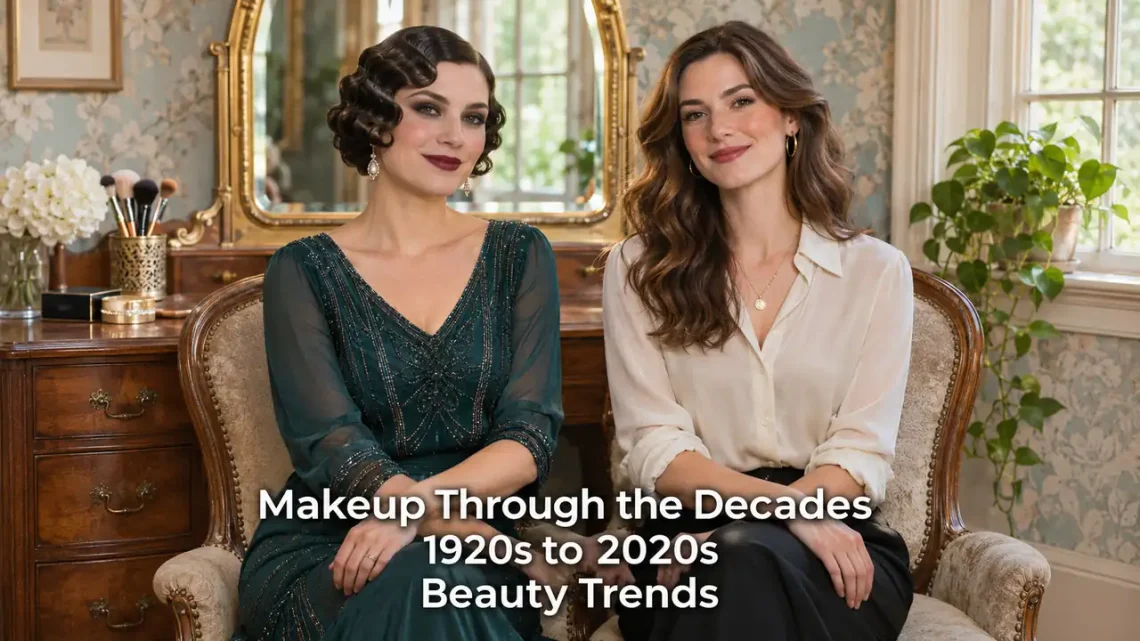
Makeup through the decades reveals more than changing lipstick shades. A 1920s rosebud lip, a 1960s graphic eye, and a 2020s skin tint reflect shifts in cinema, music, technology, and ideas about identity. No era had one look. This timeline explores eleven eras, their influences, and wearable reinterpretations.
What Changed Beauty Trends Over the Last Century?
Cinema made faces visible in close-up; advertising helped sell their looks. Wartime restrictions, youth movements, television, and social platforms then changed what was fashionable and how quickly ideas spread. Meanwhile, cosmetic formulas and color ranges expanded unevenly. A history of commercial cosmetics shows that makeup also reflected changing opportunities for women and long-standing racial exclusions in beauty marketing. Access and representation remained unequal. The meaning of real beauty was never settled by one fashion campaign.
Eleven Decades of Makeup Trends, From Flappers to Filters
These are representative looks, not instructions that everyone followed. Each decade includes a defining feature and one easy way to borrow its style today. Contrasting trends often coexisted.
1. 1920s: Dark Eyes and Rosebud Lips
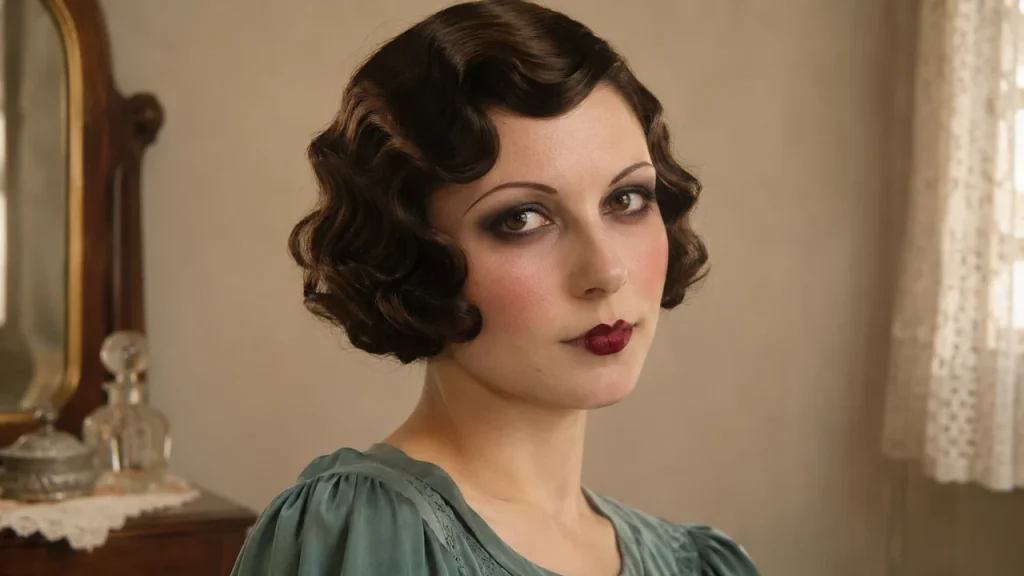
Signature look: Smoky, kohl-defined eyes; thin brows; rounded rouge; and a small, sharply shaped lip.
Silent-film stars brought expressive eyes and unmistakable lipstick outlines into popular culture. Flapper imagery suggested daring modernity, although not everyone wore cosmetics. The narrow Cupid’s bow became a memorable detail, particularly in photographs and illustrations. To reinterpret it, choose a deep berry lip or gently smoked eyeliner, rather than combining every dramatic feature. A modern red-lip variation can be playful, as theatrical Queen of Hearts makeup demonstrates, without being mistaken for an authentic 1920s look.
2. 1930s: Sculpted Brows and Softer Glamour
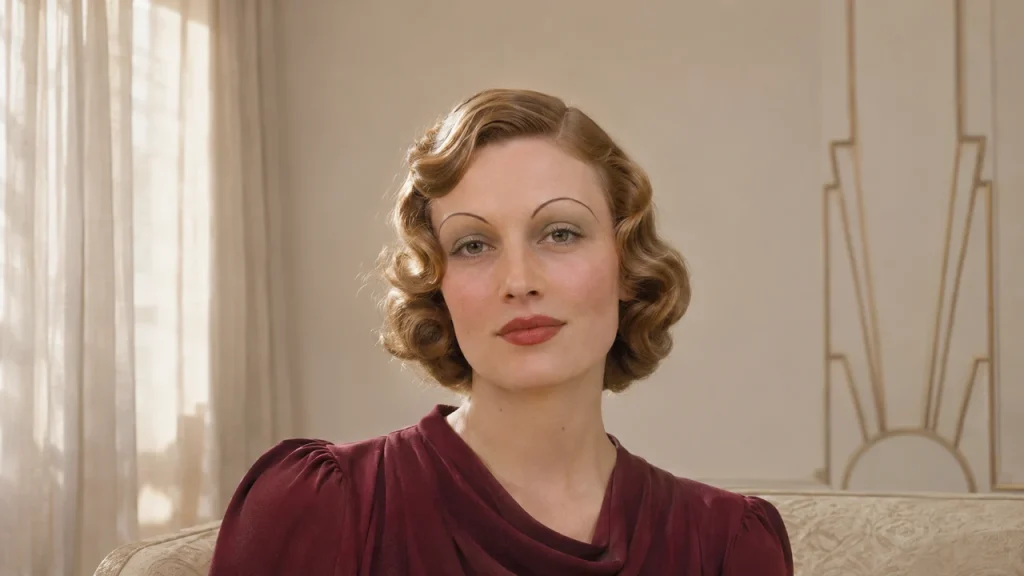
Signature look: Very thin, high arches; blended eye color; subtly contoured cheeks; and a fuller lip shape.
Hollywood personalities such as Greta Garbo and Marlene Dietrich influenced advertisements and fashion photography. Compared with the preceding decade, eye makeup often appeared softer, while lipstick followed the mouth more naturally. Period beauty illustrations and cosmetic brochures document blues, greens, metallic shadows, and pencil-thin eyebrows. Experiment with a raised brow shape using pencil or concealer rather than removing brow hair permanently. For a vintage base, blending cream foundation offers more control than applying thick layers.
3. 1940s: Defined Red Lips During Wartime
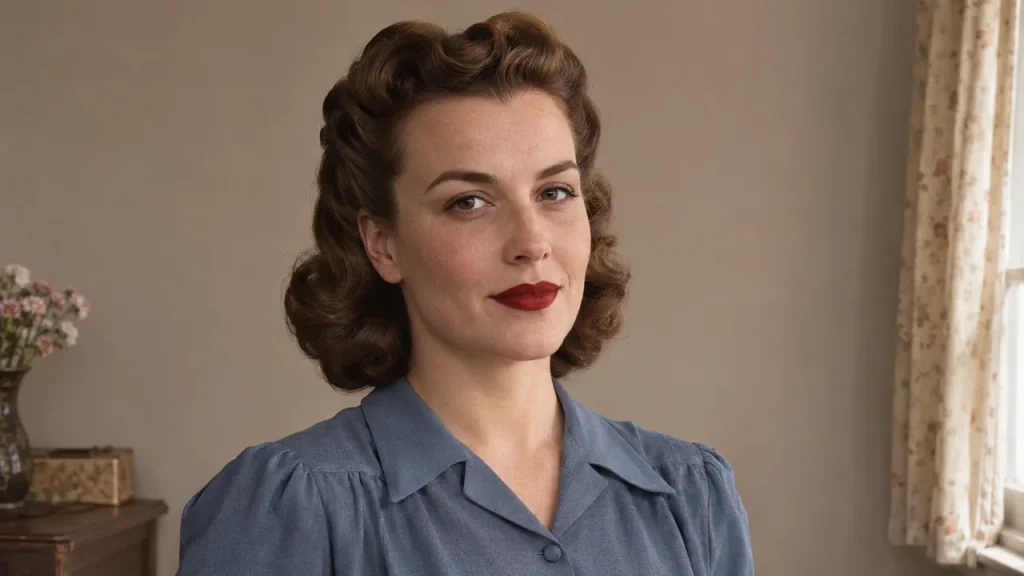
Signature look: Red lipstick, tidy brows, restrained eye definition, and powdered complexions.
World War II reshaped supply chains and work, but cosmetics did not simply disappear. In parts of the United States, recruiting imagery promoted lipstick as part of a polished public appearance; other women adapted products according to availability. Expectations varied widely. A contemporary interpretation needs little more than one comfortable red shade and lightly defined lashes. Remember that wartime glamour was promoted through advertising and social expectations, not necessarily embraced by everyone.
4. 1950s: The Polished Cat-Eye
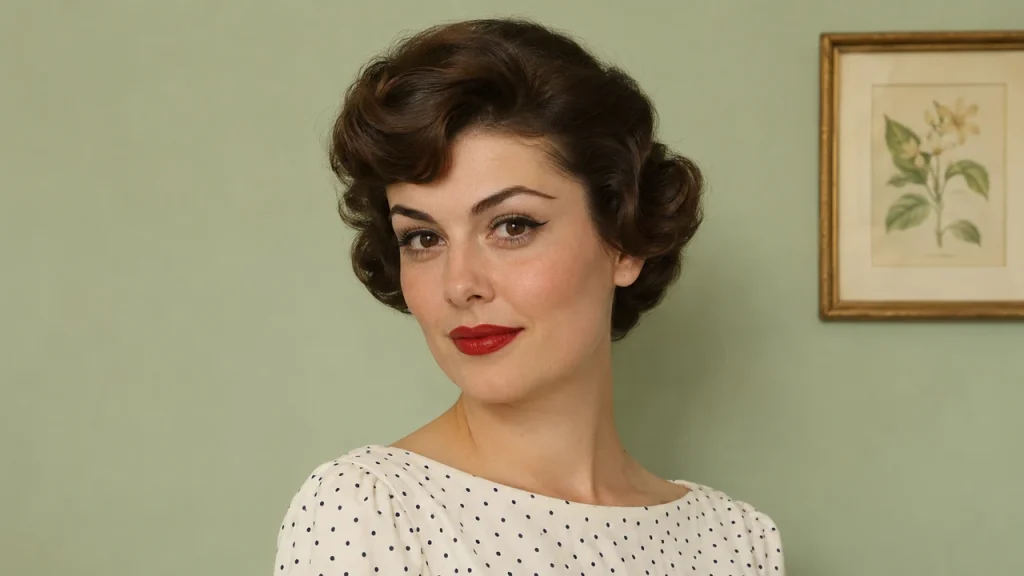
Signature look: Winged liner, prominent lashes, carefully defined brows, and satin red or pink lipstick.
Movie stars offered contrasting versions of glamour: Marilyn Monroe’s striking lips and Audrey Hepburn’s expressive eyes were not identical templates. Television and growing cosmetics advertising helped popularize coordinated, polished finishes. For everyday wear, make a small wing and add lipstick that feels comfortable rather than forcing a full vintage face. The balance between definition and restraint also works for professional makeup, though modern workplace expectations need not dictate personal style.
5. 1960s: Graphic Mod Eyes and Youthful Experimentation
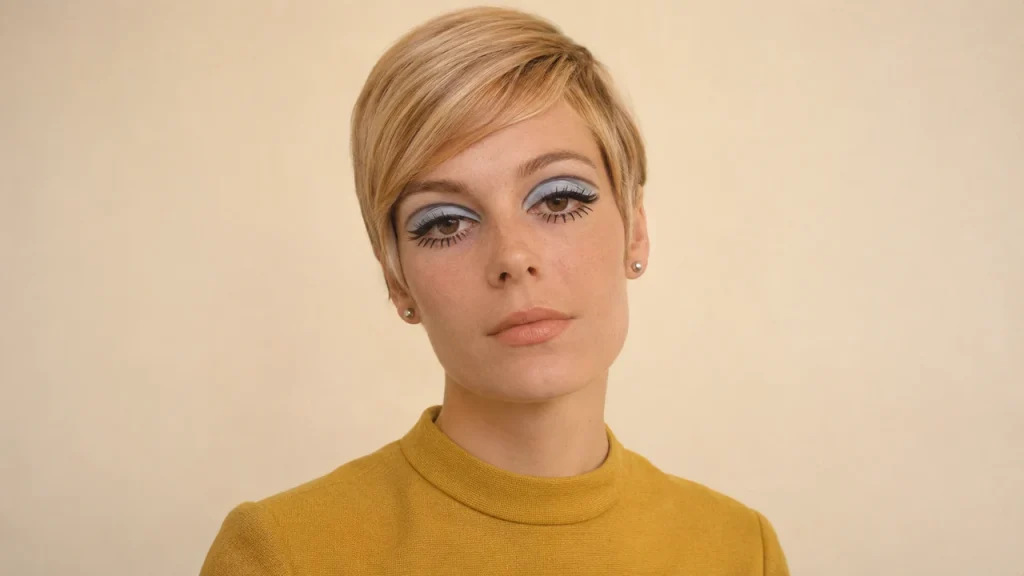
Signature look: Bold eyeliner, pale lips, colored shadow, and exaggerated upper or lower lashes.
Twiggy’s striking lashes became shorthand for the British mod movement. Other groups embraced understated makeup or rejected conventional cosmetics altogether. A precise liner shape therefore tells only one part of the decade’s story. Draw a clean upper line or lightly emphasize lower lashes using eye-safe products; elaborate painted lashes are optional. Importantly, Chola makeup was not a generic 1960s mod trend. Its history is connected to Mexican American and Chicana communities and developed along a different cultural path.
6. 1970s: Earthy Neutrals Alongside Disco Sparkle
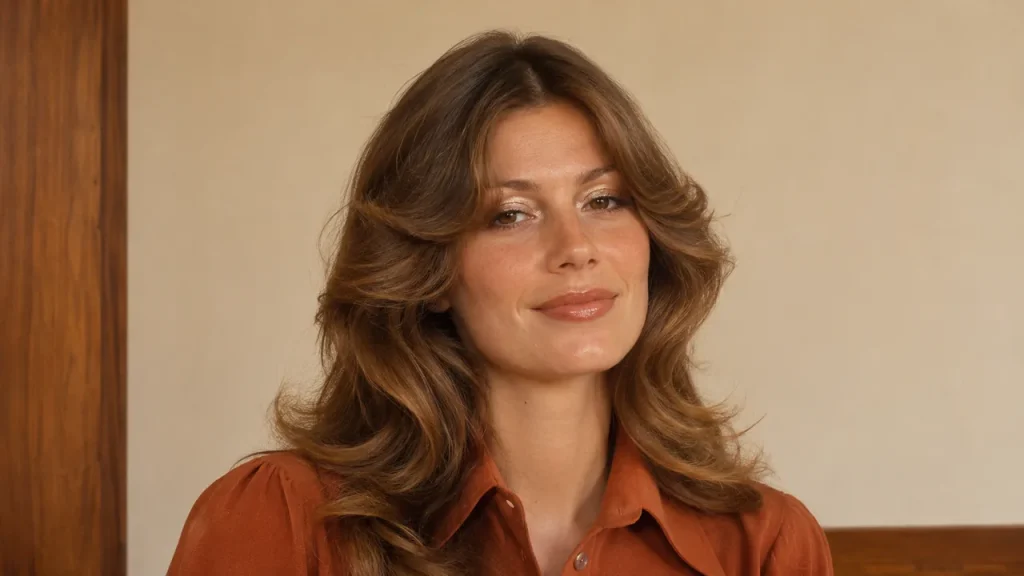
Signature look: Sheer, sun-kissed skin and brown-toned lips by day; metallic shadows and glitter after dark.
The decade included natural-looking beauty, disco, glam rock, and punk experimentation. Cher and Farrah Fawcett embodied different aesthetics rather than a single beauty rule. Makeup through the decades is easiest to understand when apparently opposing trends are allowed to coexist. Choose a warm gloss for an understated seventies reference or a shimmery lid for a nightlife-inspired version. Avoid assuming tanning or a specific complexion is required to capture the era.
7. 1980s: High-Impact Color and Bold Blush
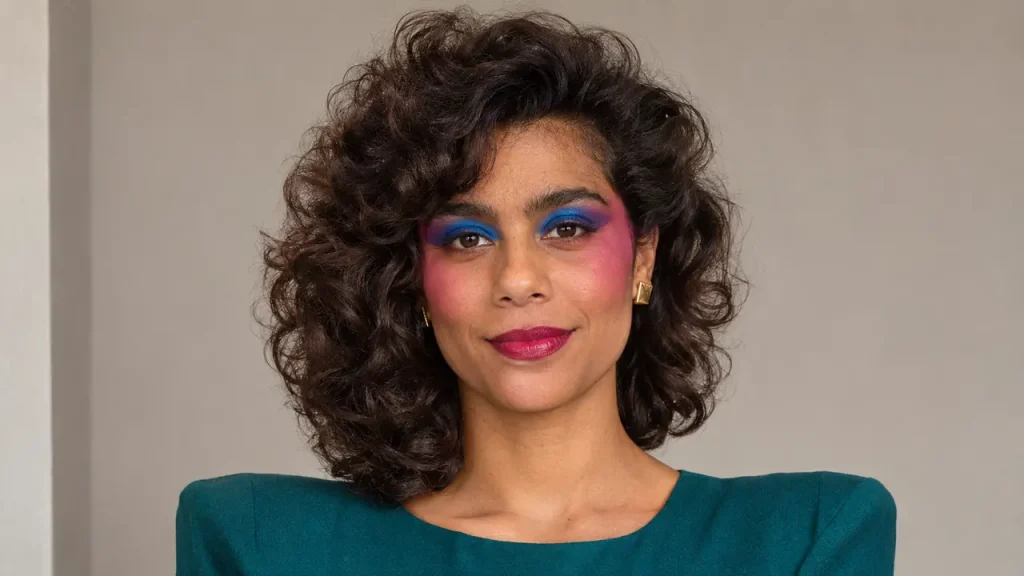
Signature look: Vivid eye color, pronounced blush, expressive eyebrows, and defined lips.
Music videos, fashion magazines, and club scenes made experimental makeup highly visible. Madonna, Whitney Houston, and Grace Jones each showed different ways of using color, contrast, and shape. Strong blush did not have to complement a muted eye; exuberance was often the point. A wearable version might feature one bright shadow and softened cheeks. The decade’s decorative spirit also appears in playful nail designs, giving you another way to reference eighties style.
8. 1990s: Brown Lip Liner, Grunge, and Minimalism
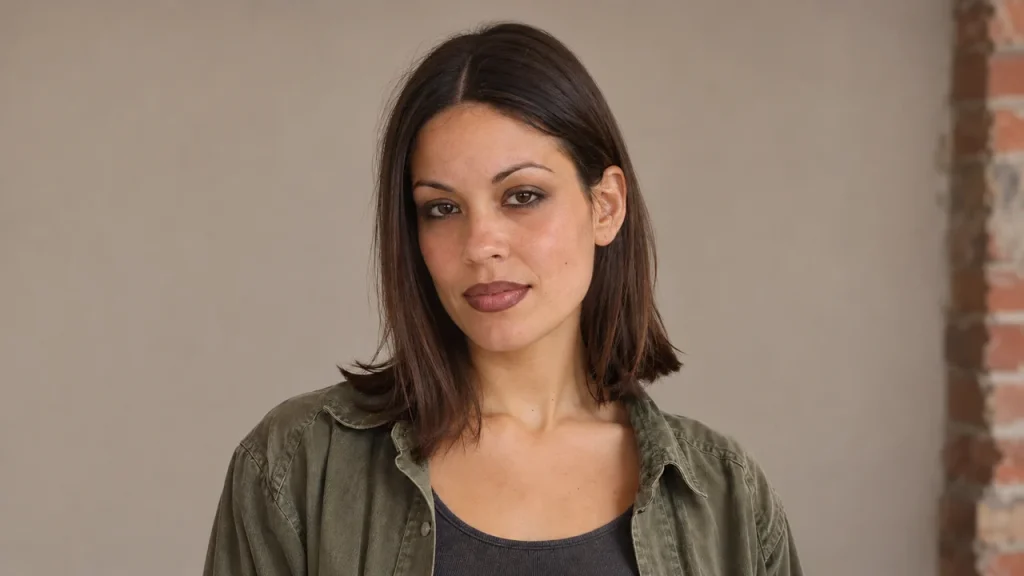
Signature look: Brown and berry lips, thinner brows, smudged eyeliner, and matte or understated skin.
The decade combined grunge’s deliberately imperfect finish with minimalist fashion photography and polished celebrity beauty. Dark liner, paired with lighter lipstick, had important histories in Black and Latina communities; it did not originate when mainstream celebrities adopted it. The cultural history of contrasting lip liner explains how those traditions influenced later trends. The recognizable Chola makeup aesthetic also carries Chicana identity and history beyond a single decade. To evoke nineties matte skin, use full-coverage foundation only if that finish suits you; sheer products work too.
9. 2000s: Frosted Shadow and Glossy Y2K Lips
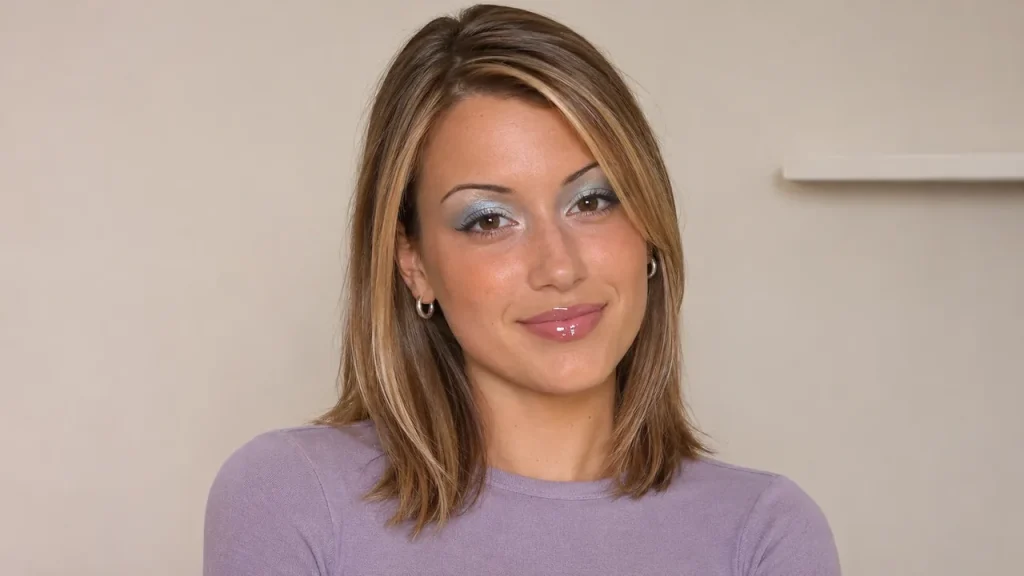
Signature look: Frosted blue or silver eyeshadow, glossy lips, bronzer, and sometimes body shimmer.
Early-2000s music videos and red carpets favored shine, although bronze-toned glamour and icy pastel looks were different options. Lip gloss became a familiar symbol of Y2K beauty, while glitter appeared on eyelids, cheekbones, and collarbones. Recreate the feeling with one reflective shadow and gloss, keeping sparkle products away from the eyes unless specifically made for that area. More elaborate makeup techniques and tricks can help adapt a nostalgic look to today’s products.
10. 2010s: Contouring and Camera-Ready Glam
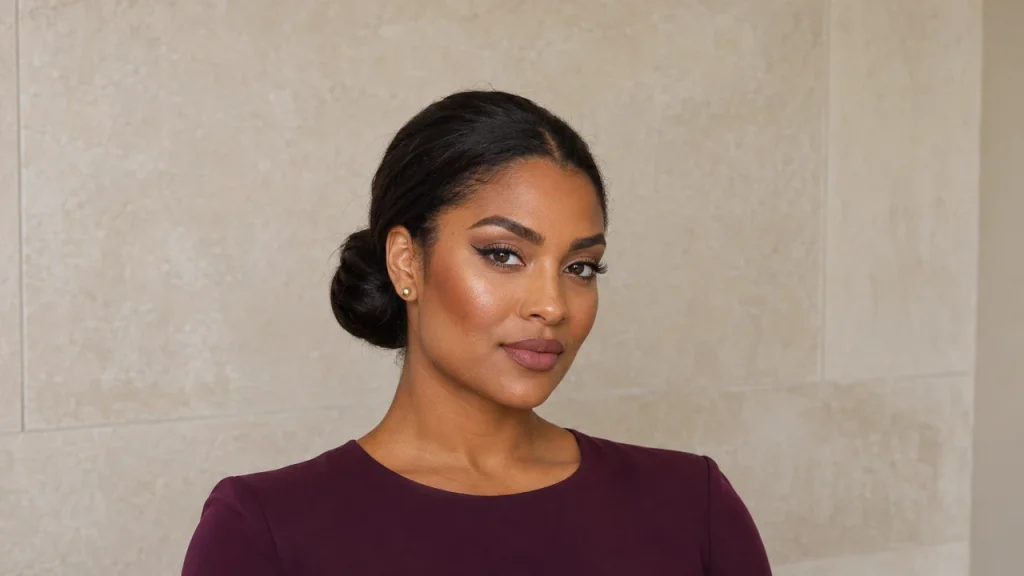
Signature look: Sculpted cheekbones, defined brows, winged liner, matte lipstick, and highlighted skin.
Online tutorials spread contouring and precise product layering to wider audiences. The techniques predated social media but gained new visibility. Later in the decade, softer, luminous finishes gained attention alongside full glam. Makeup through the decades also reflects how photographs and filters change expectations about texture. Try a subtle highlight instead of recreating every sharply defined contour. Removing long-wear products gently is more useful than scrubbing; taking off makeup thoroughly deserves as much attention as application.
11. 2020s: Skin Tints, Soft Blush, and Expressive Eyes
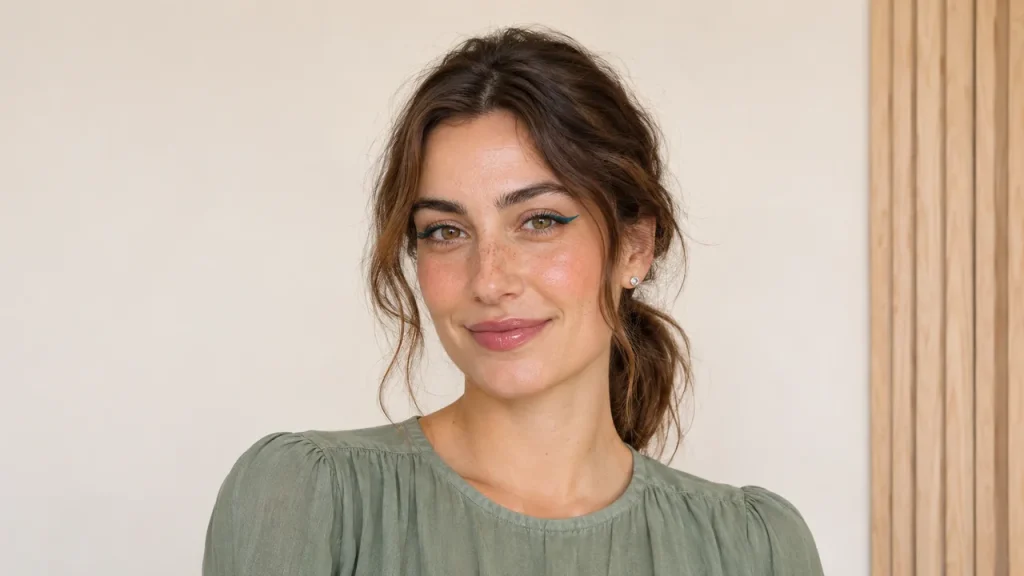
Signature look: Light-looking bases, blush experiments, faux freckles, graphic liner, and varied lip finishes.
Short-form video accelerated microtrends, from e-girl eyes to glowing minimalism and renewed maximalist color. Neither a dewy face nor a dramatic one represents everybody. Skin tints and hybrid formulations offer different textures, while targeted concealer can keep coverage selective. Strong blush, experimental liner, and nostalgic lip combinations show how many eras now overlap. The label “clean girl” describes a marketed aesthetic, not personal hygiene or a standard anyone must meet.
What Stayed the Same—and What Changed?
Look beyond lip color to see what made each era distinct. Early screen glamour relied on bold shapes readable on film; mid-century advertising promoted polish; music-led subcultures encouraged experimentation; social media accelerated the return and remixing of older looks. Makeup through the decades is not a straight progression from heavy to natural. Technology changed products, but personal identity, access, and cultural context always mattered.
How to Recreate Vintage Makeup Respectfully
Choose one element rather than an entire face: a 1920s lip, a 1960s lash, or an eighties cheek. Adapt placement and color to your features and preferences. Modern products are safer than copying unknown historical recipes; use cosmetics intended for the eye area, check expiration dates, and avoid sharing eye products. Regularly cleaning makeup brushes helps keep tools in good condition. When a look comes from a specific community, acknowledge its origins rather than treating it as an anonymous online challenge.
Frequently Asked Questions
These brief answers help distinguish historical references from the beauty rules that advertisements sometimes promoted.
1. Did Everyone Wear the Same Makeup in Each Decade?
No. Makeup differed across countries, classes, racial groups, ages, and subcultures. Advertising preserves only a selective picture of what people actually wore.
2. Which Vintage Look Is Easiest for Beginners?
A single red lip, a small cat-eye, or brown lip liner is an approachable starting point. Practice one feature and leave the rest comfortable.
3. Why Do Old Makeup Trends Keep Returning?
Film, fashion archives, nostalgia, and online creators reintroduce familiar shapes. New products and changing cultural conversations transform them rather than reproducing them exactly.
Final Thoughts
Makeup through the decades connects lipstick, eyeliner, and complexion trends to wider stories about changing society. The 1920s flapper, the 1970s disco enthusiast, and the 2020s creator never represented every person’s beauty choices. Learn the history, credit the communities whose styles shaped it, and choose what feels expressive to you. No decade defined beauty for everyone.

Leave a Reply