


Finding breakfast ideas for teens is easier when you start with what they enjoy and how much time they have. Some mornings allow for warm pancakes; others call for yogurt, toast, or something packed the night before. A useful breakfast provides energy and a mix of nutrients without becoming another source of pressure. These ten options combine familiar flavors with practical preparation tips, including choices for small appetites and busy school days.
What Makes a Balanced Breakfast?
Combine a protein food, a whole-grain or other carbohydrate source, and fruit or vegetables. Examples include yogurt with oats and berries, eggs on whole-grain toast, or beans in a tortilla. NIDDK’s nutrition guidance for teenagers emphasizes dietary variety and adequate energy for growth. Portions should reflect appetite, activity, and individual needs; the quantities below are starting points, not limits.
Milk, yogurt, and calcium-fortified alternatives can contribute useful nutrients. When comparing fortified and enriched foods, check protein, calcium, vitamin D, and added sugar rather than relying on front-of-package claims. Plant-based products vary; some provide very little protein.
Choose an Option That Fits Your Morning
These are estimated morning preparation times, including cooking or reheating where needed. Equipment and portion size affect timing.
| Breakfast | Morning time | Protein ingredient | Preparation shortcut |
| Yogurt parfait | 5 minutes | Yogurt | Prepare fruit ahead |
| Banana waffles | 5–10 minutes | Peanut butter | Use ready-made waffles |
| Apple and berry oats | 5–10 minutes | Milk or yogurt | Refrigerate overnight |
| Millet pancakes | 15–20 minutes | Egg and milk | Cook and freeze ahead |
| Chicken-bean burrito | 5–10 minutes | Chicken and beans | Prepare filling ahead |
| Vegetable egg bake | 5–10 minutes to reheat | Eggs | Bake the previous day |
| Egg-avocado toast | 10 minutes | Egg | Keep bread ready |
| French toast | 10–15 minutes | Egg and milk | Measure ingredients ahead |
| Fruit-yogurt bowl | 5 minutes | Yogurt | Use washed fruit |
| Strawberry smoothie | 5 minutes | Milk and yogurt | Use frozen fruit |
10 Breakfast Ideas for Teens to Try
Except for the egg bake, each idea starts with one serving. Add more food or a side according to hunger.
1. Yogurt Parfait With Fruit and Oats
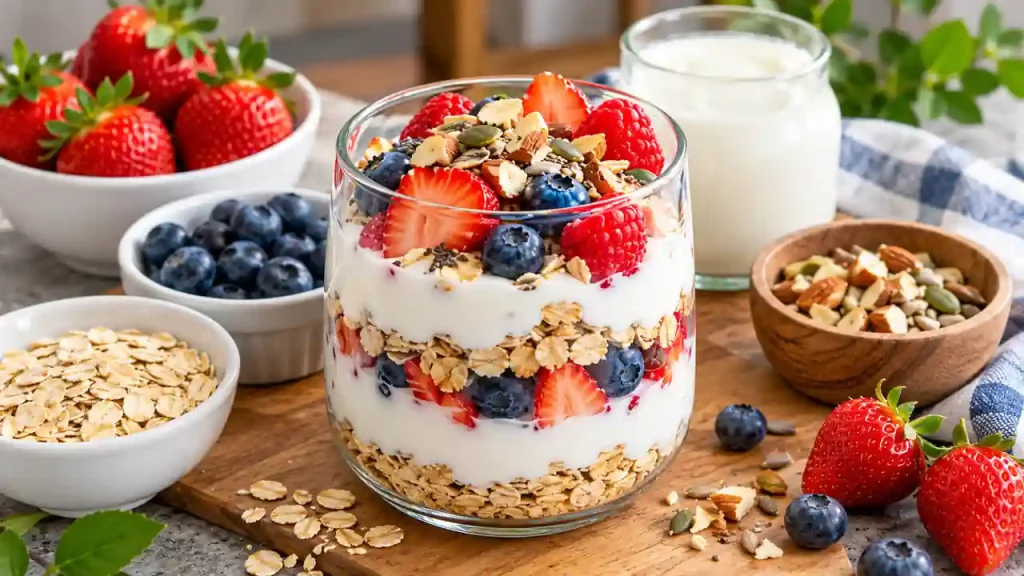
Layer ¾ cup plain yogurt, ¼ cup rolled oats or muesli, and ½ cup berries or chopped fruit in a bowl or jar. Add a tablespoon of chopped nuts or seeds if tolerated. Greek yogurt offers a thicker texture; regular yogurt works too. Wash fresh fruit and follow any cooking instructions on frozen-fruit packaging before using it. Keep crunchy toppings separate until serving. With ready-to-eat ingredients, this option needs no cooking. For someone who dislikes mixed textures, serve the components beside each other instead.
2. Banana Waffles With Peanut Butter
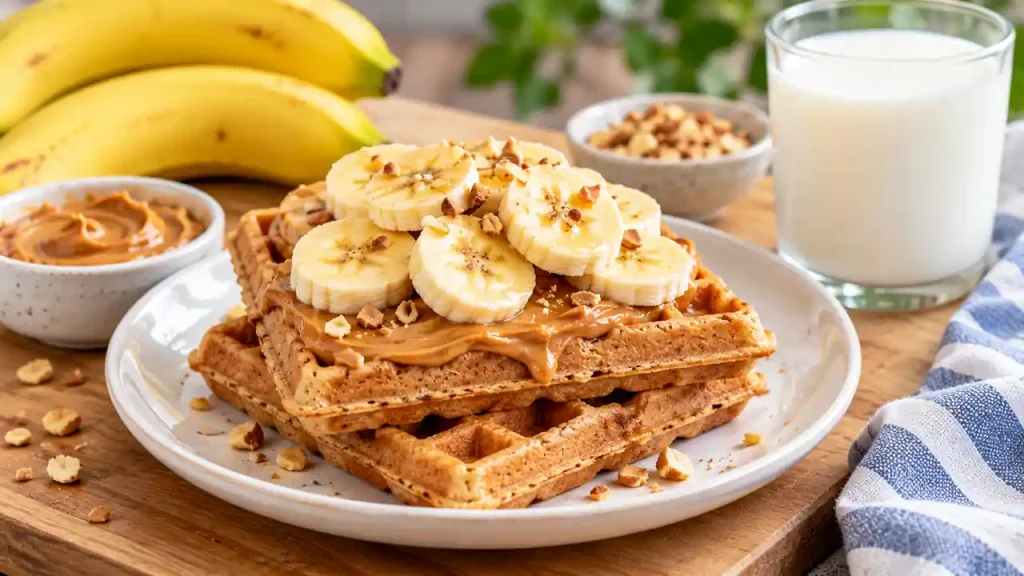
Toast one or two whole-grain waffles according to the package instructions. Spread with a tablespoon of peanut butter and top with sliced banana. Serve with milk or another suitable drink if desired. For peanut allergies, use a tolerated alternative spread and check school rules. Avoid assuming every seed butter is suitable for every allergy. Homemade waffles can be cooked ahead and frozen. This is more practical on school mornings than preparing batter from scratch, and ripe banana supplies sweetness without requiring syrup.
3. Oatmeal With Applesauce and Berries
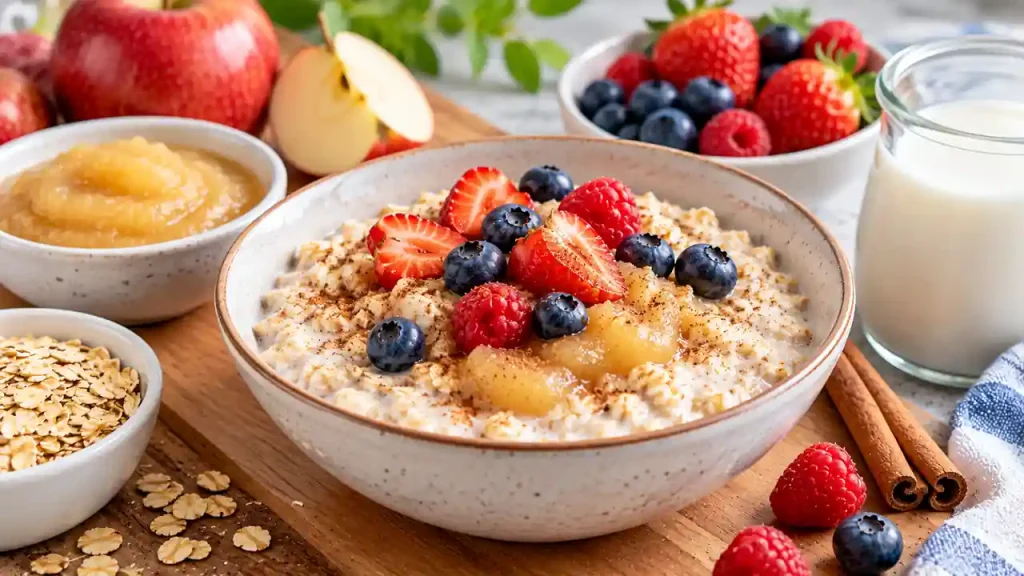
Cook ½ cup rolled oats with approximately one cup milk or water, following package directions. Stir in two tablespoons unsweetened applesauce, cinnamon, and a handful of berries. Add yogurt after cooking if you used water. For overnight oats, combine ½ cup oats, ½ cup milk, and ¼ cup yogurt; cover and refrigerate overnight. Adjust the liquid in the morning. Use suitable dairy-free alternatives when needed. Neither method is automatically healthier. Choose the texture your teen prefers. For celiac disease, use oats labeled gluten-free and follow individualized dietary advice.
4. Millet Pancakes With Fruit
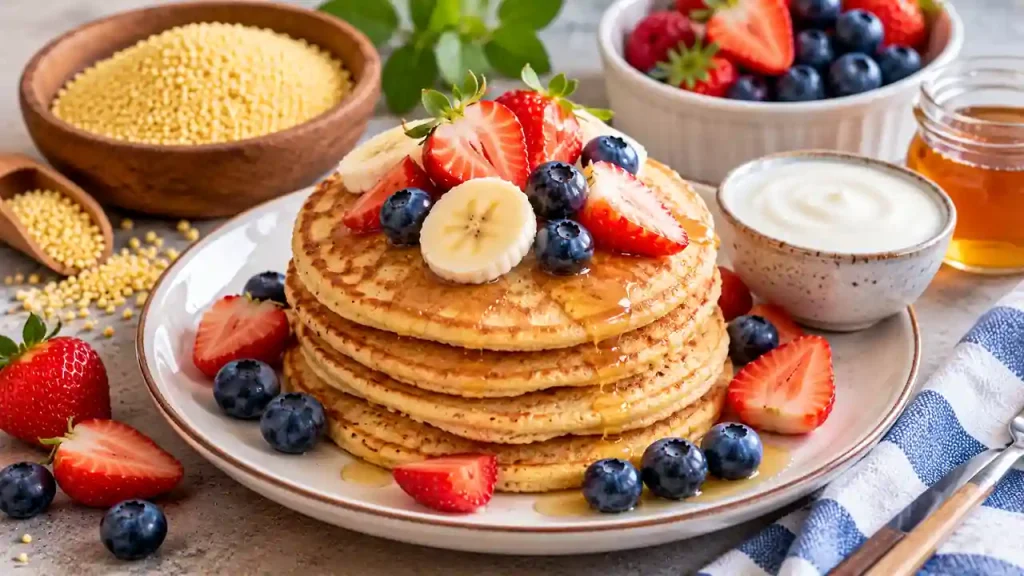
For a small batch, whisk ½ cup millet flour, one egg, ⅓ cup milk, and ½ teaspoon baking powder. Let the batter rest briefly, then adjust with a splash of milk if too thick. Cook small pancakes in a lightly oiled skillet over medium heat, turning when bubbles form and the edges begin to set. Cook through on both sides. Serve with fruit and yogurt. A little honey or maple syrup is optional; both contribute added sugar. Millet flour gives these pancakes their name and a different texture from wheat pancakes.
5. Chicken and Black Bean Breakfast Burrito
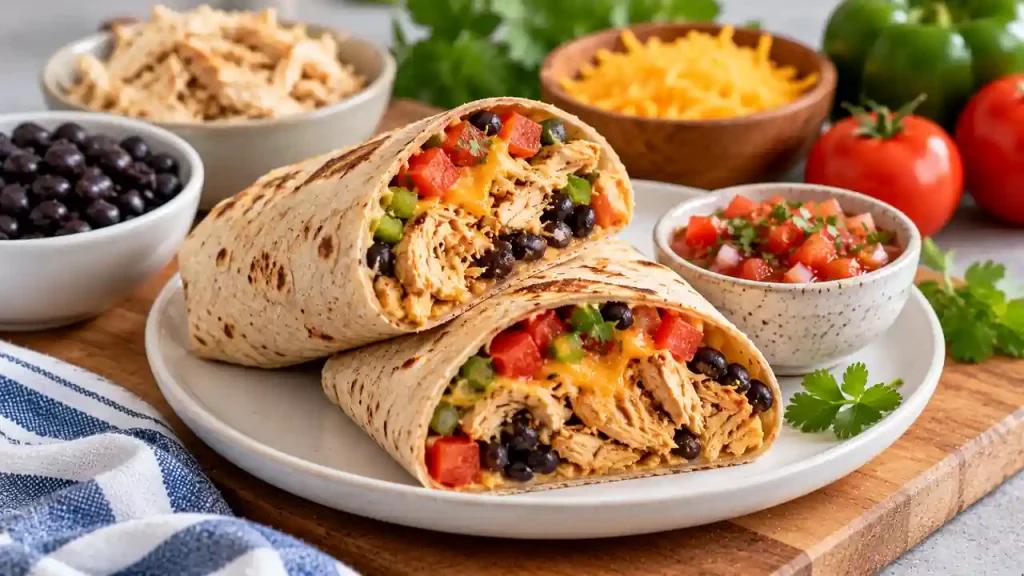
Warm a whole-wheat tortilla and fill it with ¼ cup cooked shredded chicken, ¼ cup drained black beans, and chopped tomato or cooked peppers. Add a little cheese or salsa if preferred, then fold securely. Reheat previously cooked filling to 165°F (74°C) before assembling a hot burrito. For a vegetarian version, replace the chicken with extra beans or fully cooked scrambled egg. For smaller portions, serve the filling in a small tortilla instead. Pack a chilled version with cold sources if it will be eaten later.
6. Make-Ahead Vegetable Egg Bake
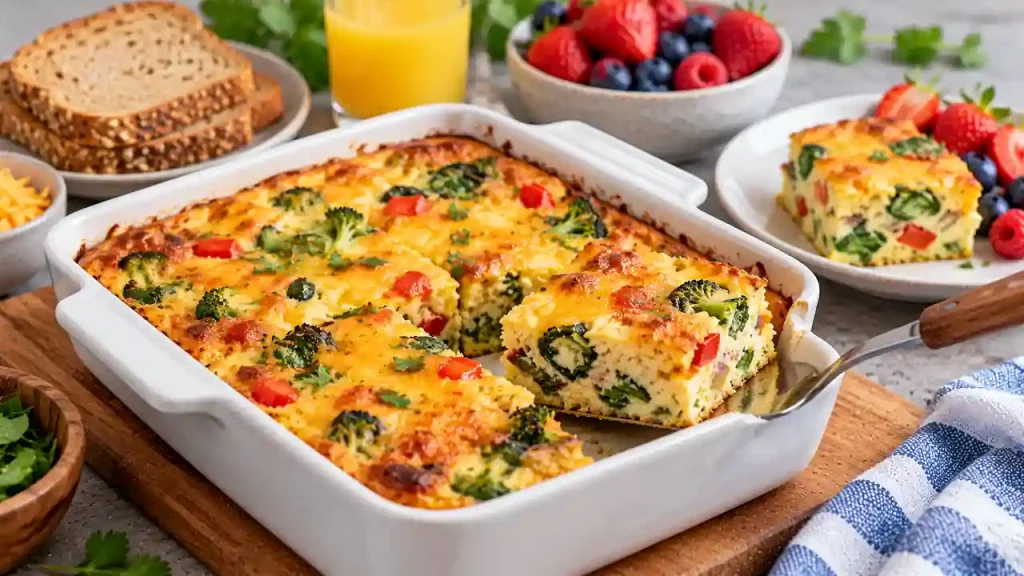
For four starting portions, whisk six eggs with ½ cup milk. Stir in two cups cooked, drained vegetables, such as spinach, broccoli, or peppers, plus a little grated cheese. Pour into a greased eight-inch baking dish. Bake at 375°F (190°C) for approximately 25–35 minutes, until the center reaches 160°F (71°C). Use a food thermometer rather than relying only on browning. Refrigerate promptly in portions and reheat before serving. Pair with toast or fruit. Cooking vegetables first and draining excess moisture helps prevent a watery bake.
7. Egg and Avocado Toast
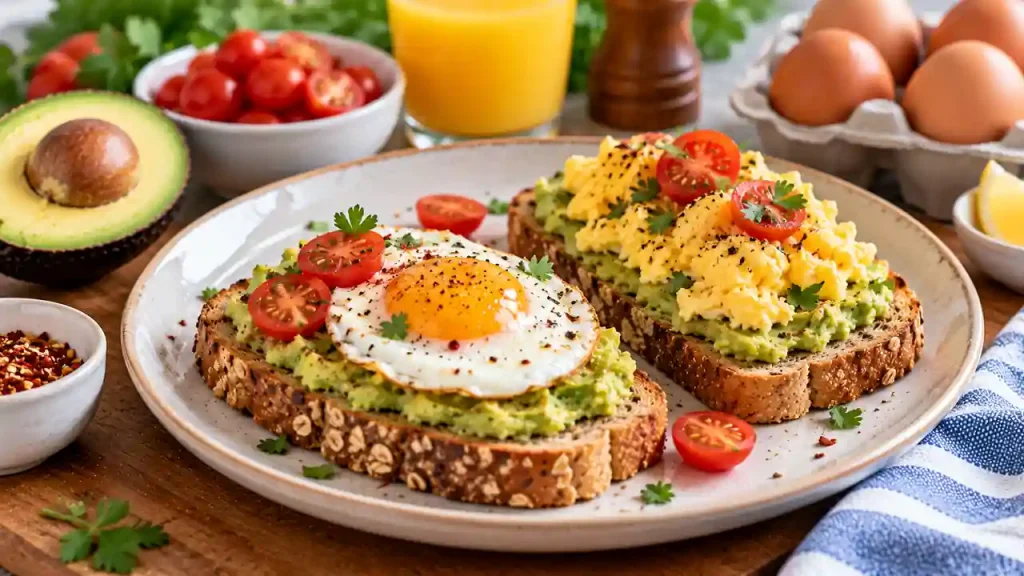
Toast one or two slices of whole-grain bread. Mash ¼ to ½ an avocado with a little lemon juice and spread it over the toast. Add a fully cooked egg, prepared scrambled, boiled, or fried. Tomato slices, cheese, or other bread toppings add variety without changing the entire shopping list. Cook eggs until the whites and yolks are firm. For mornings with little cooking time, prepare hard-boiled eggs ahead and refrigerate them. Assemble the avocado toast close to serving for the best texture.
8. Whole-Grain French Toast
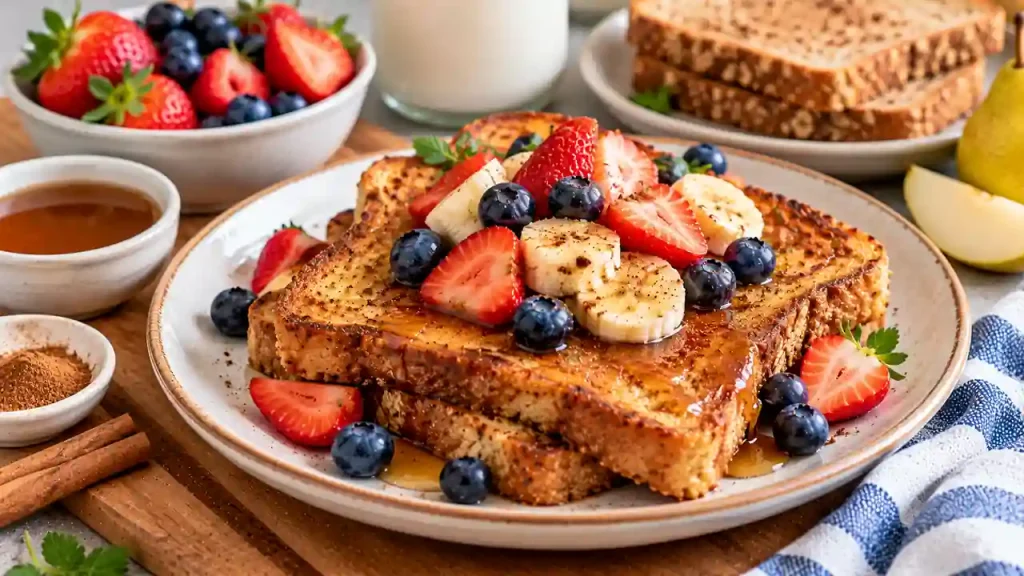
Whisk one egg with ¼ cup milk, a pinch of cinnamon, and a few drops of vanilla. Dip two slices of whole-grain bread briefly into the mixture, coating both sides. Cook in a lightly greased skillet over medium heat until golden outside and the egg mixture is fully cooked. Thicker bread may need more time. Top with berries, sliced pear, or plain yogurt. Brown sugar in the egg mixture is unnecessary. Serve immediately, or refrigerate cooked leftovers promptly for reheating later.
9. Fruit Salad With a Protein Pairing
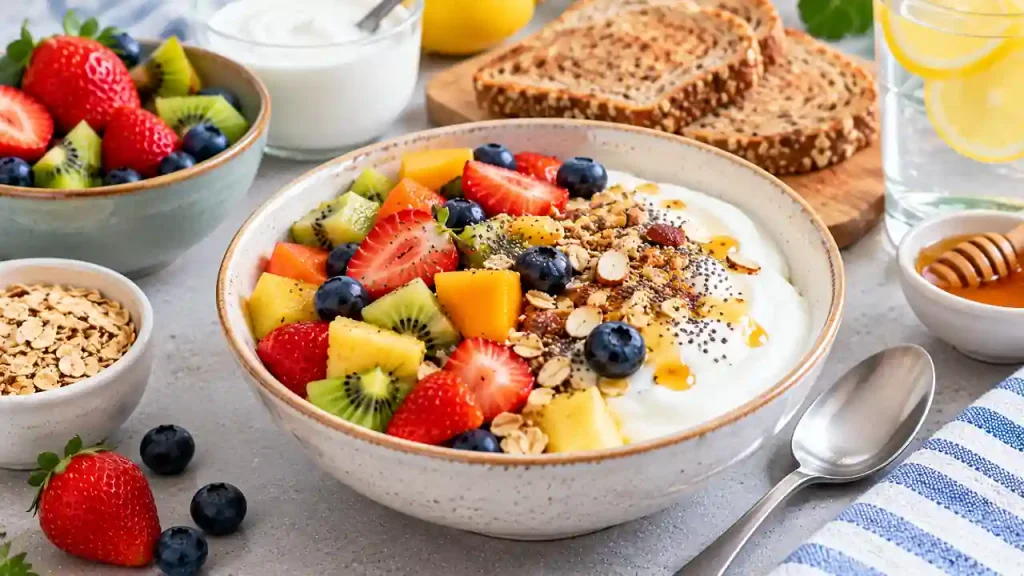
Combine approximately one cup chopped seasonal fruit with ¾ cup plain yogurt or a suitable protein-containing alternative. Add oats or whole-grain toast if a more substantial meal is wanted. Fruit contributes fiber and micronutrients, but most fruit provides only modest amounts of protein. Pairing it with yogurt makes this option more substantial. Use affordable fruit already available at home; elaborate combinations are unnecessary. Lemon juice can brighten the flavor, while honey is optional. Keep yogurt and cut fruit chilled if packing them.
10. Strawberry and Banana Smoothie
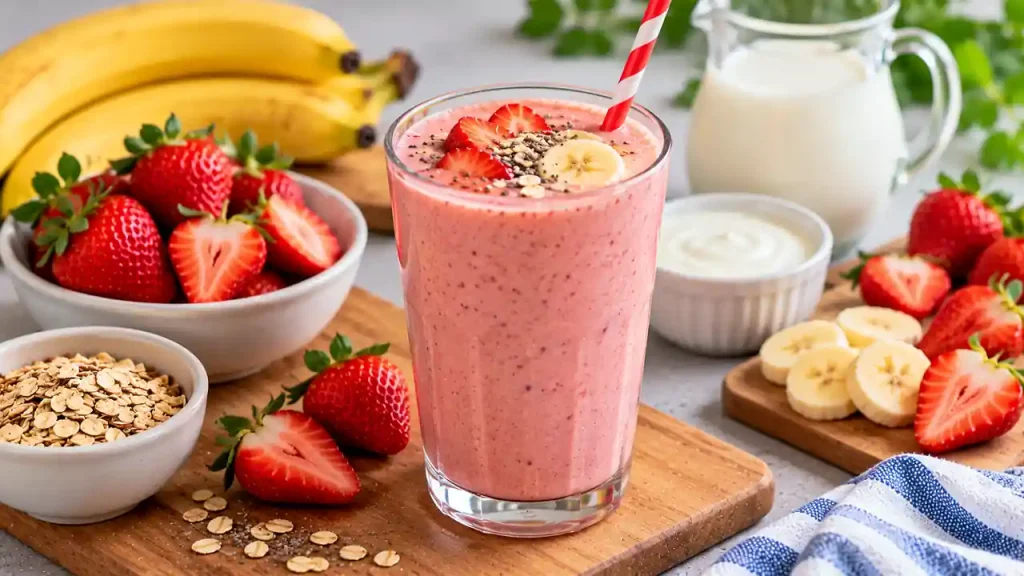
Blend one cup milk, ½ cup plain yogurt, one cup strawberries, and half a banana until smooth. For a dairy-free version, use fortified soy drink and a suitable soy yogurt. Follow any cooking instructions on frozen-fruit packaging. If tolerated, add a tablespoon of nut butter or oats. Vary the fruit with what is available; mango or peaches can replace strawberries. A smaller smoothie can suit a teen with little morning appetite. Serve toast alongside it when more food is needed. Keep it refrigerated and pack it safely for transport.
Why Breakfast Can Help
Breakfast offers an opportunity to eat after an overnight fast. A systematic review of breakfast and cognition in children and adolescents found benefits for some aspects of morning cognitive performance, with variation between studies. It does not guarantee better grades or replace sleep, adequate food throughout the day, and other support. The most useful breakfast ideas for teens make eating manageable, rather than promising that one meal will transform health or school performance.
Make Preparation and Packing Easier
Let your teen choose two or three options for the week. Measure ingredients and organize equipment ahead. Keep everyday breakfast supplies together so they can help assemble their own meal. Store perishables at 40°F (4°C) or below. Refrigerate cooked food within two hours, or one hour above 90°F (32°C). Use refrigerated cooked leftovers within three to four days, or freeze them earlier. Reheat to 165°F (74°C).
For breakfasts eaten later, USDA’s packed-food safety guidance recommends an insulated bag with at least two cold sources for perishable foods. Paper wrapping alone does not keep chicken, eggs, yogurt, or smoothies safely chilled.
Frequently Asked Questions
1. What Are Easy Breakfast Ideas for Teens Who Are Not Hungry?
Offer a smaller portion of yogurt, toast, or smoothie, with another safely packed option for later. Ask about preferences rather than insisting on a large plate immediately after waking.
2. How Can You Keep Breakfast Affordable?
Build meals around foods you already buy: oats, bread, eggs, yogurt, beans, and seasonal fruit. Compare unit prices, avoid special ingredients used only once, and freeze suitable cooked extras to reduce waste.
Final Thoughts
The best breakfast ideas for teens are enjoyable, affordable, and realistic for the morning ahead. Start with a few familiar combinations, include a protein food, and adapt portions to appetite. Prepare what you can beforehand and pack perishables safely. A workable routine matters more than a perfect-looking breakfast, and involving your teen makes it easier to find meals they will actually want to eat.



Leave a Reply