


If you want to boost your immunity, start with everyday meals rather than a cupboard full of supplements. Your immune system needs adequate energy, protein, vitamins, and minerals to function normally. A varied diet helps provide those building blocks, but no food guarantees protection from colds, flu, or other infections.
The foods below offer useful nutrients and practical meal options. Spices appear for their role in making varied meals enjoyable, rather than as major nutrient sources or proven infection treatments. You do not need all 25, expensive imported berries, or a strict daily checklist. Choose a mix that suits your budget, preferences, allergies, and medical needs.
Can Food Really Boost Your Immunity?
The phrase describes supporting normal defences rather than making your immune system endlessly stronger. Too little of certain nutrients can impair immune function. Eating more than you need does not automatically provide extra protection.
Evidence on nutrition and immune function supports meeting nutritional needs while recognizing the limits of supplements and individual ingredients. Food cannot replace vaccination, prescribed treatment, or appropriate medical care. A sustainable healthy eating plan matters more than adding one supposed superfood to an otherwise limited diet.
25 Foods Worth Including in Your Meals
To boost your immunity through nutrition, think about variety across the week. These foods contribute different nutrients; they are not ranked by infection-fighting power.
1. Citrus Fruits
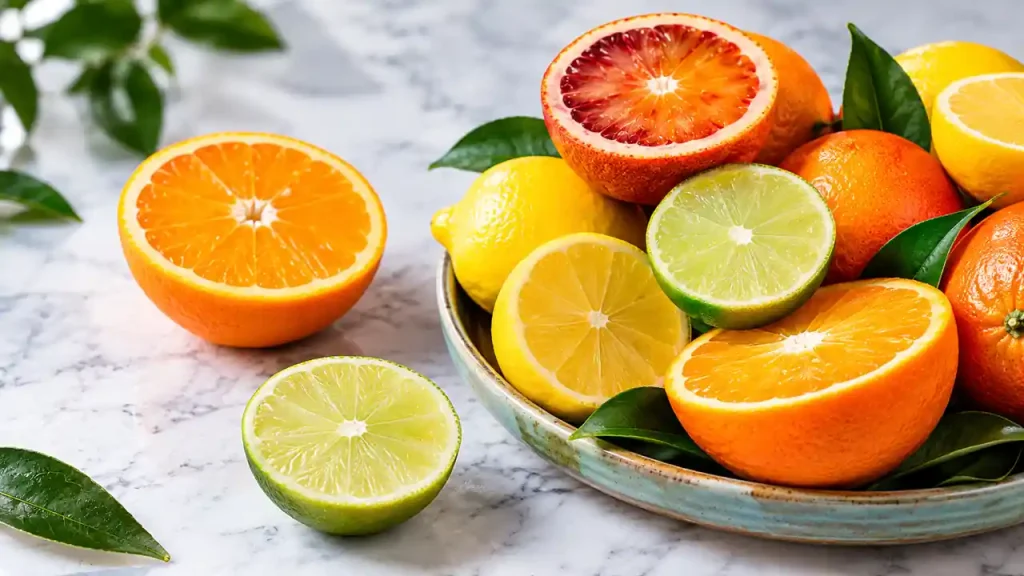
Oranges, mandarins, lemons, and grapefruit provide vitamin C. Whole fruit also supplies fiber, making it a useful everyday choice. Enjoy an orange with breakfast or squeeze lemon over lentils. Check grapefruit compatibility if you take medicines that interact with it.
2. Red Bell Peppers

Red peppers contribute vitamin C and carotenoids. You can eat them raw, roast them, or add them near the end of a stir-fry. Try strips with hummus. Frozen sliced peppers are convenient when fresh ones are expensive or likely to spoil.
3. Spinach
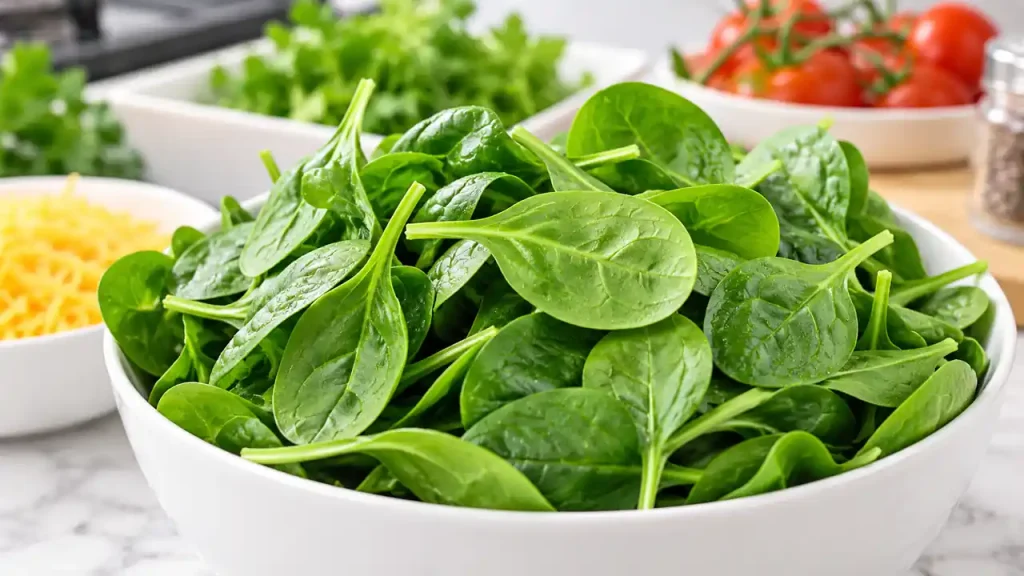
Spinach supplies folate and carotenoids, along with some iron. It is not a substitute for treating diagnosed iron deficiency. Stir chopped leaves into dal, soups, or eggs. Frozen spinach is useful too; drain it when excess moisture would affect your dish.
4. Berries

Strawberries, raspberries, and blueberries offer fiber and plant compounds; vitamin C content varies by berry. Use fresh or frozen berries in oats or yogurt. For occasional desserts, these strawberry recipes offer options, though adding fruit does not remove the sugar in other ingredients.
5. Turmeric
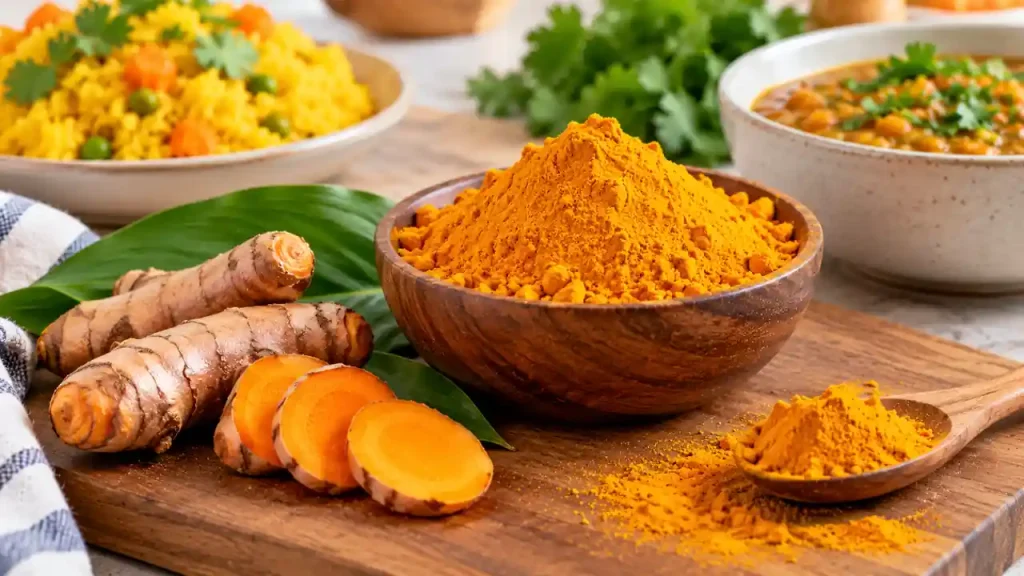
Turmeric adds color and flavor to vegetables, rice, and lentils. Its compounds attract research interest, but ordinary culinary use has not established protection against infections. Use it as a seasoning you enjoy. Concentrated curcumin supplements are a separate decision, with different doses and safety considerations.
6. Kiwi
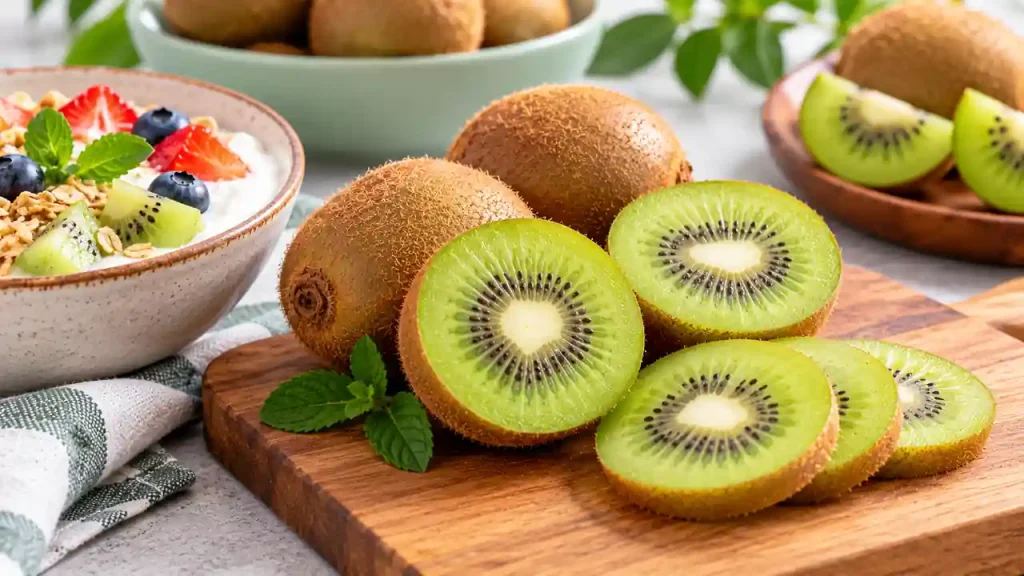
Kiwi provides vitamin C and fiber in a convenient fruit portion. Choose fruit that yields slightly to gentle pressure if you prefer a softer texture. Slice it over yogurt or eat it with a spoon. Other vitamin-C-rich fruits can fill the same role.
7. Broccoli
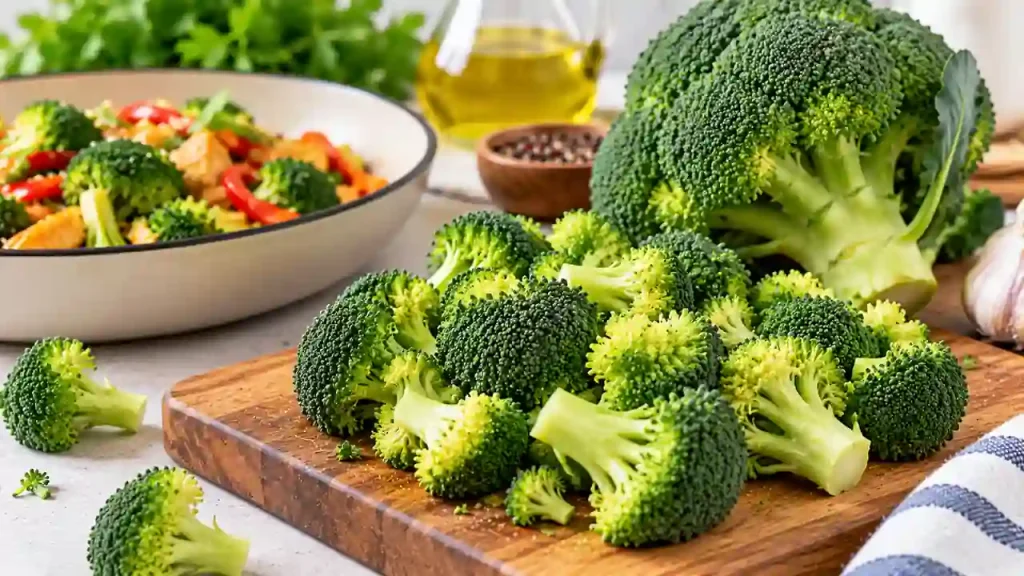
Broccoli contributes vitamin C, folate, and fiber. It belongs beside a protein source rather than replacing one. Steam, roast, or stir-fry it according to taste. A vegetable Thai curry can combine broccoli, peppers, mushrooms, and tofu in one meal.
8. Garlic

Garlic is a flavorful ingredient, not a proven cure for colds. Its main everyday value here is making nutritious meals appealing. Add chopped garlic to cooked beans, soups, or vegetables. Avoid applying raw garlic to your skin; food use and topical treatment are different things.
9. Ginger
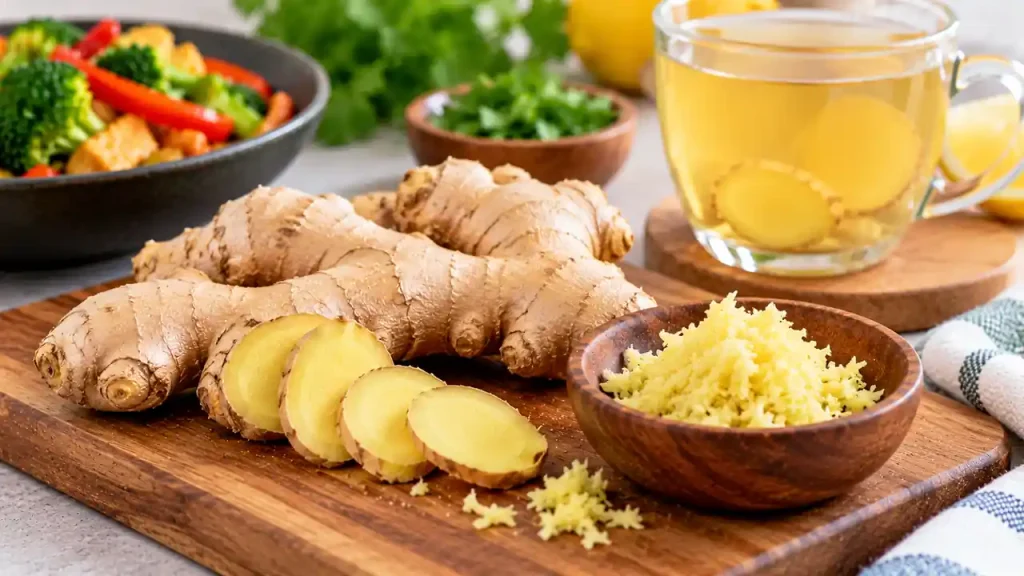
Fresh ginger brings warmth to soups, stir-fries, and lentil dishes. It should not be described as an immunity medicine or guaranteed fat burner. Grate a little into cooking or steep it for flavor. Ginger drinks do not need large amounts of honey or sugar.
10. Almonds
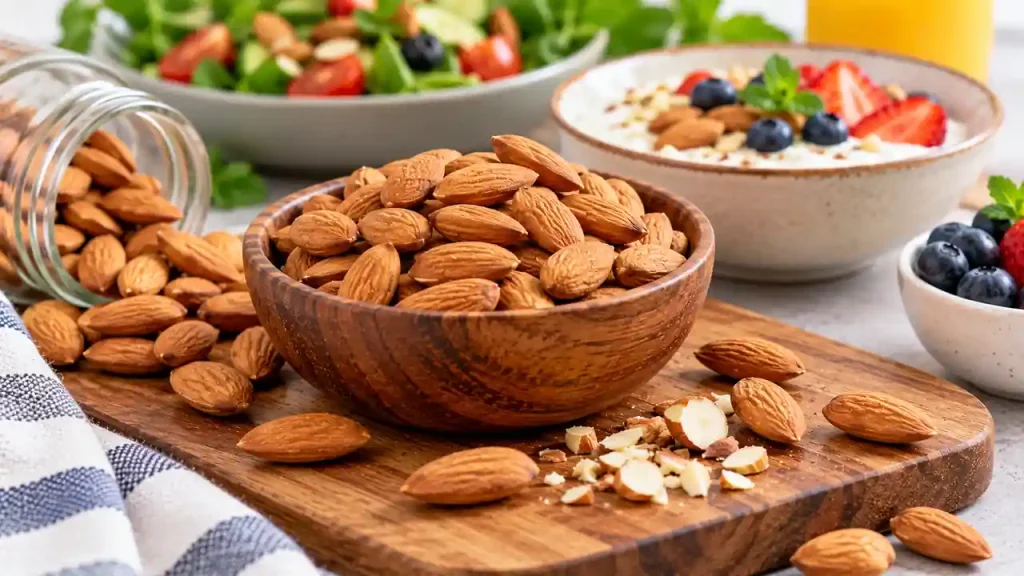
Almonds provide vitamin E, unsaturated fats, and some protein. They are one option among several nuts and seeds. Add a small handful to breakfast or chop them over vegetables. Choose another suitable food if you have a nut allergy.
11. Oily Fish
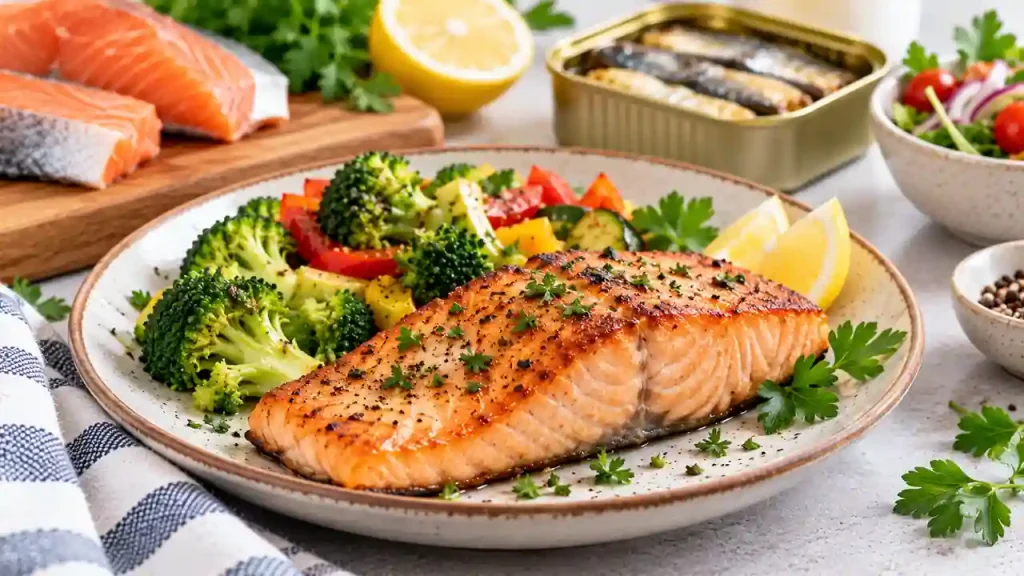
Salmon, sardines, and trout provide protein and omega-3 fats; some are useful vitamin D sources. Canned fish can make meals easier. If you dislike plain fillets, these fish recipe ideas offer different preparations. Pregnancy requires attention to local fish and mercury guidance.
12. Papaya
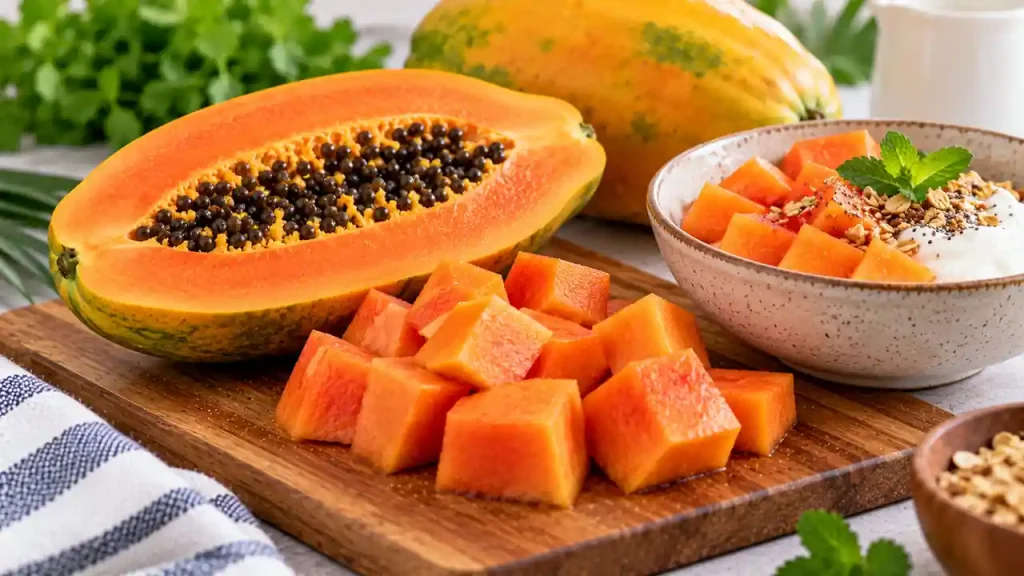
Ripe papaya provides vitamin C and carotenoids. It can add variety when locally available, but there is no need to buy it at a premium. Serve cubed fruit as a snack, or pair it with plain yogurt. A small, ripe papaya can be easier to finish than a large one.
13. Sweet Potatoes

Orange-fleshed sweet potatoes provide beta-carotene, which the body can convert to vitamin A. They also contribute carbohydrates and fiber. Bake or roast them, then add beans or yogurt for a fuller meal. Keep the skin when practical and enjoyable, washing it thoroughly before cooking.
14. Mushrooms
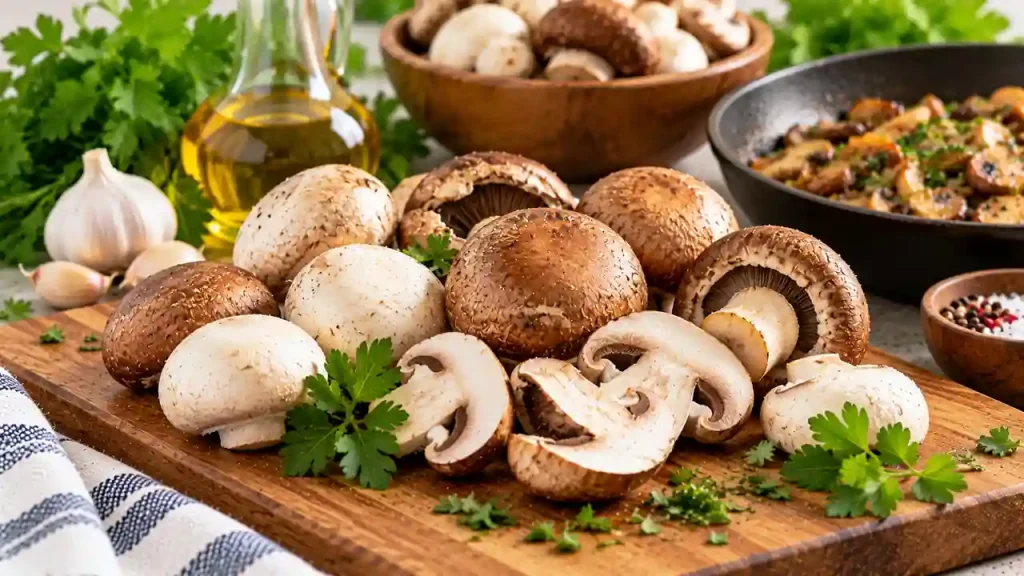
Mushrooms provide B vitamins and varying amounts of minerals. Their vitamin D content depends partly on production methods. Some vitamin D food sources, including UV-exposed mushrooms, can help meet intake needs. Check labels rather than assuming every mushroom is rich in vitamin D.
15. Poultry

Chicken and turkey provide protein and several B vitamins. Protein contributes to the body’s tissues and immune components. Add cooked poultry to rice bowls, soups, or sandwiches. Choose preparation methods you enjoy, and cook and store it safely rather than relying on spices for protection.
16. Sunflower Seeds
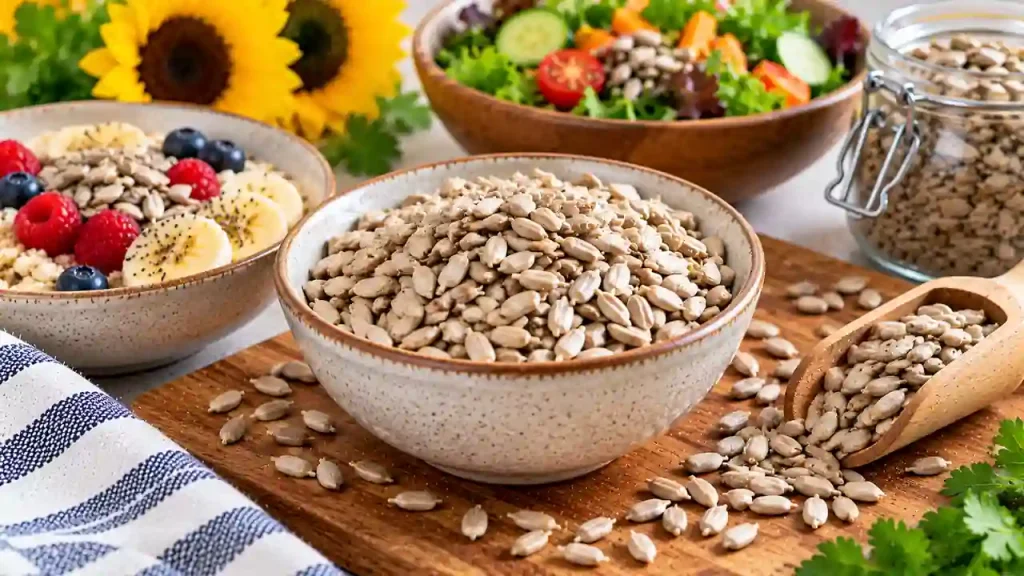
Sunflower kernels contribute vitamin E and unsaturated fats. A spoonful can add texture without needing a special supplement. Scatter shelled seeds over oats or salads. Check flavored versions for added salt, and consider seed allergies when preparing shared meals.
17. Shellfish

Shellfish can supply protein, zinc, vitamin B12, and other nutrients, depending on the species. Oysters are particularly rich in zinc. Choose properly cooked options and avoid shellfish if allergic. More zinc is not automatically better, and raw shellfish carries food-safety risks.
18. Watermelon

Watermelon supplies fluid and some vitamin C. It is refreshing, but it neither detoxifies the body nor prevents infection. Enjoy slices, or prepare watermelon-mint fizz as an occasional drink. Adjust sweeteners to taste rather than assuming a fruit-based drink needs extra sugar.
19. Wheat Germ
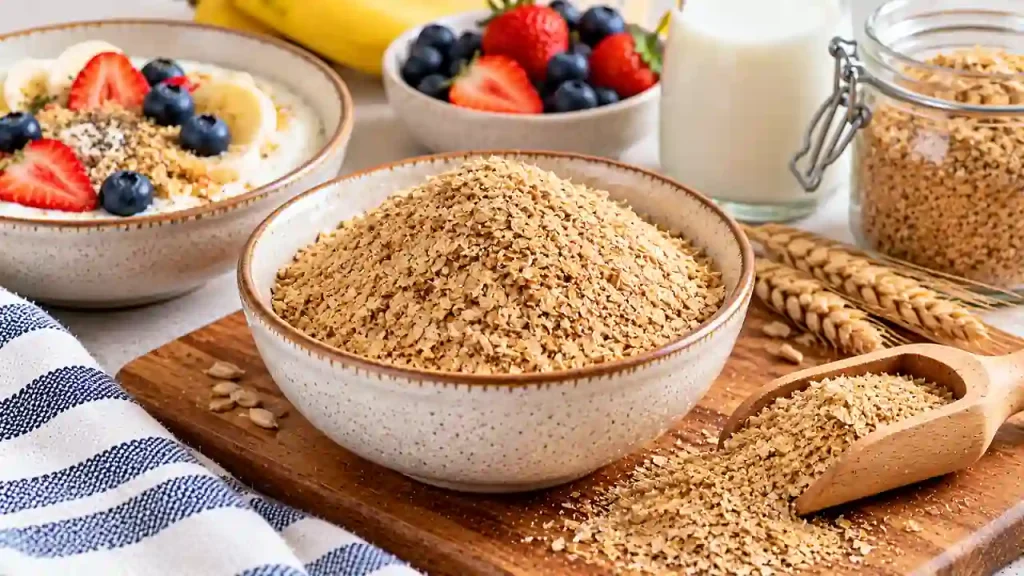
Wheat germ contributes vitamin E and other nutrients in a small, versatile ingredient. It contains gluten and is unsuitable for people with celiac disease. Sprinkle it over yogurt or cereal if you enjoy it. Other seeds or whole grains offer alternatives.
20. Plain Yogurt
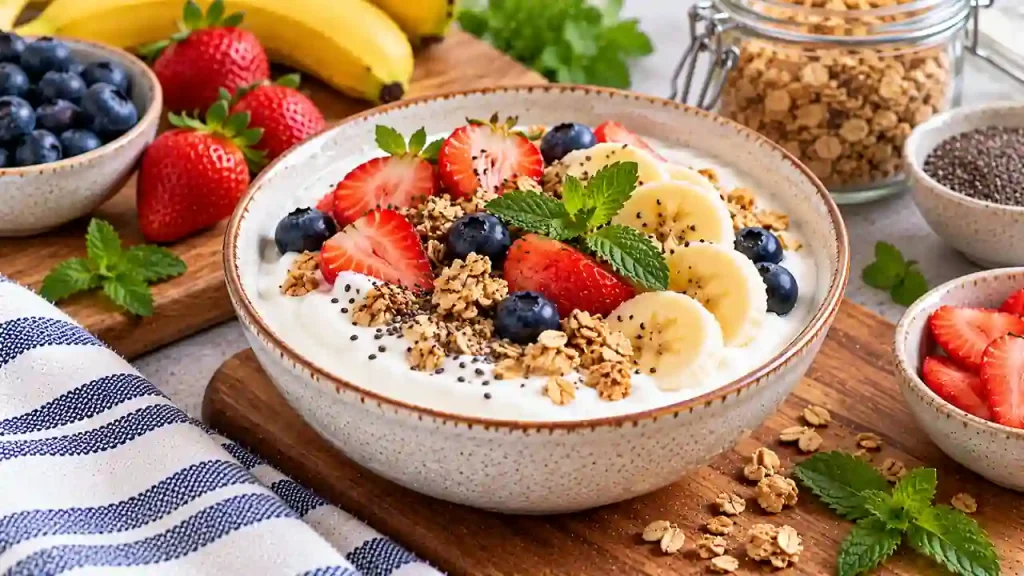
Yogurt supplies protein and calcium; some products also contain live cultures. Benefits associated with particular probiotic strains cannot be assumed for every yogurt. Choose pasteurized products and compare added sugar. Pair plain yogurt with fruit rather than expecting it to prevent infections.
21. Lentils
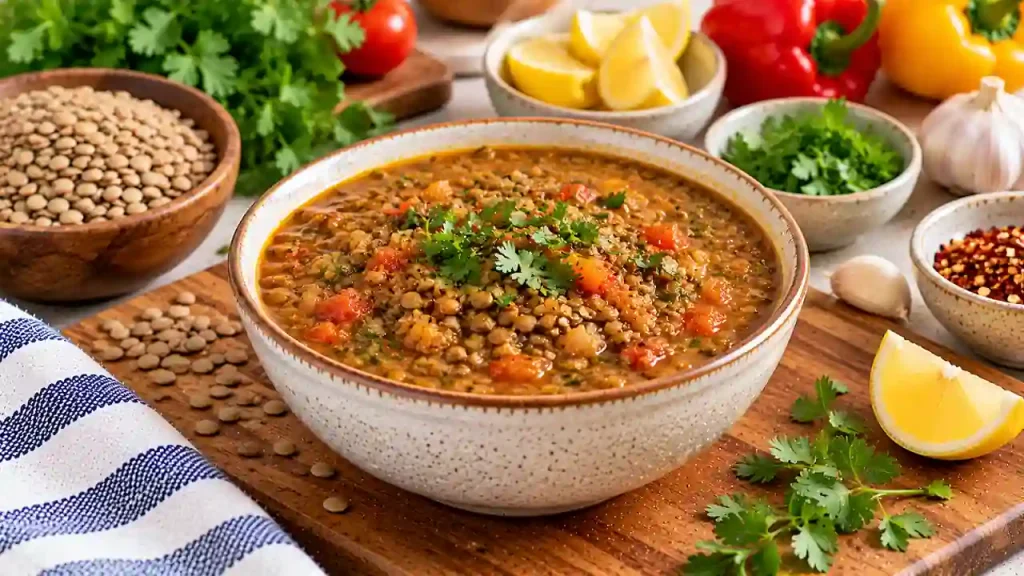
Lentils provide protein, folate, fiber, and iron. Dried or canned varieties can support affordable meals. Cook them into dal or soup, and pair them with peppers or lemon. Vitamin C helps the body absorb iron from plant foods.
22. Chickpeas
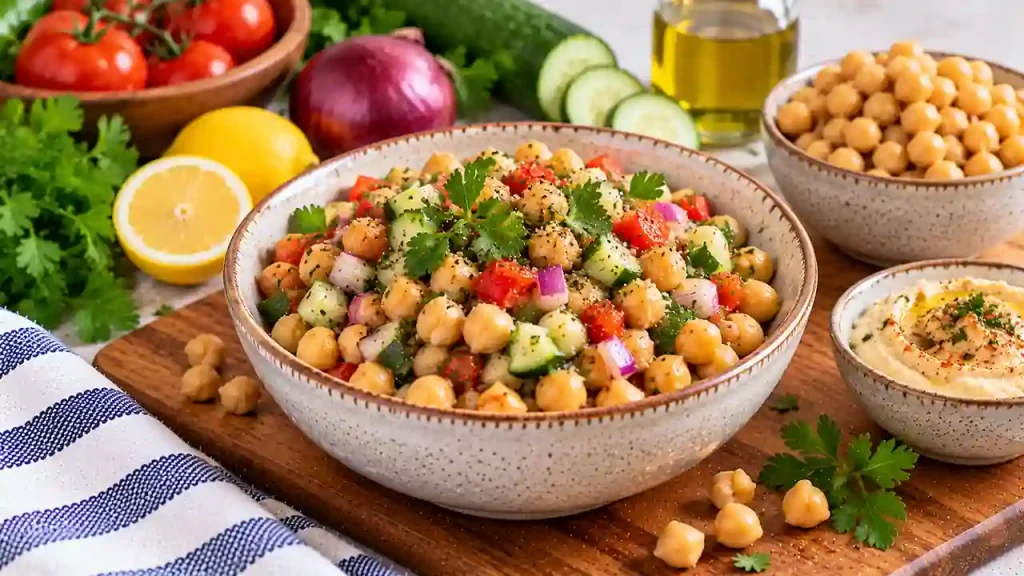
Chickpeas offer protein, fiber, and minerals. They are useful alternative protein sources alongside other beans, lentils, and soy foods. Mash them into a sandwich filling or add them to a vegetable bowl. Rinse canned versions if you want to reduce some sodium.
23. Eggs

Eggs supply protein, vitamin B12, selenium, and other nutrients. They can make a simple meal when cooking time is limited. Add vegetables to a cheese omelette, or combine eggs and mushrooms in a mushroom frittata. Serve with whole-grain toast or another suitable carbohydrate for a more complete meal.
24. Oats
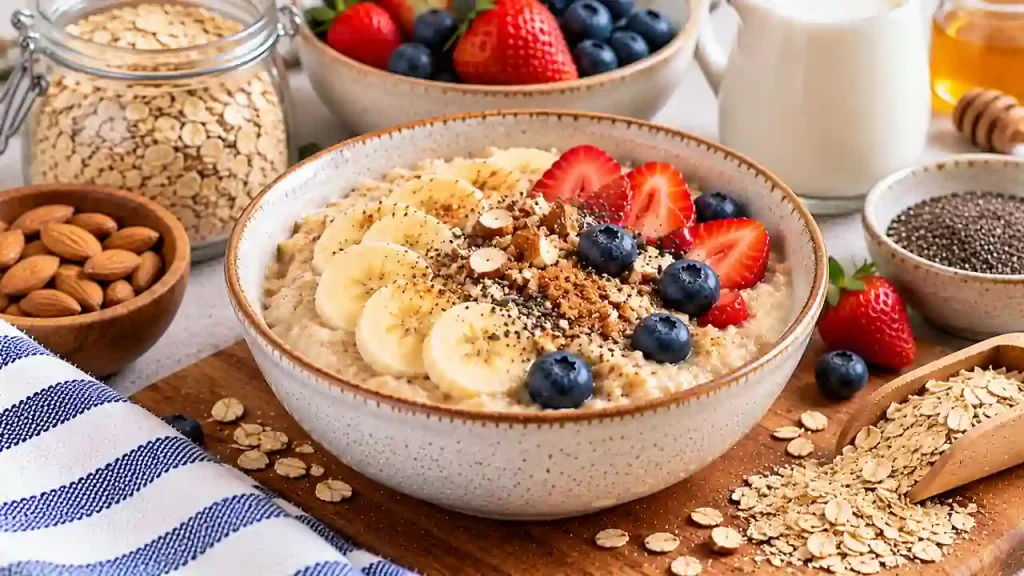
Oats contribute whole grains and soluble fiber. They offer a practical base for other nutritious ingredients rather than a special shield against illness. Make porridge with milk or a suitable fortified alternative, then add fruit. Plain oats also work in savory breakfasts.
25. Tofu
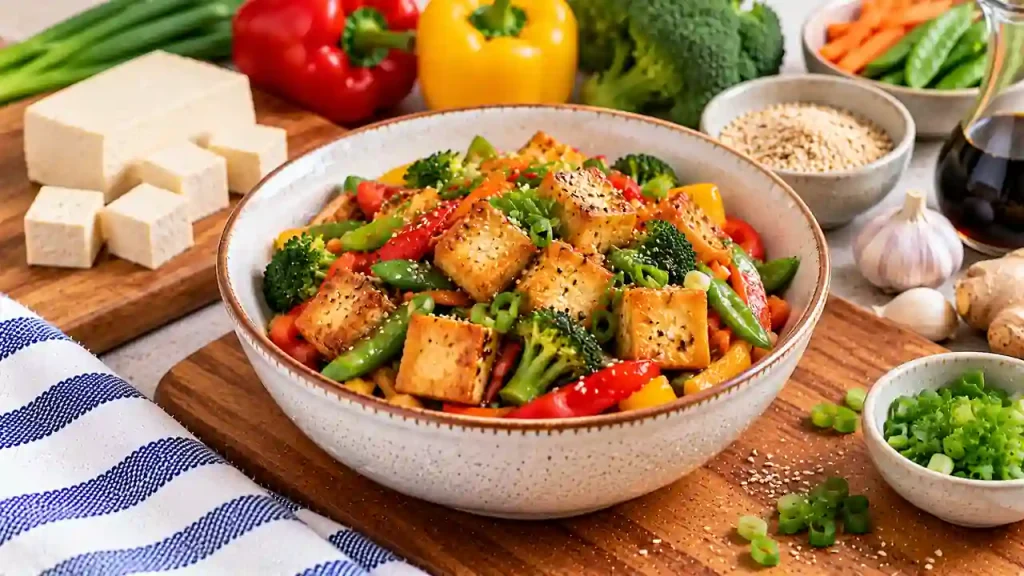
Tofu provides plant protein; calcium content depends on how it is made. Check the label if calcium is a priority. Stir-fry firm tofu with vegetables, or add softer varieties to soups. Soy allergy requires a different protein choice, not simply another tofu brand.
Put the List Into Practice
You do not need a separate recipe for every nutrient. To boost your immunity sensibly, combine foods you already like: oats with yogurt and berries, lentils with peppers, or fish with sweet potato and broccoli. Varied protein foods contribute nutrients such as zinc, iron, and B vitamins. Rotate affordable options instead of relying entirely on fruit or supplements.
For a manageable shopping list, choose two vegetables, two fruits, a grain, and a few protein options. Frozen produce and canned pulses can reduce preparation time and help avoid waste when schedules change.
Do You Need Supplements?
Trying to boost your immunity with high-dose products can create avoidable problems. Supplements may be appropriate for a confirmed deficiency or specific need, but they are not a universal insurance policy. Ask a clinician or dietitian about persistent dietary restrictions, poor intake, or suspected deficiency. Product doses and medicine interactions matter.
Final Thoughts
To boost your immunity, focus on meeting your nutritional needs consistently rather than chasing dramatic promises. Choose varied produce, adequate protein, and everyday staples you can afford. Alongside food, build sustainable health habits around rest and appropriate activity. A balanced diet supports normal defenses; it cannot guarantee that you will never become ill.



Informative article, good selection of immunity booster food, available easily.
After reading this, I will definitely try and include them in my everyday diet !