


A healthy eating plan for women should provide enough energy, protein, fiber, healthy fats, vitamins, and minerals without turning everyday eating into a set of rigid rules. The foundations are straightforward: eat a variety of vegetables, fruits, whole grains, protein-rich foods, and unsaturated fats while limiting excess added sugar, sodium, and highly processed foods. Individual needs can still change with age, body size, activity level, menstruation, pregnancy, breastfeeding, menopause, health conditions, and personal goals. The World Health Organization’s healthy diet guidance emphasizes adequacy, balance, moderation, and diversity rather than one perfect diet. If you are comparing more structured approaches, our guide to diet plans for women explains the benefits and limitations of several popular eating patterns. A healthy eating plan works best when these proportions remain flexible enough to match your appetite, activity level, and individual nutritional needs.
What Should a Balanced Plate Include?
There is no single portion size that is right for every woman. Appetite, body size, physical activity, health status, and life stage all influence how much food a person needs. Still, a simple plate method can make balanced meals easier to visualize. A healthy eating plan works best when these proportions remain flexible enough to match your appetite, activity level, and individual nutritional needs.
For many meals, try filling roughly half the plate with vegetables and fruit, one-quarter with a protein-rich food, and one-quarter with whole grains or another high-fiber carbohydrate. Add a moderate amount of healthy fat where appropriate. This is a flexible guide rather than a prescription; portions can be adjusted according to hunger, activity, and individual needs.
The current Dietary Guidelines for Americans 2025–2030 similarly emphasizes nutrient-dense foods, including vegetables, fruits, protein foods, dairy or appropriate alternatives, whole grains, and healthy fats.
1. Vegetables and Fruits
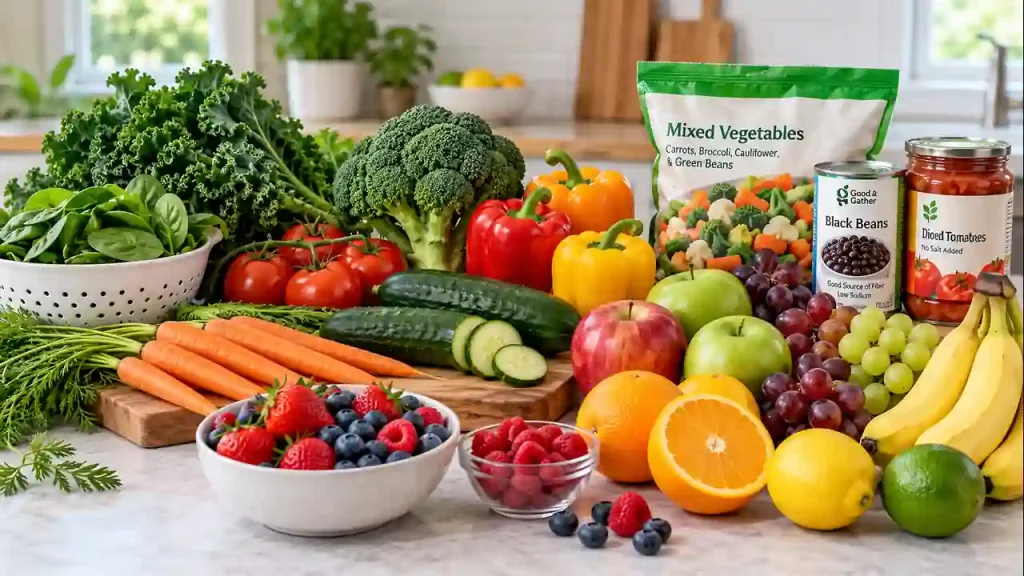
Vegetables and fruits provide fiber, vitamins, minerals, water, and beneficial plant compounds. Aim for variety rather than relying on the same few foods every day. Fresh, frozen, and canned produce can all fit into a balanced diet. When choosing packaged varieties, check the label for added sugars or excess sodium.
2. Protein Foods
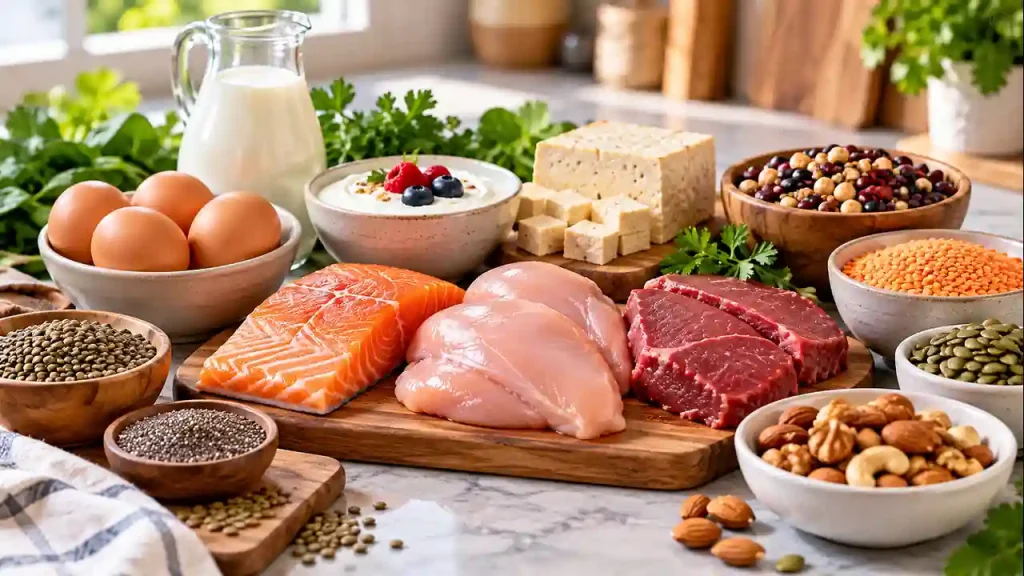
Protein supports muscle, tissue repair, enzymes, hormones, and many other body functions. Useful sources include eggs, fish, poultry, yogurt, tofu, beans, lentils, nuts, and seeds. Protein can also help meals feel satisfying. It has a higher thermic effect than carbohydrate or fat, but it should not be treated as a shortcut for burning calories. Our guide to ways to boost metabolism explains why muscle mass, physical activity, sleep, overall food intake, and other factors matter more than any single food.
3. Whole Grains and Other High-Fiber Carbohydrates
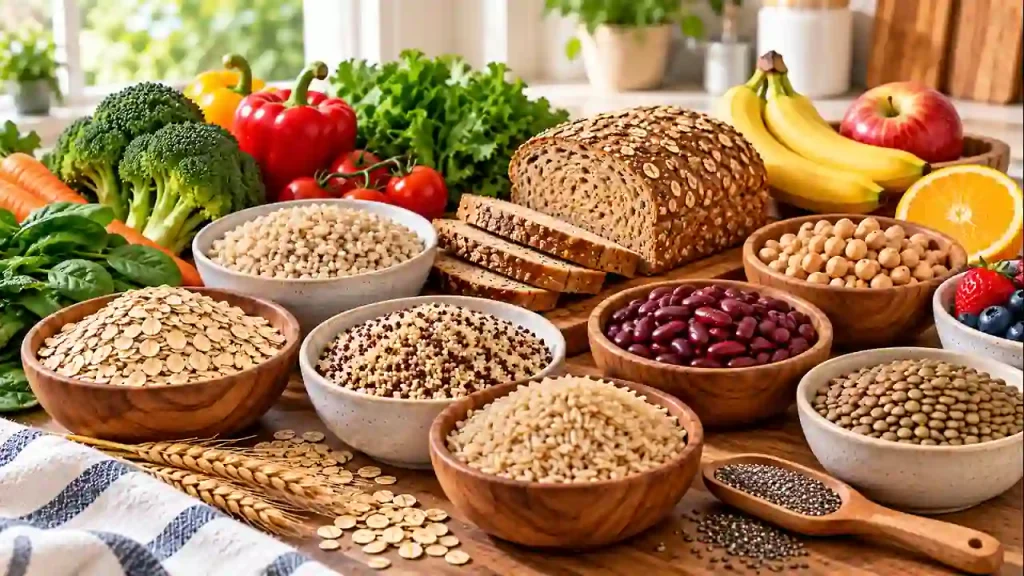
Carbohydrates are an important source of energy, but the type of carbohydrate matters. Oats, brown rice, barley, whole-grain bread, quinoa, beans, lentils, vegetables, and fruit provide carbohydrate along with fiber and other nutrients. Fiber supports digestive health and can help meals feel more satisfying. For practical food ideas, see our guide to fiber-rich foods.
4. Dairy or Fortified Alternatives
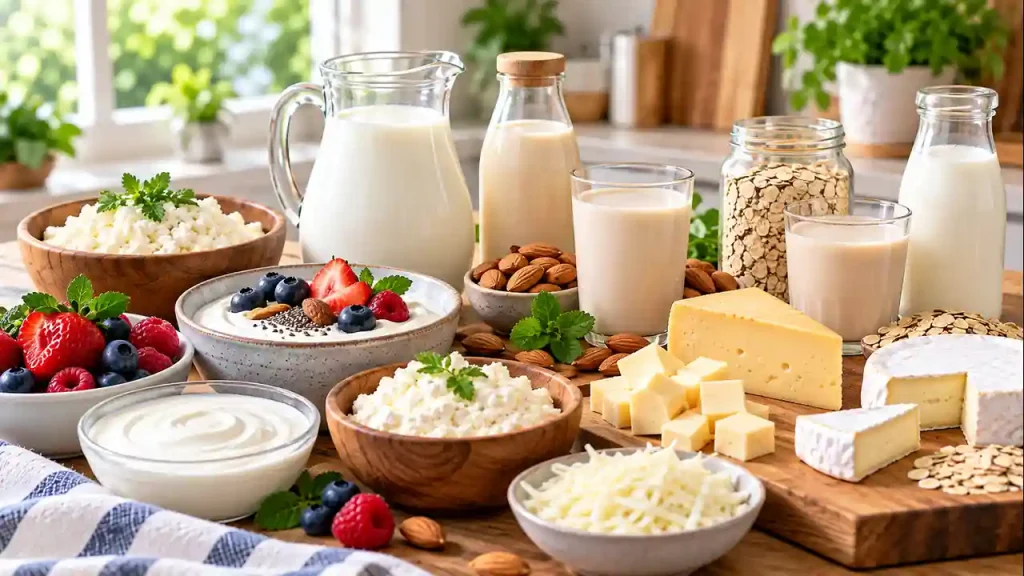
Milk, yogurt, and cheese can provide protein, calcium, vitamin B12, and other nutrients. Women who do not consume dairy can choose fortified alternatives, but products vary considerably. Check labels for calcium, vitamin D, vitamin B12, protein, added sugar, and sodium rather than assuming every plant-based drink is nutritionally similar to dairy milk.
5. Healthy Fats
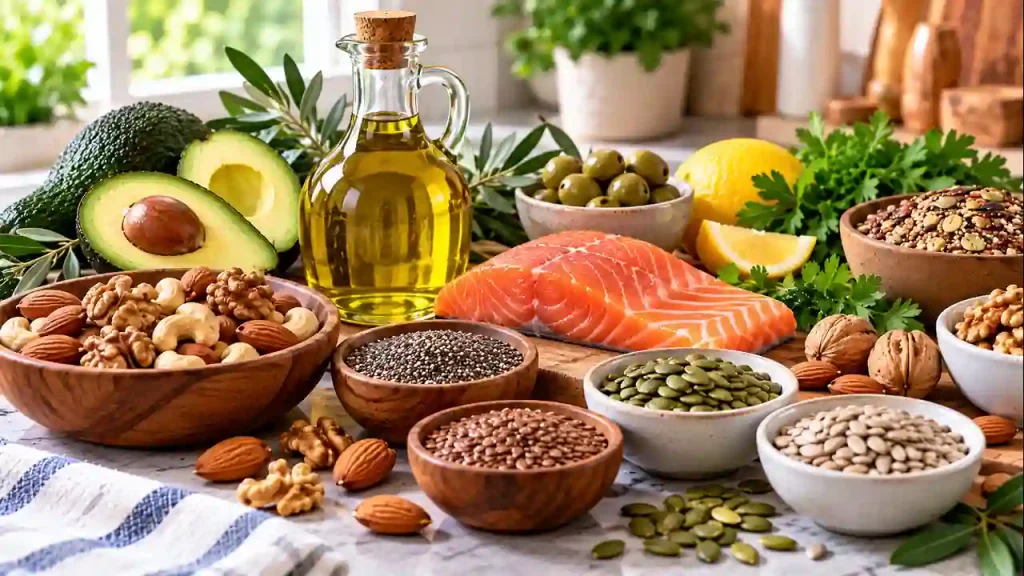
Fat is an essential part of the diet and does not need to be eliminated. Nuts, seeds, avocado, olive oil, canola oil, and oily fish provide mostly unsaturated fats. Because fats are energy-dense, portion size still matters, but replacing some sources of saturated fat with unsaturated fats can support a healthier overall eating pattern.
What Can a Day of Healthy Eating Look Like?
A practical healthy eating plan does not require eating at fixed times or following an identical menu every day. Some women feel best eating three meals, while others prefer meals plus one or two snacks. Appetite, work schedule, physical activity, medical needs, and personal preference should guide the pattern.
1. Breakfast
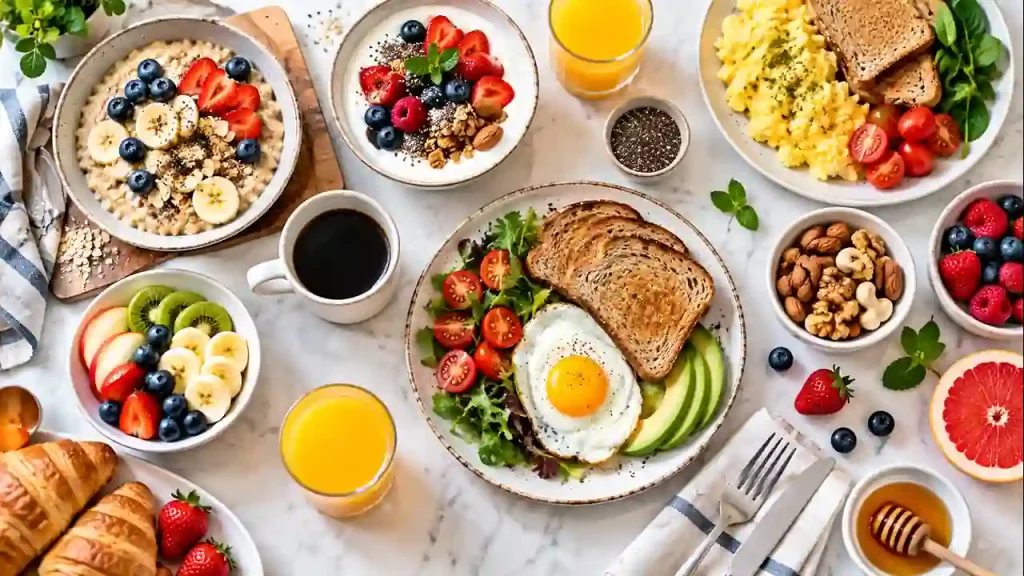
Breakfast can be useful, but it is not mandatory for everyone. If you enjoy eating in the morning or find that it helps your energy and appetite, build the meal around protein, fiber, and minimally processed foods. Examples include oatmeal with yogurt and berries, eggs with whole-grain toast and vegetables, or plain yogurt with fruit, nuts, and seeds. Skipping breakfast does not automatically slow metabolism or cause weight gain. The overall quality and amount of food eaten across the day matters more.
2. Snacks
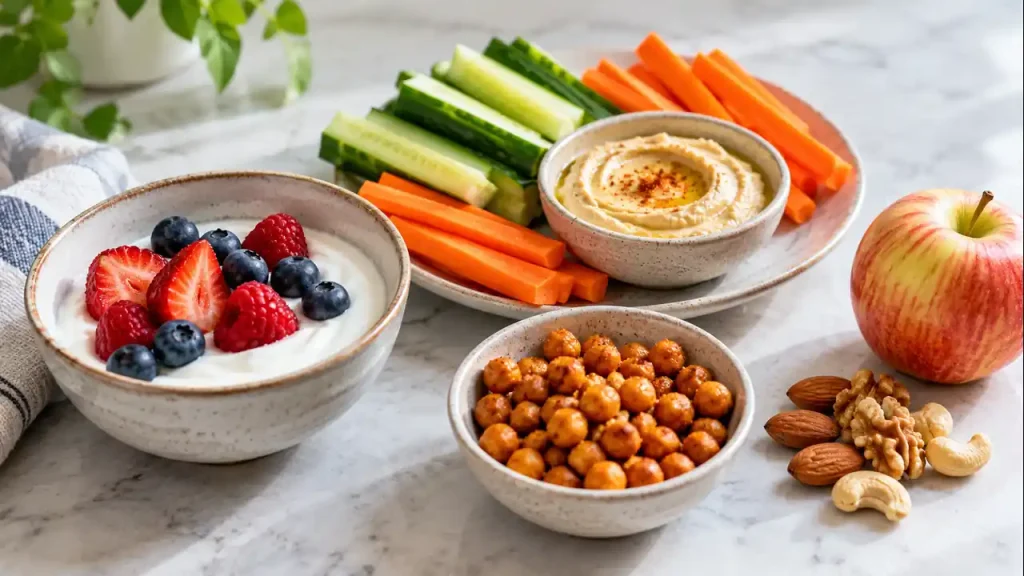
Snacks can help bridge a long gap between meals or contribute nutrients that may otherwise be missed, but they are not compulsory. Simple options include fruit with nuts, vegetables with hummus, plain yogurt, roasted chickpeas, or whole-grain crackers with a protein-rich topping.
3. Lunch
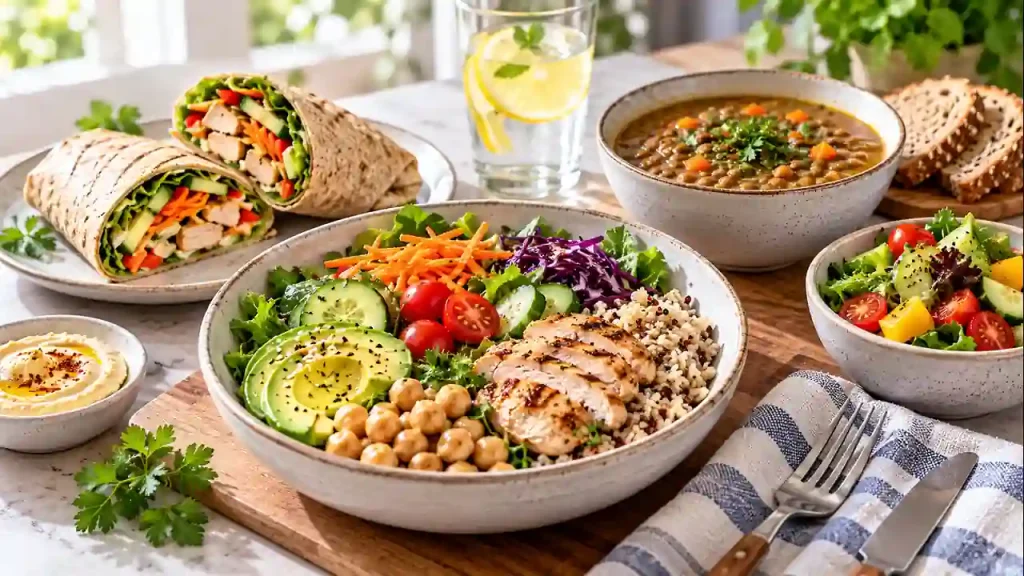
A balanced lunch can combine a high-fiber carbohydrate, protein, vegetables, and a source of healthy fat. For example, try a whole-grain wrap filled with chicken or tofu and vegetables, lentil soup with whole-grain bread, or brown rice with beans and a mixed vegetable salad.
4. Dinner
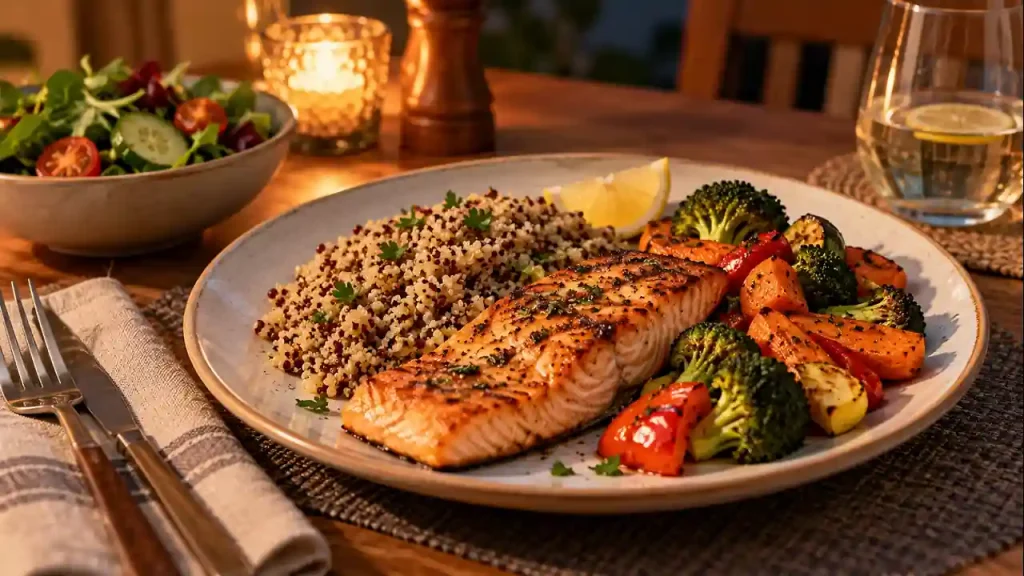
Dinner can follow the same basic structure. Include vegetables with fish, beans, lentils, poultry, tofu, or another protein source, along with whole grains or another fiber-rich carbohydrate. There is no need to eliminate carbohydrates simply because it is evening. Food quality, overall intake, and individual energy needs matter more than the time of day.
How Many Calories Does a Woman Need?

There is no universal calorie target for women. Energy requirements vary according to age, height, body weight, body composition, physical activity, pregnancy or breastfeeding status, and health conditions. A healthy eating plan should therefore not automatically prescribe 1,200, 1,500, or 1,800 calories to every woman.
Instead of relying on a generic number, consider hunger and fullness, activity level, weight trends, overall health, and personal goals. Women who are pregnant or breastfeeding, have a history of disordered eating, or are managing conditions such as diabetes or kidney disease may need individualized nutrition advice from a qualified healthcare professional or registered dietitian.
Key Nutrients Women Should Pay Attention To
Women do not require an entirely different diet from men, but certain nutrient priorities can change throughout life. The NIH Dietary Reference Intake resources provide recommendations that vary by factors including age, sex, and life stage.
| Life Stage | Nutrition Consideration |
| Menstruating years | Iron deserves particular attention because of menstrual blood loss |
| Pregnancy planning | Folate and folic acid become especially important |
| Pregnancy and breastfeeding | Energy and several nutrient needs change |
| After menopause | Calcium, vitamin D, protein, and overall energy balance become increasingly important |
1. Iron
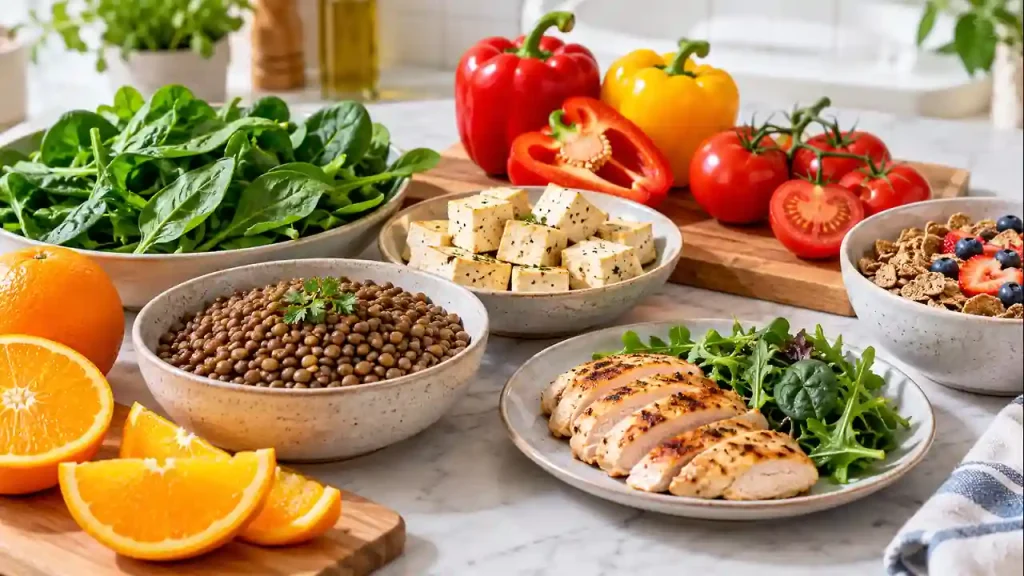
Iron is particularly important during menstruating years because regular blood loss increases requirements. Food sources include lean meat, poultry, seafood, lentils, beans, tofu, fortified cereals, and leafy greens. Pairing plant-based iron sources with vitamin C-rich foods such as citrus fruit, bell peppers, or tomatoes can help improve absorption.
2. Folate and Folic Acid

Folate occurs naturally in foods such as leafy greens, beans, peas, and citrus fruits. Folic acid is the form commonly used in fortified foods and supplements. It is especially important for women who could become pregnant because adequate folic acid before conception and during early pregnancy helps reduce the risk of neural tube defects.
3. Calcium and Vitamin D

Calcium and vitamin D play important roles in bone health. Dairy foods, fortified alternatives, calcium-set tofu, and some fish can contribute calcium, while vitamin D is found naturally in fewer foods and is often added to fortified products. These nutrients deserve particular attention as women age, especially after menopause.
4. Protein

Protein remains important throughout adulthood and helps preserve muscle as women get older, particularly when adequate protein intake is combined with resistance exercise. Rather than relying on one large serving at dinner, include protein-rich foods across different meals during the day.
Foods and Drinks to Limit Without Making Them “Forbidden”
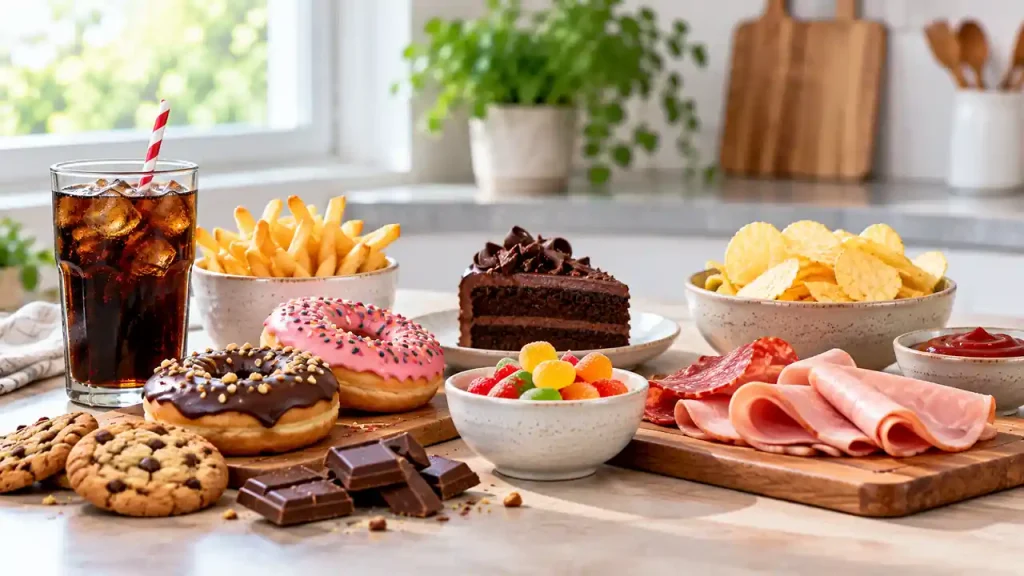
Healthy eating does not require a perfect diet. A better approach is to make nutrient-dense foods the foundation while limiting foods and drinks that provide large amounts of added sugar, sodium, or saturated fat with relatively little nutritional value.
Sugary beverages, sweets, pastries, processed meats, and many highly processed snack foods can still be enjoyed occasionally. Frequency, overall dietary pattern, and portion size matter more than labeling individual foods as “good” or “bad.” If you drink alcohol, drinking less is generally better for health. People who do not currently drink do not need to start for health reasons.
How to Eat Healthier When Dining Out
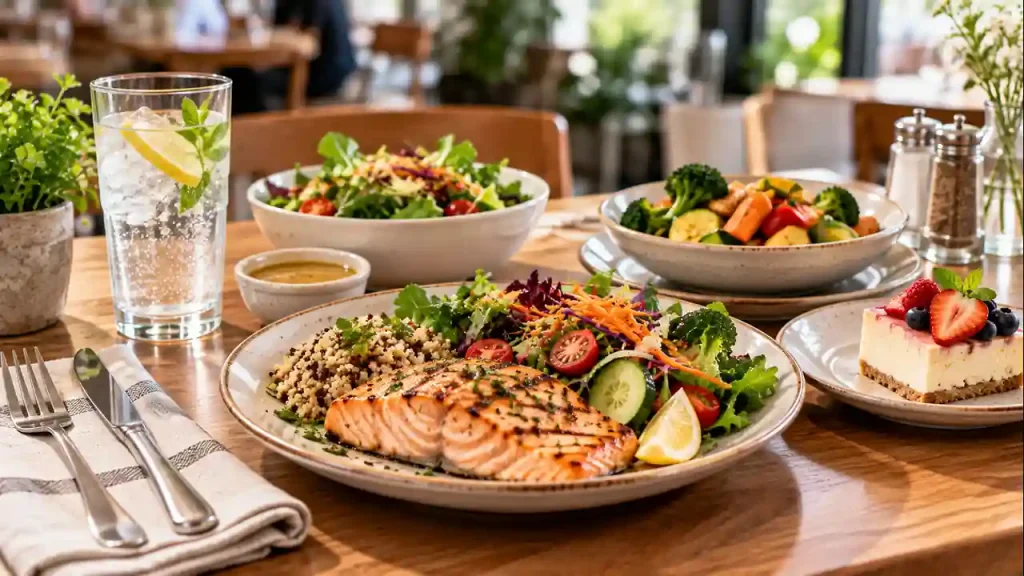
Eating at a restaurant does not ruin a balanced diet. Look for meals that include vegetables and a protein source, and choose grilled, roasted, baked, or steamed options when they appeal to you. Ask for dressings or rich sauces on the side if you want more control over the amount used.
Restaurant portions can also be larger than you need. You can share a dish, save part for later, or simply stop eating when comfortably full. Dessert can fit into a balanced pattern too; one meal does not determine the quality of your overall diet.
Smart Grocery Shopping Tips

A healthy eating plan becomes much easier when your kitchen contains ingredients that make balanced meals convenient. Build most shopping trips around vegetables, fruit, whole grains, beans or lentils, eggs, fish or other protein foods, yogurt or fortified alternatives, nuts, seeds, and healthy cooking oils.
When comparing packaged foods, read the nutrition label rather than relying only on front-of-package claims such as “natural,” “low fat,” or “healthy.” Check serving size, added sugars, sodium, saturated fat, fiber, and protein. A product does not need to be completely fat-free or sugar-free to fit into a balanced diet.
Simple changes can make meals more nutrient-dense without completely changing the foods you enjoy. Choose whole grains more often, add vegetables or beans to familiar dishes, use unsaturated oils in suitable recipes, and choose unsweetened or lower-sugar options when practical.
Final Thoughts
A healthy eating plan should support your health without making food stressful, restrictive, or unnecessarily complicated. Focus on variety, adequate protein and fiber, plenty of vegetables and fruits, quality carbohydrates, healthy fats, and foods that suit your culture, budget, preferences, and routine. Women’s nutritional needs can shift through menstruation, pregnancy, breastfeeding, menopause, and later life, so flexibility matters more than following one rigid menu. The most useful eating pattern is one that is nutritionally adequate, realistic, enjoyable, and sustainable enough to become part of everyday life.



Leave a Reply