

The causes of acne breakouts usually involve several factors working together. You might notice forehead bumps after changing a hair product or back breakouts beneath sportswear. Acne is not a sign of poor hygiene. It develops when oil and skin cells block hair follicles, with bacteria and inflammation contributing to different lesions. That distinction helps guide treatment.
What Actually Happens Inside an Acne-Prone Pore?
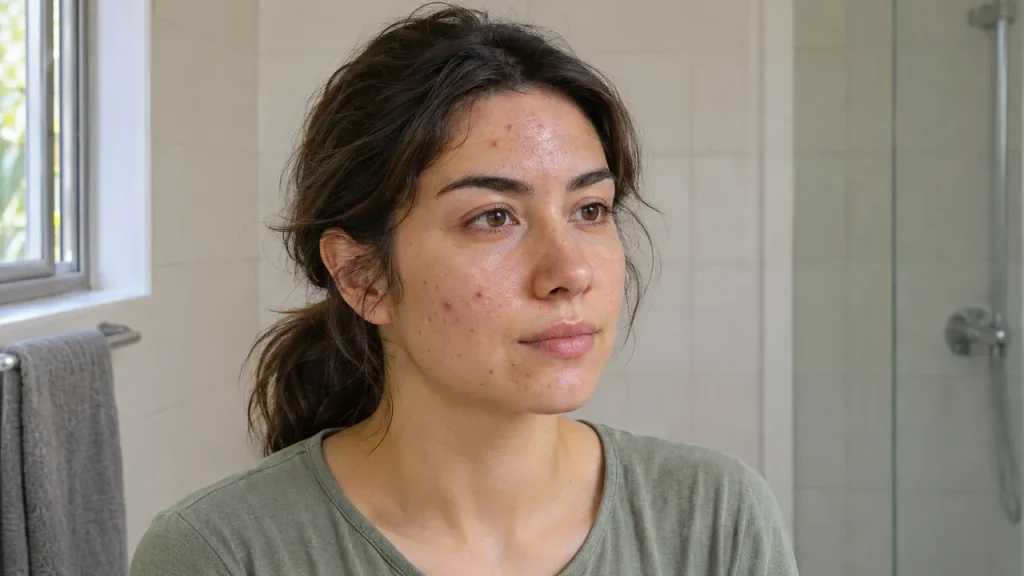
Each hair follicle is connected to an oil-producing sebaceous gland. Oil, called sebum, normally helps protect skin, while cells lining the follicle regularly shed. When oil and cells accumulate and block the opening, a whitehead or blackhead may form. Inflammation can lead to tender bumps or deeper lesions. Blackheads darken through exposure to air, not trapped dirt.
Understanding the mechanisms and risk factors behind acne explains why washing harder cannot simply remove the problem. Face, chest, shoulders, and back have many oil glands, so breakouts commonly appear there. Dark marks may persist after spots heal.
Nine Common Causes of Acne Breakouts and Flare-Ups
The nine factors include biological processes, inherited susceptibility, and habits that worsen existing spots. Not every item independently starts acne. That distinction can prevent unnecessary restrictions.
1. Excess Oil and Dead Skin Cells
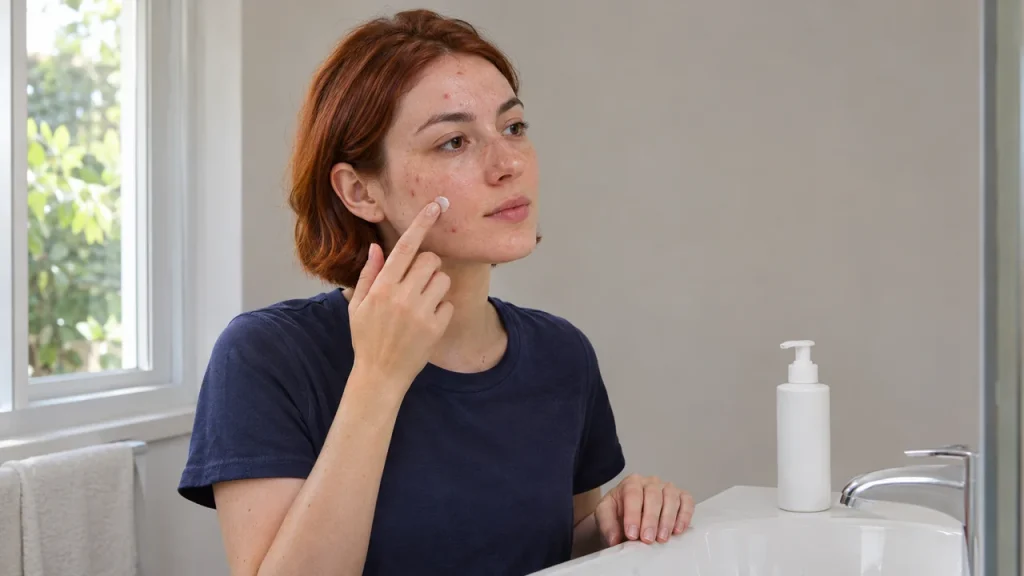
During puberty and other hormonal shifts, oil glands may produce more sebum. Cells inside follicles can also stick together rather than shedding normally. The resulting blockage forms a comedone—the medical term for a whitehead or blackhead. More oil does not mean that your skin is dirty, and repeatedly stripping it can make irritation worse.
If your skin feels tight after washing, use a gentler cleanser and suitable moisturizer. When comparing moisturizers and sunscreens for oily skin, choose comfortable, non-comedogenic formulas instead of products promising to eliminate natural oil.
2. Hormonal Changes and Certain Health Conditions

Androgens stimulate sebaceous glands in everyone. Breakouts commonly begin during puberty, but some adults notice changes around menstruation, pregnancy, stopping hormonal contraception, or perimenopause. A few pimples do not prove a hormonal disorder.
If acne develops alongside irregular periods, new coarse facial hair, or scalp hair thinning, ask a clinician whether assessment for polycystic ovary syndrome or another condition is appropriate.
Pregnancy changes treatment choices: avoid retinoids when pregnant or planning pregnancy and seek individualized advice rather than trying a new acne medicine yourself.
3. Skin Bacteria and Inflammation
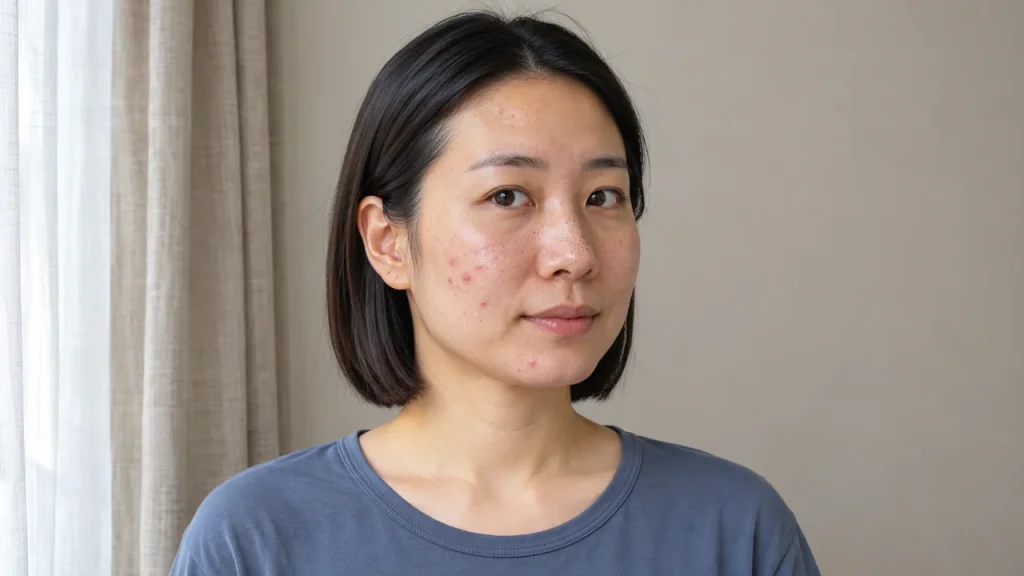
Cutibacterium acnes lives naturally on human skin. It is not a foreign germ that needs to be eradicated. Inside a blocked follicle, its interactions with oil and the immune system can contribute to inflammation. That helps explain why some lesions become red, sore, and swollen while others remain noninflamed blackheads or whiteheads.
An antibacterial wash cannot address every mechanism. Benzoyl peroxide is an evidence-based treatment, while topical retinoids help prevent blocked follicles. Combining products indiscriminately can irritate skin; select treatment according to severity, tolerance, and pregnancy considerations.
4. Family History and Individual Susceptibility

If close relatives experienced significant acne, your likelihood of developing it may be higher. Genetics influences several aspects of skin biology, including its response to hormones and inflammation. Scars are not inevitable.
This helps explain why two people can use similar makeup and eat similar meals yet experience different skin concerns. Acne breakouts therefore vary between individuals. Family history does not determine severity.
5. Makeup, Sunscreen, and Hair Products
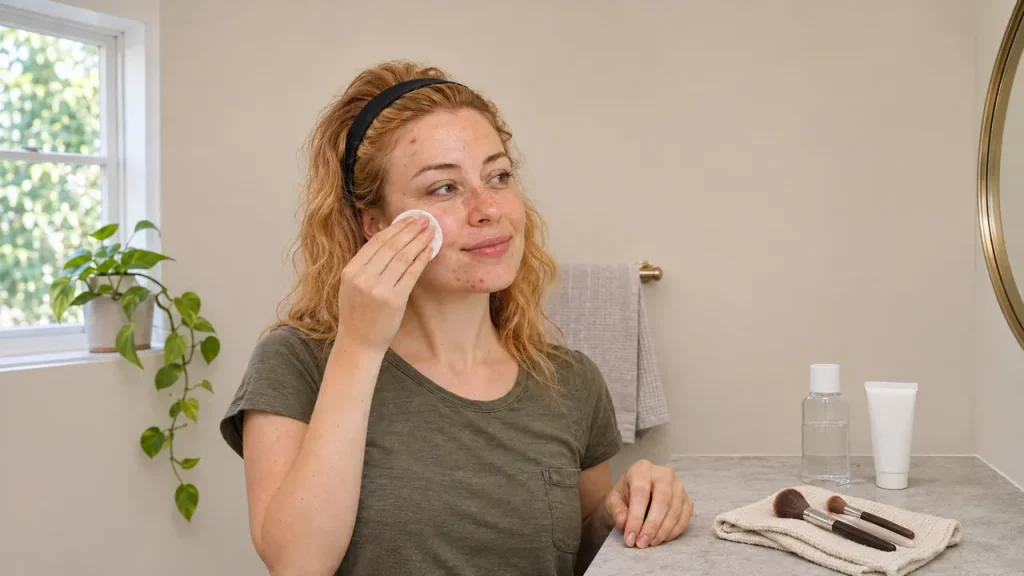
Some cosmetics and styling products can clog pores or aggravate acne-prone areas. Hairline bumps may coincide with pomades or new foundation. However, makeup itself is not forbidden. Labels such as “non-comedogenic” or “won’t clog pores” are useful clues, although no label guarantees zero breakouts.
Remove makeup gently at night; aggressive rubbing can irritate the skin. If you use applicators, clean makeup brushes regularly and avoid sharing them. When removing long-lasting makeup, choose a well-tolerated commercial remover rather than assuming homemade oils or scrubs suit acne-prone skin.
6. Friction, Sweat, Humidity, and Irritation
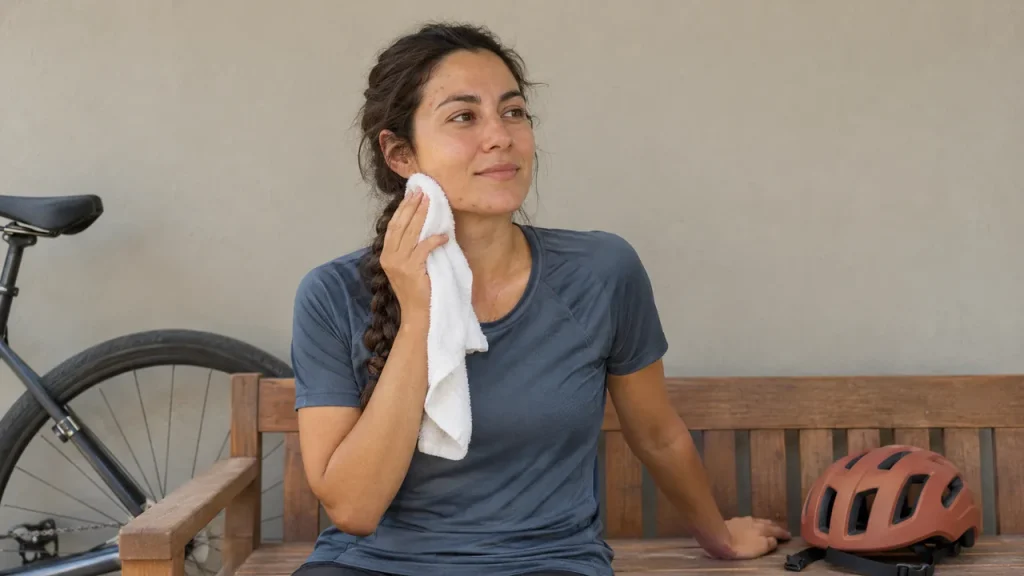
Helmets, chin straps, tight sportswear, and repeated rubbing can contribute to acne mechanica. Heat and trapped sweat may make it worse.
Picking or squeezing existing pimples adds another problem: increased inflammation and a greater risk of scarring or persistent dark marks, not an automatic progression to cystic acne.
Change damp clothes, shower gently after heavy sweating, and adjust equipment that rubs repeatedly. Pollution and humidity may affect flare-ups, but the evidence is less direct than for hormones and blocked follicles. Avoid scrubbing to remove imagined dirt from pores.
7. Stress, Sleep, and Existing Acne
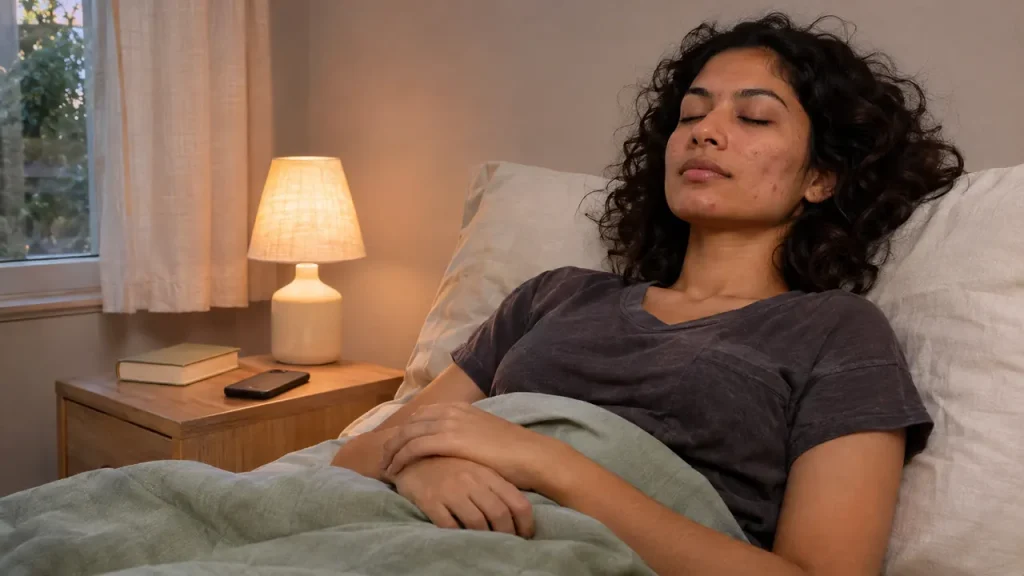
Stress may worsen existing acne; it is not established as an independent cause of acne in someone otherwise unaffected. More spots during stressful weeks do not identify a specific cause.
Sleep and stress management can support well-being without promising clear skin. Consider realistic sleep and stress habits alongside appropriate medical care. Treating stress is worthwhile even when it does not change your breakouts.
8. Medicines and Certain Supplements

Corticosteroids, lithium, and certain hormone-related medicines can trigger acne or acne-like eruptions. High-dose vitamin B12 supplements have occasionally been associated with acneiform eruptions; ordinary vitamin intake is not a universal cause. New drug-related rashes need assessment.
Write down prescription medicines, supplements, and recent changes if a breakout begins unexpectedly. Do not stop prescribed medicine on your own. Ask the prescriber whether timing and symptoms suggest a medication effect and whether alternatives are appropriate. Avoid high-dose vitamin A for acne.
9. Food Patterns and Individual Responses

Research suggests that high-glycemic diets may worsen acne for some people; cow’s milk has also been associated with breakouts in certain studies. Associations do not establish universal food triggers. Chocolate, nuts, or fried food should not automatically be blamed, and severe dietary restriction is not a substitute for treatment.
The evidence connecting diet and acne remains mixed. If you notice a consistent association, keep a simple record rather than eliminating several food groups. Consult a qualified professional before major dietary changes, particularly when nutrition is already a concern.
What Your Breakout Location Can and Cannot Tell You
The causes of acne breakouts cannot be diagnosed with a face map. Location can prompt useful questions about products, friction, or timing, but it does not identify an organ problem or establish a hormonal diagnosis.
| Where you notice spots | Possible clue | Practical next step |
| Hairline or forehead | Hair products, oily residue | Review styling products |
| Chin or jaw | Possible hormonal pattern | Track timing and other symptoms |
| Back or shoulders | Sweat and clothing friction | Change damp clothes; reduce rubbing |
| Cheeks | Cosmetics or recurring irritation | Review products and cleaning habits |
Persistent itchy bumps, especially if they are similar in size, may represent folliculitis or another condition. A dermatologist can distinguish these from acne when the pattern or treatment response is unclear.
A Simple Routine That Avoids Common Mistakes
You do not need an elaborate ten-step routine to manage the causes of acne breakouts. Steady, gentle care and correctly chosen treatments usually matter more than combining multiple strong ingredients.
- Morning: Cleanse gently, moisturize if needed, and use broad-spectrum SPF 30 or higher on exposed skin.
- Evening: Remove cosmetics, wash gently, and apply moisturizer. If using an acne medicine, follow its instructions.
- Treatment: Benzoyl peroxide, adapalene, or other evidence-based medicines may be options depending on the acne and local availability. Introduce treatments cautiously; avoid retinoids during pregnancy or when planning pregnancy.
- Avoid: Popping, harsh scrubs, repeatedly washing throughout the day, and stacking exfoliating masks with strong acne treatments.
Using face masks according to skin type may help avoid unnecessary irritation. Masks are optional, not a substitute for treatment. Treatment may take six to eight weeks to show improvement. Changing products frequently makes results hard to judge. Continue appropriate sun protection.
When Should You See a Dermatologist?
Painful deep nodules, emerging scars, persistent dark marks, extensive acne, or uncertainty about the diagnosis justify dermatology advice. So do symptoms that cause significant distress, regardless of the number of spots. Seek assessment if an appropriate treatment trial has failed. Sudden severe painful eruptions with fever or feeling unwell require urgent medical evaluation.
Current clinical acne-management recommendations support tailored care and referral for scarring, persistent pigment changes, failed treatment, or significant distress. Depending on the diagnosis, clinicians may consider combination topical therapies, selected hormonal medicines, or specialist treatments. Pregnancy, other conditions, and side effects affect the choice.
Frequently Asked Questions
The causes of acne breakouts differ between people. These answers address misconceptions that can lead to overly harsh routines or delayed treatment.
1. Can Dirty Skin Cause Acne?
Acne is not caused simply by poor hygiene. Overwashing and scrubbing can irritate skin and worsen the problem. Wash gently rather than trying to scrub pores completely clean.
2. Does Popping Pimples Cause Cystic Acne?
Picking can worsen inflammation and increase the risk of scars and post-inflammatory dark marks. It does not automatically turn every pimple into cystic acne. Deep, painful lesions deserve assessment.
3. Can Acne Be Cured by Changing Diet Alone?
Not reliably. Food may affect some people’s breakouts, but acne often requires appropriate skincare or medical treatment. Avoid blaming yourself for every meal.
Final Thoughts
Understanding the causes of acne breakouts means distinguishing blocked follicles, hormones, genetics, and inflammation from triggers that can worsen spots. You do not need to eliminate natural skin oil, all makeup, or entire food groups. Start with gentle care, watch for consistent patterns, and seek help early for painful lesions, scarring, lasting marks, or distress. Effective treatment exists, even when simple skincare is not enough.



Leave a Reply