


Wondering when to start using stretch mark cream during pregnancy? You can moisturize your belly from the first trimester or whenever your skin feels dry or tight. There is no medically proven starting week for preventing stretch marks, and applying an expensive cream early cannot guarantee a mark-free pregnancy. Comfort is the goal.
Quick answer: Start a gentle, pregnancy-appropriate moisturizer whenever you like, including early pregnancy. Apply after bathing or when dryness returns. Dedicated belly creams are optional, and research has not established that they prevent stretch marks. Choose products by ingredients, scent, texture, and tolerability rather than prevention promises.
When Should You Start Moisturizing Your Belly?
If you’re deciding when to start using stretch mark cream during pregnancy, there is no need to wait until month four. Use an ordinary body moisturizer if its ingredients are appropriate and it works for you. You can apply it to the abdomen, hips, thighs and breasts, avoiding nipples if breastfeeding and following product directions. Morning versus nighttime application has no established preventive advantage. Neither firm massage nor applying several layers has been shown to stop marks from forming. Gentle application can make dry skin feel better; more pressure is not better.
A Cochrane review of six trials involving 800 women found no high-quality evidence that the topical preparations examined prevented pregnancy stretch marks. The studies were relatively small and did not test every product sold today. The fair conclusion is that prevention claims remain unproven—not that moisturizer has no value for comfort.
What Causes Stretch Marks in Pregnancy?
Stretch marks, medically called striae gravidarum, develop as deeper skin structures change during growth and hormonal shifts. They can begin as pink, red, purple, or brown streaks, depending on skin tone, then fade over time. The abdomen, breasts, hips, and thighs are common areas. Genetics and individual skin characteristics influence who develops them. Stretch marks are extremely common and usually harmless. They are not evidence that you failed to moisturize, ate the wrong foods, or gained pregnancy weight irresponsibly. Follow pregnancy weight-gain guidance from your maternity team rather than restricting food to protect your appearance. A varied, healthy eating plan supports general health, not guaranteed stretch mark prevention.
8 Pregnancy Stretch Mark Creams and Moisturizers Compared
These eight current options suit different preferences: maternity creams, a gentle oil, affordable lotions, and barrier-care products for sensitive or very dry skin. They are compared for moisturizing ingredients and usability, not ranked by proven stretch-mark prevention. Check regional labels before buying.
1. Mustela Stretch Marks Cream, Fragrance-Free
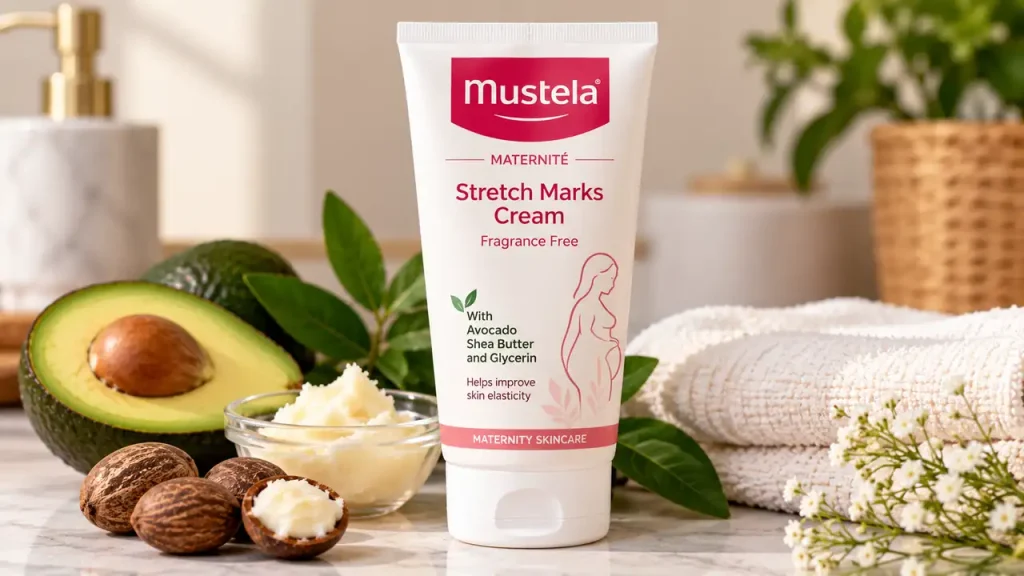
Best fit: Someone wanting a maternity-specific cream without added fragrance.
Mustela lists glycerin, shea butter, and avocado-derived ingredients in this formula. Its cream texture may appeal if you dislike a greasy finish. The manufacturer’s prevention-related statements are product marketing, not proof that it outperforms a basic moisturizer. Even fragrance-free products may cause individual irritation, so check the label if you have allergies.
2. Aveeno Skin Relief Moisturizing Lotion
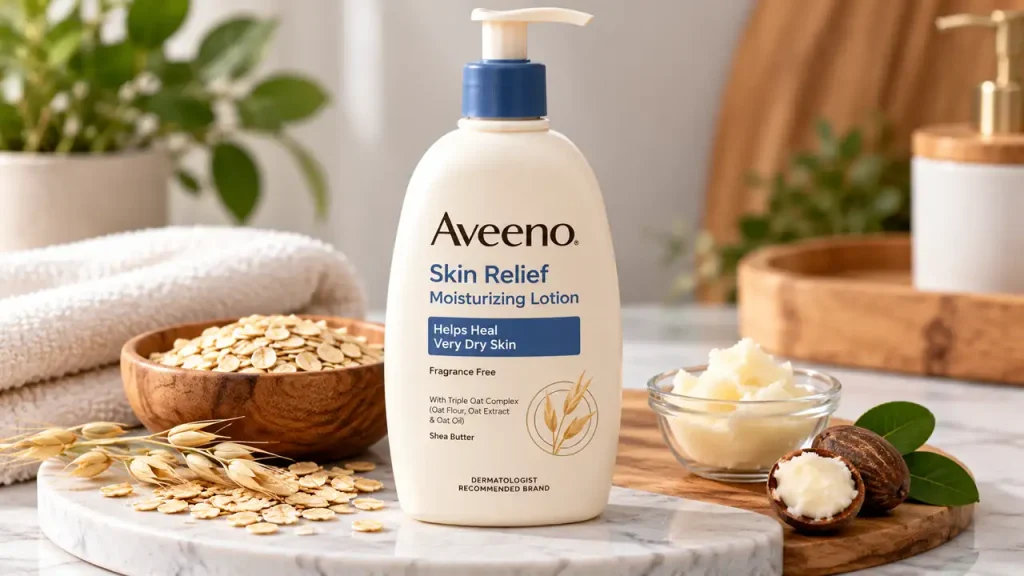
Best fit: Someone with dry, easily irritated skin who wants fragrance-free everyday hydration.
Aveeno Skin Relief combines oat flour, oat extract, oat oil, and shea butter in a spreadable lotion. It provides a useful alternative to botanical belly butters containing aromatic essential oils. Its relatively comfortable texture may suit application over the abdomen and thighs. Check for individual oat sensitivities, and remember that soothing dryness does not mean preventing deeper stretch marks.
3. Burt’s Bees Mama Belly Butter
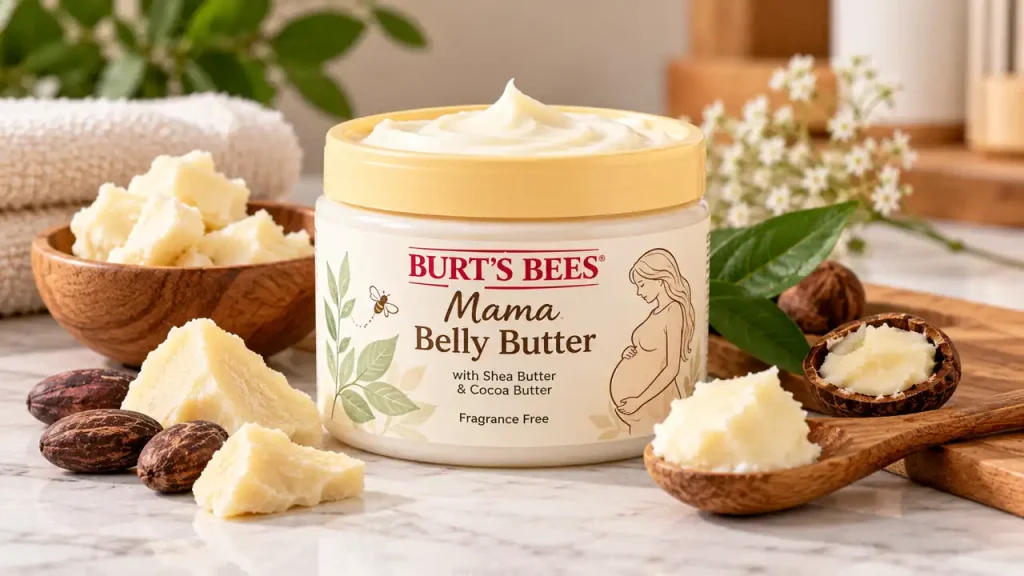
Best fit: Someone who prefers a rich, fragrance-free body butter.
Burt’s Bees markets this pregnancy butter for keeping stretching skin soft and comfortable. The formula uses moisturizing ingredients such as cocoa and shea butters. It may feel heavier than a regular lotion, especially in warm weather. The words ‘natural’ and ‘Mama’ are not substitutes for checking allergens and the complete ingredients in your jar.
4. La Roche-Posay Lipikar AP+MAX Triple Repair Moisturizing Cream
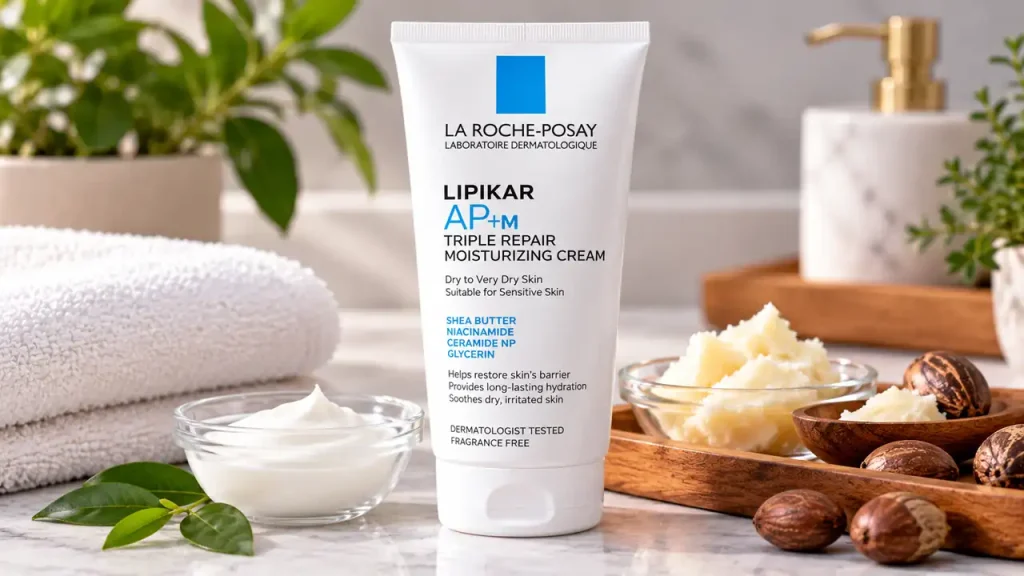
Best fit: Very dry skin that needs a richer barrier-supporting moisturizer.
Lipikar AP+MAX includes shea butter, glycerin, niacinamide, and ceramide NP. Its role is caring for dry, uncomfortable skin rather than specifically treating stretch marks. Compared with a simple butter, it offers a different moisturizer formulation; that does not prove superior prevention. Check the local label because older Lipikar versions remain available.
5. Palmer’s Cocoa Butter Massage Lotion for Stretch Marks
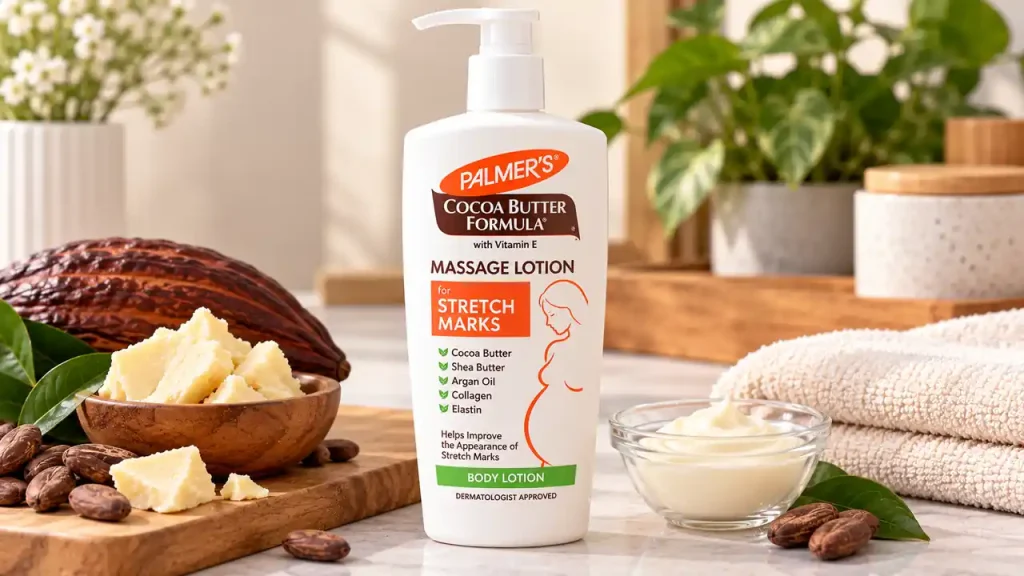
Best fit: Someone wanting a familiar lotion texture for larger areas.
Palmer’s offers a spreadable cocoa-butter lotion with additional conditioning ingredients. It may be easier to apply over the thighs and abdomen than a solid butter. Packaging and formulas can vary by market, so compare the current ingredient list and cost per volume. Its stretch-mark branding does not mean it can prevent changes in the dermis.
6. Mustela Stretch Marks Oil
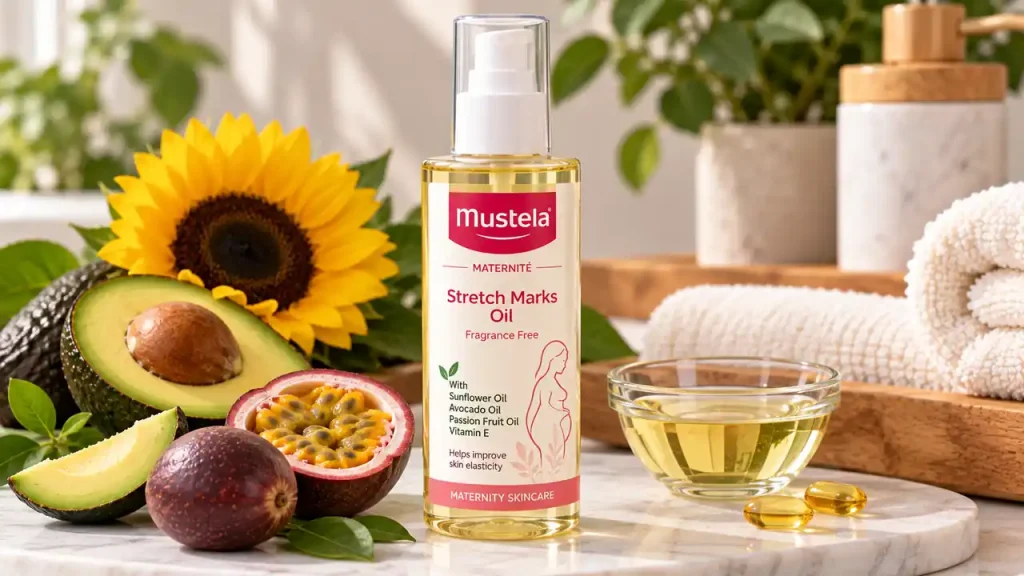
Best fit: Someone who prefers oil to a cream.
Mustela lists sunflower, avocado, and passion-fruit oils plus vitamin E in its fragrance-free stretch-mark oil. Unlike a thick butter, an oil leaves a different finish and can be used sparingly on dry areas. It offers another texture choice, not a medically proven preventive advantage over its cream or a conventional body lotion.
7. CeraVe Moisturizing Cream
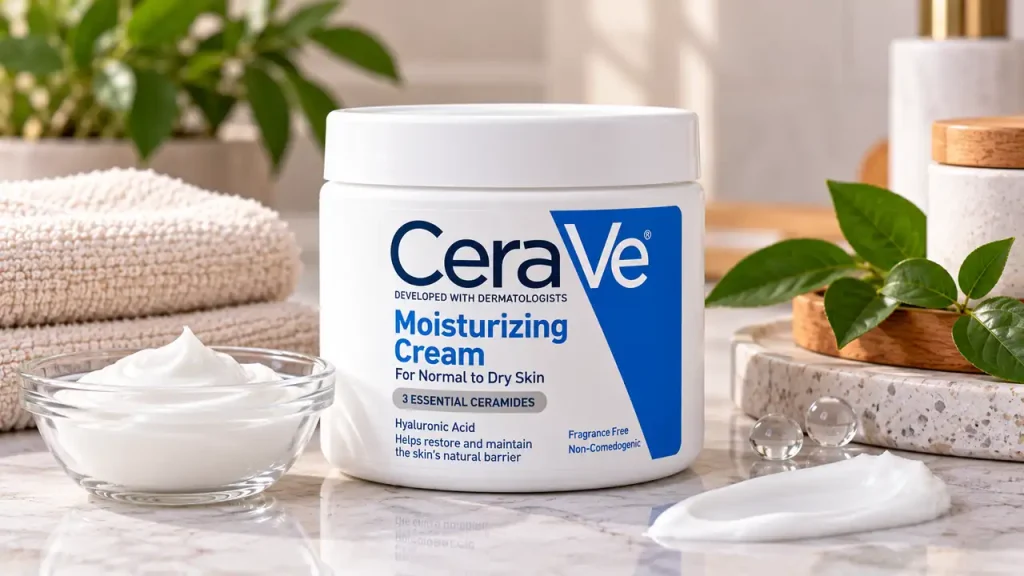
Best fit: Dry skin needing a fragrance-free, non-maternity-specific cream.
CeraVe’s body moisturizer contains ceramides, hyaluronic acid, petrolatum, and dimethicone to support the skin’s moisture barrier. It is not marketed specifically for pregnancy stretch marks, which is precisely the point: a standard moisturizing cream can address dryness without making unrealistic prevention promises. Confirm that the version purchased is the plain Moisturizing Cream, not a treatment containing other active ingredients.
8. Vanicream Moisturizing Cream
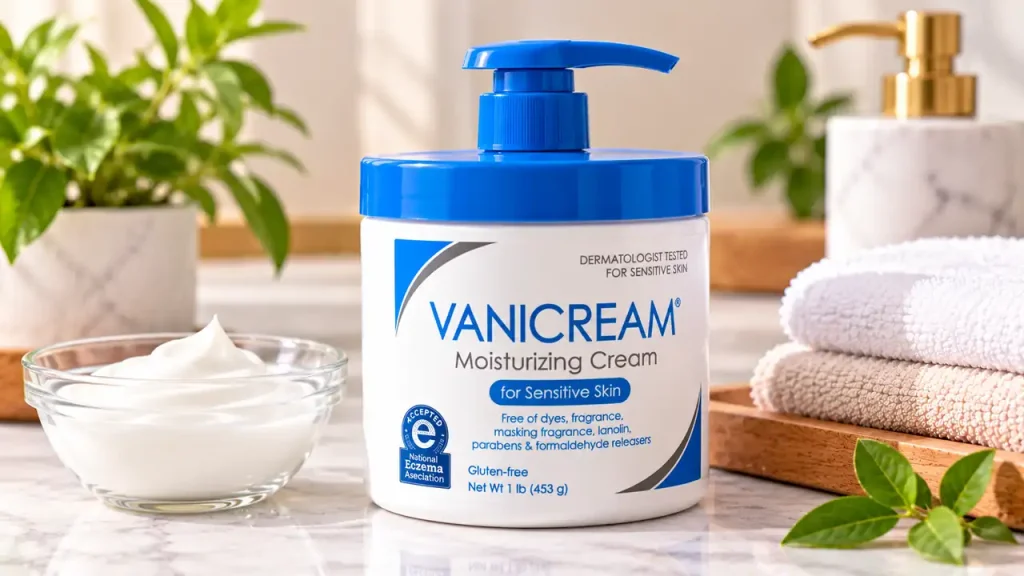
Best fit: People trying to minimize fragrance and botanical ingredients.
Vanicream’s moisturizing cream has a comparatively simple ingredient list and contains no botanical extracts or essential oils in its listed formula. It may appeal to fragrance-sensitive readers. Like any cosmetic, it can still cause reactions in some users. Neither its simplicity nor its price demonstrates that it prevents stretch marks; choose it for moisture and tolerability.
How to Choose and Apply a Belly Moisturizer

For anyone researching when to start using stretch mark cream during pregnancy, choosing an uncomplicated formula is more useful than buying according to an advertised prevention percentage. Look for glycerin, petrolatum, or other suitable moisturizing ingredients. Fragrance-free options may be easier for sensitive skin, but no formula suits everyone. Apply a thin, comfortable layer after a lukewarm shower, gently patting skin dry first. Reapply whenever dryness returns. Avoid vigorously rubbing tender areas, putting ordinary lotions onto broken skin, or applying products to a fresh cesarean incision. If breastfeeding, avoid leaving cosmetic residue on areas the baby may contact during feeding.
Try a small amount on intact skin first and stop if a rash, burning or swelling occurs. Retinoid treatments should be avoided during pregnancy unless your clinician gives specific advice. Avoid assuming that essential oils are automatically safer or that every preservative is dangerous. The underlying marks may fade after delivery but often remain visible. Our guides explain whether stretch marks fade with weight loss and what aloe vera can realistically do for stretch marks. Neither approach has been established as a pregnancy prevention treatment.
When Pregnancy Itching Needs Medical Advice
Mild itching around stretching, dry skin is common. But intense itching, particularly on the palms or soles or worse at night, needs urgent contact with your maternity team. The NHS guidance on itching in pregnancy explains that intrahepatic cholestasis of pregnancy can require testing and treatment. Cream cannot diagnose or treat it. Seek advice about persistent new rashes or blistering as well.
Frequently Asked Questions
1. Is the First Trimester Too Early for Belly Butter?
No. A suitable simple moisturizer can be used whenever you want. There is no evidence-based need to wait for your bump to show or to purchase a separate maternity product. If you wonder when to start using stretch mark cream during pregnancy at 30 weeks, starting then is fine.
2. Can Creams Completely Prevent Stretch Marks?
No cream has convincing independent evidence of complete prevention. Hydration may make the skin surface feel softer without stopping the bigger changes that create marks.
3. Is an Expensive Pregnancy Cream Better Than a Regular Moisturizer?
Not necessarily. CeraVe, Vanicream, and Aveeno can address everyday dryness without maternity-specific branding. Choose texture and tolerability over advertising; no option in this list has proven superior stretch-mark prevention.
Final Thoughts
Knowing when to start using stretch mark cream during pregnancy should make skincare simpler, not more stressful. Moisturize whenever it makes you comfortable, compare labels carefully and treat prevention promises skeptically. Pregnancy stretch marks are common, and developing them does not mean you made a mistake. A supportive routine is one that fits your skin, budget and maternity-care advice.



Leave a Reply