


A family can include people connected by blood, marriage, adoption, commitment, or chosen bonds. What matters most is the care, support, and responsibility they share. We often recognize family before we define it—in the people we turn to during hard times, those who know our history, and those whose support remains dependable. Formal definitions may focus on legal or biological ties, while everyday understandings can also include relationships built through lasting care and commitment. At its healthiest, family creates belonging through sustained care, responsibility, trust, and connection. The true meaning of family lies in trust, emotional safety, and mutual respect. These qualities turn a household into a supportive home.
Quick Answer: The true meaning of family extends beyond blood relationships. Family can begin through birth, marriage, adoption, legal responsibility, or chosen bonds. What makes those relationships meaningful is lasting care, mutual responsibility, emotional support, belonging, and commitment. For example, healthy families can take many forms. These include nuclear, extended, single-parent, blended, adoptive, foster, co-parenting, multigenerational, transnational, and chosen families.
What Is the True Meaning of Family?
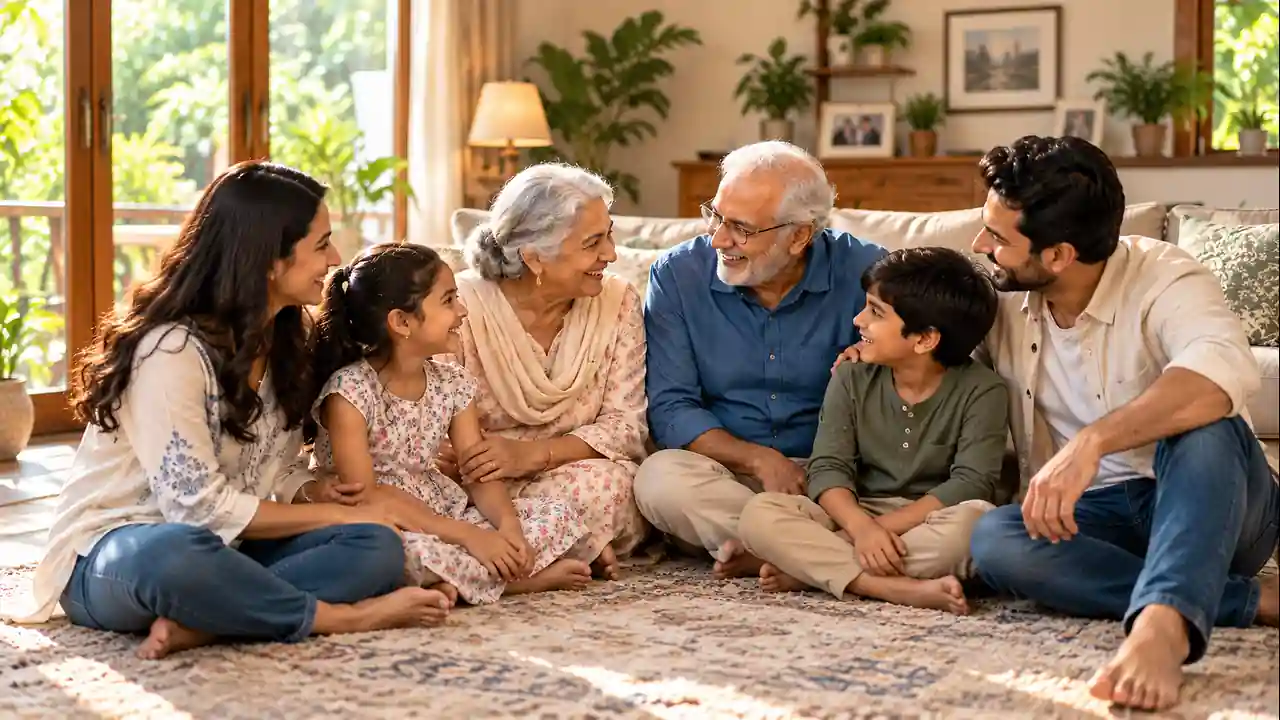
To understand family fully, it helps to distinguish between its legal structure, its biological roots, and its emotional reality. The American Academy of Family Physicians similarly defines family through continuing legal, genetic, and/or emotional relationships:
- Structural and Legal Definition: Formal definitions of family vary by institution and purpose. Governmental and legal frameworks may identify family through relationships such as birth, marriage, adoption, guardianship, or other legally recognized responsibilities.
- Biological Connection: Shared ancestry and genealogy that provide a genetic heritage and familial history.
- Emotional and Social Reality: Family can also mean relatives, close friends, or long-term mentors who consistently provide care, shared responsibility, and emotional support.
In everyday life, family often means the people who accept you, respect your individuality, and share responsibility with you. For some, that also includes close friends, mentors, partners, or community members who become family through lasting care and commitment. The true meaning of family comes down to dependable support, emotional safety, and encouragement through different stages of life.
What Makes Someone Family Beyond Blood?
What makes someone family if you aren’t related to them? The essence of kinship extends beyond genetics to the loyalty, responsibility, trust, and care people consistently show one another. Belonging to a supportive circle fulfills a fundamental human need, and biological ties and chosen bonds are not competitors—both represent valid forms of connection that can exist simultaneously.
- Biological Family: The roots, shared heritage, and early environment that shape your background and history.
- Chosen Family: Intentional relationships built with close friends, partners, or community members based on reciprocal trust, emotional safety, care, and long-term commitment.
Why Is Family Important?
A family is defined not only by who belongs to it but also by the critical functions it serves throughout life. Research on family relationships and well-being shows that family connections can be consequential for emotional, social, and physical well-being across the life course:
- Emotional Security and Belonging: Provides a reliable space where individuals feel accepted, valued, and safe, reinforcing the power of expressing genuine family love through everyday support.
- Practical and Economic Support: Offers practical assistance during illness, financial strain, childcare needs, and aging transitions.
- Identity, Culture, and Heritage: Preserves cultural traditions, values, memories, and generational knowledge that anchor a person’s sense of self.
- Social and Behavioral Development: Serves as one of the earliest and most influential environments where individuals learn communication, cooperation, empathy, and constructive conflict resolution.
- Resilience During Crises: Offers a dependable safety net that cushions individuals against sudden loss, major life transitions, and grief.
- Generational Continuity: Connects past, present, and future generations, maintaining a shared thread of belonging across lifetimes.
Modern Family Dynamics: How Family Structures Have Evolved
Contemporary households reflect diverse configurations that extend beyond the traditional nuclear model. Understanding how these structural roles interact helps us make sense of complex family dynamics and how they shape our daily lives.
| Family Type | What It Typically Means |
| Nuclear Family | Two parents and their children forming an immediate family unit, often within one household. |
| Extended / Multigenerational | Multiple generations or relatives beyond parents and children who maintain close familial ties and may share caregiving, resources, or living arrangements. |
| Blended / Stepfamily | Partners forming a household that includes children from previous relationships. |
| Single-Parent Family | One primary parent or caregiver managing guidance, household responsibilities, and everyday care. |
| Adoptive Family | A permanent, legal parent-child relationship established through formal adoption. |
| Foster Family | Caregivers providing temporary or transitional care to children unable to live with their birth families. |
| Co-Parenting Setup | Separated, divorced, or non-partnered parents collaborating across separate homes to raise children. |
| Chosen Family | Intentional support networks formed through deep emotional ties, mutual care, and reciprocal commitment. |
| Transnational / Long-Distance | Family members living across national borders while maintaining emotional, caregiving, cultural, or financial ties. |
The Psychological Importance of Strong Family Bonds
Consistent, supportive relationships play an important role in psychological well-being across the lifespan. Research from the Harvard Center on the Developing Child shows that responsive interactions with caring adults play an important role in shaping early brain architecture and supporting healthy development. Furthermore, positive social connection and supportive relationships serve as an essential protective buffer, helping individuals manage stress and build emotional resilience throughout life.
However, the impact of family ties depends significantly on relationship quality. Chronic social isolation and unstable relationships can negatively affect emotional well-being, while dependable social support provides the safety net needed to cope with difficult transitions. Healthy families are not defined by the absence of conflict; rather, they are relationships where members navigate disagreements with mutual respect, personal accountability, and emotional safety—in contrast with dysfunctional family patterns that can contribute to chronic conflict, mistrust, or resentment.
What Does It Mean to Be Family-Oriented?
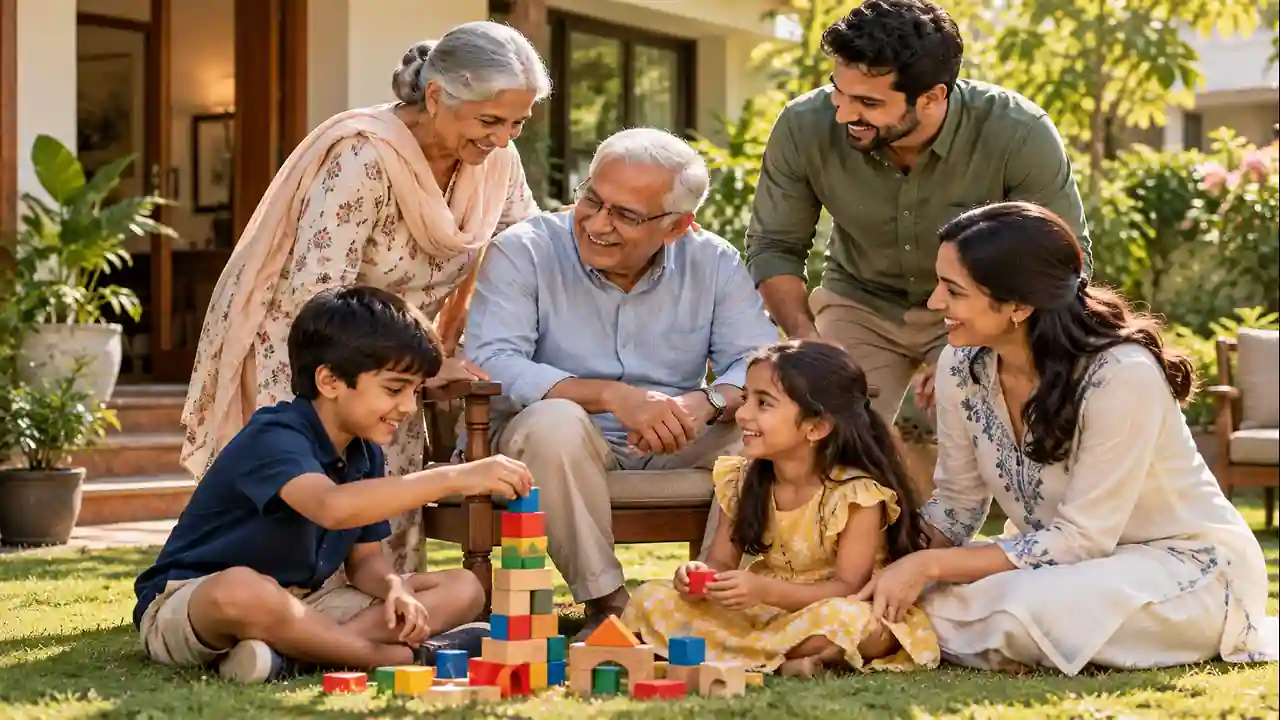
Being family-oriented does not mean sacrificing personal boundaries or abandoning individual aspirations. Instead, it represents an intentional commitment to prioritize and nurture your core relationships.
| Dimension | Unhealthy Extreme | Healthy Family-Oriented Approach |
| Independence | Sacrificing either all personal autonomy or all family connection | Balancing individual goals and personal space with strong emotional ties |
| Support System | One-sided sacrifice where individual needs are ignored | Mutual give-and-take, active listening, and reciprocal care among all members |
| Boundaries | Rigid emotional distance or complete enmeshment and intrusion | Clear, respectful communication, emotional safety, and mutual understanding |
Cultivating this mindset relies on simple, consistent habits and offers clear benefits:
- Reliable Emotional Security: Provides a dependable buffer against loneliness and everyday stress.
- Reciprocal Support: Ensures balanced give-and-take, where every member’s needs are heard and respected.
- Lifelong Resilience: Fosters a grounded sense of belonging that helps navigate major life transitions.
How Does Family Affect Children and Teenagers?

Family relationships are a major influence on development, serving distinct yet important roles across childhood and adolescence:
In Childhood
During early years, family serves as the primary foundation for development:
- Emotional Security & Attachment: Safe, dependable caregiving helps young children form secure attachments, fostering confidence to explore the world.
- Social and Language Learning: Children learn communication, emotional regulation, and social norms through everyday interactions with parents, caregivers, siblings, and other important people.
- Core Values: Early family environments introduce moral reasoning, empathy, and cultural traditions that form a child’s initial worldview.
In Adolescence
As youth transition into teenage years, family dynamics naturally shift from direct management to guided support:
- Stability Amid Social Pressures: As adolescents rely more on peers for belonging and identity, supportive family relationships can provide stability, perspective, and emotional safety during difficult social pressures.
- Guiding Independence (Mentoring Over Controlling): As teenagers seek autonomy, applying positive parenting tips creates room for them to learn from mistakes within healthy, consistent boundaries.
6 Practical Ways to Strengthen Family Relationships
Strong relationships don’t just happen on their own; they require daily effort, patience, and mutual care.
1. Protect and Build Everyday Trust

Trust grows in small moments. Keep everyday promises, respect privacy when someone shares sensitive thoughts unless safety concerns require action, and never use personal vulnerabilities against one another during arguments.
2. Make Time for Undivided Attention
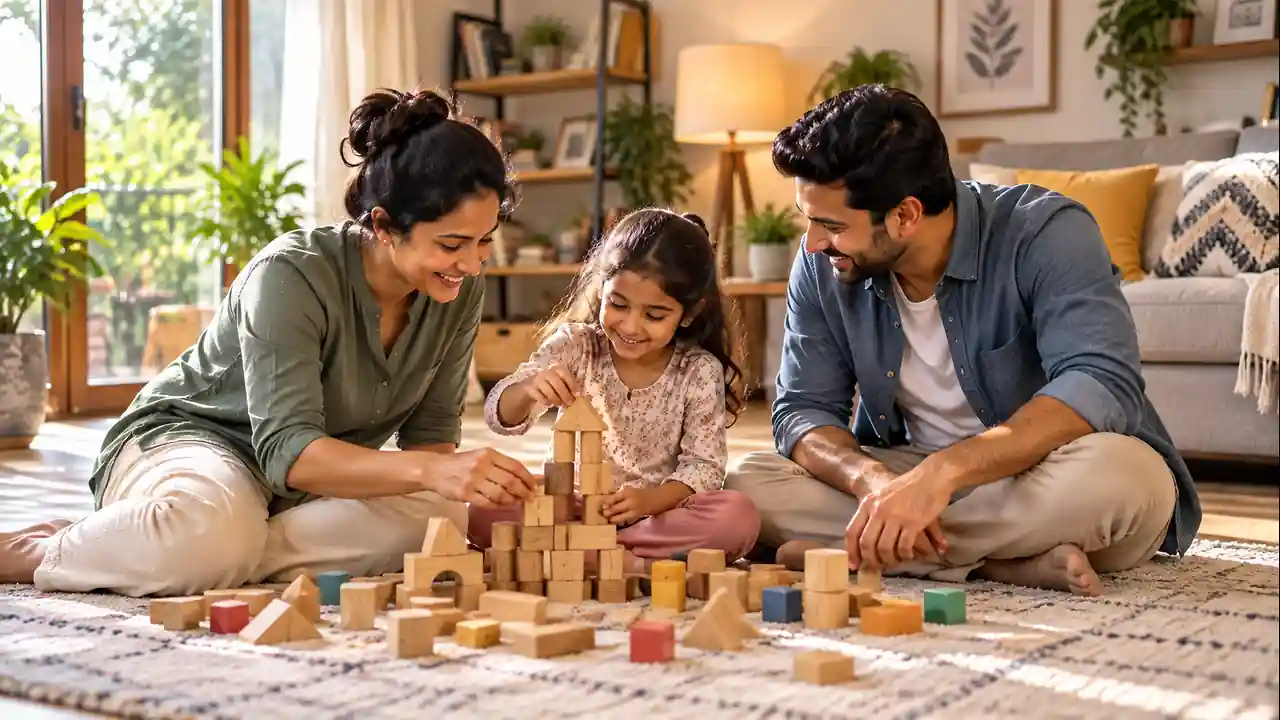
Being in the same room while focused on separate screens does not build connection. Fostering family unity and togetherness requires intentional, screen-free moments—such as sharing a regular meal, taking an evening walk, or checking in for ten minutes before bed.
3. Listen to Understand, Not Just to Reply

Family conflicts often escalate when people focus on defending themselves instead of understanding what the other person is trying to communicate. When a family member is upset, pause and listen fully before offering advice or correction.
4. Respect Boundaries and Personal Space

Living close together does not mean surrendering individuality. Respect each other’s privacy, personal time, and differing viewpoints without taking differences personally. Healthy boundaries allow family members to maintain both closeness and individuality.
5. Handle Disagreements with Empathy, Not Ego
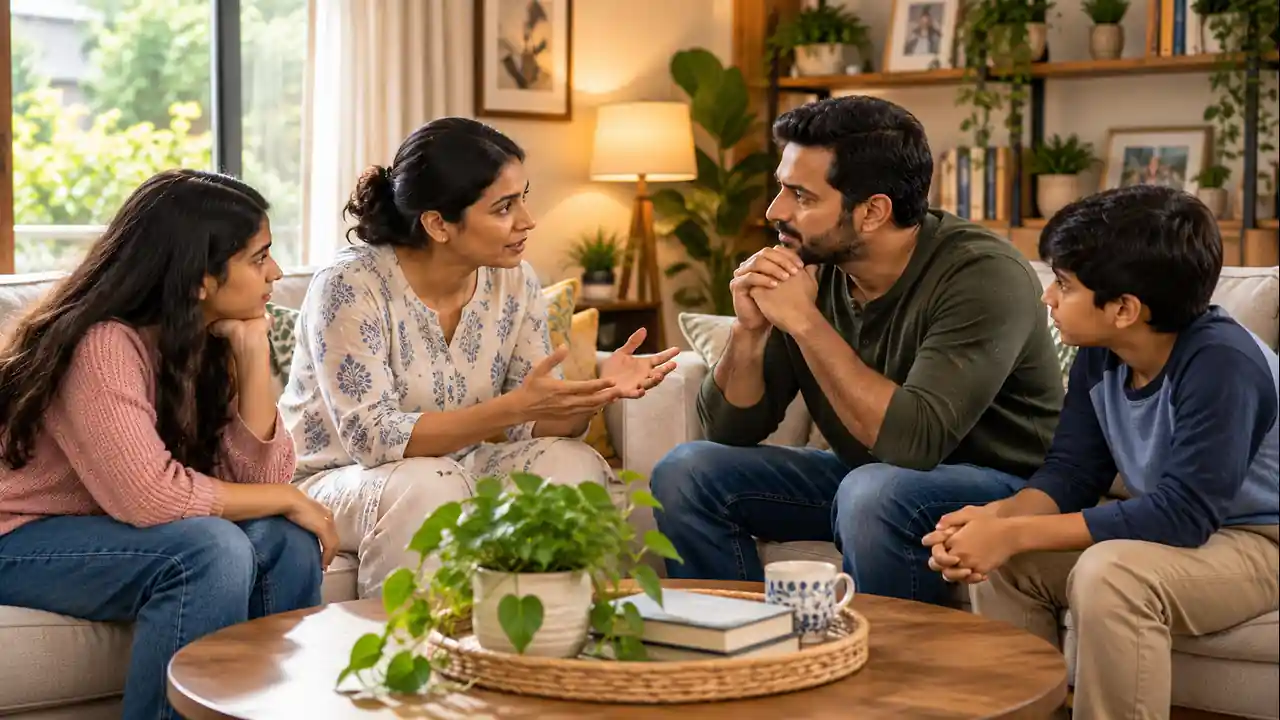
Disagreements are natural in any home. Repeated personal attacks can damage trust and make future disagreements harder to resolve. Focus on resolving the specific issue rather than attacking someone’s character, and apologize sincerely when a mistake is made.
6. Adapt as Children Gain Independence

Family dynamics naturally evolve as children grow into teenagers and young adults. Transitioning from direct control to open mentorship preserves connection and keeps communication lines open for adulthood.
Frequently Asked Questions
What is the true meaning of family in simple words?
The true meaning of family refers to a dedicated group of individuals—connected by blood, legal ties, or deliberate choice—who provide belonging, emotional safety, practical support, mutual care, and enduring commitment across life’s stages.
What makes someone family beyond blood?
Someone becomes family beyond blood through consistent loyalty, reciprocal trust, emotional support, and a shared, lasting commitment to show up for each other through hardship and celebration.
What are the most important qualities of a strong family?
The foundational qualities of a strong family include open communication, mutual respect, emotional safety, clear boundaries, reliable emotional support, and collaborative conflict resolution.
How can supportive family relationships benefit well-being?
Supportive family relationships create a dependable social network that can reduce loneliness, offer emotional validation during difficult transitions, buffer against chronic stress, and strengthen overall resilience.
Can chosen family provide support when biological family relationships are unhealthy?
Yes. Trusted friends, partners, mentors, and community members can become chosen family. They may provide emotional security, healthy boundaries, and stability when biological family relationships are distant, strained, or unsafe.
Final thoughts
Understanding the true meaning of family means looking beyond a single household structure or biological definition. People form families through birth, marriage, adoption, caregiving, or deliberate choice. Healthy family bonds grow through care, trust, respect, responsibility, and belonging. Families may change across generations and circumstances, but strong relationships still depend on mutual support, individuality, safety, and healthy boundaries. Ultimately, family includes those connected to us by birth and those who consistently show up, listen, care, and make us feel that we belong.



So insightful! Loved reading the article! Well done!
Deep, dark and true to the core. Writing on such a fundamental topic is not often easy and this post has done it very well. Kudos to the writer.
The Topic is so sensitive!!! It has been penned down in such a simple and lucid manner!!! Kudos!!
Excellent,thought ful and nicely worded
The article makes us realise how important our family is. The article was written very explicitly and diligently. Keep up the good work!!
Wow!! How many of us actually have given this magical word “Family” a thought, even in the rarest of our thoughts? At least I haven’t. Thanks Ananya for making me give it a thought now. I am surprised that a person of your age have been able to pen it down so beautifully. Keep it up.
Cant imagine getting through these tough times without F.A.M.I.L .Y….beautifully written….. keep up the good work
I loved it
caca
Family is everything but, the meaning of family is changing, sibling bonds are deteriorating, people are after property and assets, which is somewhat depressing. I wish everyone understand the value of family and know that life is short and all we take is our good karma in the afterlife, everything is left behind. BTW, good writeup
Young lady this was an amazing read, I’m attending a family reunion this weekend and Sunday most will attend Sunday service and the sermon will be about family so as I began to search scriptures on family I came across your writing on family I was blown away at your writing but more blown away when I saw that you only 18yrs of age all I can say is you are an outstanding writer may God continue to bless you on your life’s journey!!!
Thank you so much. This means a lot coming from someone so learned. :))
Family means this! This was handed down generations!
(F)ather, (A)nd, (M)other, (I) (L)ove, (Y)ou
Family
I posted this to Facebook in hopes of my supposed family read it and stop playing he said/she said games ultimately keeping me away from my grandkids 😪
Family meaning father and mother I love you