

Finding a sunscreen and moisturizer for oily skin can be frustrating when a gel feels wonderfully light but leaves your cheeks tight, or a sunscreen protects well yet looks shiny by lunchtime. Oiliness and dehydration can happen together. Choose comfortable hydration, dependable UV protection, and formulas you can use consistently. Here are six moisturizers, five sunscreens, and a way to choose.
What Oily Skin Actually Needs
Sebum protects the skin, while genetics and hormones affect oil production. Harsh cleansing can irritate. Oily skin may be acne-prone, but the two are not identical. A dry, irritated surface can also occur alongside a shiny nose or forehead. A shiny forehead does not mean you should skip moisturizer. Moisturizing while using acne treatments can ease dryness and help with treatment tolerance.
For daily care, gentle cleansing and non-comedogenic products are useful starting points. Wash up to twice daily and after sweating, moisturize as needed, and use blotting paper rather than repeatedly scrubbing your face. If you enjoy face masks, avoid piling exfoliating treatments onto an already irritated routine.
Six Moisturizers Worth Comparing
When evaluating sunscreen and moisturizer for oily skin, start with texture and skin tolerance, not dramatic claims about “closing” pores. These are examples, not a clinical ranking; formulations vary by country.
1. La Roche-Posay Effaclar Mat
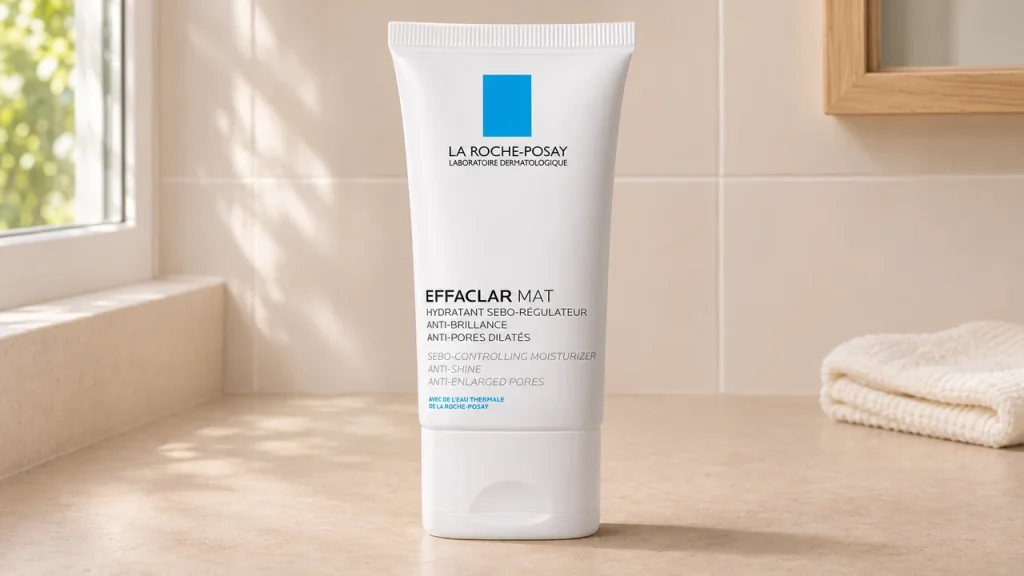
Best suited to: Someone who prefers a less shiny finish.
This mattifying moisturizer is designed for oily skin and contains oil-absorbing ingredients. Some marketed versions also include fragrance, alcohol, and exfoliating ingredients, which may not suit reactive skin. A matte appearance is temporary; it is not evidence that pores have permanently shrunk or acne has been cured. Check the current ingredient label, especially if you already use salicylic acid or other acne treatments.
2. Neutrogena Hydro Boost Water Gel
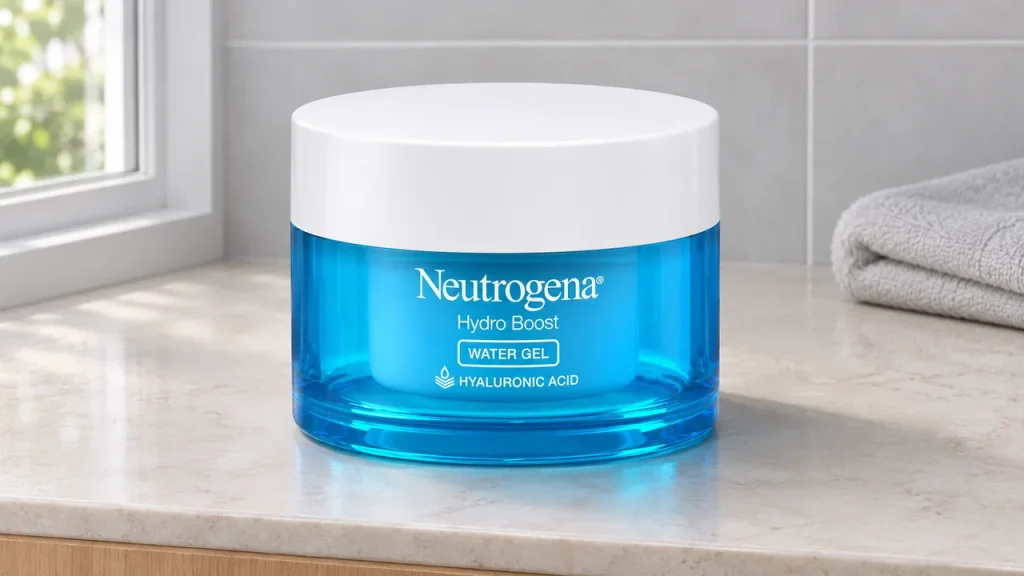
Best suited to: Fans of a light gel texture.
Hydro Boost products vary considerably by country. The familiar Water Gel and newer fragrance-free Gel Cream are not necessarily identical, and some versions target drier skin. Read your jar’s ingredient list instead of assuming every blue container is identical. Hydration claims matter less than comfort.
3. Cetaphil Daily Oil-Free Hydrating Lotion
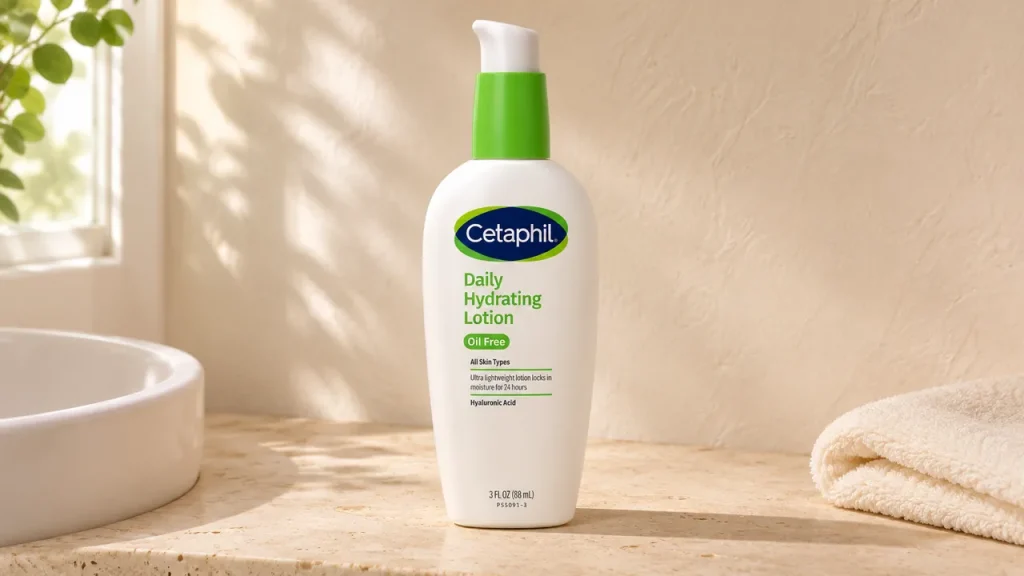
Best suited to: Light everyday moisture with minimal fuss.
This lotion is marketed as oil-free and lightweight, with hyaluronic acid. Its simple texture may appeal when a thick cream feels uncomfortable beneath sunscreen. Even gentle products can irritate. Apply after cleansing and judge comfort, not just shine.
4. CeraVe PM Facial Moisturizing Lotion
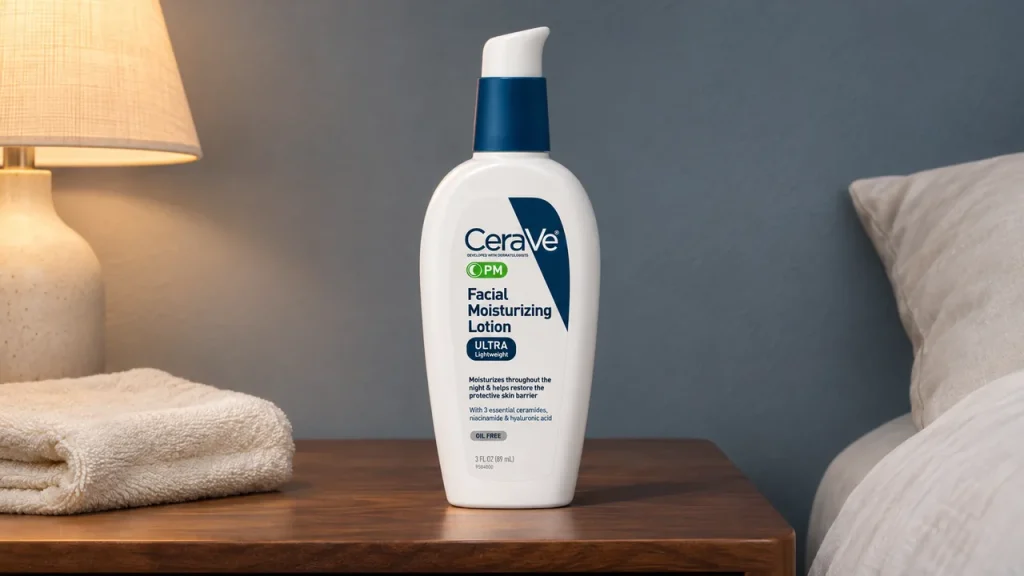
Best suited to: Nighttime hydration, including with drying acne treatments.
Ceramides, niacinamide, and hyaluronic acid are among its key ingredients. The lotion is oil-free and non-comedogenic in the market.
US formula, but PM does not mean SPF: it provides no sun protection. Someone using acne medication may value its moisturizing role. For daytime professional makeup, choose your sunscreen separately.
5. Bioderma Sébium Mat Control
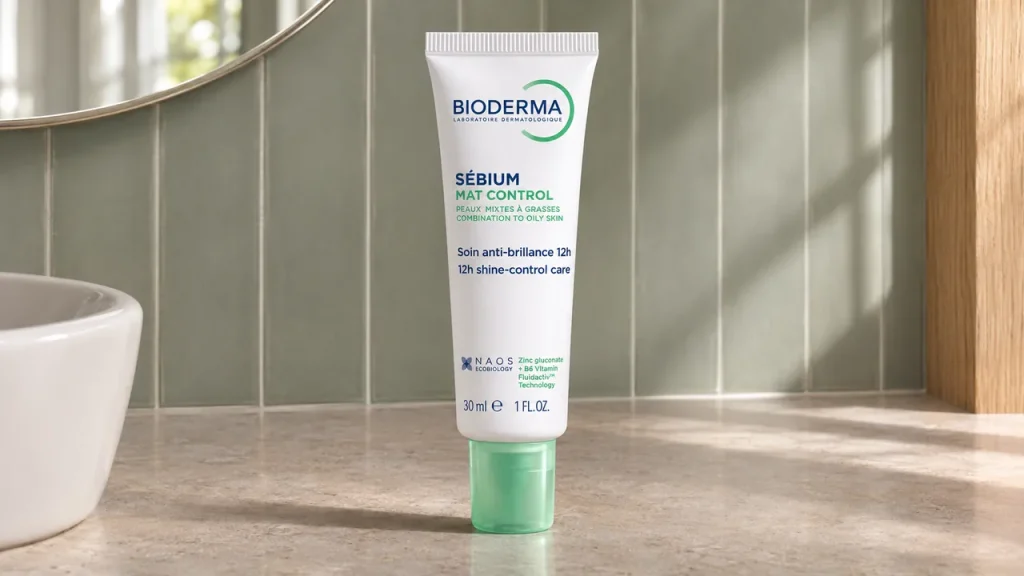
Best suited to: Combination-to-oily skin bothered by surface shine.
This is positioned as a mattifying moisturizer, not a treatment guaranteed to stop oil production. Inspect its regional formulation for fragrance and exfoliating ingredients before layering it with acids, retinoids, or strong masks. If your cheeks flake despite a shiny T-zone, try gentler hydration.
6. The Ordinary Natural Moisturizing Factors + HA
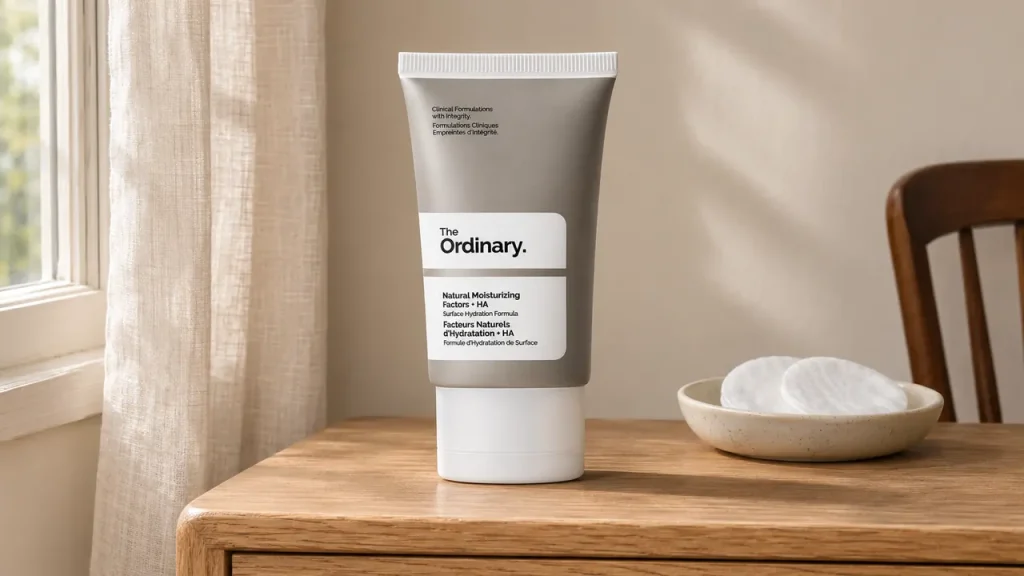
Best suited to: People who want a straightforward moisturizing cream.
Natural Moisturizing Factors + HA support hydration with ingredients such as amino acids and humectants. It is not specifically an oil-control treatment, and some people may find its cream texture more noticeable than a gel. Try a light layer on tight areas and assess the finish.
Five Sunscreens to Compare
Sunscreens have a different job from mattifying creams. Look for broad-spectrum SPF 30 or higher, apply enough to cover exposed skin, and consider water resistance for swimming or sweating. Sunscreen is not interchangeable with full-coverage foundation, even when makeup contains SPF.
7. Eucerin Sun Oil Control Gel-Cream SPF 50+
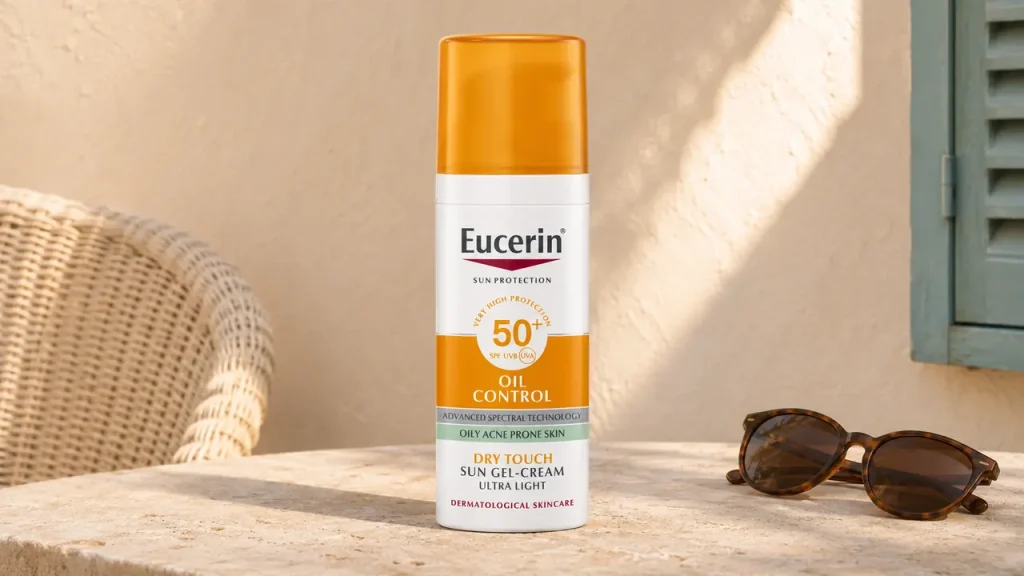
Best suited to: A high-protection option with a dry-touch feel.
This facial sunscreen is marketed for oily or blemish-prone skin and aims to reduce visible shine. The exact formulation, labeling, and water-resistance details depend on your market. It does not treat acne. Check how comfortably it spreads and reapplies.
8. ISDIN Fusion Water MAGIC
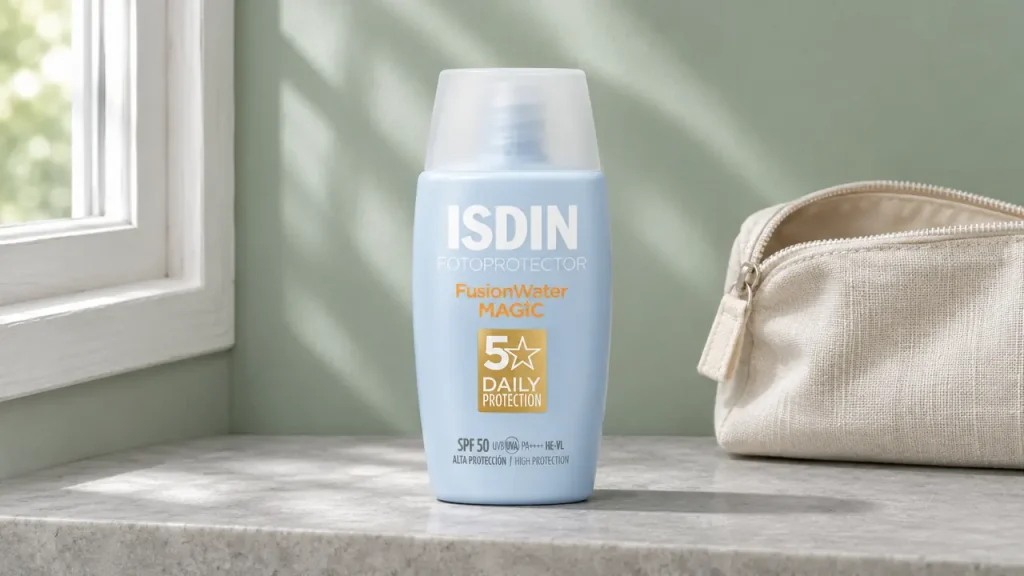
Best suited to: People who prefer a light, fluid finish.
Check the country-specific SPF carefully: Fusion Water MAGIC is marketed as SPF 50 in some international markets but SPF 40 in the United States. Both exceed SPF 30. Some contain fragrance; check water resistance before sports.
9. La Roche-Posay Anthelios UVMune 400 Oil Control SPF 50+
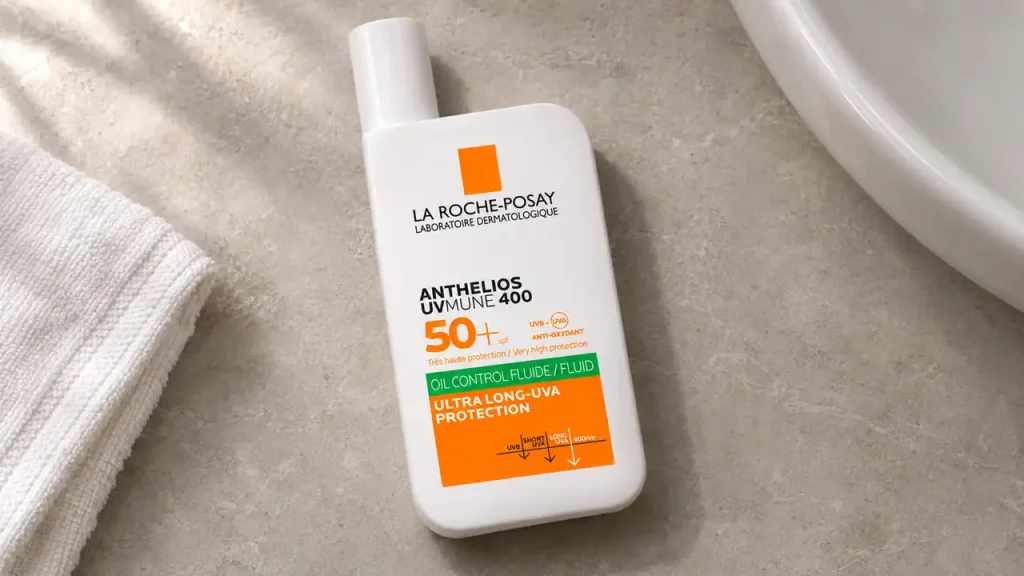
Best suited to: A high-protection fluid with a less glossy finish.
Oil Control versions are available in certain markets, but names and filters can vary substantially. Avoid buying an unrelated Anthelios product simply because the packaging looks familiar. Look for the actual broad-spectrum labeling and assess whether the texture sits well on your skin. High SPF still requires reapplication.
10. Neutrogena Clear Face SPF 50
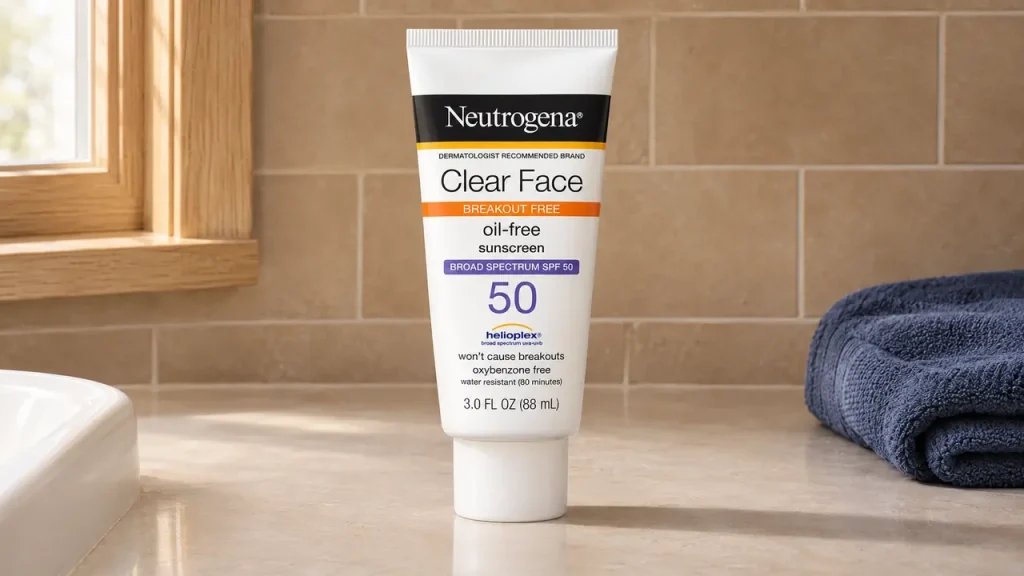
Best suited to: Acne-prone users seeking a facial sunscreen without a heavy feel.
The Clear Face line is marketed as oil-free and designed not to clog pores, though packaging and options differ by region. “Non-comedogenic” does not guarantee that a particular person will never break out. Check water resistance for sweaty outings.
11. EltaMD UV Clear Broad-Spectrum SPF 46
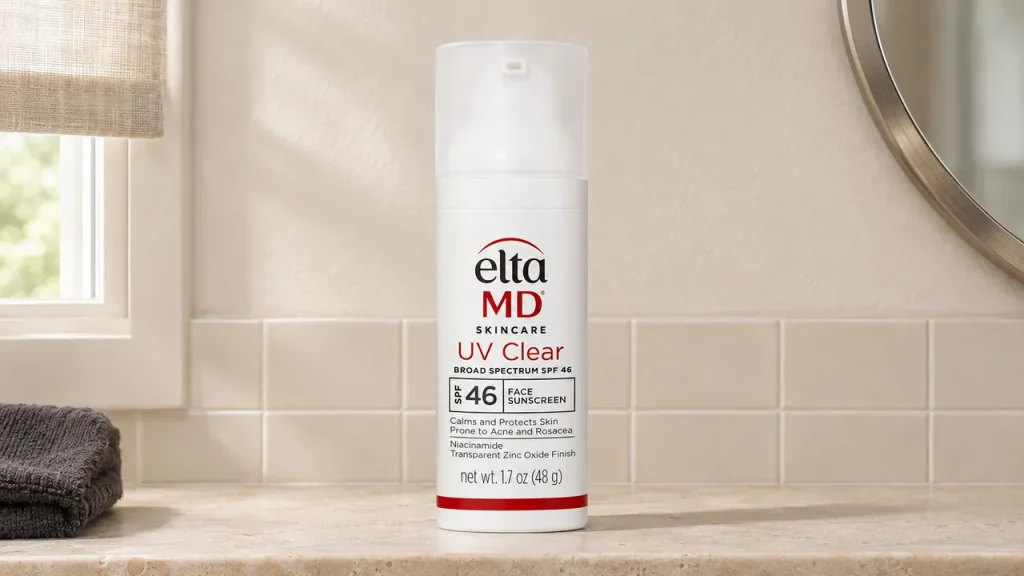
Best suited to: Everyday facial wear, including skin prone to blemishes.
UV Clear contains zinc oxide and niacinamide, with tinted and untinted choices. Its standard SPF 46 version is not water-resistant, so it is not the first option for swimming or heavy sweating. If you have lingering dark marks, a tint that suits your complexion may be helpful. Concealer techniques can provide optional coverage without disguising irritation as a cosmetic failure.
How to Choose Sunscreen and Moisturizer for Oily Skin
Choosing a sunscreen and moisturizer for oily skin works best when you identify your main problem first. If you feel tight after washing, choose gentle hydration before buying another mattifier. If your sunscreen feels greasy, compare it to a fluid or gel cream. If you have frequent stinging, prioritize fragrance-free, simpler formulas and consider professional advice.
| Your concern | What to prioritize |
| Shine by midday | Comfortable matte finish, blotting paper |
| Tight, flaky cheeks | Gentle moisturizer, fewer irritating actives |
| Frequent breakouts | Non-comedogenic choices and acne assessment |
| Swimming or sports | Clearly labeled water-resistant sunscreen |
| Dark marks | Broad-spectrum protection; suitable tinted option |
Do not assume a moisturizer and sunscreen must come from the same brand. Choose what you can use consistently.
How to Try New Products Without Overloading Your Skin
Introduce one formula at a time instead of replacing your cleanser, moisturizer, and SPF on the same morning. If your skin reacts easily, test a small area following product directions before wider use, while maintaining your usual sun protection. Watch for persistent itching, redness, swelling, or burning, and stop using a suspected irritant. Serious allergic symptoms need urgent medical attention. A cream that looks glossy after twenty minutes may simply be a poor texture match; that is not a reason to scrub harder or buy an expensive treatment. Give a comfortable product enough time for a realistic assessment, but do not continue one that repeatedly stings.
A Simple Morning and Evening Routine
In the morning, wash gently, apply moisturizer if your skin needs it, then apply sunscreen generously to exposed areas. Allow it to settle before makeup.
Follow sunscreen application and reapplication guidance: reapply about every two hours when outdoors and after swimming, sweating, or toweling off, according to the label. No sunscreen is completely waterproof.
At night, cleanse off makeup and sunscreen gently, then moisturize. Keeping makeup brushes clean can also support a sensible routine. If you wonder whether sunscreen interferes with vitamin D, vitamin D and skin care are different subjects; do not deliberately skip sun protection to raise vitamin D levels.
How Can You Tell If Your Skin Is Oily?
After gentle washing, notice where shine returns as your skin settles. Shine across much of the face may suggest oily skin; shine mainly across the forehead, nose, and chin with drier cheeks may suggest combination skin. A blotting sheet can illustrate that pattern but cannot diagnose a condition. Irritation, dehydration, and acne may coexist with either type. Persistent painful acne, unexplained rashes, or burning warrant a dermatologist’s assessment.
Frequently Asked Questions
These answers clarify common decisions.
1. Does Oily Skin Need Moisturizer?
Often, yes. Especially when cleansing or acne treatments leave it tight or irritated. A light, non-comedogenic gel or lotion may be enough.
2. Can SPF Moisturizer Replace Sunscreen?
Yes, if it is broad-spectrum SPF 30+, applied generously, and reapplied. For swimming, check water resistance.
3. Do Mattifying Products Permanently Shrink Pores?
No. They may temporarily reduce shine or the appearance of pores, but they cannot permanently change pore size.
Final Thoughts
The best sunscreen and moisturizer for oily skin are the ones that make daily care simple, comfortable, and reliable. Use hydration for comfort, sun protection for UV exposure, and avoid treating matte skin as a medical goal. Check regional labels, introduce products gradually, and seek advice for persistent acne or irritation.


Leave a Reply