

The best foods to lose weight are not foods that magically burn belly fat or switch your metabolism into a special “fat-burning” mode. They are nutrient-dense choices that can make a calorie-controlled eating pattern easier to maintain because they provide protein, fiber, water, or satisfying fats. Weight change still depends on your overall diet, activity, sleep, health, medications, and individual energy needs.
Quick Answer: The best foods to lose weight tend to be filling, nutrient-dense, and easy to fit into balanced meals. Vegetables, beans, oats, whole grains, fruit, Greek yogurt, eggs, fish, lean protein, nuts, seeds, and avocado can all help. No single food guarantees weight loss, and none can selectively burn belly fat.
Can Certain Foods Actually Help You Lose Weight?
Yes, but mostly by helping you build a better overall eating pattern. A systematic review and network meta-analysis of 152 randomized trials found that increasing a single food or food group generally produced no or only trivial weight loss by itself. Foods can support weight management, but they do not work like fat burners.
What matters more is whether your meals help you stay within your energy needs while providing enough nutrients and satisfaction. A practical healthy eating plan focuses on patterns you can repeat instead of depending on short-term restriction or “magic” foods.
What Makes a Food Helpful for Weight Management?
The best foods to lose weight usually have one or more useful qualities: protein that can make meals more satisfying, fiber that adds bulk, water that lowers calorie density, or healthy fats that improve flavor and fullness in sensible portions.
Current CDC healthy-eating guidance emphasizes vegetables, fruits, protein foods, whole grains, dairy or suitable alternatives, nuts, seeds, and healthy fats within overall calorie needs. Different diet plans for women may organize these foods differently, but sustainability and nutritional adequacy matter more than following one fashionable plan perfectly.
| Food | Why It May Help | Easy Way to Use It |
| Non-starchy vegetables | Fiber, water, low calorie density | Lunch or dinner |
| Beans and lentils | Protein plus fiber | Soups, curries, bowls |
| Oats | Soluble fiber | Breakfast |
| Greek yogurt | Protein | Breakfast or snack |
| Fish | High-quality protein | Lunch or dinner |
| Nuts and seeds | Protein, fiber, healthy fats | Snack or topping |
| Whole fruit | Fiber and water | Snack or dessert |
15 Foods That Can Support Weight Loss
The following choices earn a place among the best foods to lose weight because they can make nutritious meals more filling and practical—not because they directly burn fat.
1. Non-Starchy Vegetables
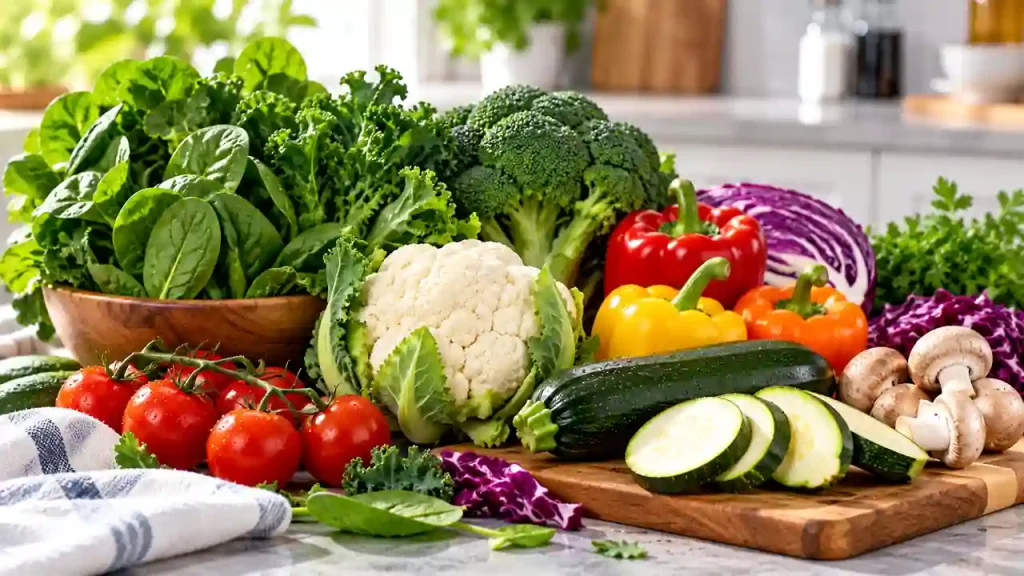
Leafy greens, broccoli, cauliflower, peppers, mushrooms, zucchini, and cabbage add volume to meals without adding many calories. Their water and fiber can make a plate feel more substantial, especially when they replace part of a more calorie-dense food. Use them in soups, stir-fries, salads, omelets, curries, or roasted dishes alongside protein and whole grains.
2. Beans and Lentils
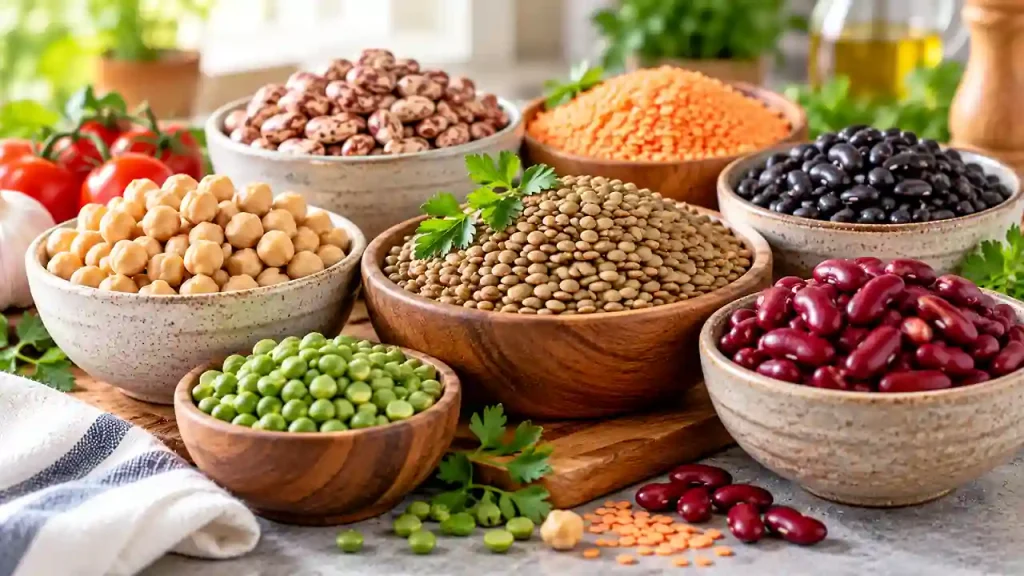
Beans, chickpeas, peas, and lentils combine plant protein with fiber, which can make meals satisfying. They work well in soups, curries, salads, wraps, and grain bowls. If beans cause gas when you are not used to them, increase portions gradually. They do not “banish bloat,” but they can be an excellent part of a balanced diet.
3. Oatmeal
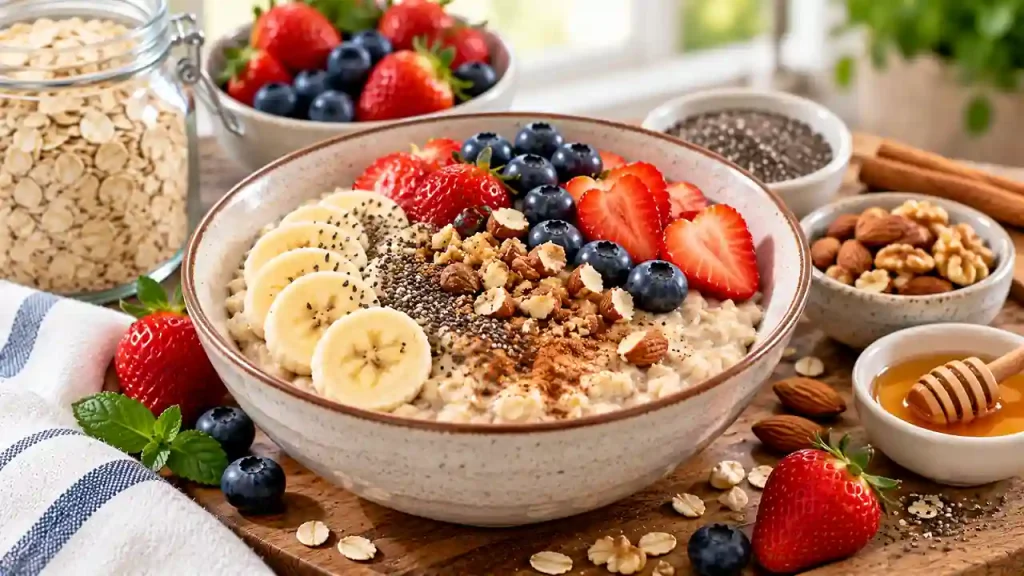
Oats provide soluble fiber, including beta-glucan, and make a flexible breakfast base. Pair plain oatmeal with berries, chia seeds, cinnamon, nuts, or Greek yogurt rather than heavily sweetened instant varieties. Oats also fit naturally into a low-calorie breakfast when portions and toppings are chosen thoughtfully.
4. Whole Grains
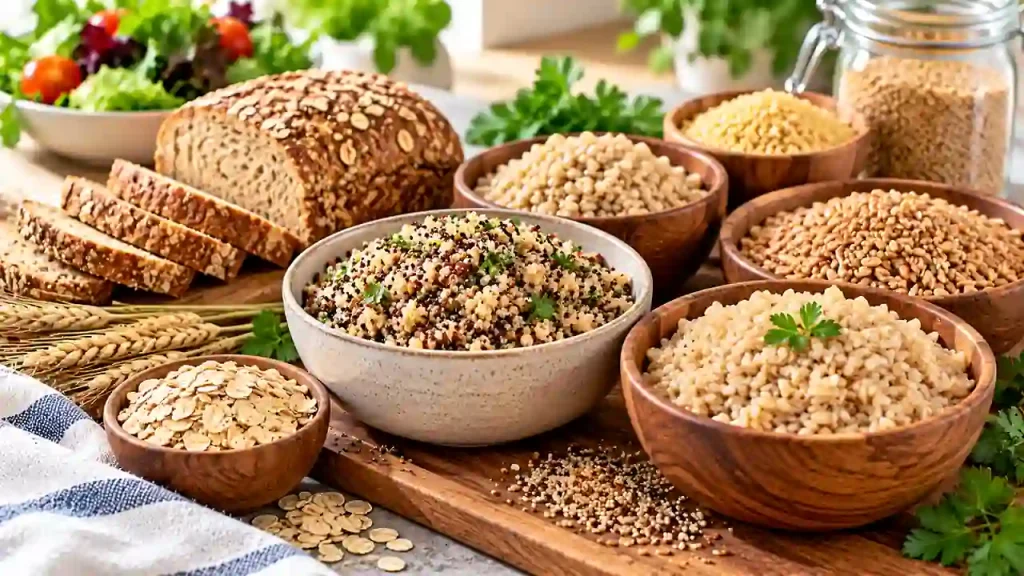
Brown rice, barley, quinoa, bulgur, whole-wheat bread, and other whole grains provide fiber and nutrients while adding satisfying texture to meals. Whole grains do not “speed up” metabolism or melt fat. Their value is that they can replace more refined choices and help create balanced meals. Understanding what can realistically boost metabolism naturally is more useful than expecting one ingredient to increase calorie burning dramatically.
5. Berries
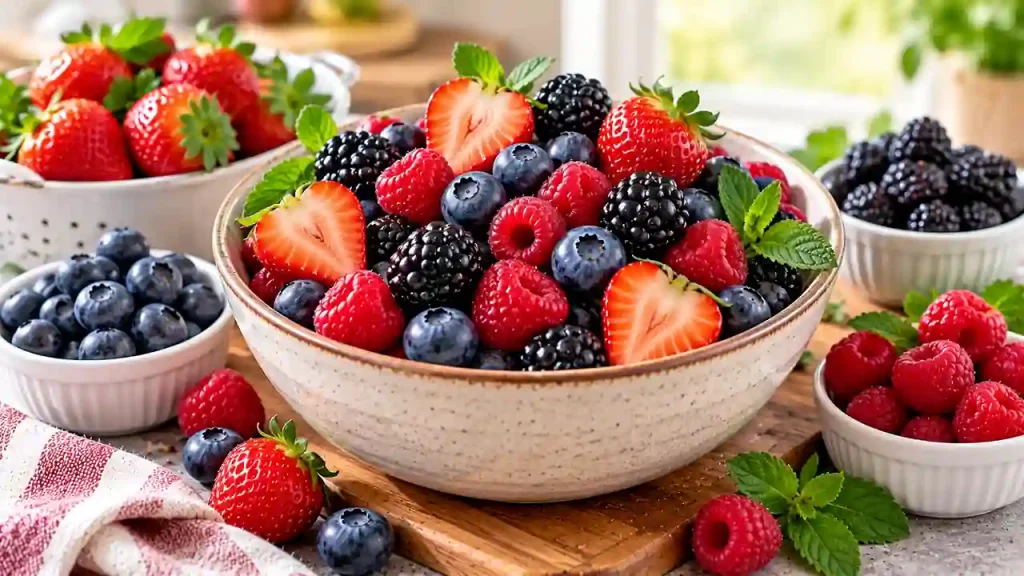
Strawberries, raspberries, blueberries, and blackberries combine sweetness with water, fiber, vitamins, and plant compounds. Their relatively low calorie density makes them useful in yogurt, oatmeal, smoothies, or snacks. Fiber content varies by type, so choose the berries you enjoy and can buy regularly.
6. Apples and Pears
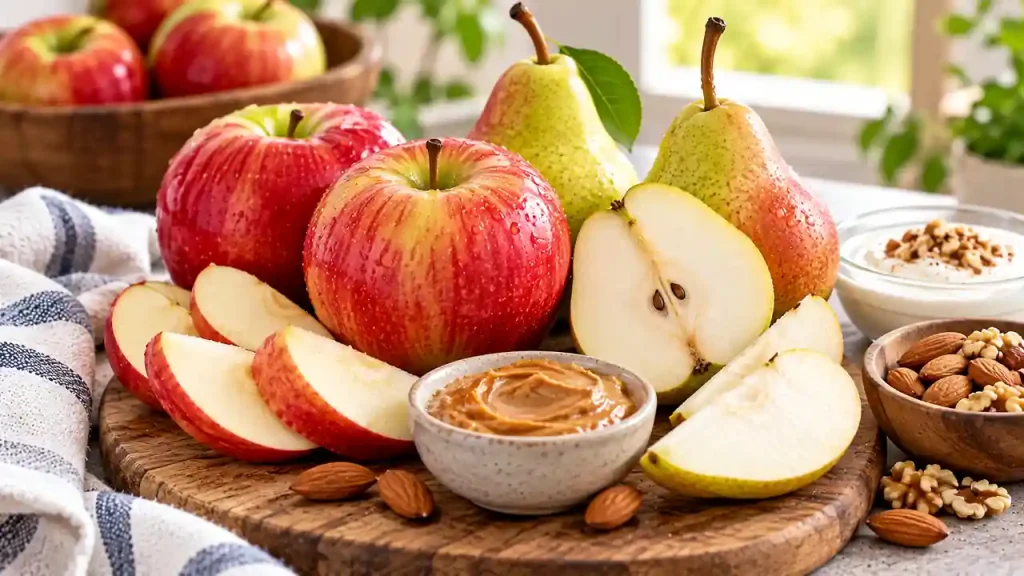
Whole apples and pears provide water and fiber and can be more filling than juice because they retain their fiber and require chewing. Pair them with yogurt, a small portion of nuts, or peanut butter for a more substantial snack. They are useful because they are portable and easy to substitute for a more calorie-dense snack.
7. Citrus Fruits
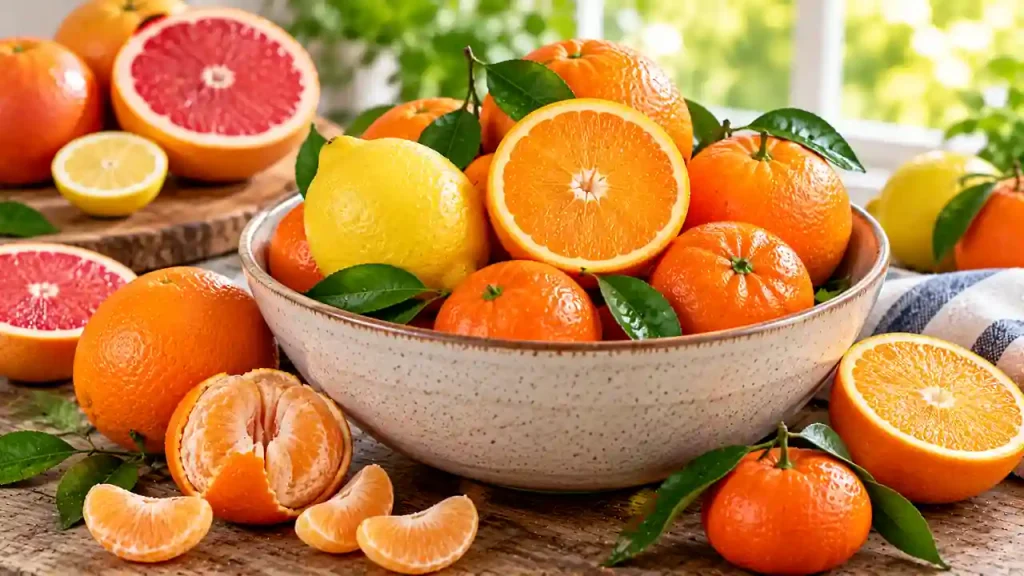
Oranges, mandarins, and other citrus fruits provide vitamin C, water, and fiber when eaten whole. Whole fruit generally fits a weight-management eating pattern better than relying on juice because the fiber remains intact. Citrus does not target belly fat or “flush” fat from the body. Its value comes from its nutrient density and natural sweetness.
8. Plain Greek Yogurt or Skyr
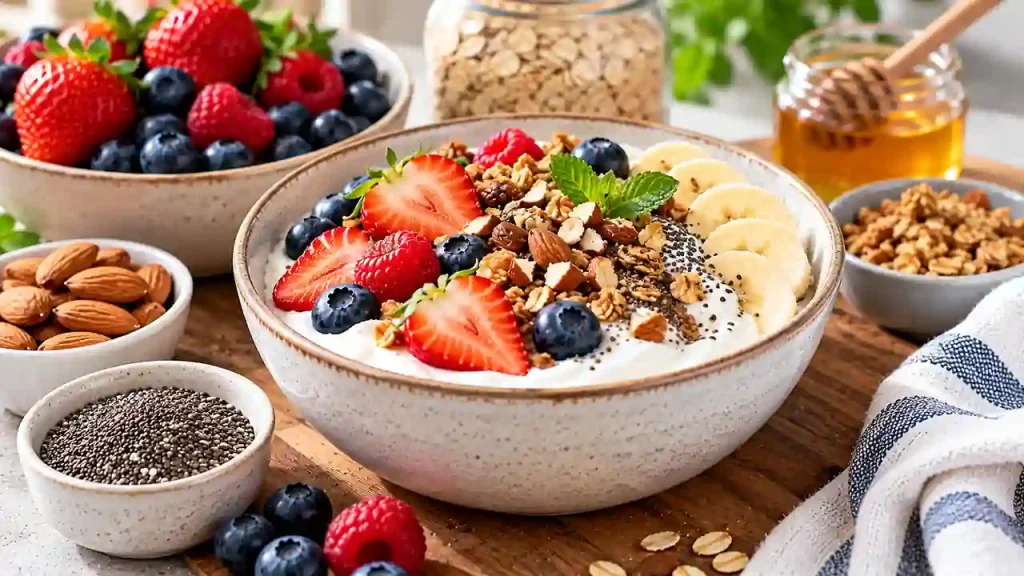
Plain Greek yogurt and skyr are convenient protein-rich choices for breakfast or snacks. Add berries, chopped fruit, oats, or seeds for extra fiber and texture. Fermented dairy can fit a healthy diet, but probiotics should not be promoted as guaranteed weight-loss treatments.
9. Eggs
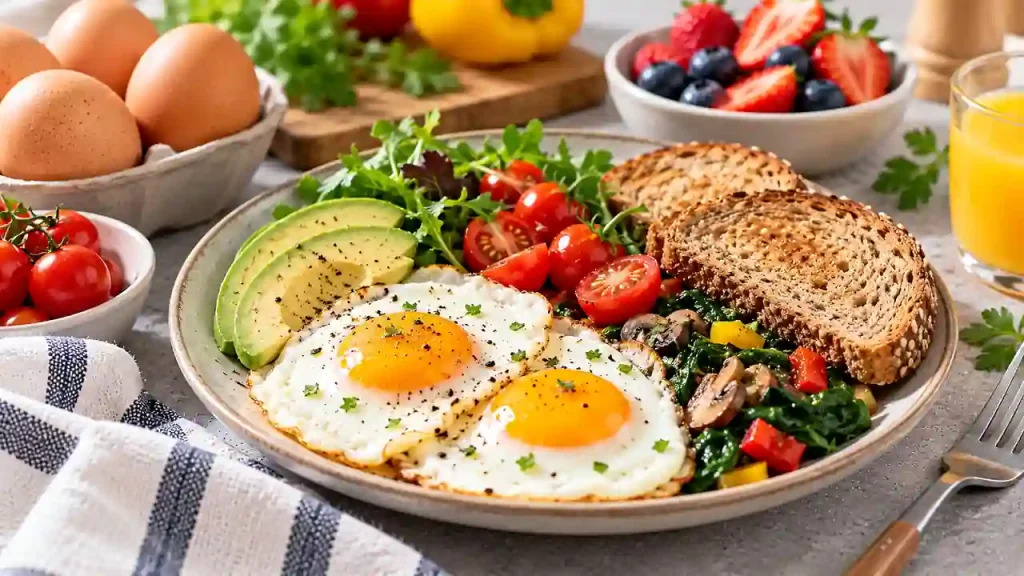
Eggs are a practical source of protein and can make breakfast or lunch more satisfying. Pair them with vegetables, whole-grain toast, beans, or fruit rather than treating eggs alone as a weight-loss solution. Combining balanced meals with realistic health and fitness habits for women is more useful than focusing on one so-called diet food.
10. Fish
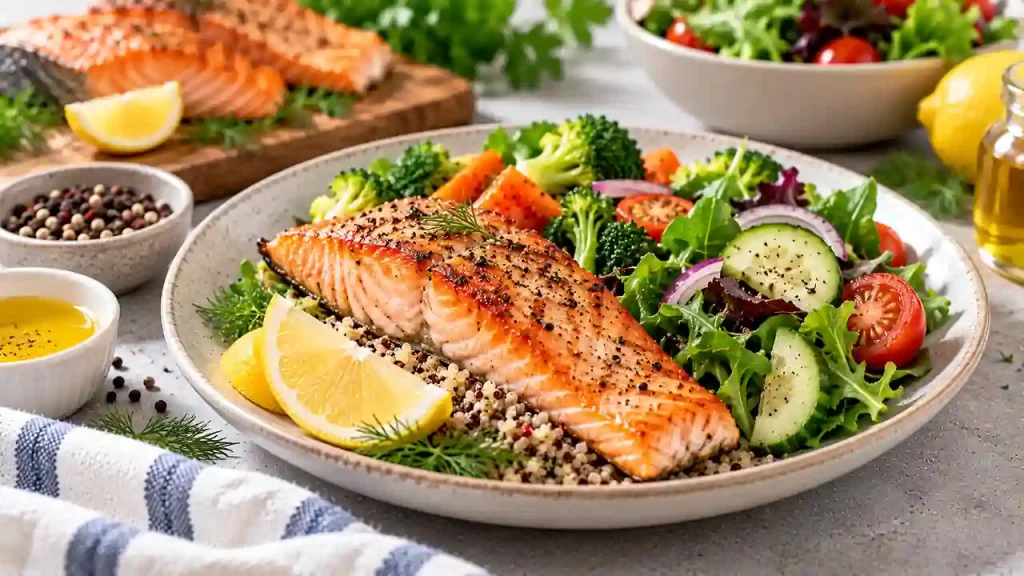
Salmon, sardines, tuna, trout, and other fish provide high-quality protein, while fatty fish also supply omega-3 fats. Protein can help meals feel satisfying and support lean tissue during weight management. Fish does not activate “fat-burning” thyroid cells in the liver or force the body to use stored fat. It belongs here because it is a nutritious protein option.
11. Lean Poultry or Tofu
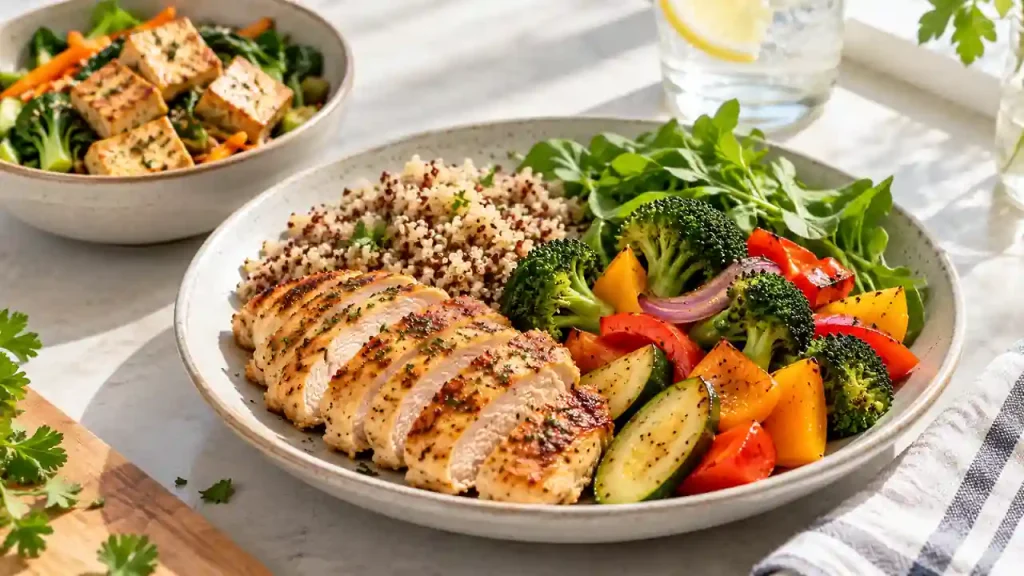
Chicken, turkey, tofu, tempeh, and similar protein foods can help anchor a meal. Protein works well when paired with vegetables, beans, or whole grains rather than mainly in heavily fried preparations. If meeting protein needs is difficult, protein powder for weight loss can be a convenient supplement, but it is still a source of protein, not a fat burner.
12. Nuts
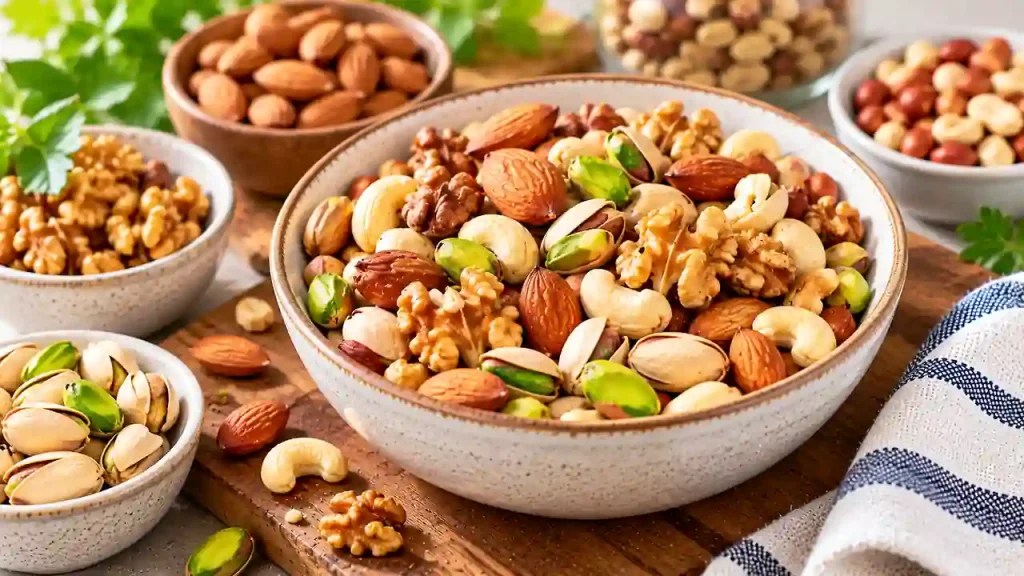
Almonds, walnuts, pistachios, peanuts, and other nuts offer protein, fiber, minerals, and unsaturated fats. They can be satisfying, but they are calorie dense, so portions matter. A small handful can work well as a snack or topping. There is no need to avoid nuts simply because they contain fat.
13. Peanut Butter
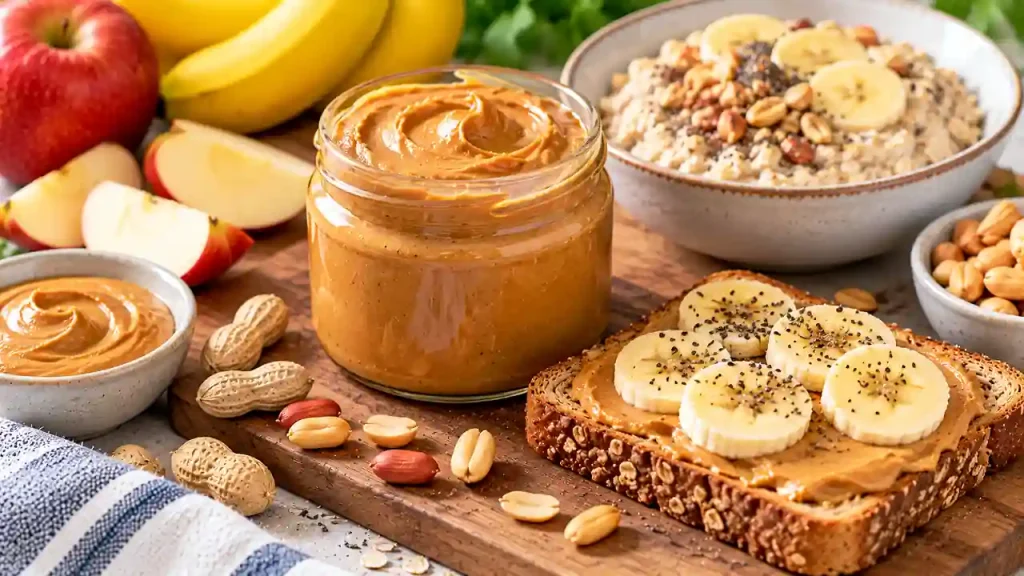
Peanut butter combines protein with mostly unsaturated fat and can make apples, bananas, oatmeal, or whole-grain toast more satisfying. It is also energy-dense, so portion size matters. Claims that peanut butter switches off “obesity genes” or prevents fat storage are not sound reasons to eat it.
14. Chia, Flax and Other Seeds
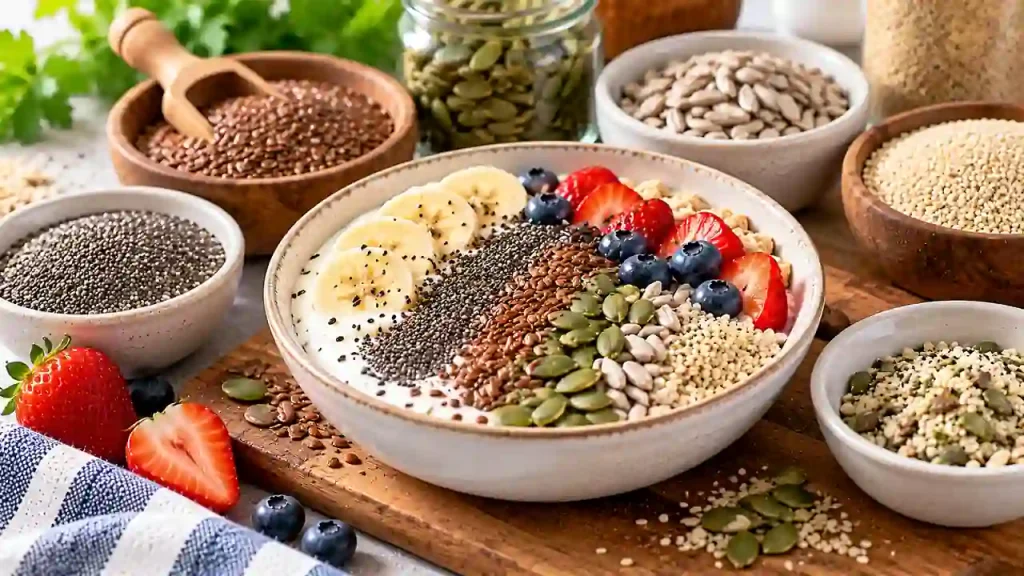
Chia, ground flaxseed, pumpkin seeds, sunflower seeds, and sesame seeds have different nutritional profiles. Some are especially rich in fiber; others provide more protein, minerals, or unsaturated fats. Sprinkle them over yogurt, oatmeal, salads, or cooked vegetables instead of assuming every seed provides the same benefits.
15. Avocado
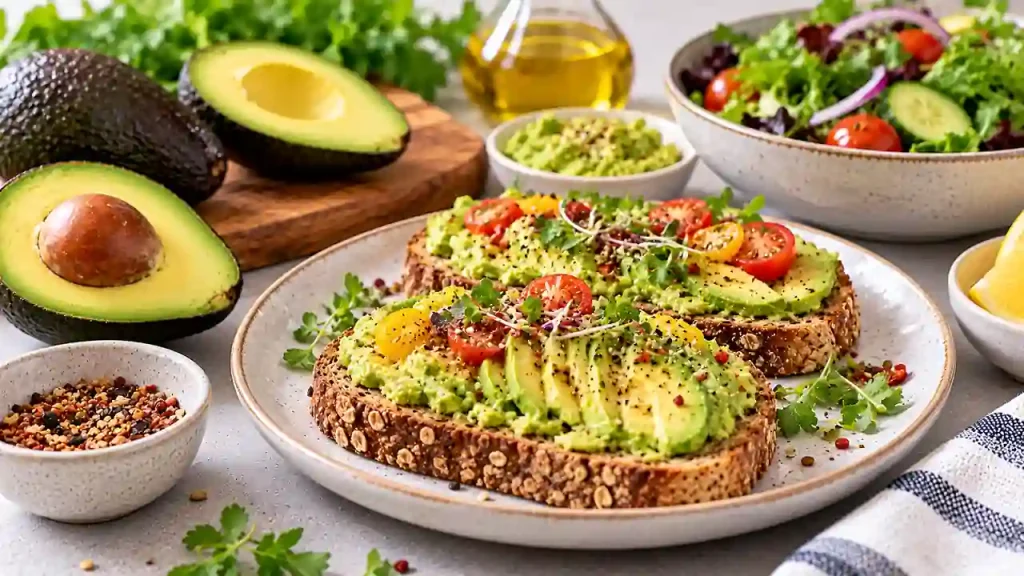
Avocado provides fiber and predominantly unsaturated fat, making it a satisfying addition to toast, salads, bowls, or sandwiches. Because avocado is relatively calorie-dense, portion size still matters. It can replace less nutritious spreads or toppings, but simply adding more does not guarantee weight loss.
How to Build a Weight-Loss-Friendly Meal
You do not need to eat all 15 foods every day. A practical approach is to combine a source of protein, plenty of vegetables or fruit, a fiber-rich carbohydrate when wanted, and a modest amount of healthy fat. This is also why the best foods to lose weight work best as parts of meals rather than isolated “diet foods.”
Breakfast could be oats with Greek yogurt and berries; lunch might pair lentils with vegetables and whole grains; dinner could combine fish or tofu with roasted vegetables and brown rice. NIDDK weight-management guidance similarly emphasizes an eating pattern built around vegetables, whole fruits, whole grains, protein foods, nuts, seeds, and appropriate oils rather than extreme food rules.
If your goal is substantial weight loss, realistic expectations matter too. Understanding how long it can take to lose 30 pounds can help prevent overly aggressive dieting, while sustainable lifestyle changes for healthy living matter because food is only one part of long-term weight management.
Foods You Do Not Need to Completely Avoid
Weight loss does not require banning bread, rice, dessert, or every processed food. The overall eating pattern matters more than labeling individual foods as “good” or “bad”. Highly processed foods and sugary drinks can make it easier to consume more calories without much fullness, so reducing them may help some people. But rigid restrictions can make a plan difficult to sustain. Portion size, frequency, nutritional quality, and what a food is replacing all matter.
Physical activity can support the same goal by improving fitness and increasing energy expenditure, but exercise should not be used to “earn” food or compensate for eating.
Final Thoughts
The best foods to lose weight are not secret metabolism boosters or ingredients that melt abdominal fat. They are ordinary, nutrient-dense foods that can help you build filling meals while staying within an eating pattern that supports your goals. Vegetables, beans, oats, whole grains, fruit, yogurt, eggs, fish, lean proteins, nuts, seeds, peanut butter, and avocado can all fit. Choose foods you enjoy, watch portions where calorie density is high, and focus on habits you can maintain long enough for progress to become sustainable.



Leave a Reply