


The health benefits of green tea are more modest than claims about “fat burning”, cancer prevention, or younger-looking skin suggest. Unsweetened green tea can be an enjoyable everyday drink, provides caffeine, and contains plant compounds called catechins. Some research suggests small effects on cholesterol or weight, but results depend on the product and study. A brewed cup and a concentrated supplement should be considered separately.
If you enjoy its grassy, toasted, or slightly sweet flavor, there is no need to turn tea into a treatment plan. Choose a preparation you like, notice how caffeine affects you, and keep the bigger picture of your diet and health in view.
Health Benefits of Green Tea at a Glance
The National Center for Complementary and Integrative Health’s evidence summary describes uncertain or limited evidence for many promoted uses. This overview separates reasonable expectations from stronger claims.
| Area | What the evidence suggests | What it does not establish |
| Everyday drink choice | Plain tea can replace a sugar-sweetened drink. | That the replacement guarantees weight loss. |
| Alertness | Its caffeine may help you feel more alert. | It is suitable for everyone or improves sleep. |
| Cholesterol | Some trials report small reductions in total and LDL cholesterol. | A cup replaces prescribed cholesterol treatment. |
| Weight management | Reviews suggest small effects with important limitations. | Reliable, substantial, or targeted fat loss. |
What Does Green Tea Contain?
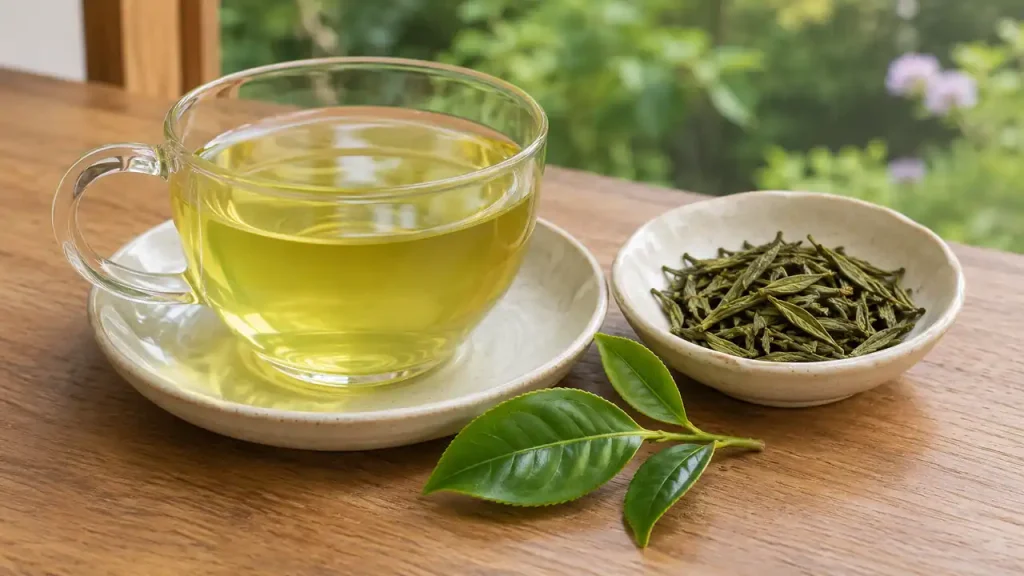
Green, black, and oolong tea come from the same plant, Camellia sinensis, and differ in processing. Green tea contains catechins, including epigallocatechin gallate, usually shortened to EGCG. Tea should not be your strategy for meeting vitamin and mineral needs. Keep a variety of foods in your meals.
It also contains L-theanine, an amino acid. This is different from thiamine, which is vitamin B1. Research on isolated ingredients does not automatically tell us what an ordinary cup will do. Similarly, describing a compound as an antioxidant does not prove that drinking it prevents disease or slows aging.
Four Potential Benefits in Context
Consider what you are drinking, what it replaces, and which outcome a study actually measured. These details matter more than a “superfood” label.
1. An Unsweetened Alternative to Sugary Drinks

Plain brewed tea gives you a flavored drink without adding sugar. Replacing a sweetened beverage with unsweetened tea can reduce the sugar and calories in that particular choice.
Compare like with like. A sweetened bottled tea or a large syrup-filled matcha latte is a different drink from plain tea. Read the serving size and added-sugar information rather than relying on health claims on the front. Tea can fit within a balanced eating plan alongside varied meals and other drinks you enjoy.
2. Caffeine That Can Support Alertness

Green tea contains caffeine, though amounts vary with the product and preparation. The FDA’s reference table lists about 37 milligrams in a 12-fluid-ounce serving (about 355 milliliters); that is an example, not a guaranteed amount in every mug.
If you are comparing alternatives to coffee, check whether your aim is a different flavor, less caffeine, or no caffeine. Green tea may suit the first two aims, depending on the preparation. For no caffeine, choose a clearly labeled caffeine-free alternative.
3. Small Changes in Cholesterol in Some Trials
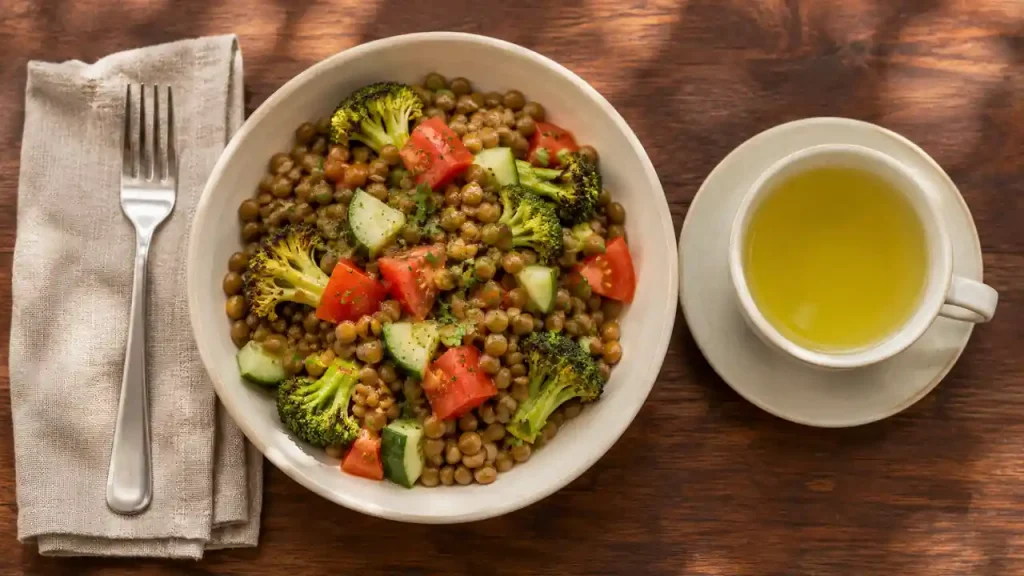
A 2020 Nutrition Journal review of 31 randomized trials found small average reductions in total and LDL cholesterol, without significant changes in HDL cholesterol or triglycerides. Many trials used supplements, so the findings do not establish a specific number of brewed cups to drink.
Discuss cholesterol results and treatment with your clinician. Keep attention on the overall eating pattern, including fiber-rich foods, rather than expecting one beverage to produce a large change.
4. An Observational Link With Heart Health
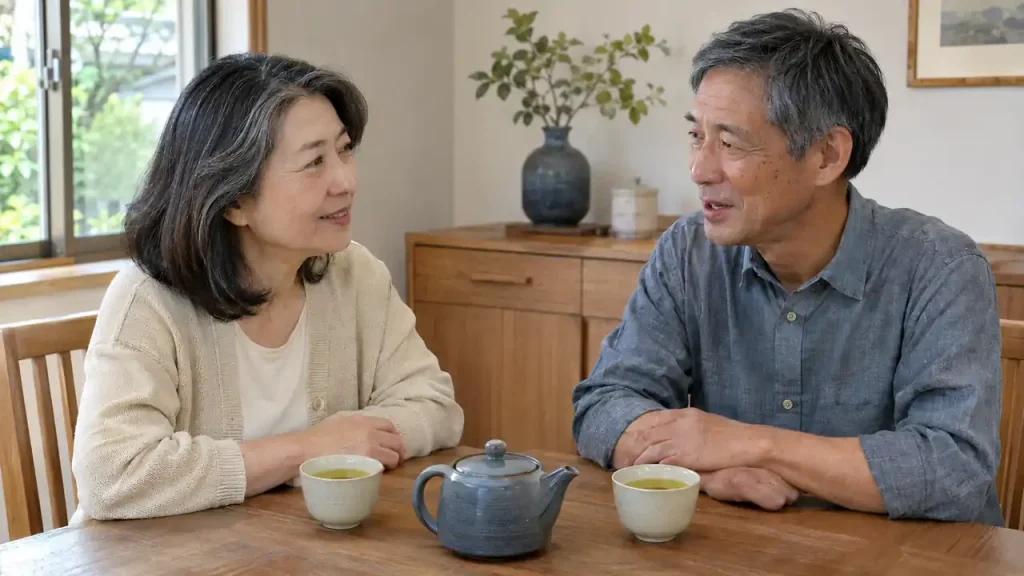
The Ohsaki study, published in 2006, followed 40,530 Japanese adults aged 40–79 at enrollment. The cohort began in 1994. Higher green tea consumption was associated with lower mortality from cardiovascular disease and all causes, but not lower cancer mortality. This was an observational study. People were not randomly assigned to drink tea, so other differences between participants could have contributed. Its main outcomes were deaths, rather than weight loss or skin appearance. It therefore cannot support promises about either of those outcomes.
When you read a headline, check three details: was the product a beverage or an extract, were participants assigned to it, and was the result a blood test or an actual health event? A small change in a marker such as LDL is different from proving that fewer people developed disease.
Which Health Benefits of Green Tea Remain Uncertain?
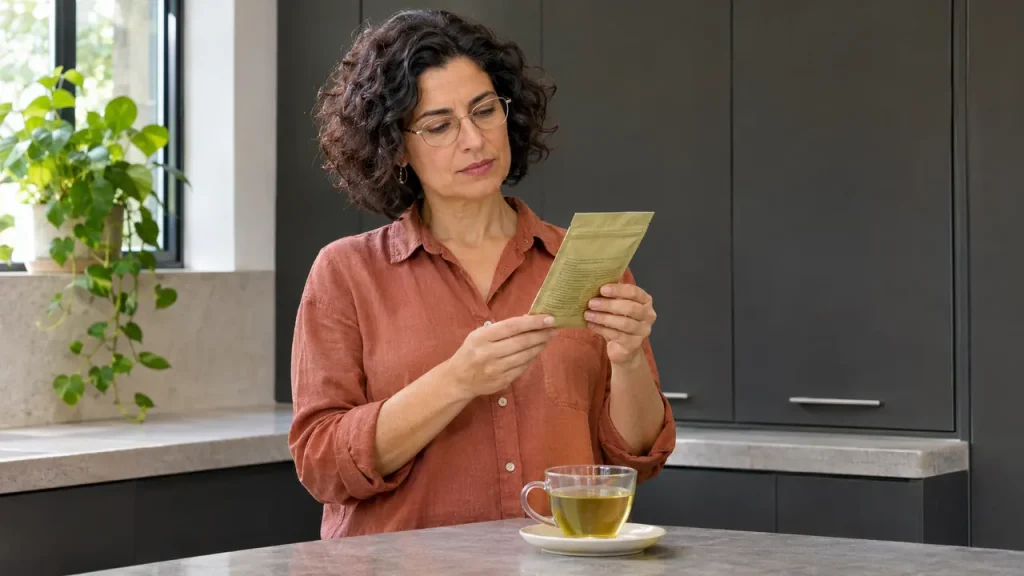
Several familiar claims go beyond what research can establish. Understanding the limits helps you decide what deserves attention and what is mainly marketing.
Weight loss: A 2024 British Journal of Nutrition review of randomized beverage trials suggested small weight changes with green tea, but the certainty of evidence was low to very low. This is a reason for modest expectations. If weight management is your goal, focus on sustainable meals, including foods that help you feel satisfied. Claims that tea dramatically boosts metabolism overstate its practical role.
Cancer and diabetes prevention: Studies in people have not established green tea as a reliable cancer-prevention strategy. Laboratory effects on cells cannot show that drinking tea prevents cancer. Likewise, tea is not a diabetes treatment. Recognizing diabetes myths helps keep beverage choices separate from monitoring, medication, and individualized care.
Skin and teeth: Research includes different preparations, doses, and outcomes. A 2015 American Journal of Clinical Nutrition randomized trial of oral catechin supplements did not demonstrate significant protection against a UV-induced inflammatory challenge. A skincare ingredient is not proof that drinking tea prevents wrinkles. Oral-health research also does not establish tea as a replacement for fluoride toothpaste, cleaning between teeth, or dental care. Continue using sun protection; tea is not sunscreen.
Liver protection: Green tea should not be used to offset alcohol consumption or protect against alcohol-related harm. Concentrated extracts have instead been linked with uncommon liver injury. More tea is not necessarily more beneficial.
How to Drink Green Tea Safely
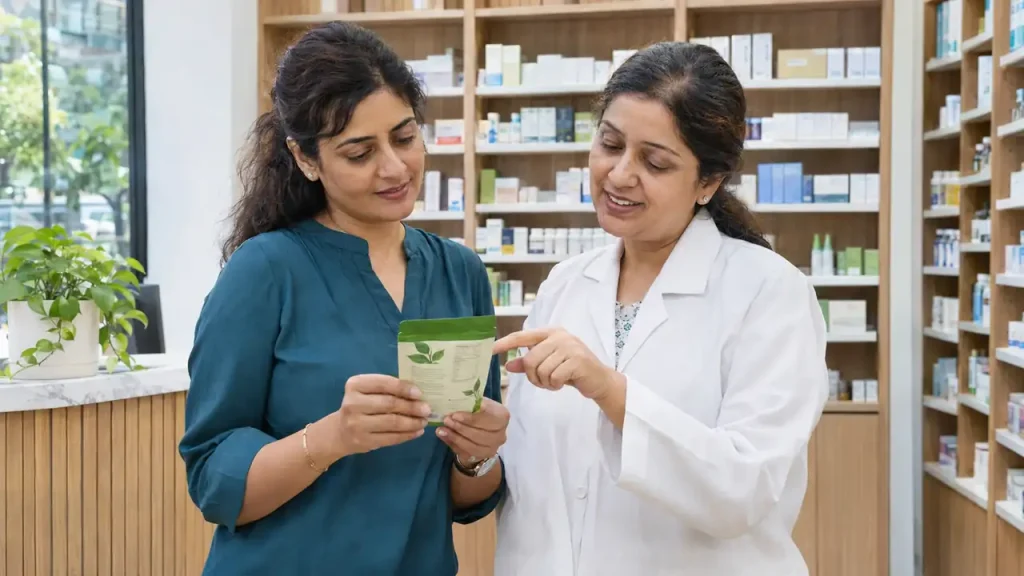
When considering the health benefits of green tea, pay attention to caffeine, medicines, and the form of the product. A traditional infusion differs from a capsule promoted for weight loss. For most adults, ordinary brewed green tea is generally well tolerated. The FDA’s caffeine guidance cites 400 milligrams daily as an amount not generally associated with negative effects for most adults. This is not a personal target. Count caffeine from coffee, tea, energy drinks, supplements, and other sources. Some people experience sleep disruption, jitters, anxiety, or palpitations at lower amounts.
If you are pregnant, trying to conceive, or breastfeeding, discuss your caffeine intake with your healthcare professional. The general adult figure should not be treated as pregnancy guidance. Ask a pharmacist about green tea if you take medicines, particularly before using extracts. Interactions have been reported with drugs, including nadolol; extracts may also affect other medicines. Bring the product label so the pharmacist can check what you actually use.
If you take iron for a diagnosed nutrient deficiency, ask about timing. NHS guidance for ferrous sulfate advises separating it from tea because tea can reduce iron absorption. Follow the instructions for your prescribed product. Avoid starting concentrated green tea extracts simply to reproduce a research result. If you develop yellowing skin or eyes, dark urine, or abdominal pain while using one, stop taking it and seek medical advice.
Brewing and Buying Without Chasing a “Perfect” Dose

Choose tea around taste and convenience. These steps can help you compare options without turning brewing into a medical calculation:
1. Follow the packet’s brewing instructions. Varieties differ; adjust the steeping time if the result tastes too bitter.
2. Compare the drink you will actually consume. Check the added sugar and serving size on bottled tea or prepared drinks.
3. Notice the form. Matcha is powdered tea leaves consumed in the drink; it is different from both strained tea and concentrated extract capsules.
4. Think about timing. If sleep is affected, move caffeinated tea earlier or choose a suitable alternative.
Let hot tea cool to a comfortable temperature. There is no benefit in forcing yourself to drink it scalding hot.
5. You do not need an expensive variety to enjoy a tea break. Try a small pack before buying more, and choose one you would still enjoy without a health promise on the label.
Common Questions About Green Tea
These answers can help you fit tea into your routine while keeping expectations realistic.
1. How Many Cups Should You Drink?
Claims about the health benefits of green tea do not establish one required number of cups for everyone. Cup sizes, caffeine levels, health needs, and preparations differ. Start with an amount you enjoy and tolerate. There is no reason to force three cups, copy a high-intake study group, or replace meals with tea.
2. Is Decaffeinated Green Tea Caffeine-Free?
Usually not. Decaffeinated tea contains less caffeine but can retain some. Check the label or ask the manufacturer if you need to avoid caffeine closely.
Final Thoughts
The health benefits of green tea make the most sense within everyday habits: an enjoyable unsweetened drink, a source of caffeine, and a beverage with some promising but limited research. Choose brewed tea for taste and tolerance, keep supplements separate, and continue your usual care. Sustainable health and fitness habits matter more than treating one drink as protection against disease.



Leave a Reply