


Being a coffee lover myself, I understand the comfort of reaching for a strong, aromatic cup in the morning. But looking for alternatives to coffee does not mean coffee itself is unhealthy or that drinking it every day automatically means you are dependent on it.
For most healthy adults, the FDA cites up to 400 mg of caffeine per day as an amount not generally associated with negative effects. Individual sensitivity varies considerably, however, and too much caffeine can contribute to symptoms such as jitters, anxiety, heart palpitations, headaches, stomach upset, and disrupted sleep. Pregnancy, certain medications, and some health conditions may also change how much caffeine is appropriate.
That is why some people look for healthy coffee alternatives even when they have no intention of giving up coffee completely.
Quick Answer: The best alternative depends on what you actually want to replace. Matcha, masala chai, and black tea still contain caffeine, so they may suit someone who wants to reduce rather than eliminate it. Chicory, golden milk, and rooibos are naturally caffeine-free. If what you really miss is the taste and ritual of coffee, decaf is usually the closest everyday substitute.
At a Glance: Popular Coffee Alternatives Compared
| Beverage | Contains Caffeine? | Best Fit | Flavor Profile |
| Matcha Latte | Yes; amount varies | Tea-based alternative that still provides caffeine | Vegetal, earthy, smooth |
| Chicory Root Coffee | No | Roasted flavor without caffeine | Dark, roasted, slightly bitter |
| Golden Milk | No | Warm, spiced caffeine-free ritual | Earthy, creamy, gently spiced |
| Masala Chai | Usually yes | Spiced drink with less caffeine than many coffees | Bold, aromatic, warming |
| Black Tea | Yes | Simple step down from coffee | Brisk, robust, malty |
| Decaf Coffee | Very little | Keeping coffee’s taste and ritual | Familiar coffee flavor |
| Rooibos Tea | No | Naturally caffeine-free tea | Smooth, woody, slightly sweet |
One important detail: a beverage is not automatically healthier simply because it replaces coffee. A café matcha latte, chai, or golden milk can contain substantial added sugar depending on how it is prepared. The comparisons here assume unsweetened or lightly sweetened versions.
7 Delicious Alternatives to Coffee
1. Matcha Latte
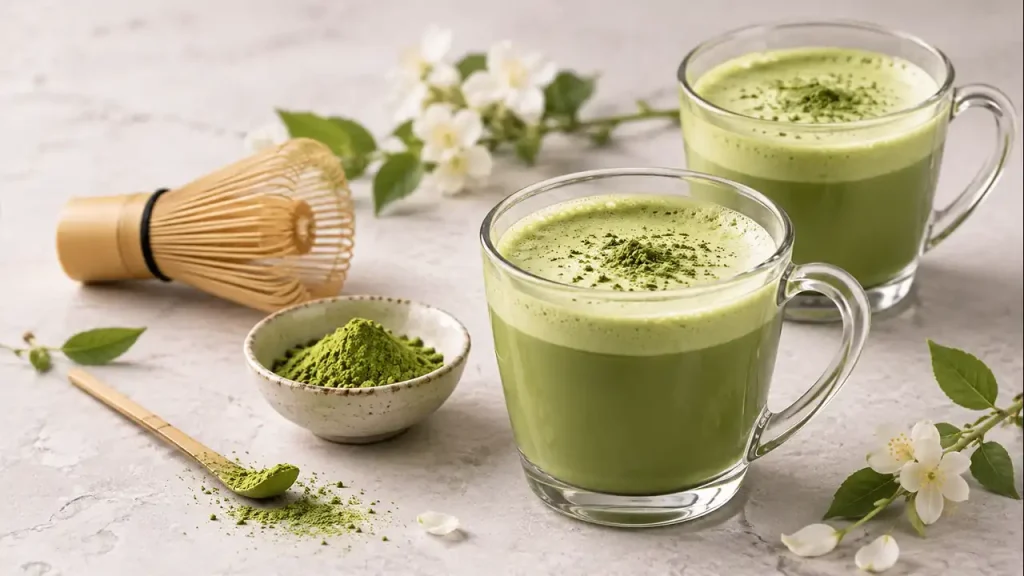
Matcha is finely milled green tea made from Camellia sinensis. Unlike ordinary brewed green tea, where the leaves are steeped and removed, matcha is whisked into water or milk, so the powdered leaf itself is consumed. Matcha contains caffeine, so it should not be treated as a caffeine-free substitute. The amount varies considerably with the quantity of powder used, serving size, and preparation.
Tea also naturally contains L-theanine and polyphenols, but that does not mean every cup of matcha produces a guaranteed “calm energy” effect or prevents the jitters. If your main goal is to eliminate caffeine, matcha is not the right choice. If you simply want to replace your usual coffee with a different caffeinated morning ritual, however, a lightly sweetened matcha latte can work well.
2. Chicory Root Coffee
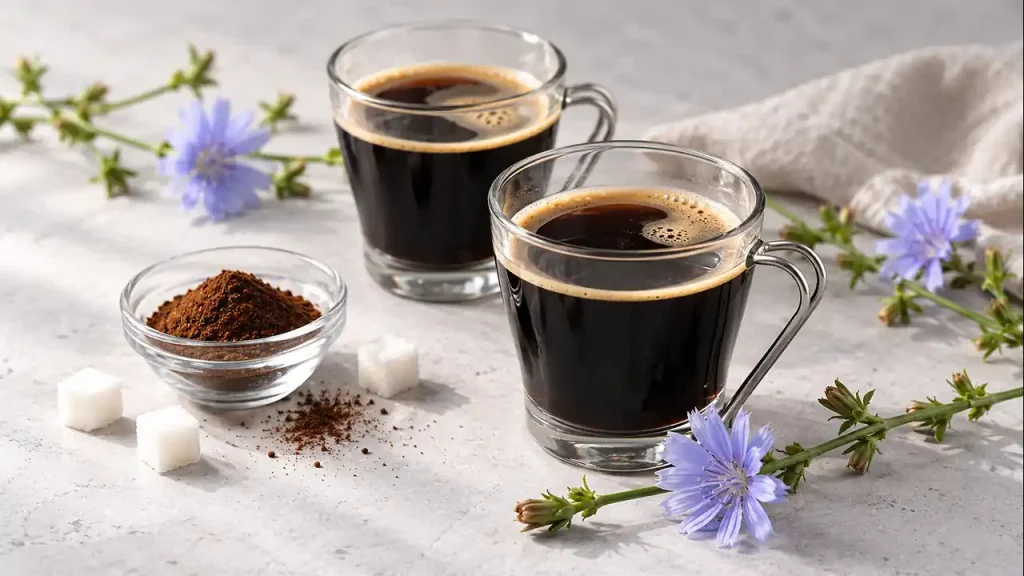
If you are looking for a drink that genuinely tastes like a dark roast, roasted chicory root (Cichorium intybus) is one of the most reliable alternatives to coffee. For those who enjoy the robust, roasted profile found across different types of coffee, roasted chicory offers a remarkably similar mouthfeel without any caffeine.
Chicory root naturally contains inulin, a fermentable prebiotic fiber. A systematic review on chicory-derived inulin found increases in Bifidobacterium abundance and some benefits for bowel-function measures, particularly in healthy participants. Importantly, those studies examined specific amounts of chicory-derived inulin; they do not prove that every cup of chicory coffee provides the same dose or produces the same effect.
That distinction matters. Inulin can also cause gas, bloating, or other gastrointestinal symptoms in susceptible people, particularly at higher amounts. If you know that fermentable fibers bother your digestive system, introduce chicory gradually rather than assuming that “prebiotic” automatically means comfortable digestion.
3. Golden Milk (Turmeric Latte)

Golden milk is a warm, caffeine-free drink commonly made with milk or a plant-based alternative, turmeric, ginger, cinnamon, and sometimes black pepper. Turmeric contains curcumin, the pigment responsible for much of its golden-yellow color. But golden milk should not be marketed as a treatment for inflammation, fatigue, immunity problems, or other health conditions.
The NCCIH clinical summaries note that although turmeric and curcumin have been studied extensively, there is not enough evidence to reach definitive conclusions about many of their promoted health uses. That does not make golden milk a poor choice. It simply means its strongest role in this article is as a flavorful, warming, and naturally caffeine-free drink—not a medicinal replacement for coffee.
4. Masala Chai
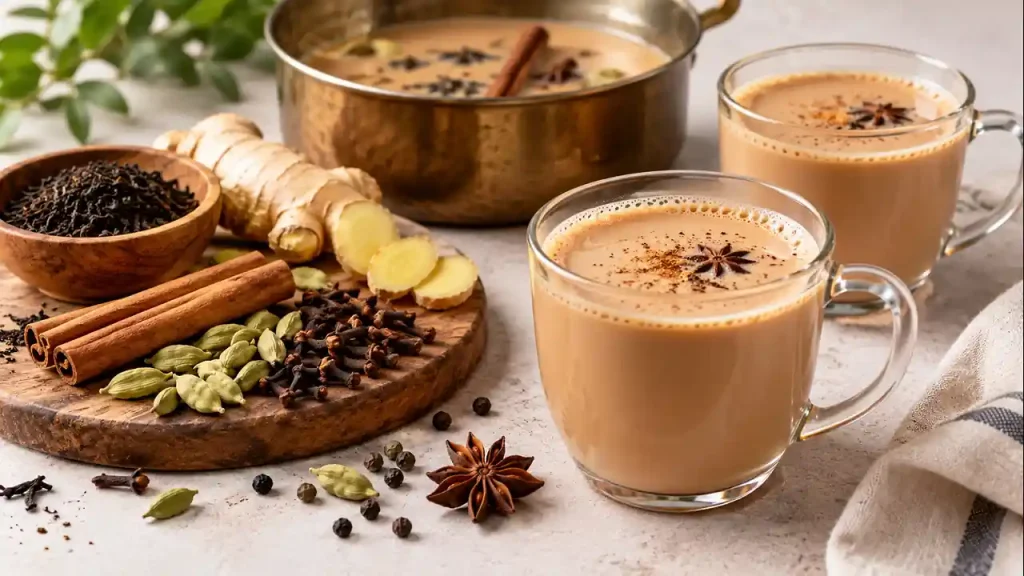
Masala chai is an aromatic Indian drink made by brewing black tea with spices such as cardamom, cinnamon, ginger, cloves, and black pepper, usually with milk and sometimes a sweetener.
Because black tea is its base, traditional masala chai contains caffeine. The amount varies with the quantity of tea, steeping time, serving size, and preparation. Black and green tea both come from Camellia sinensis but are processed differently. The NCCIH guidance on tea notes that tea contains caffeine, polyphenols, amino acids, and numerous other compounds.
If you enjoy the morning stimulation of coffee but want something different, chai offers warmth, aroma, spice, and some caffeine without pretending to be caffeine-free. Watch the added sugar, particularly with bottled chai concentrates and coffee-shop versions.
5. Black Tea

For someone who wants a straightforward hot drink without powders, elaborate spices, or a completely new morning routine, black tea is one of the simplest coffee alternatives.
Black tea is more fully oxidized during processing than green tea, which gives it its darker color and robust flavor. It still contains caffeine, but typical brewed black tea contains less than typical brewed coffee. The precise amount varies considerably with the product and brewing method. FDA estimates illustrate that variability: its typical values for 12-ounce beverages are around 71 mg for black tea and 113–247 mg for regular brewed coffee. That makes black tea a practical option if your goal is less caffeine, rather than no caffeine. However, digestive and reflux triggers vary from person to person, so it is not universally gentler for everyone.
6. Decaf Coffee
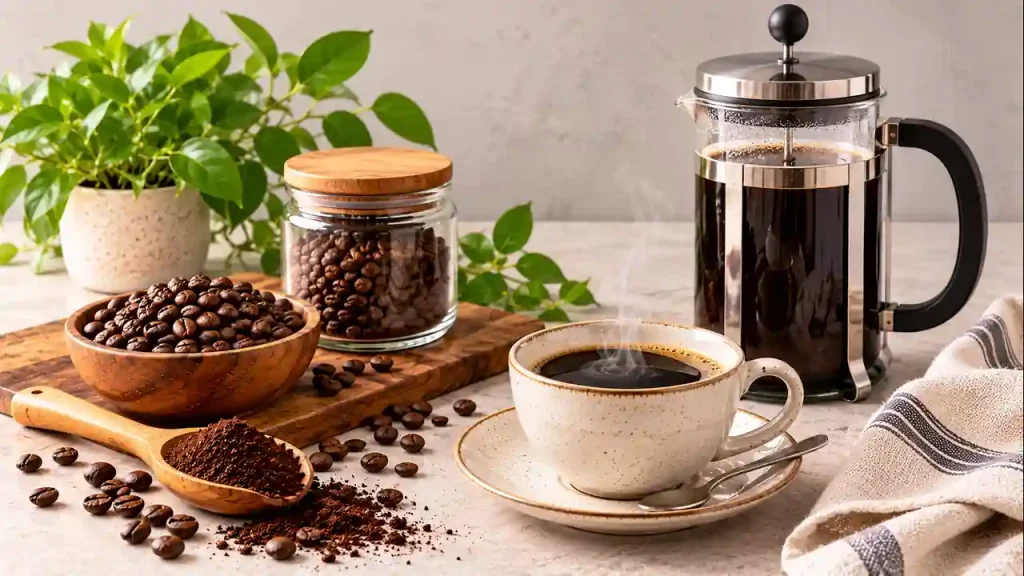
Sometimes you do not want another beverage. You want coffee—just with much less caffeine. In that case, decaf is arguably the most obvious substitute on this entire list. It preserves the roasted aroma, flavor, brewing process, and familiar morning ritual without requiring you to learn to like a completely different drink.
Decaf does not mean zero caffeine. The FDA reports that an 8-ounce cup of decaffeinated coffee typically contains about 2–15 mg of caffeine, much less than regular coffee but still enough to matter to someone who is extremely caffeine-sensitive. U.S. Food and Drug Administration. For many people who simply want to reduce their caffeine intake, however, decaf solves the problem more directly than replacing coffee with an entirely unrelated beverage.
7. Rooibos Tea

Rooibos (Aspalathus linearis), sometimes called red bush tea, is a South African herbal infusion with a reddish-amber color and a smooth, mildly woody flavor. Unlike black, green, and matcha tea, rooibos does not come from Camellia sinensis and is naturally caffeine-free.
It therefore works particularly well for people who enjoy holding a warm mug in the morning—or later in the day—but do not need their replacement drink to provide stimulation.
Rooibos tends to taste milder and less astringent than strong black tea and can be served plain, with milk, or with lemon. If your priority is a warm drink with no caffeine rather than a drink that tastes exactly like coffee, rooibos is one of the simplest caffeine-free alternatives to coffee to keep at home.
How to Choose the Right Coffee Alternative
There is no single “healthiest” replacement because people are trying to replace different parts of the coffee experience.
- If caffeine is what you want to keep, matcha, chai, or black tea may make sense.
- If caffeine is what you want to avoid, chicory, golden milk, and rooibos fit that goal more clearly.
- If it is the actual taste and ritual of coffee that you would miss, decaf is usually the least disruptive change.
And if coffee is causing persistent palpitations, digestive symptoms, anxiety, or major sleep problems, changing beverages may help—but recurring symptoms are also worth discussing with a qualified healthcare professional rather than assuming coffee is always the sole cause.
Healthy Morning Habits for Natural Energy
Changing what is in your mug is only one part of feeling awake during the day. Sleep, movement, food, hydration, daylight exposure, stress, and overall health can matter far more than finding the perfect replacement beverage.
- Add some movement. A short walk, stretching session, or workout can help you feel more alert while supporting mood and daily energy expenditure. For a clearer explanation of what does and does not meaningfully influence energy use, see our guide to factors that affect metabolism.
- Get some daytime light. Light is an important signal for the body’s circadian system. Getting outdoors after waking can help strengthen the contrast between daytime and nighttime, but there is no universal 10- or 15-minute prescription that works identically for everyone. Research associates greater daytime outdoor-light exposure with sleep and circadian-related outcomes.
- Build meals around overall nutrition. A morning drink cannot compensate for an eating pattern that consistently leaves you undernourished. Our guide to diet plans for women explains how to compare eating approaches according to nutritional quality, sustainability, and individual health needs.
- Drink when you are thirsty. Water remains the simplest everyday hydration choice. Fluid requirements vary with body size, activity, climate, diet, pregnancy, breastfeeding, medications, and health status. Coconut water can be an enjoyable drink, but it is not necessary for routine hydration simply because it contains electrolytes.
Final Thoughts
You do not have to quit coffee to benefit from keeping a few reliable alternatives to coffee in your kitchen. Sometimes the goal is reducing caffeine. Sometimes it is avoiding caffeine completely. Sometimes you simply want a different flavor or a warm morning ritual that does not depend on another cup of coffee.
Matcha, chai, and black tea still contain caffeine. Chicory, golden milk, and rooibos do not. Decaf sits somewhere in between: it keeps almost everything people enjoy about coffee while reducing caffeine dramatically. The best coffee alternatives are therefore not the drinks with the longest list of health claims. They are the ones that match the reason you wanted an alternative in the first place—and that you genuinely enjoy drinking.



Leave a Reply