


Nothing compares to a warm, comforting soup with freshly grated Parmesan melting over the top. But if you regularly keep this flavorful cheese at home, knowing how to store parmesan cheese properly can help preserve its texture, aroma, and quality. Known in its authentic Italian form as Parmigiano Reggiano, this hard, aged cheese generally keeps longer than softer, higher-moisture cheeses such as fresh mozzarella or ricotta.
However, once you open a package, exposure to fluctuating refrigerator air and moisture can compromise its distinct texture and aroma. Knowing how to store parmesan cheese correctly prevents premature drying, protects its delicate flavor, and stops mold growth before it starts.
Quick Answer: The Best Storage Method
If you need to know how to store parmesan cheese after opening, keep it refrigerated and securely wrapped or placed inside an airtight container to keep it from drying out and absorbing surrounding food odors. For authentic Parmigiano Reggiano, the official Parmigiano Reggiano storage guide recommends keeping freshly cut or opened cheese refrigerated and well protected from circulating air.
To preserve its quality, wrap the cheese in food-grade plastic film or seal it inside an airtight glass or plastic container. Commercially grated Parmesan products may have different storage requirements, so follow the manufacturer’s instructions on the packaging.
Does Parmesan Cheese Go Bad?
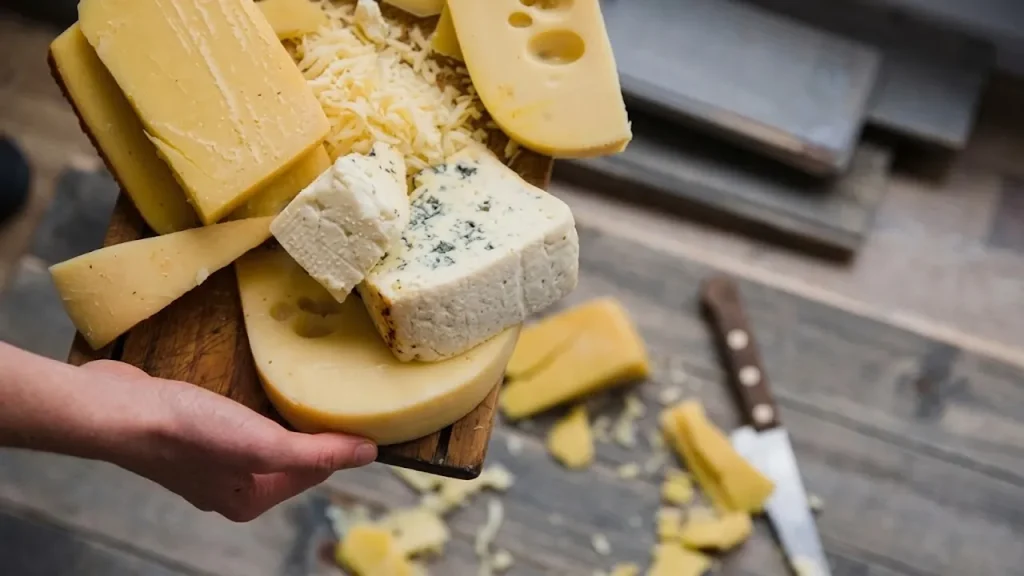
Yes, Parmesan cheese can eventually spoil. Because Parmesan is a hard, low-moisture cheese, it generally keeps longer than softer, higher-moisture cheeses. Improper storage, temperature swings, and trapped moisture can cause surface mold or stale, off-flavors.
Because Parmesan is a solid, hard cheese, a small surface mold spot does not always mean the entire wedge must be thrown away. According to USDA guidance on mold in food, you can trim the affected area and use the remaining hard cheese by following these steps:
- Cut off at least 1 inch (2.5 cm) around and below the mold spot.
- Keep the knife completely out of the mold itself to avoid cross-contaminating the clean section.
- Rewrap the trimmed wedge in clean, fresh wrapping.
Important Safety Distinction: This USDA trimming rule applies only to solid hard-cheese blocks. If mold appears in grated, shredded, or crumbled Parmesan, discard the entire package. Mold can spread more easily throughout loose cheese particles.
How to Store Parmesan Cheese
Understanding how to store parmesan cheese depends on whether you have authentic Parmigiano Reggiano, a vacuum-packed wedge, freshly grated cheese, or a commercially packaged grated product. For home food safety, keep your refrigerator at 40°F (4°C) or below, as recommended by the FDA food-storage safety guidance. The Parmigiano Reggiano Consortium recommends keeping freshly cut or vacuum-packed Parmigiano Reggiano refrigerated. It should also be well protected from air and surrounding odors.
1. Storing a Whole Wedge or Block
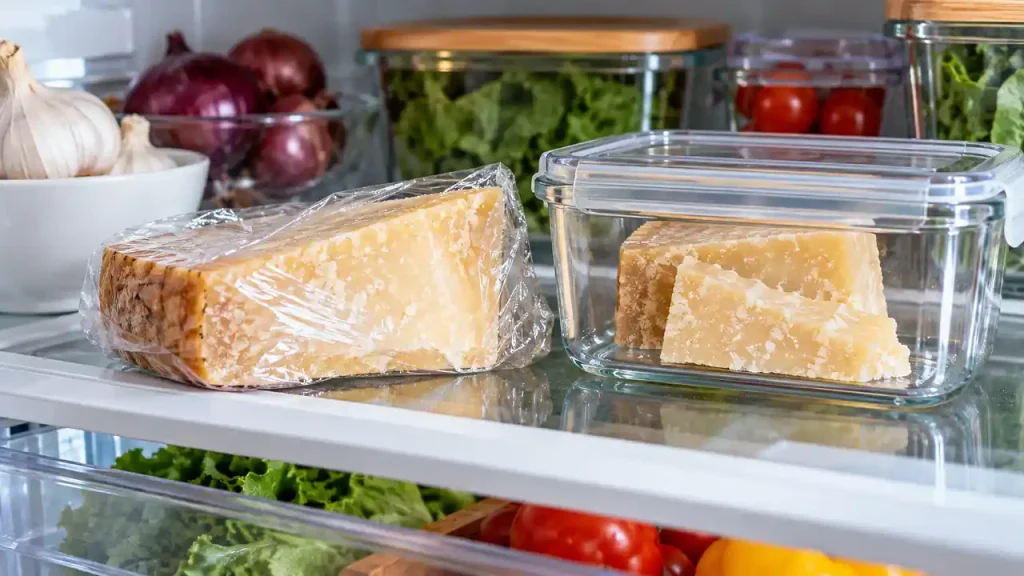
After opening, keep the cheese well protected from circulating air in the refrigerator. For everyday home storage, keep Parmesan refrigerated rather than leaving an opened wedge at room temperature for extended periods. The Parmigiano Reggiano Consortium recommends using food-grade plastic film or placing the cheese in an airtight glass or plastic container.
Keep it stored away from pungent foods like sliced onions or garlic, as cheese naturally absorbs volatile aromas from its environment. Keep the wrapped cheese away from strongly scented foods, since its fat can absorb surrounding odors. Once exposed to air, the cheese gradually loses moisture, causing the outer edges to become firmer—proper covering keeps the rind and paste in balance.
2. Storing Freshly Grated and Packaged Products
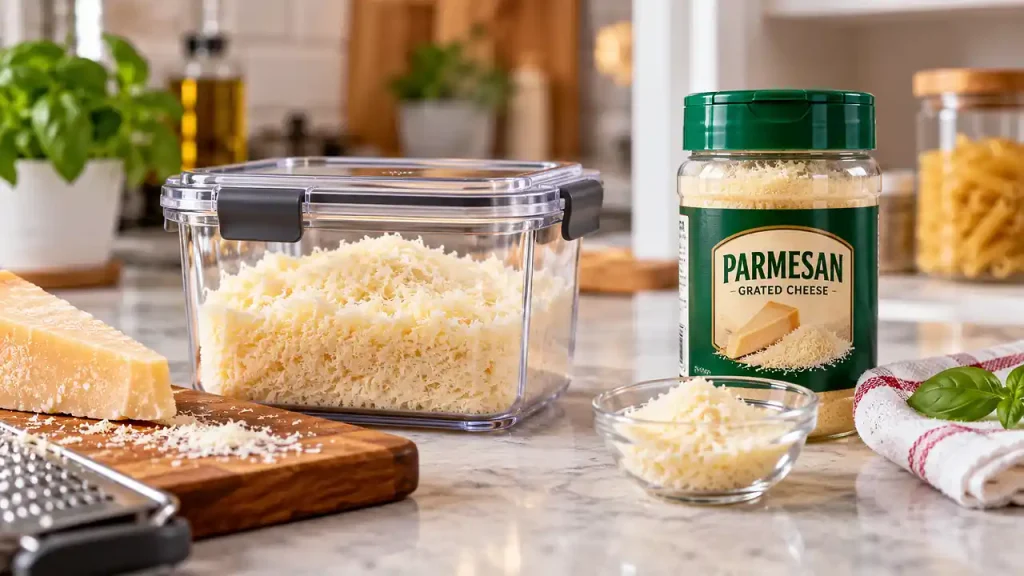
Because grated Parmesan has more surface area exposed to air, it can dry out and lose flavor faster than a whole wedge.
- Freshly Grated Cheese: Store it in a clean, airtight container or sealed food-storage bag in the refrigerator.
- Commercial Shelf-Stable Grated Cheese: Unopened containers can typically remain in a cool, dry pantry until the printed expiration date. Once opened, refrigerate the container promptly if indicated on the label to retain its quality.
Can You Freeze Parmesan Cheese?
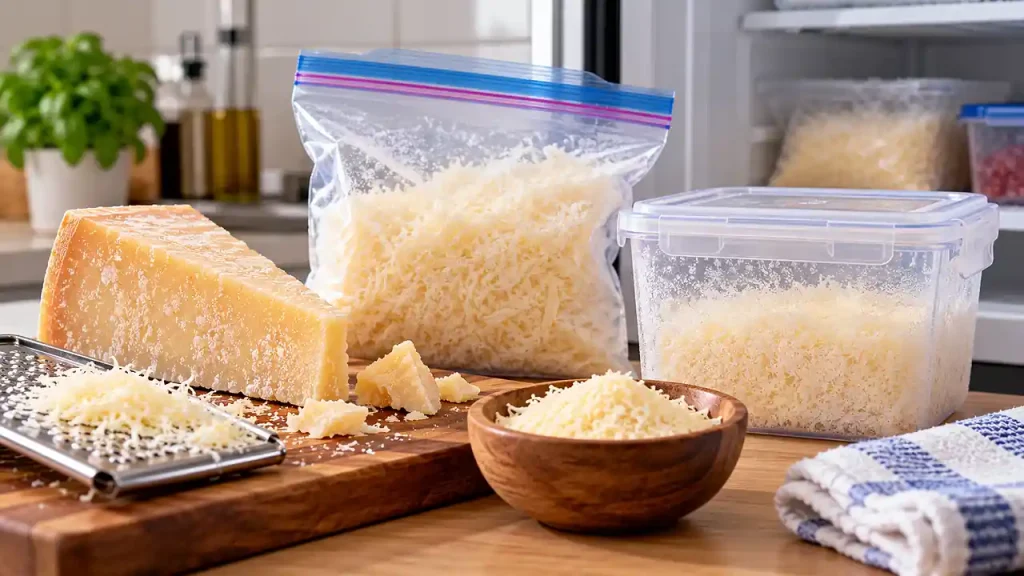
Although Parmesan can physically be frozen, the official Parmigiano Reggiano Consortium does not recommend freezing authentic Parmigiano Reggiano. For the best flavor, aroma, and texture, proper refrigeration is the preferred storage method.
If you choose to freeze grated Parmesan for cooking, store it in a tightly sealed freezer-safe container and expect some loss of texture or quality. For commercially packaged products, follow the manufacturer’s storage instructions.
How Long Does Parmesan Cheese Last?

Shelf life depends heavily on whether the cheese is freshly cut, vacuum-sealed, or commercially pre-packaged:
| Parmesan Type | Storage Guidance & Shelf Life |
| Vacuum-packed, unopened Parmigiano Reggiano | Refrigerate; follow the manufacturer’s printed best-before date (can last several months unopened). |
| Opened / fresh-cut, aged 12–18 months | Keep refrigerated; consume within approximately 15 days. |
| Opened / fresh-cut, aged 24+ months | Keep refrigerated; consume within approximately 1 month. |
| Commercial grated Parmesan | Follow the storage instructions and date guidance printed on the package; requirements vary by product. |
| Frozen Parmesan | Freezing authentic Parmigiano Reggiano is not recommended by the official Consortium because quality may suffer. |
(Note: Data for fresh-cut authentic wedges reflects storage guidance established by the Consorzio del Formaggio Parmigiano Reggiano).
Much like evaluating how long cheesecake is good for in the fridge, respecting individual dairy moisture levels and proper packaging is the best way to prevent food waste.
How to Tell If Parmesan Cheese Has Gone Bad
While hard cheeses have a generous window of freshness, examine your cheese for these definitive signs of spoilage before grating it over meals:
- Abnormal or Sour Odor: Authentic Parmesan smells rich, nutty, and savory. An ammonia-like, sour, or rancid smell indicates microbial breakdown.
- Extensive or Deep Mold: While a small isolated surface spot can be cut away from a solid block, widespread blue, green, or black mold patches mean the cheese should be discarded.
- Unusual Discoloration or Texture: Unexpected dark discoloration, sliminess, or other major changes in appearance or texture can be signs that the cheese has deteriorated.
- Clumping and Moisture in Grated Cheese: If pre-grated cheese feels damp, sticky, or shows clumped fuzz inside the container, throw it out immediately.
According to the FDA, spoiled foods often develop abnormal flavors, odors, or textures, though harmful foodborne pathogens can sometimes develop without obvious sensory warnings. If in doubt, do not risk foodborne illness.
What to Do With Parmesan That Has Dried Out
If a piece of Parmesan has simply become hard and dry from exposure to refrigerator air but exhibits no mold, foul odors, or discolouration, do not throw it away.
- Grate It Fine: Dried cheese grates easily with a fine microplane into a powdery dusting ideal for hot bowls of broccoli cauliflower cheese soup or baked casseroles, where melting heat softens the firmer texture.
- Simmer the Rinds: If the dried exterior or leftover rind is too hard to grate comfortably, save it in a freezer-safe bag. Drop the hard rind directly into simmering soups, stews, or pasta sauces to impart deep, savory umami depth, removing what remains of the softened rind before serving.
Final Thoughts
Learning how to store parmesan cheese doesn’t require complicated equipment. Keep opened cheese refrigerated, protect it from air and strong food odors, and follow the package instructions for commercially grated products. For authentic Parmigiano Reggiano, proper refrigeration is preferable to freezing and helps preserve the flavor, aroma, and texture that make the cheese distinctive.



Leave a Reply