


If you want to lighten skin tone because of acne marks, sun spots, or uneven patches, start by identifying what changed. Darker areas can improve with sun protection and suitable treatment, but harsh scrubbing or homemade bleaching mixtures may make them worse. This guide focuses on fading unwanted pigmentation while keeping skin comfortable. Your natural complexion does not need correcting.
What Does It Mean to Lighten Skin Tone?
The aim is to reduce excess pigmentation in particular areas, helping them look closer to the surrounding skin. Hyperpigmentation means a patch contains more pigment than nearby skin. It is different from temporary dullness caused by dryness, and a moisturizer cannot treat every cause.
The practical starting point: use daily sun protection, avoid irritating products, and introduce one suitable treatment at a time. Persistent or unexplained discoloration needs assessment before you spend money on stronger products.
Why Does Skin Become Uneven?
Several conditions can look similar but need different care:
- Post-inflammatory hyperpigmentation: flat dark marks left after acne, eczema, burns, or other inflammation.
- Melasma: blotchy patches, often on both cheeks, the forehead, or upper lip; sunlight and hormonal factors can contribute.
- Sun-related spots: pigmentation associated with accumulated sun exposure.
- Dryness or irritation: flaking and an uneven surface can make the complexion look dull.
A flat mark after a pimple differs from an indented acne scar. Pigment treatments may improve color, but they do not necessarily correct a scar’s texture. Avoid diagnosing every new brown spot as harmless pigmentation.
10 Practical Ways to Care for Uneven Skin Tone
1. Make Sunscreen Your Daily Foundation

Choose a broad-spectrum, water-resistant sunscreen with SPF 30 or higher. Apply it to exposed skin before going outside, and reapply about every two hours outdoors and after swimming or sweating, following the label. For melasma or persistent dark patches, tinted sunscreen containing iron oxides can also help protect against visible light that worsens pigmentation. Choose a shade you feel comfortable wearing regularly. A hat and shade add protection. Sunscreen helps prevent further darkening; it does not instantly remove existing marks.
2. Restore Comfort With Gentle Cleansing and Moisturizing
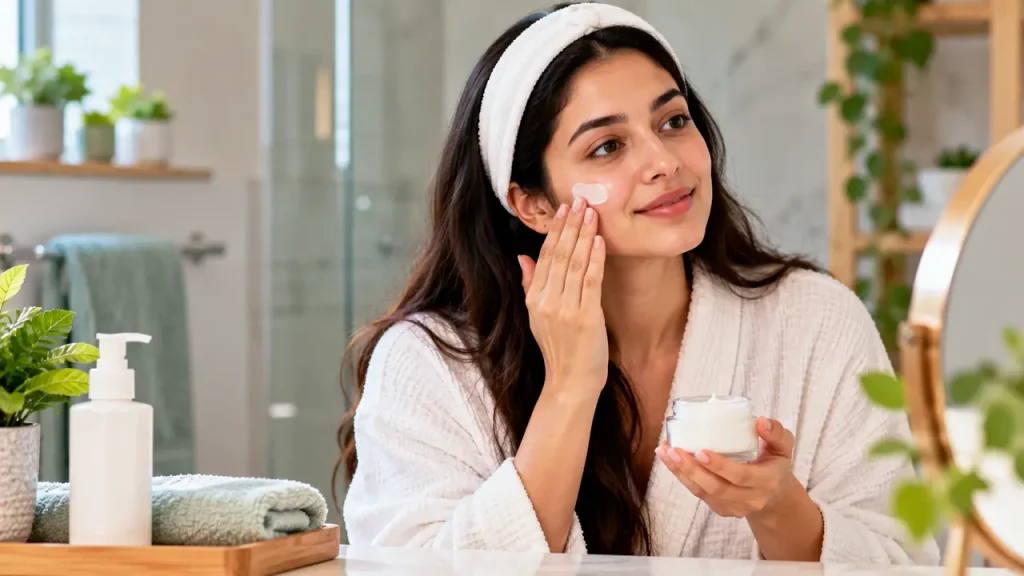
A face that feels tight after washing needs gentler care, not more scrubbing. Use lukewarm water and a mild cleanser, then pat rather than rub with a towel. Apply a fragrance-free moisturizer while the skin is slightly damp. A cream may suit dry areas better than a lightweight lotion. This can improve flaking and comfort, although hydration alone does not erase excess pigment. A toner is optional. Adding another bottle will not help if its fragrance or alcohol irritates your skin.
3. Treat the Breakouts or Rash Causing New Marks
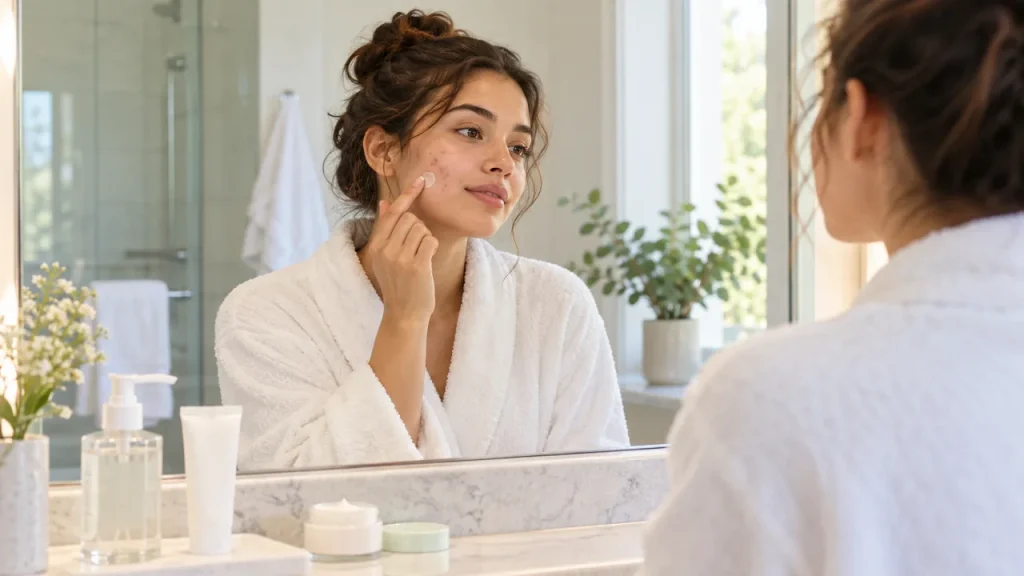
Fading yesterday’s acne mark is frustrating when another pimple leaves a new one. Addressing active acne or eczema helps interrupt that cycle. Avoid picking, squeezing, or repeatedly rubbing inflamed areas. Use appropriate treatment rather than applying a brightening serum over an untreated rash. Painful, deep breakouts or recurring eczema deserve professional advice. If a product leaves you persistently itchy or burning, stop using it and review the routine. More inflammation can mean more discoloration, especially in skin that readily develops dark marks.
4. Consider Niacinamide as One Treatment Option

Topical niacinamide may help uneven pigmentation and support the skin barrier. It appears in both serums and moisturizers, so a separate serum is not always necessary. Choose a clearly labeled formula and follow its directions. A higher percentage is not automatically a better match, especially if you have sensitive skin. Research on an ingredient does not guarantee that every product containing it performs equally well. Results depend on the formulation, the pigmentation being treated, and whether your skin tolerates consistent use.
5. Use Topical Vitamin C With Realistic Expectations

A formulated vitamin C product may help lighten skin tone in areas affected by excess pigmentation. It is an option, rather than an essential step for everyone. Start with one product instead of combining several brightening serums. Follow storage instructions because stability varies between formulas. Reduce use or stop if irritation develops. A vitamin C serum is different from lemon juice, and neither replaces sunscreen. Licorice-derived ingredients also appear in formulated pigment products, but evidence is more limited; raw extracts from a health-food shop are not equivalent skincare treatments.
6. Ask Whether Azelaic Acid Fits Your Concern

Azelaic acid can help some people with acne and the dark marks that follow it. It may also be used for melasma, depending on the treatment plan. Availability and strengths vary by country. Ask a pharmacist or dermatologist which formulation fits your skin, particularly if you already use acne medication. It can sting or irritate sensitive skin, so follow the product’s instructions and stop for a significant reaction. Treating acne and pigmentation with one suitable ingredient can be simpler than building a crowded shelf of products.
7. Keep Exfoliation Optional and Gentle

Exfoliation can smooth the surface, but it is not necessary for everyone. Aggressive exfoliation can cause irritation and further darkening. Skip abrasive sugar scrubs, stiff brushes, and repeated rubbing. If you use an exfoliating product, choose one suited to your skin and follow its schedule. Avoid exfoliating sunburned, broken, or already irritated skin. Do not add an acid exfoliant simply because a retinoid or acne treatment causes peeling. That can compound the irritation. Feeling sore or looking raw is a reason to pause, not evidence that pigmentation is being removed.
8. Replace Homemade Bleaching Mixtures With Simpler Care

Leave lemon juice and harsh kitchen mixtures off your face. Citrus exposure followed by sunlight can cause a skin reaction that leaves discoloration. Rose water is not an established treatment for hyperpigmentation. Fragranced botanical products and essential oils can also irritate some people; “natural” does not establish safety. A hydrating mask may be enjoyable, but it is optional. Deciding how often to use a face mask depends on its ingredients and your tolerance. Follow the label, and do not combine an exfoliating mask with several other irritating treatments.
9. Eat for Health Without Expecting Food to Bleach Skin

Vitamin C supports normal collagen formation. Fruits and vegetables such as oranges, peppers, broccoli, and strawberries can contribute to your intake. A varied healthy eating plan supports nutritional needs, but food should not be presented as a guaranteed treatment for pigmentation. Vitamin C tablets are not an established substitute for a targeted skincare plan. Supplements may be appropriate for an identified nutritional need. Taking larger doses solely for a lighter complexion is not a sound treatment strategy. Similarly, vitamin D skin care should not involve deliberate unprotected sun exposure.
10. Choose Professional Treatment After a Diagnosis

Microdermabrasion is not something everyone should “try at least once”. Chemical peels and lasers can help selected conditions, but they can also worsen pigmentation. Consult a dermatologist experienced with your skin tone before booking a procedure. Ask what condition is being treated, the likely benefit, possible pigment changes, and required aftercare.
Prescription options, including hydroquinone or retinoids, may be appropriate under supervision. Avoid mercury-containing skin-lightening products and unverified bleaching creams. Never apply household bleach. Avoid retinoids and hydroquinone during pregnancy; discuss alternatives with your clinician.
Build a Routine You Can Actually Maintain
| Time | Basic routine |
| Morning | Gentle cleansing as needed, moisturizer, then sunscreen |
| Evening | Cleanser, one suitable treatment according to its directions, then moisturizer |
| If irritation develops | Pause the irritating product and seek advice if symptoms persist. |
Test new products on a small area before wider use. For ordinary skincare products, repeated testing over seven to ten days can reveal a reaction; follow any medicine-specific instructions instead. Introduce products separately so you can identify what caused a problem. A mask, toner, exfoliant, and multiple serums do not all need a place in the same routine.
How Long Will Improvement Take?
Trying to lighten skin tone requires patience. Some relatively superficial dark marks fade over six to twelve months once their trigger is controlled; deeper pigmentation can take longer. Treatment may help, but there is no universal deadline. Take occasional photographs in similar lighting. Look for fewer new marks and gradual changes. Melasma can recur, so maintenance matters even after improvement.
When Should You See a Dermatologist?
Seek assessment for a new or changing spot, especially one that grows, bleeds, itches, or looks different from your other marks. Also seek advice for unexplained widespread discoloration or persistent irritation. If pigmentation affects your confidence, treating it is a valid choice. Support around body shame can also help you make decisions without feeling pressured to change your natural complexion.
Frequently Asked Questions
1. Can Rose Water Remove Dark Spots?
It should not be relied on as a pigment treatment. A product may feel refreshing without having evidence that it fades dark spots.
2. Should I Start Several Brightening Ingredients Together?
No. Introduce one at a time and monitor tolerance. A dermatologist can advise on combinations when a single treatment is insufficient.
3. Can I Treat Dark Spots During Pregnancy?
Some treatments may be suitable, but check with your pregnancy clinician first. Avoid retinoids and hydroquinone during pregnancy. Sun protection and gentle care remain useful, and your treatment plan may need adjustment during breastfeeding too.
Final Thoughts
If your goal is to lighten skin tone in areas with unwanted pigmentation, start with sun protection, gentle care, and a treatment suited to the cause. Skip harsh scrubs and promises of overnight results. Give a tolerable routine time to work, and seek advice for stubborn or changing marks. You can care about clearer, more even skin while respecting the complexion you already have.



Leave a Reply