


If you are wondering how to lose face fat, the first thing to know is that you cannot reliably choose where your body loses fat. Facial exercises, extra water, and a week of strict dieting do not guarantee slimmer cheeks. Facial fullness may reflect body fat, normal facial structure, temporary puffiness, or a health issue that needs assessment.
This guide is for adults. Children, teenagers, and people who are pregnant need advice suited to their circumstances before pursuing weight loss. If you are already at a healthy weight, further weight loss may be unnecessary. A fuller face is not, by itself, evidence that something needs fixing. Start by understanding what has changed before deciding what to do.
Can You Lose Fat Only From Your Face?
There is no reliable exercise routine that selectively burns cheek or chin fat. A systematic review of localized exercise found no overall spot-reduction effect. The review did not directly test a facial slimming routine, so its findings should not be presented as one.
When overall fat loss is appropriate, your face may change, but the location, degree, and timing vary. Exercise cannot guarantee a particular jawline. Understanding how to lose face fat therefore means separating realistic weight-management choices from promises about changing one body part.
Facial Fat, Puffiness, or Swelling?
A face that looks fuller in a photograph is not a diagnosis. Camera distance, angle, lighting, and expression can also affect your impression.
| What you notice | A sensible next step |
| Longstanding fullness without symptoms | Consider whether it is your usual facial structure. |
| Mild fullness that comes and goes | Notice the pattern without assuming it is fat gain. |
| Gradual change alongside overall weight change | Discuss weight management if appropriate. |
| New, persistent, painful, or one-sided swelling | Arrange a medical or dental assessment. |
| Sudden swelling with breathing or swallowing difficulty | Seek emergency care. |
These patterns overlap and cannot establish a cause. Do not treat rapid swelling as a cosmetic weight problem.
10 Practical Steps to Consider
The most useful approach to how to lose face fat begins with appropriate goals. These steps support health and informed decisions; none guarantees a smaller face.
1. Decide Whether Weight Loss Is Appropriate
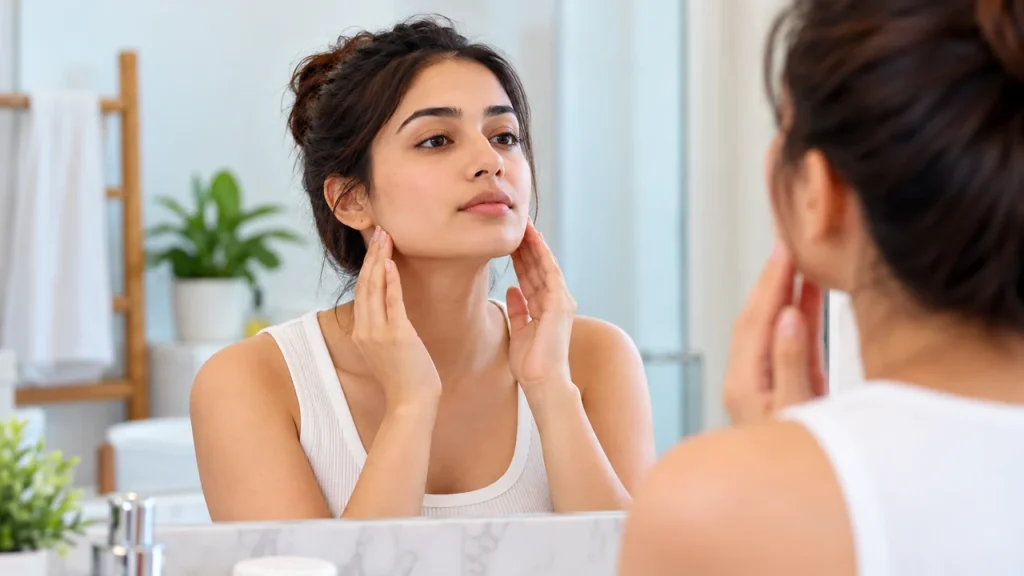
Consider your overall health and weight history rather than judging your needs from your cheeks. If you are unsure, a clinician or registered dietitian can help assess whether weight loss would be beneficial. Avoid starting a restrictive diet simply because a filtered photograph or beauty trend makes your face look different. Healthy bodies do not all have the same facial shape.
2. Use a Sustainable Eating Pattern

If weight loss is appropriate, it generally requires an eating pattern that provides less energy than you use over time. That does not mean skipping meals or eating as little as possible. Build a healthy eating plan around satisfying meals you can maintain. The goal is adequate nutrition and consistency, not an aggressive attempt to change your face before an event.
3. Keep Carbohydrates in Perspective

Bread, rice, pasta, and fruit do not automatically prevent fat loss. Carbohydrate foods differ in nutritional value, portion size, and how they fit into your meals. Include suitable fiber-rich foods, such as beans, oats, vegetables, and whole grains. You can adjust portions without declaring an entire nutrient your enemy or assuming every carbohydrate becomes facial fat.
4. Include Protein Without Building a Fad Diet

Protein can help you put together satisfying meals, but it does not target the cheeks. Eggs, fish, yogurt, lentils, beans, and tofu offer different options. If you eat little meat, consider practical alternative protein sources. A meal might combine lentils, vegetables, and rice rather than replacing every carbohydrate with a protein shake or expensive supplement.
5. Review Sugary Drinks and Frequent Extras

Sweetened drinks, large specialty coffees, and frequent snacks can contribute energy without being particularly filling. If these are common in your routine, choose a manageable adjustment. For example, replace one habitual sweetened drink with an unsweetened option you enjoy. You do not need to label sugar a poison, eliminate fruit, or assume an occasional dessert has undone your progress.
6. Stay Normally Hydrated

Drink regularly according to your needs, especially in heat or during activity. Follow individualized fluid advice if you have a condition that requires restriction. Extra water does not selectively dissolve facial fat. Nor should you deliberately dehydrate yourself to look less puffy. Keep hydration comfortable and consistent instead of forcing a large volume before photographs or using water to replace meals.
7. Look at Sodium and Alcohol Habits

If you notice puffiness after certain meals or drinking occasions, keep a simple record rather than assuming the change is fat. Reducing heavily salted packaged foods may help you moderate sodium intake. Alcohol also adds energy, and drinking less can support broader health goals. Neither adjustment guarantees a sharper jawline. Persistent swelling should be assessed rather than repeatedly blamed on last night’s dinner.
8. Choose Movement You Can Repeat

Walking, cycling, swimming, dancing, or another enjoyable activity can support fitness and weight management. Start at a level that fits your health and experience, then build gradually. There is no need to burn a fixed number of calories every day. Comparing different types of gyms may help if instruction or a regular class makes activity easier to maintain.
9. Add Appropriate Strength Training

Strength training can support muscle and everyday function as part of an overall activity routine. It cannot tell your body to remove fat from your face. Use suitable resistance and learn the movements before increasing the load. If you have medical conditions, injuries, or uncertainty about exercise, ask for appropriate guidance. More demanding training is not automatically more useful for your goal.
10. Protect Sleep and Review Your Routine

Aim for a regular sleep schedule that leaves you adequately rested. Sleep supports health and can influence how manageable eating and activity routines feel. A few sustainable health habits are more useful than repeatedly switching diets. If facial changes began after a new medicine, discuss them with the prescriber. Do not stop prescribed treatment to change your appearance.
Can Facial Exercises or Massage Help?

Facial movement can exercise muscles, but that is different from showing that it removes nearby fat. Current evidence does not justify promises that fish lips, chin lifts, tongue stretches, or repeated chewing produce a slimmer face.
Massage, rollers, and gua sha should not be presented as fat-removal treatments either. A temporary change in appearance does not establish fat loss. Avoid forceful jaw exercises, painful stretching, or aggressive pressure. Stop if an activity causes discomfort. You do not need to train your jaw repeatedly to make an otherwise healthy face acceptable.
How Long Does It Take?
There is no reliable one-week answer to how to lose face fat. Overall weight change and facial appearance do not follow a predictable shared timetable. A rapid change over a few days may involve fluid shifts rather than meaningful facial fat loss. Conversely, healthier habits can improve your wellbeing without creating the facial outline you expected. Evidence-based eating and activity guidance for weight management emphasizes an approach you can sustain. Avoid crash diets, laxatives, diuretics, or detox products for cosmetic slimming.
What Can You Do in the First Week?
If you searched for how to lose face fat before an upcoming event, use the week to establish a routine rather than chase a transformation. Choose one meal adjustment, one realistic activity, and a regular bedtime. Keep ordinary hydration steady. If you suspect a pattern of puffiness, note when it occurs and whether there are other symptoms.
Measure progress through actions you can control: preparing lunch, taking a comfortable walk, or attending a planned appointment. Repeatedly measuring your jawline or checking photographs throughout the day is unlikely to clarify whether fat has changed. Review the routine later, without making food intake increasingly restrictive because your face looks similar.
When Should Facial Fullness Be Checked?
Seek emergency care for sudden facial, lip, or tongue swelling with breathing difficulty or trouble swallowing. New swelling with significant pain, fever, redness, or dental symptoms also needs prompt assessment.
Persistent or unexplained changes deserve a clinical discussion, particularly when they follow a medicine change or occur with other symptoms. There are several possible causes of facial swelling; a photograph or online checklist cannot identify the cause. Describe when it started, whether it changes during the day, and any associated symptoms. This is more useful than beginning a stricter diet.
Common Questions
1. Should You Lose Weight if Only Your Cheeks Bother You?
Not automatically. If your weight is appropriate for your health, further loss may offer no benefit and may not produce the desired facial change. Working on body confidence can accompany practical health decisions without requiring you to love every photograph.
2. Can You Keep Facial Fullness While Losing Weight?
You cannot precisely control where fat is lost or retained. Discuss your broader goals with a qualified professional rather than relying on a program that guarantees particular facial proportions.
Final Thoughts
Learning how to lose face fat starts with realistic expectations: targeted facial fat loss is not reliably achievable through exercises or quick fixes. Consider whether weight loss is appropriate, distinguish puffiness from persistent swelling, and choose sustainable habits. A healthy face does not need a particular jawline, and a new medical symptom deserves assessment rather than cosmetic dieting.



Leave a Reply