


Choosing between different types of gyms can feel harder than starting your first workout. One place advertises endless equipment, another promises a close-knit community, and a third fits your budget but closes before you finish work. The best choice is the one that supports your goals, gives you appropriate guidance, and fits into ordinary life.
You do not need to become fitter before joining. For most beginners, the best starting point is a convenient facility with an instructor and patient coaching. Compare types of gyms by the help you need, not by how impressive the equipment looks.
A Quick Comparison of Your Options
These types of gyms often overlap, so one facility may offer several of the services listed below. A general-purpose gym can offer round-the-clock access, personal training, and group classes. Compare the services at each location rather than assuming the label tells you everything.
| Gym format | Worth considering when you want | Check before joining |
| General-purpose gym | Equipment variety and independent workouts | Induction and peak-hour crowding |
| 24-hour access gym | Flexible training hours | Staff availability and emergency procedures |
| CrossFit gym | Coached, varied group workouts | Beginner instruction and adaptations |
| Personal training studio | Individual guidance | Qualifications and session costs |
| Women-only gym | A women-focused environment | Privacy and equipment provision |
| Group fitness studio | Scheduled, instructor-led classes | Class levels and booking rules |
| Powerlifting gym | Focused strength training | Beginner coaching and safety equipment |
| Sports club | Swimming, courts, or sporting activities | Facility access and extra charges |
8 Gym Options to Match Your Goals and Lifestyle
Each gym format offers a different mix of equipment, coaching, and activities. Some suit independent workouts, while others provide more structured guidance. Compare the options below with your goals, schedule, and budget in mind.
1. General-Purpose Gyms
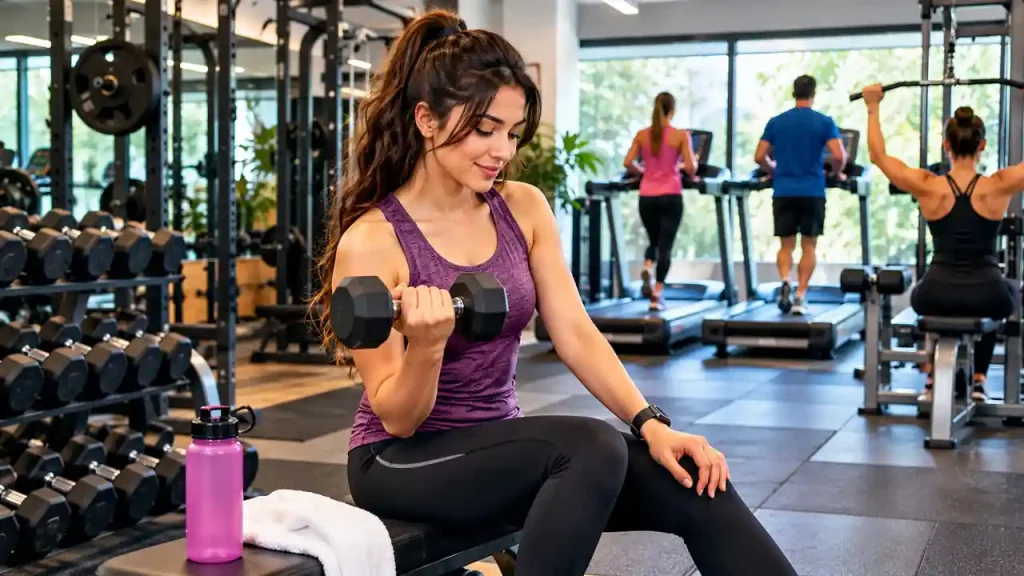
These facilities usually combine cardio equipment, resistance machines, and free weights. Some also provide classes, changing rooms, pools, or courts, but those amenities are not universal. This format suits someone who enjoys choosing their own routine or wants several activities in one location. Ask for an equipment induction and visit during the hours you would actually attend.
Check whether classes and coaching cost extra. A lower advertised membership fee may become less attractive once you add the services you need. Monthly, annual, and pay-as-you-go arrangements depend on the individual provider.
2. Gyms With 24-Hour Access
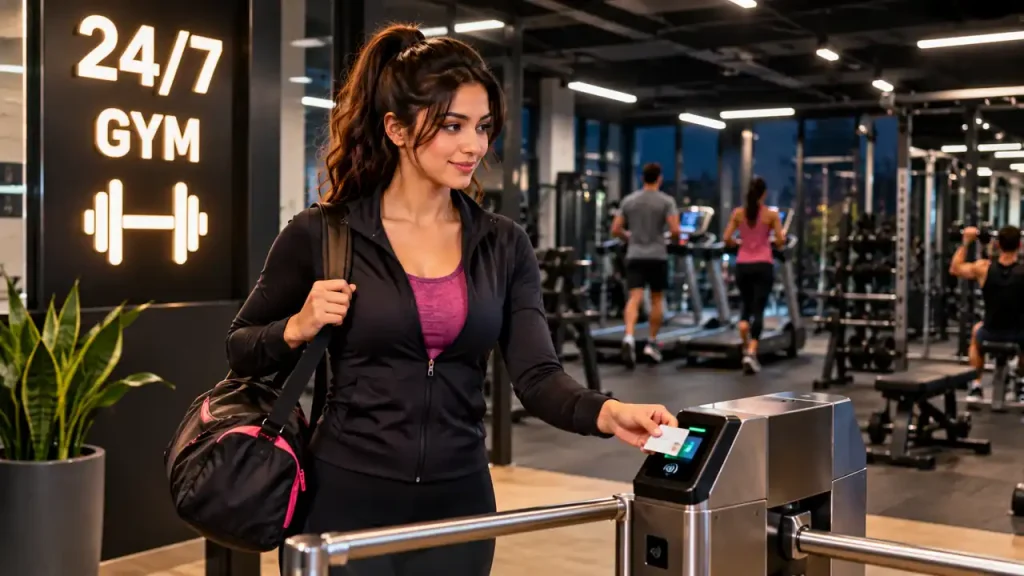
Around-the-clock access can help shift workers, caregivers, and anyone whose schedule changes frequently. However, access hours and staffed hours are different things. Ask when an instructor is available, how entry works, and what happens during a medical emergency. Look at lighting, parking, accessible entrances, and your journey home.
For beginners, an initial visit during staffed hours is useful even if later workouts will happen early or late. Choose a time that fits your routine without regularly sacrificing sleep. An open door at midnight does not mean that midnight is your best training time.
3. CrossFit Gyms
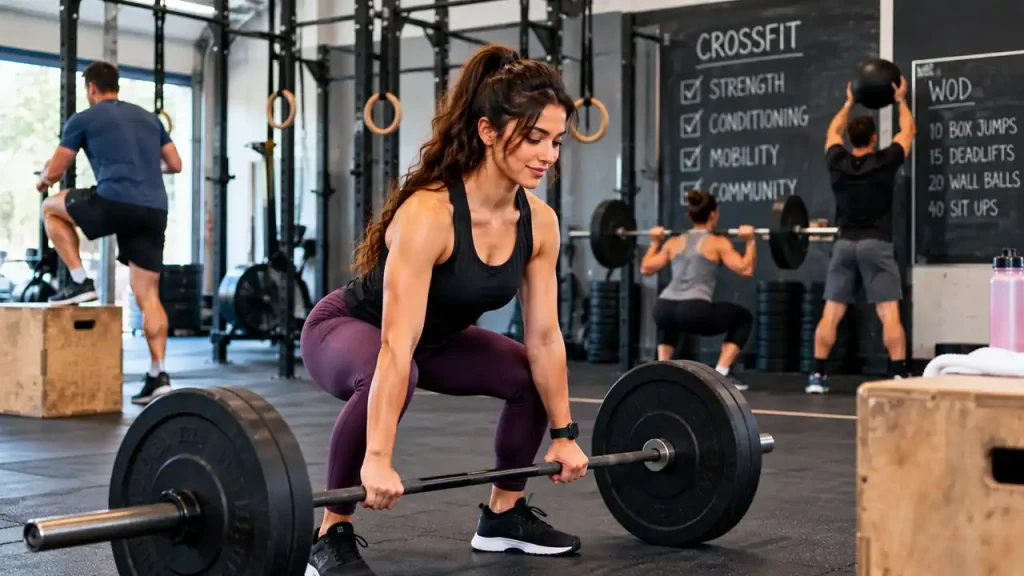
CrossFit combines varied workouts that may include lifting, rowing, bodyweight movements, and other exercises, often in coached groups. It is not reserved for people who are already athletic. CrossFit’s own scaling guidance describes adapting movements, loads, and workout volume to the individual. Ask how a gym introduces beginners and how coaches respond when someone needs a different movement.
Observe whether instruction comes before speed or heavier weights. A credential is useful information, but attentive coaching matters during the actual class. Avoid any promise that one month will produce a particular body shape.
4. Personal Training Studios
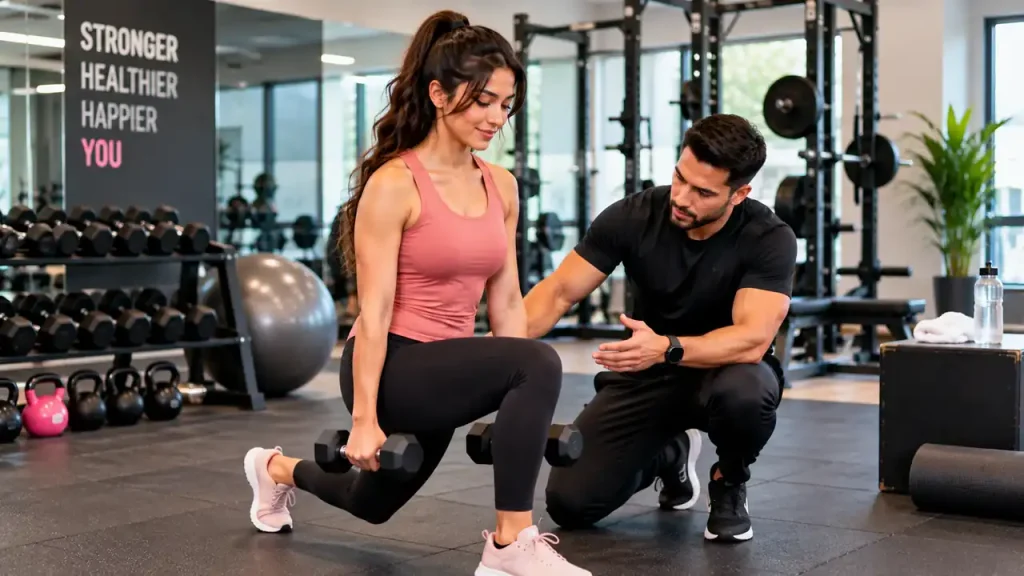
A personal training studio usually emphasizes appointments and individual programming rather than unrestricted access to a large equipment floor. Some offer one-to-one sessions; others use a small-group format. This can suit someone who wants help learning movements, returning to exercise, or organizing a manageable routine. Ask about the trainer’s qualifications, relevant experience, first-aid training, and approach to progression.
Clarify session length, cancellation charges, and whether you can train independently between appointments. A trainer should explain decisions and listen to your concerns. They should also recognize when an issue needs a healthcare professional rather than promising to treat it themselves.
5. Women-Only Gyms
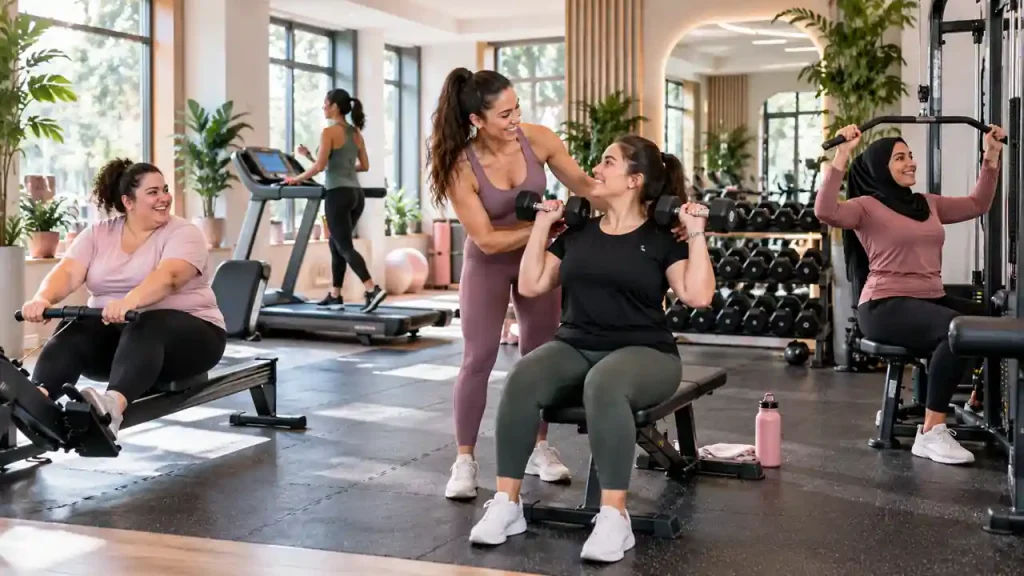
Some women prefer a women-only setting for privacy, cultural reasons, comfort, or community. Others feel equally comfortable in a mixed facility. Either preference is valid. Check whether the entire facility is women-only or whether access applies only to certain rooms or hours. Ask about staff arrangements, privacy policies, changing facilities, and the availability of strength equipment.
A supportive atmosphere should not depend on your body size or experience. Avoid facilities that use body shame as motivation or pressure everyone toward the same appearance. Choose the environment where you can concentrate on learning and moving comfortably.
6. Group Fitness and Boutique Studios
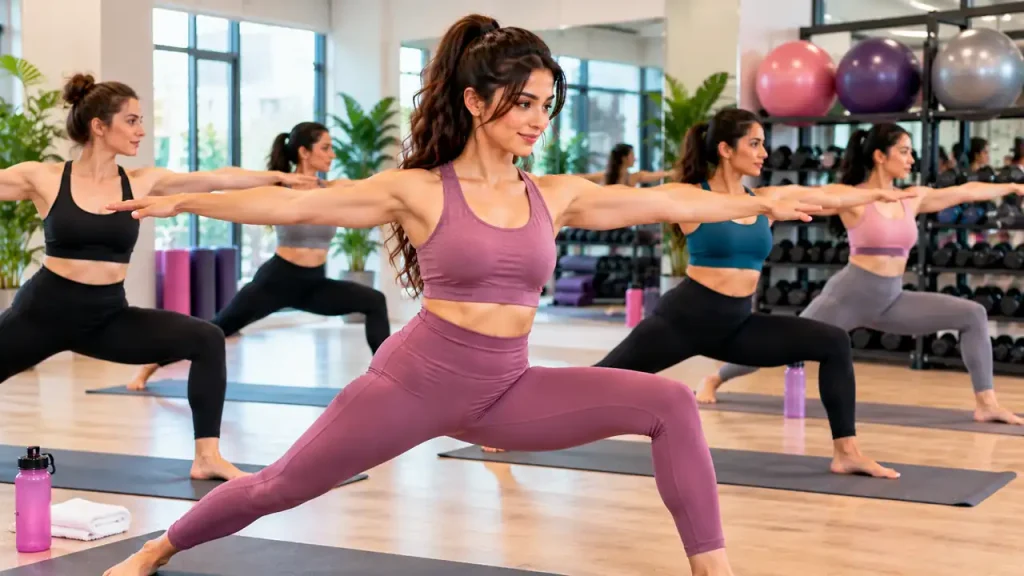
These studios often specialize in activities such as Pilates, yoga, indoor cycling, dance, barre, or circuit classes. Their main attraction is a scheduled session with an instructor and other participants. Choose the activity first, then compare class size, teaching style, and beginner options. A class should allow appropriate alternatives rather than expecting everyone to match the most experienced participant.
If you are exploring yoga for weight loss, also consider whether you enjoy the practice itself. Attendance, comfort, and realistic expectations matter more than a calorie-burning slogan. Check booking deadlines, waitlists, and missed-class fees before buying a package.
7. Powerlifting and Strength-Focused Gyms
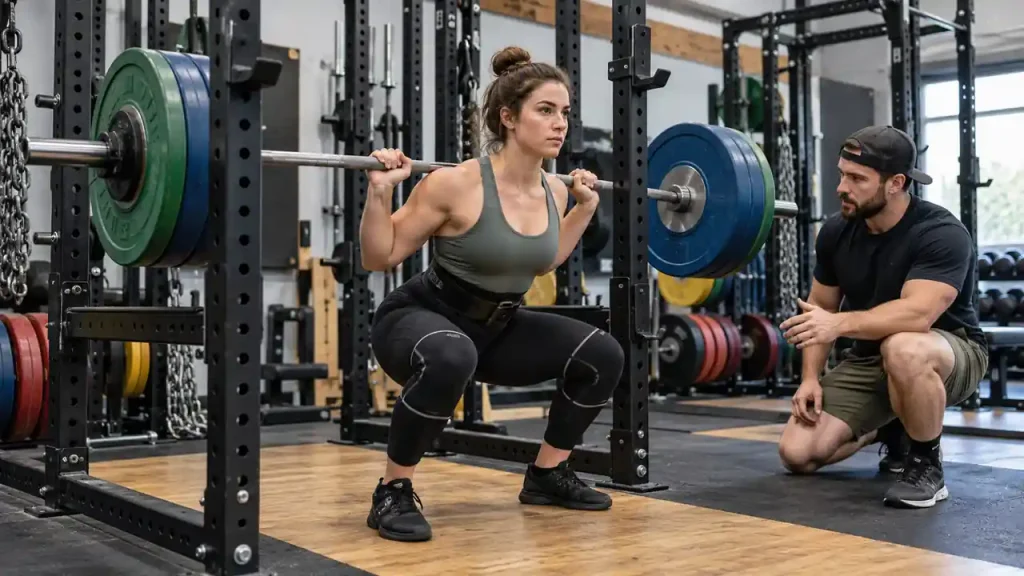
Powerlifting centers on the squat, bench press, and deadlift. Strength-focused facilities may also support bodybuilding or general resistance training, but these are not identical activities. Beginners can train in this setting when suitable instruction is available. You do not need to lift heavy weights immediately or enter competitions.
Look for adjustable equipment, safety bars, appropriate coaching, and a culture that respects gradual progress. Ask whether beginner sessions teach setup and technique before increasing the load. When exploring power exercises, distinguish explosive drills from controlled strength work. Ask which movements fit your current experience.
8. Sports Clubs and Recreation Centers

Swimming, tennis, racquet sports, and other activities can make exercise more appealing if you enjoy developing a skill or playing a game. Community recreation centers may offer several activities alongside gym equipment. Check whether membership includes pool lanes, court bookings, lessons, or only entry to the building. Ask about beginner instruction, accessibility, and the availability of equipment rental.
Visit at your preferred time: a pool filled with lessons or courts booked weeks ahead may not suit spontaneous visits. Community-run facilities deserve consideration alongside private clubs; compare the actual services and total cost rather than assuming one is better.
How to Choose Between the Types of Gyms
Shortlist two or three nearby options, then arrange a trial visit if available. Test the journey and the workout experience on a normal day.
Ask these questions before signing:
- Can I realistically reach this place twice a week?
- Is beginner support included or separately priced?
- Can the equipment and sessions accommodate my needs?
- Do instructors explain alternatives without embarrassment?
- What is the total cost, including joining and annual fees?
- How do cancellation, freezing, and automatic renewal work?
Calculate a practical cost per visit. Divide the full monthly cost by the number of visits you realistically expect to make. Include travel and required extras when comparing options. A cheaper membership across town may be less useful than a nearby facility you can visit regularly. During the trial, notice whether you wait for equipment, understand the instructions, and feel comfortable asking questions. Keep the contract and cancellation instructions rather than relying on verbal promises.
What Should a Beginner Aim For?
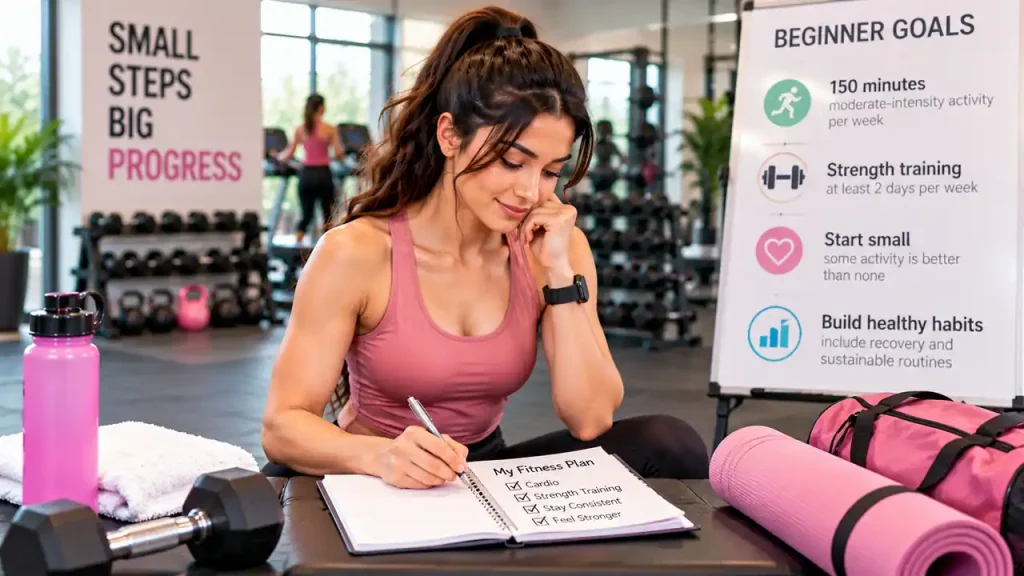
You do not need a punishing first week. The CDC’s adult activity guidance recommends at least 150 minutes of moderate-intensity aerobic activity weekly, or an equivalent amount of vigorous activity, plus muscle-strengthening activity on at least two days. Some activity is better than none, and sessions can be broken into smaller chunks.
Treat that as a direction to build toward. Your starting point depends on your circumstances. Broader health and fitness habits include recovery and sustainable routines, not simply collecting more gym sessions. If an injury, ongoing symptoms, or a health condition affects exercise, seek advice appropriate to your situation. A gym tour is not a medical assessment.
Can You Exercise at Home Instead?
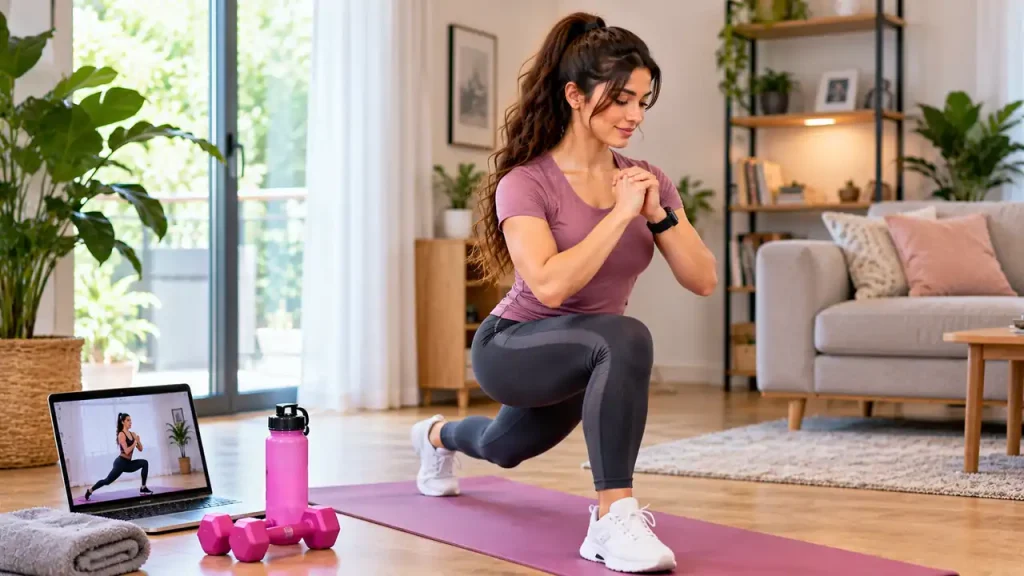
Yes. A clear space, comfortable clothing, and a few suitable movements can be enough to begin. Equipment purchases can wait until you know what you enjoy. The NHS strength-exercise guide offers simple options and recommends building up gradually. Start with movements you can perform comfortably and get guidance if you are unsure about technique. Home sessions can also complement a membership. If a busy day prevents travel, a shorter session may keep the routine manageable without turning a missed visit into failure.
Common Questions Before Joining
1. Which types of gyms are best for beginners?
There is no universal winner. Look for an induction, patient instruction, manageable starting sessions, and a convenient location. A specialist facility can suit a beginner when the coaching fits.
2. Do I need an annual membership?
No. Ask about trial passes, shorter contracts, and class packs. Compare their complete costs before choosing.
3. What should I do on my first visit?
Meet the staff, ask for an orientation, and learn a few suitable movements. You do not need to try every machine or finish exhausted.
Choose the Place You Will Return To
The best types of gyms are the ones that match your preferred activities, available time, budget, and need for support. Try the environment, read the contract, and notice how staff treat beginners before committing. You are choosing somewhere to build skills and enjoy movement, so prioritize a workable routine over impressive promises or the longest equipment list.



Leave a Reply