

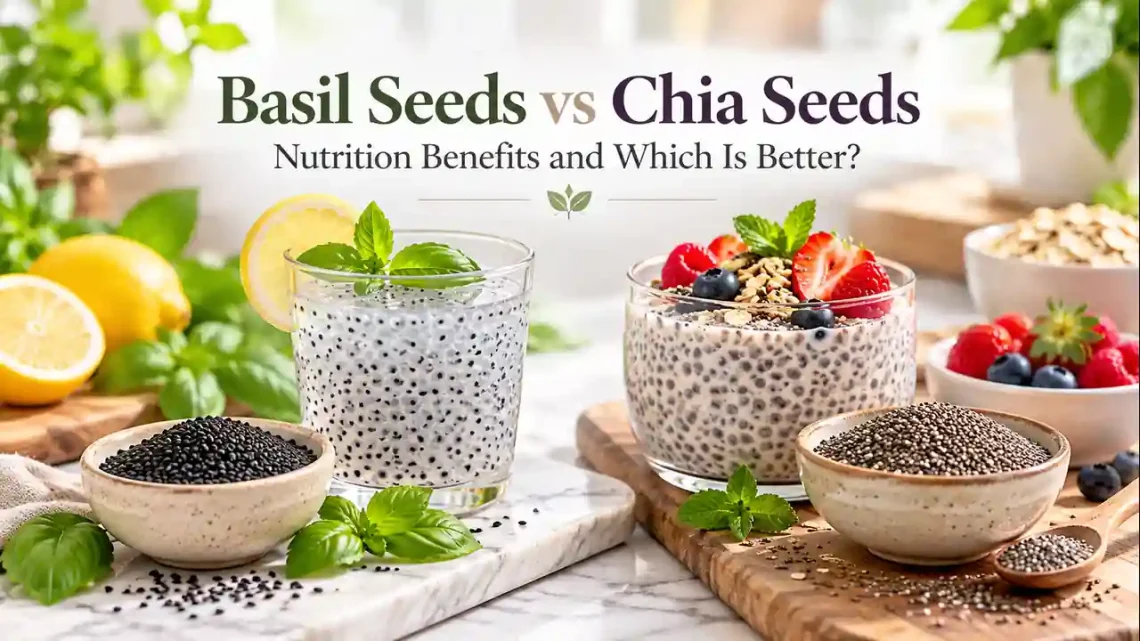
Basil seeds vs chia seeds: which is healthier, and should you eat one instead of the other? Both contain fiber, plant fats, protein, and minerals, but they differ in size, texture, preparation, and how thoroughly their nutrients have been studied. Chia works particularly well in oatmeal and puddings, while basil seeds, also called sabja or tukmaria, give drinks and traditional desserts their distinctive jelly-like texture. The better choice depends on your meals and preferences, not a promise of dramatic health benefits.
Quick answer: Neither seed is a universal winner. Chia has well-documented nutrition data and is convenient for everyday breakfasts. Basil seeds also contain valuable nutrients, including plant omega-3 fats, and are especially useful in beverages. Both can complement a balanced diet; neither treats anemia, diabetes, or heart disease.
What Are Basil Seeds and Chia Seeds?
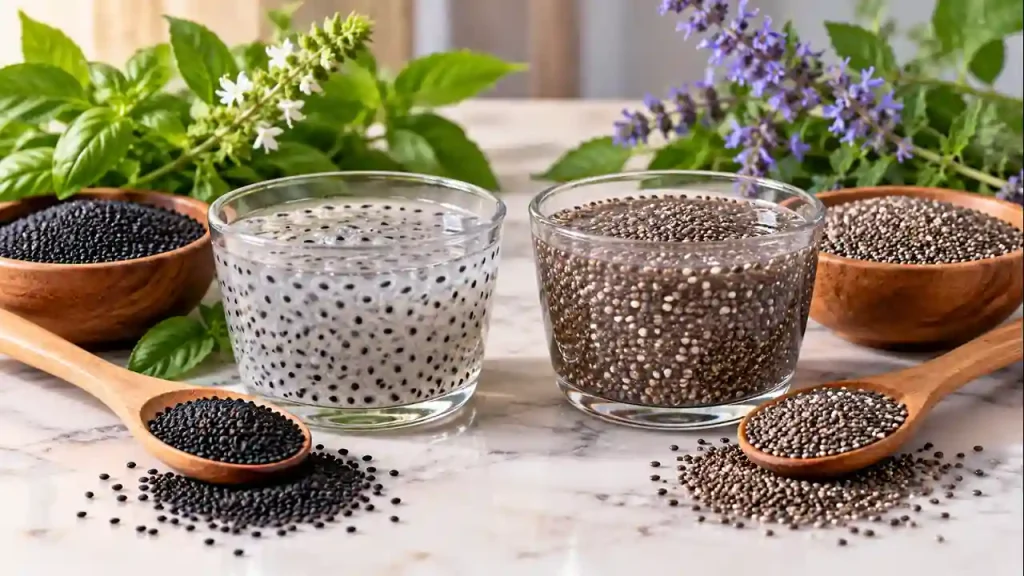
Basil seeds come from sweet basil (Ocimum basilicum), an herb used in cooking. The dry seeds are generally small, dark, and oval. Once hydrated, each develops a transparent gel coating around a firmer center. They are familiar with South Asian preparations such as falooda and sharbat.
Chia seeds come from Salvia hispanica, a plant historically cultivated in Central America. Usually slightly larger than dry basil seeds, chia may be black, white or mottled. In liquid, it creates a thick, more uniform mixture that suits puddings and overnight oats. Both plants belong to the mint family, but the seeds are not interchangeable in every recipe.
Key Differences at a Glance
| Feature | Basil seeds | Chia seeds |
| Dry appearance | Small, mostly black | Often larger, black, gray or white |
| In water | Distinct gel around each seed | Thick, pudding-like mixture |
| Fiber | Substantial; varies by sample | Substantial and well documented |
| Omega-3 | Contains alpha-linolenic acid (ALA) | Contains ALA |
| Protein | Provides some | Provides some; more in one direct study |
| Preparation | Soak thoroughly before serving | Soak or mix into moist foods |
| Best uses | Falooda, lemonade, desserts | Oats, yogurt, smoothies, baking |
Basil Seeds vs Chia Seeds: Nutritional Differences
Comparing tablespoons can be misleading because different seed sizes and packing densities change the weight. Research comparisons are more meaningful when they use the same weight of dry seeds.
In one published laboratory comparison, researchers reported these amounts per 100 grams of dry seeds:
| Nutrient | Basil seeds | Chia seeds |
| Dietary fiber | 40.85 g | 37.47 g |
| Protein | 9.40 g | 21.54 g |
| Iron | 2.27 mg | 7.70 mg |
| Magnesium | 31.55 mg | 335 mg |
These numbers are research measurements, not recommended portions. For perspective, a 10-gram serving of seeds containing 40 grams of fiber per 100 grams would provide about 4 grams—not 40 grams. Iron and protein contributions also become smaller at realistic serving sizes. A dramatic-looking nutrient table should therefore never be read as proof that a tablespoon meets your daily nutritional needs. These figures describe the particular samples analyzed, not guaranteed values for every product. Basil seed composition differs substantially across studies and growing conditions. See the direct comparative study and this scientific review of basil seeds for the research behind those differences.
For a practical serving reference, the USDA FoodData Central database lists approximately 136 calories, 4.6 grams of protein, and 9.6 grams of fiber per 28 grams of dried chia seeds (SR Legacy record 170554). Comparable standardized data for retail basil seeds are less readily available. Check product labels rather than assuming a fixed calorie or mineral advantage. Both seeds contain ALA, a plant omega-3 fat. It is misleading to suggest that only chia provides omega-3s: basil does too. Neither replaces every source of essential nutrients, and a spoonful of either is not a substantial protein serving. If you eat little or no meat, our guide to alternative protein sources offers broader meal options.
Health Benefits of Basil Seeds vs Chia Seeds
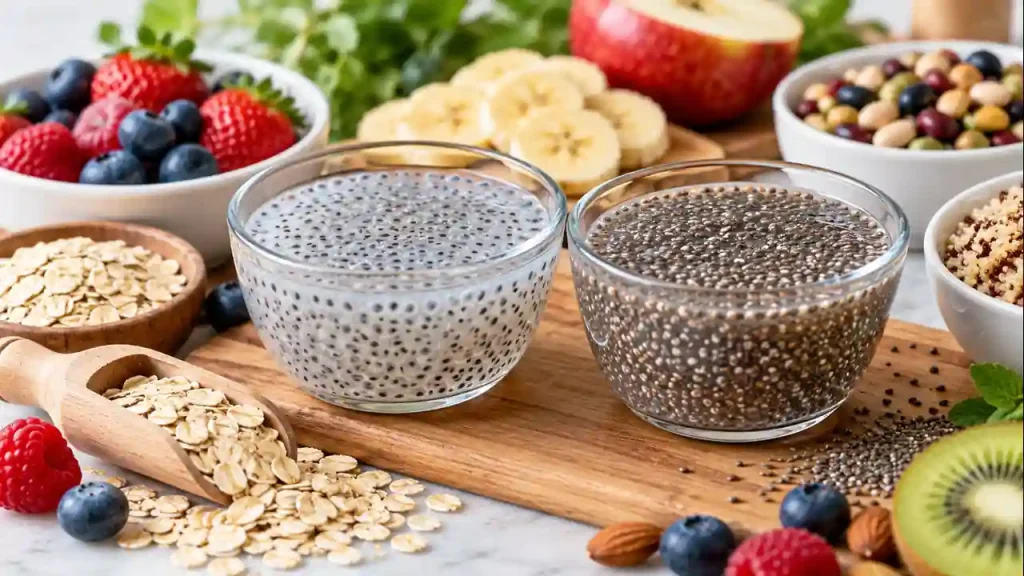
Both seeds can contribute to a nutritious eating pattern, although their benefits depend on overall dietary habits and individual nutritional needs. Understanding what their nutrients actually do helps separate realistic health benefits from exaggerated claims.
1. Digestive Regularity
Fiber contributes to normal bowel function, and hydrated seeds can add fiber to foods you already enjoy. However, their effect depends on total dietary intake, adequate fluids and your individual digestion. Suddenly eating a large amount of either seed may cause gas or bloating. Our collection of fiber-rich foods explains why beans, vegetables, fruit and whole grains deserve attention too.
2. Heart-Healthy Dietary Patterns
The unsaturated fats in these seeds can fit into a heart-conscious eating pattern. ALA is essential, although the body converts only limited amounts into the longer-chain omega-3 fats EPA and DHA. That distinction matters for people avoiding fish. Overall dietary patterns have stronger evidence than claims that chia or basil seeds alone lower cholesterol, prevent heart attacks, or reduce inflammation. Other foods worth considering appear in our guide to heart-healthy foods.
3. Minerals and Antioxidants
Basil and chia contain minerals and naturally occurring plant compounds, including phenolics. Their presence in a laboratory analysis does not establish anti-aging effects or increased collagen production in people. Likewise, neither seed can correct low hemoglobin by itself. Anyone concerned about iron deficiency should seek medical assessment; our anemia diet guide provides background on food choices alongside appropriate care.
Which Seed Is Better for Weight Loss?
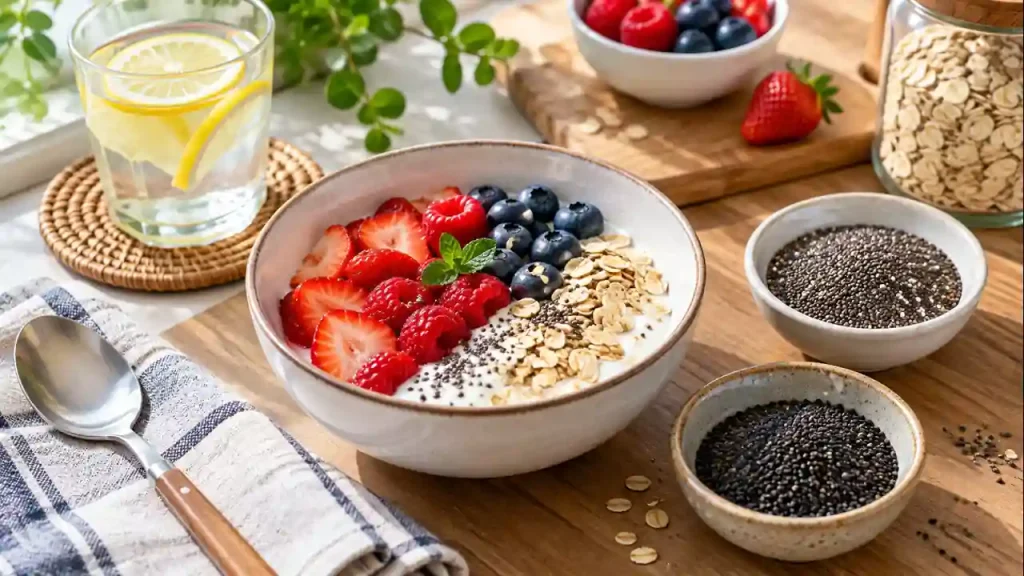
When comparing basil seeds vs chia seeds for weight loss, neither deserves a fat-burning label. Their fiber can make a meal more satisfying, but adding seeds without considering the rest of your diet does not reliably cause weight loss. Even nutritious toppings contribute calories.
Try chia with plain yogurt, berries, and oats for a breakfast containing protein and fiber. Or add hydrated basil seeds to water with lemon rather than a syrup-heavy drink. The overall meal is what matters. Our diet plans for women guide discusses sustainable approaches; our article on how long it takes to lose 20 pounds explains why realistic timelines beat quick fixes.
How to Prepare and Eat Each Seed Safely
1. Soaking Basil Seeds
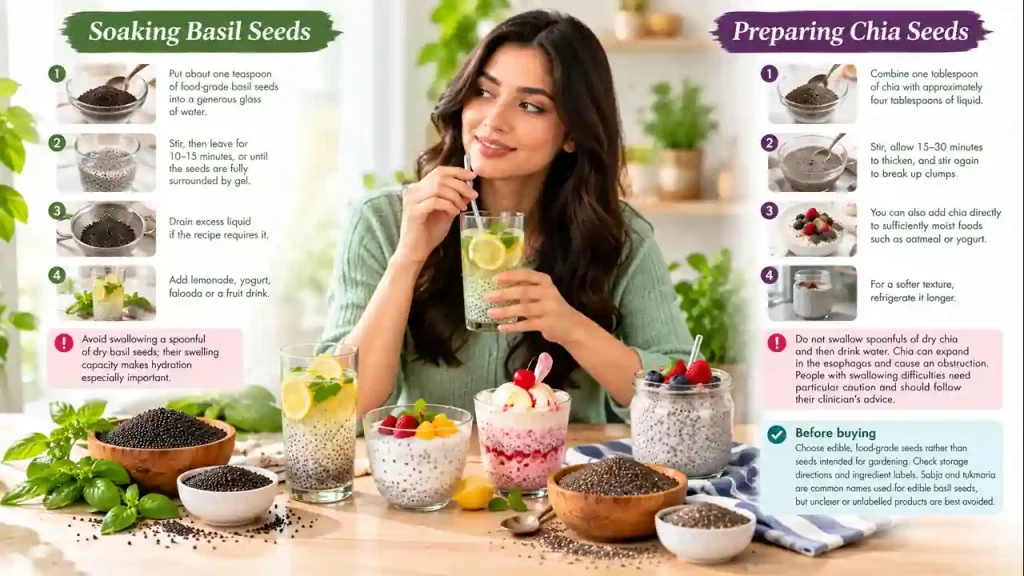
Put about one teaspoon of food-grade basil seeds into a generous glass of water. Stir, then leave for roughly 10–15 minutes, or until the seeds are fully surrounded by gel. Drain excess liquid if the recipe requires it. Add lemonade, yogurt, falooda, or a fruit drink. Avoid swallowing a spoonful of dry basil seeds; their swelling capacity makes hydration especially important.
2. Preparing Chia Seeds
Combine one tablespoon of chia with approximately four tablespoons of liquid. Stir, allow 15–30 minutes to thicken, and stir again to break up clumps. You can also add chia directly to sufficiently moist foods such as oatmeal or yogurt. For a softer texture, refrigerate it longer.
Important: Do not swallow spoonfuls of dry chia and then drink water. Chia can expand in the esophagus and cause an obstruction. People with swallowing difficulties need particular caution and should follow their clinician’s advice. Choose food-grade products, store them as directed, and prepare foods hygienically.
Before buying: Choose edible, food-grade seeds rather than seeds intended for gardening, which may be treated for planting. Check storage directions and ingredient labels. Sabja and tukmaria are common names used for edible basil seeds, but unclear or unlabelled products are best avoided.
How Much Should You Eat? Can You Combine Them?
There is no established daily requirement to eat either seed. For someone not accustomed to fiber-rich foods, a teaspoon of properly prepared seeds is a practical starting amount. Increase gradually if comfortable, accounting for the fiber already present in meals and keeping up normal fluid intake. People with gastrointestinal conditions, swallowing problems or medically restricted diets may need individualized advice.
You can eat both seeds in the same week, or even in one dish, provided they are prepared appropriately. There is no proven bonus from combining them. If you enjoy their contrasting textures, try a small amount of soaked basil in a fruit drink one day and chia in overnight oats another. For balanced meal ideas, see our healthy eating plan for women.
Frequently Asked Questions
1. Are Basil Seeds Better for Constipation?
Not necessarily. Both contain fiber, and responses vary. Persistent constipation, especially with pain or bleeding, warrants medical attention instead of relying on a seed remedy.
2. Which Has More Omega-3?
Both contain ALA. A laboratory study found high ALA levels in the basil seeds it tested, but results vary by sample and analytical method. Chia has more widely available standardized nutrition data. Neither should be presented as an undisputed winner across all products.
3. Can People With Diabetes Eat Them?
Often, yes, as part of suitable meals. However, neither seed treats diabetes or replaces prescribed medication. The total carbohydrate content of accompanying drinks, yogurts and desserts also matters.
4. Are These Seeds Good for Vegetarians?
Yes, as additions rather than protein replacements. Combine them with beans, lentils, tofu, nuts and whole grains for dietary variety and adequate protein.
Final Verdict: Which Should You Choose?
The most useful answer to basil seeds vs chia seeds is surprisingly simple: choose according to your preferences and how you plan to serve them. Chia is convenient for thicker breakfasts and has well-documented nutrient values; basil is excellent in drinks and provides fiber and plant fats too. Neither is a shortcut to weight loss or a cure for disease. Start with small, properly prepared portions, enjoy the foods you actually like, and make room for variety across your entire diet.



Leave a Reply