


Fast food can be a practical option when you are busy, traveling, or working within a tight budget. Its health effects depend on what you order, portion sizes, how often you eat it, and what the rest of your diet provides. One burger does not determine your long-term health.
Quick answer: Frequently choosing meals high in sodium, saturated fat, and calories can contribute to health risks over time. Limited fiber and produce can also leave nutritional gaps. A useful approach is to improve your usual order and overall eating pattern.
Separate what happens after a particular meal from the effects of your usual diet. Digestive discomfort can follow an individual order. Longer-term nutritional concerns depend on repeated choices, alongside factors such as health conditions, medicines, and activity.
What Counts as Fast Food?
The term generally describes meals prepared and served quickly, including burgers, fried chicken, pizza, sandwiches, and some takeaway dishes. Nutritional quality varies considerably within this category.
A bean bowl with vegetables differs from a large fried combo meal. Likewise, food prepared at home can contain plenty of salt, sugar, or saturated fat. Look at ingredients, preparation, and the complete meal. A balanced, healthy eating plan leaves room for convenience while providing a variety of nourishing foods across the week.
8 Ways Frequent Fast Food Meals May Affect Your Health
The concerns below relate to particular nutrients, portions, or handling practices. They do not occur after every meal, and individual responses differ.
1. High Sodium Intake Can Raise Blood Pressure

Salt can come from the main dish, bread, cheese, sauces, and sides. An order may contain more sodium than its taste suggests. Over time, excessive sodium intake can raise blood pressure, increasing cardiovascular risk. General healthy-eating guidance recommends limiting sodium, free sugars, and unhealthy fats while maintaining dietary variety.
Compare available nutrition information, request sauces separately, and consider which salty additions you actually enjoy. People with heart or kidney conditions may need individualized advice about sodium.
2. Saturated Fat Can Affect Cholesterol Levels

Fatty meat, cheese, butter, and certain cooking fats can increase a meal’s saturated-fat content. Regularly eating too much saturated fat can raise LDL cholesterol, which contributes to cardiovascular risk. This is different from saying that food contains “bad cholesterol” or that one meal immediately blocks an artery.
Industrial trans fat is another concern where partially hydrogenated oils remain in use, but its presence varies by product and location. Do not assume every fried item contains the same amount. When comparing options, consider the type of fat as well as the portion.
3. Large Portions Can Make Excess Energy Intake Easier
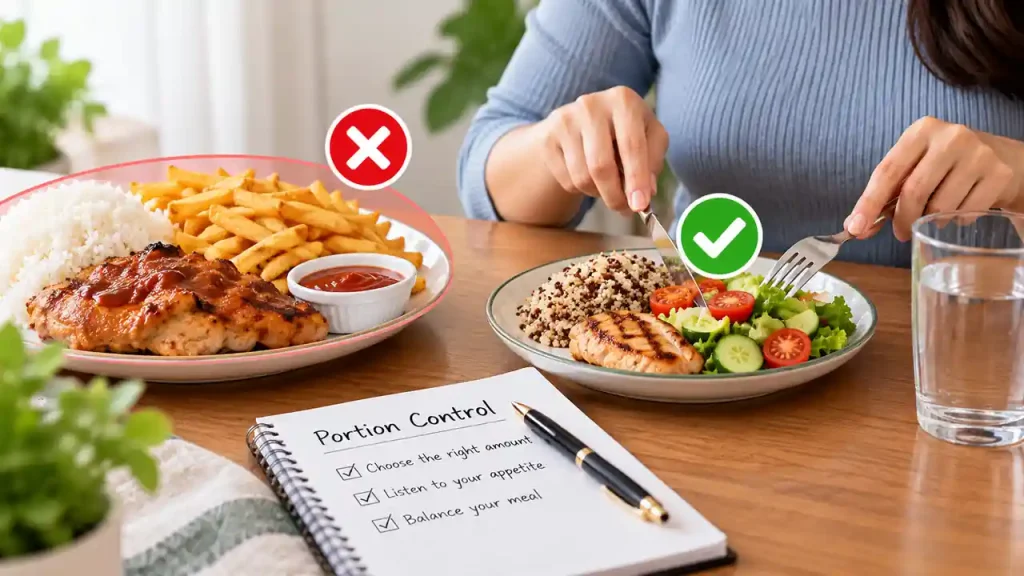
A large main dish, fries, sweetened drink, and dessert can provide more energy than you intended to eat. Choosing the combination automatically may matter more than any single ingredient. In a 15-year prospective study, frequent fast food restaurant use was associated with greater weight gain and increases in insulin resistance. Published in 2005, the research began with 3,031 US adults aged 18–30. It was observational, so it cannot prove that these meals alone caused the changes or predict what will happen to an individual.
Choose an amount that suits your appetite and needs. If weight management is a goal, filling foods for weight management can help you plan satisfying meals without depending on rigid food bans.
4. Sugary Drinks Add to the Carbohydrate Load

Regular soda, sweetened coffee, milkshakes, and some flavored drinks can add substantial sugar alongside the food. Carbohydrates affect blood glucose, but the response depends on the amount consumed, the rest of the meal, and individual circumstances. Avoid assuming that every person experiences an identical “sugar high” followed by a crash.
Water or an unsweetened drink is a straightforward alternative. When choosing juice while managing diabetes, remember that “no added sugar” does not mean carbohydrate-free. Include beverages, sauces, and sides when considering the complete meal, following your own care plan.
5. Low-Fiber Choices Can Contribute to Constipation
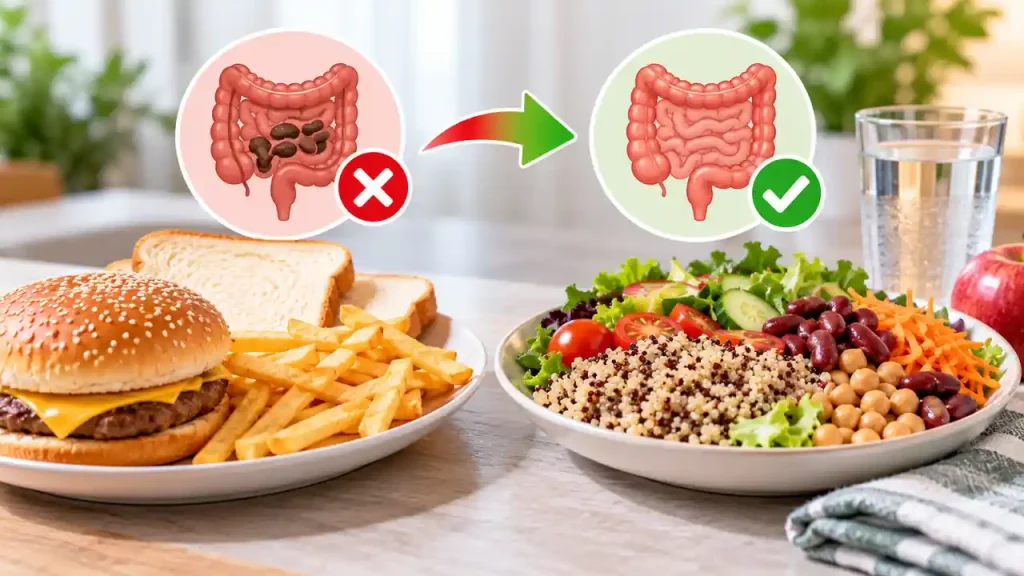
Meals centered on refined bread, meat, cheese, and fries may provide relatively little fiber, especially when they replace beans, whole grains, vegetables, and fruit. An ongoing low-fiber pattern can contribute to constipation. However, bowel habits also depend on fluids, activity, medicines, and health conditions.
Where available, add beans, choose whole-grain bread, or include vegetables or whole fruit. Increase fiber gradually if you are not used to eating much, and drink an appropriate amount of fluid. The aim is to improve your usual intake across meals.
6. Rich Meals May Trigger Digestive Discomfort
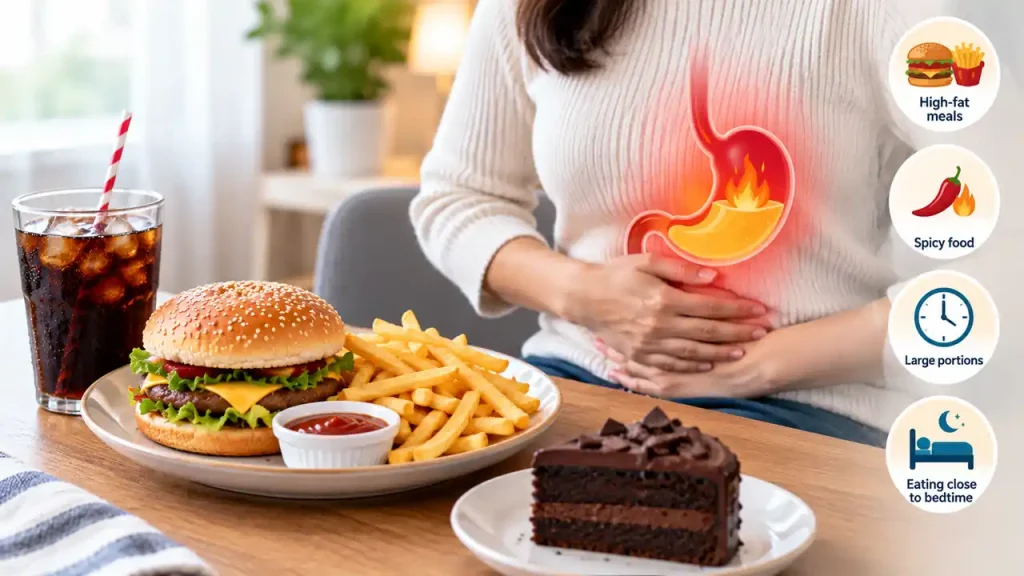
Some people notice reflux after high-fat or spicy meals. Large portions and eating close to bedtime may also make symptoms harder to manage. Your triggers may differ from someone else’s. Notice the food, amount, timing, and symptoms before removing entire food groups.
Try a smaller serving or a different preparation and see whether the pattern changes. Persistent or worsening digestive symptoms deserve medical assessment. A recurring symptom should not simply be dismissed as the price of enjoying takeaway.
7. Repetitive Orders Can Crowd Out Dietary Variety
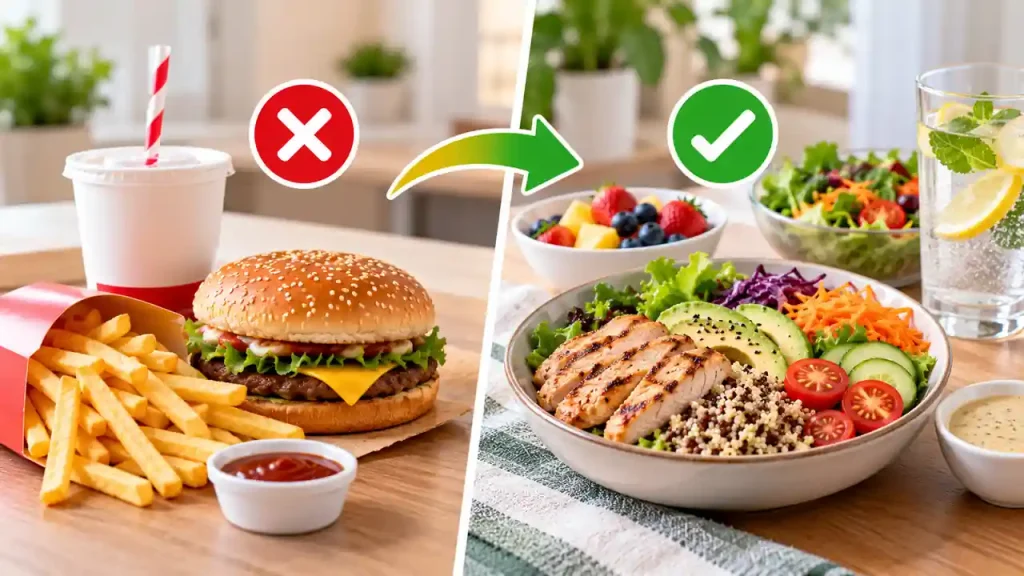
Convenient meals can provide useful nutrients, including protein, iron, or calcium. Some breads and other ingredients are fortified or enriched with vitamins and minerals. The concern is whether a narrow set of orders regularly displaces other foods. If your meals rarely include vegetables, fruit, legumes, and whole grains, you may miss opportunities to meet your fiber and micronutrient needs. This does not mean one meal creates a deficiency.
Build variety across the day. For example, add vegetables to a sandwich or choose a bean-based dish occasionally. A salad can contribute produce, while the amount and ingredients of its salad dressing affect the overall meal.
8. Unsafe Handling Can Cause Foodborne Illness
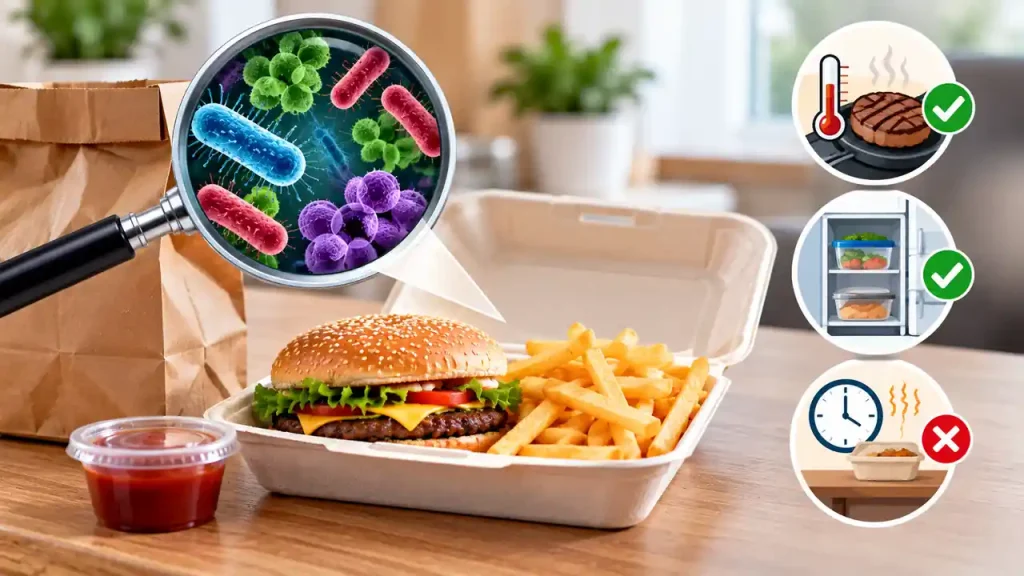
Food poisoning can happen in restaurants or home kitchens when food is contaminated, undercooked, or held at unsafe temperatures. Processed meat is not automatically contaminated with harmful bacteria. Choose food that has been handled and cooked appropriately. Refrigerate leftovers promptly rather than leaving them in a car or on the counter.
Seek medical advice for serious food-poisoning symptoms, including bloody diarrhea, significant dehydration, or vomiting that prevents you from keeping liquids down. The underlying cause determines treatment; antibiotics are not a universal solution.
Compare the Whole Order Before You Buy
A “grilled,” “vegetarian,” or “salad” label does not tell you everything about a meal. Check its size and additions, using current nutrition information when available.
| Part of the order | What to compare |
| Main dish | Portion, preparation, protein, vegetables, and saturated fat |
| Side | Size, sodium, and options containing beans, fruit, or vegetables |
| Drink | Serving size and added sugar |
| Extras | Cheese, bacon, dressings, dips, and additional sauces |
Read serving information carefully. If a hypothetical main contains 900 milligrams of sodium, a side contains 300, and a sauce adds 200, the complete order contains 1,400 milligrams. Those figures illustrate the calculation; they are not nutrition values for a particular restaurant.
Compare equivalent serving sizes. A lower number per 100 grams does not necessarily mean a lower amount in the portion you buy. Restaurant figures usually describe a specified recipe and serving. Changing the bread, adding cheese, or choosing another sauce may change those figures. If a listing covers only the main dish, calculate the sides and drink separately.
Make Convenience Work for Your Routine
Improving your everyday health habits starts with changes you can repeat. Choose one adjustment: order a smaller side, replace a sweetened drink, add vegetables, or avoid automatically upgrading to a larger combo. You can still choose foods you enjoy.
Keep one manageable backup meal at home if that suits your circumstances. A cheese omelette with vegetables and whole-grain toast is one option; adjust the cheese and salt to your needs. If batch cooking helps, learn to store homemade pasta sauce safely so a quick meal is available later. Time, cost, transport, kitchen access, and caregiving all influence food choices. Start with an improvement that is realistic for you.
Common Questions
1. How Often Can I Eat Fast Food?
There is no universal weekly number that makes every order safe or harmful. Frequency matters alongside portions, ingredients, your overall diet, and any health conditions. If these meals dominate your routine, consider how to add variety and improve the choices you make most often.
2. Should I Skip My Next Meal After a Large Order?
You do not need a compensatory fast or punishing workout. Let your appetite guide the next meal and return to your usual balanced pattern. Follow individualized meal-timing advice if you have a condition such as diabetes.
3. Is a Salad Always the Better Order?
A salad can provide vegetables, but compare its complete ingredients and portion. Fried toppings, cheese, dressings, and accompanying drinks can change the meal considerably. Choose an option that provides enough food and suits your nutritional needs.
Final Thoughts
Fast food can fit into everyday life, but frequent large orders high in sodium, saturated fat, or added sugar deserve attention. Compare the complete meal, include fiber-rich foods and produce regularly, and make changes that suit your budget and routine. Look for consistent habits across weeks, with room for foods you enjoy.



Leave a Reply