


Every person managing type 1 or type 2 diabetes has to stay mindful of daily carbohydrate intake. With the growing popularity of liquid cleanses and raw diets, juicing for diabetics has become a frequently discussed topic. However, fresh juices are often surrounded by conflicting claims—some label all juice as harmful, while others promote green blends as an effortless medical cure.
Neither extreme is accurate. Juice is neither a forbidden drink nor a diabetes therapy. For women managing complex hormonal shifts alongside glycemic health, exploring our comprehensive guide on diabetes in women provides valuable background on how metabolic patterns vary. Ultimately, because extracting liquid removes most of the natural plant fiber, the remaining carbohydrates absorb rapidly. Understanding how to manage portion sizes, choose non-starchy produce, and balance overall carbohydrate intake makes all the difference.
Quick Answer: Is Juicing Safe for Diabetics?
Juicing for diabetics can fit into some individualized diabetes meal plans, but whole fruits and vegetables remain the better everyday choice because they retain dietary fiber. Because fruit juice raises blood glucose faster than whole fruit, portion size and total carbohydrate count matter. If juice is part of your meal plan, keep the portion small and count its carbohydrates. The American Diabetes Association (ADA) notes that roughly ⅓ to ½ cup of fruit juice provides about 15 grams of carbohydrate, though exact amounts vary by juice. Your appropriate serving may differ depending on your glucose targets, medications, and overall meal plan.
Is Juicing for Diabetics Safe?
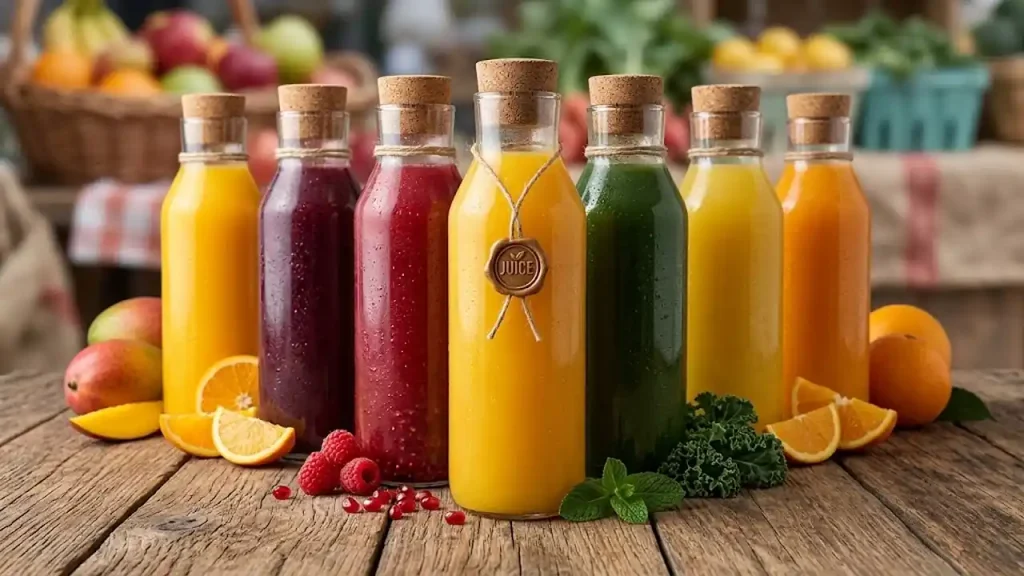
When considering whether fresh juice is suitable for your daily routine, the primary factor is the physiological difference between drinking liquid produce and eating whole foods.
Whole Fruit vs. Juice: What Changes?
Whole fruit retains its fiber, which helps slow digestion and makes fruit more filling. Juice removes much of that fiber and is easier to consume quickly, so it can raise blood glucose faster than whole fruit.
According to the Centers for Disease Control and Prevention (CDC) on meal planning, drinking fruit juice raises blood sugar faster than eating whole fruit. The CDC also notes that consuming carbohydrates alongside protein, healthy fat, or dietary fiber helps slow that rise, which is why eating whole produce—or pairing carbohydrates with a balanced meal—is much easier on your blood glucose levels.
“No Added Sugar” Does Not Mean Carb-Free
A common misunderstanding is assuming that fresh, unsweetened juice is carbohydrate-free. Whole fruits and root vegetables contain naturally occurring sugars (fructose and glucose). The American Diabetes Association (ADA) guidance on fruit and carbohydrates notes that roughly ⅓ to ½ cup (about 3 to 4 ounces) of typical fruit juice contains around 15 grams of carbohydrates. For consistent glycemic management, you must count total carbohydrates rather than focusing solely on whether table sugar was added.
10 Juice and Low-Sugar Drink Ideas for Diabetics
If you enjoy preparing drinks at home, practical juicing for diabetics relies on one core principle: make non-starchy vegetables the bulk of your drink and use small quantities of low-sugar fruit primarily for flavor, not volume.
1. Fresh Orange Juice
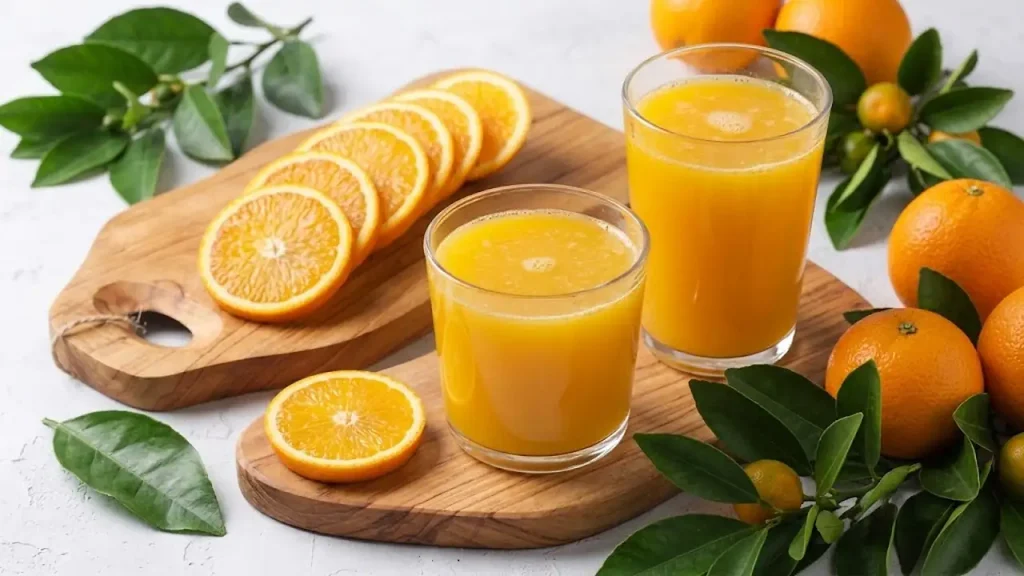
- The Reality: While store-bought citrus juices often contain added sugars, fresh-squeezed orange juice still contains naturally concentrated fruit sugars. It takes multiple oranges to yield a single standard cup.
- Safe Approach: Whole oranges are generally a better everyday choice because they provide more fiber and keep you full. If you include orange juice in your meal plan, keep servings small (3–4 oz) and count the carbohydrates.
- Preparation Tip: Squeeze one small orange by hand, dilute with cold still or sparkling water, and add fresh mint leaves.
2. Grapefruit Citrus Juice
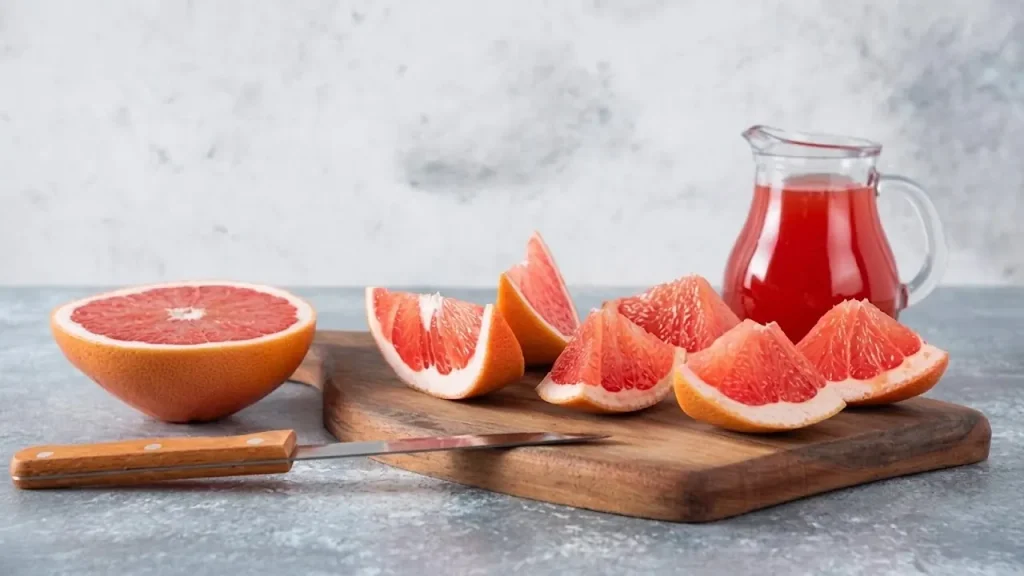
- The Reality: Grapefruit provides vitamin C and beneficial antioxidants. However, claims that grapefruit juice mimics prescription medications like metformin or cures disease are medically unfounded and must be discarded.
- Critical Medical Warning: Grapefruit can interact with certain prescription medications, including some statins and blood-pressure medicines, by affecting how the body processes them. If you take prescription medication, check with your doctor or pharmacist before regularly drinking grapefruit juice.
- Preparation Tip: If medically cleared, extract juice from half a fresh grapefruit, dilute generously with water or crushed ice, and consume in moderation.
3. Apple-Carrot-Ginger Juice
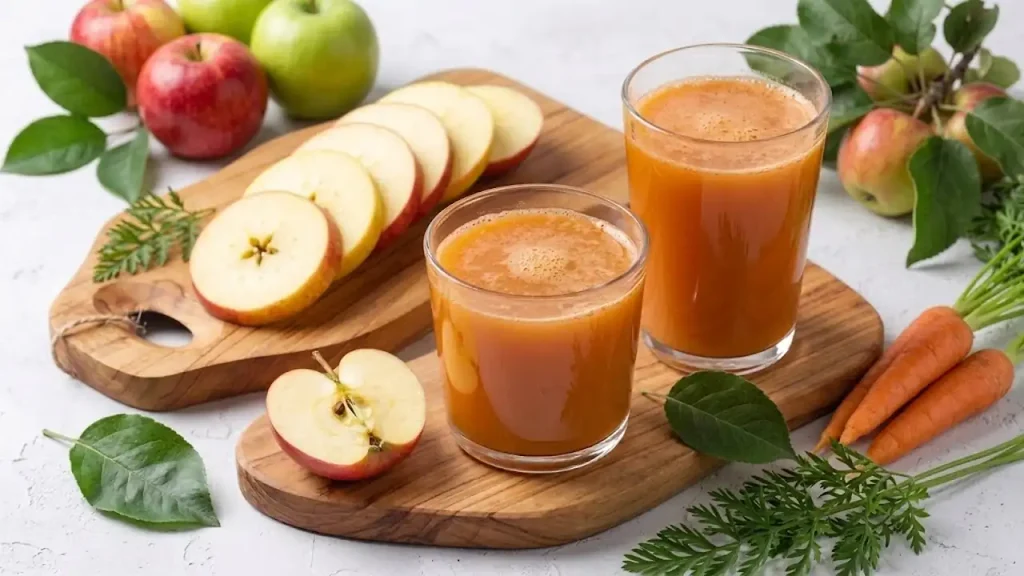
- The Reality: Carrots and apples provide beta-carotene, potassium, and crisp flavor, but both contain natural sugars. Drinking a large glass can noticeably raise blood glucose if you don’t portion it.
- Safe Approach: Let fresh ginger and lemon carry the bold flavor notes, using just a small slice of green tart apple and one medium carrot.
- Preparation Tip: Blend one carrot, half a small green tart apple, a knob of fresh ginger, and plenty of water or ice.
4. Bitter Gourd (Karela) Juice
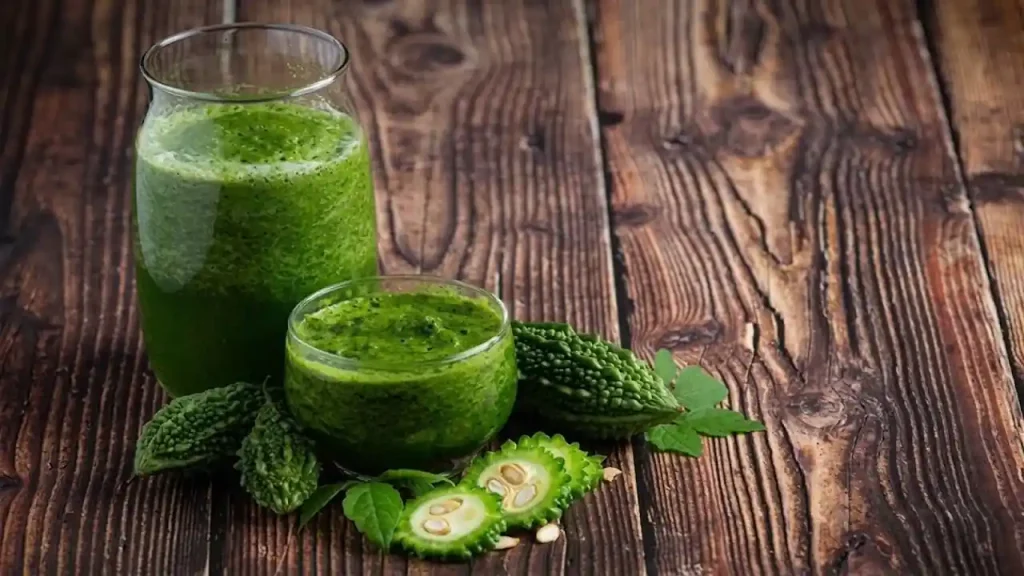
- The Reality: Bitter melon (Momordica charantia) contains bioactive compounds that have been studied for possible effects on glucose metabolism. However, research does not establish bitter gourd juice as a cure for diabetes or a replacement for prescribed treatment. Believing that any single food cures chronic metabolic conditions remains one of the most widespread myths about diabetes.
- Safe Approach: View bitter melon juice as a very low-carbohydrate vegetable drink rather than a medical treatment. Never replace prescribed medications with herbal drinks.
- Preparation Tip: Blend peeled, deseeded bitter gourd with cold water and a squeeze of fresh lemon juice to soften its intense bitterness.
5. Beetroot & Lemon Juice
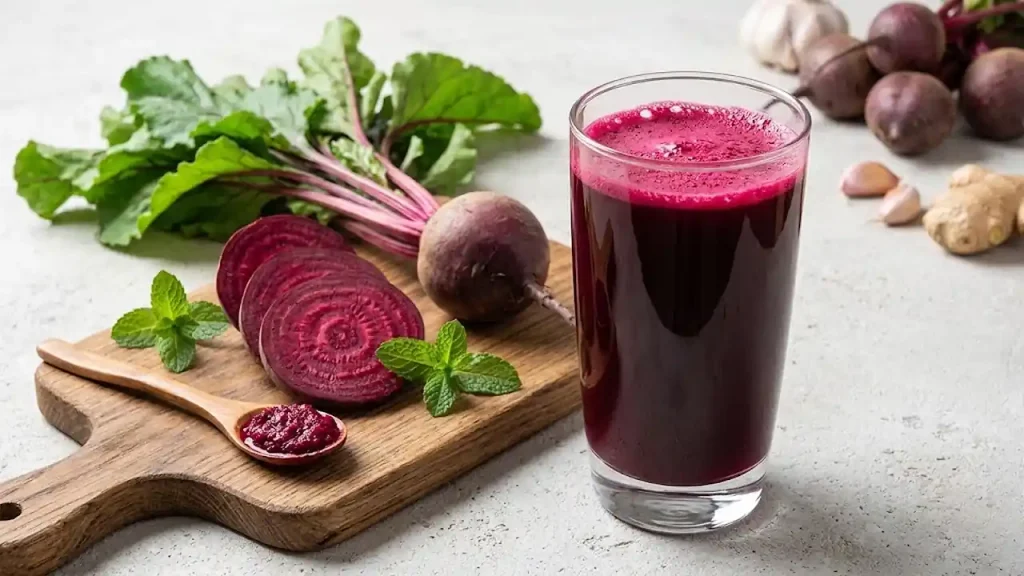
- The Reality: Beets are rich in dietary nitrates and antioxidants that support vascular function. However, beetroot is a naturally sweet root vegetable that contributes measurable carbohydrates.
- Safe Approach: Keep portions conservative rather than drinking large quantities of concentrated beet juice. Pair small slices with non-starchy leafy greens or cucumber.
- Preparation Tip: Juice a quarter of a small beet alongside a large cucumber and fresh lemon for an earthy, lower-carbohydrate beverage.
6. Cucumber and Kale Green Juice
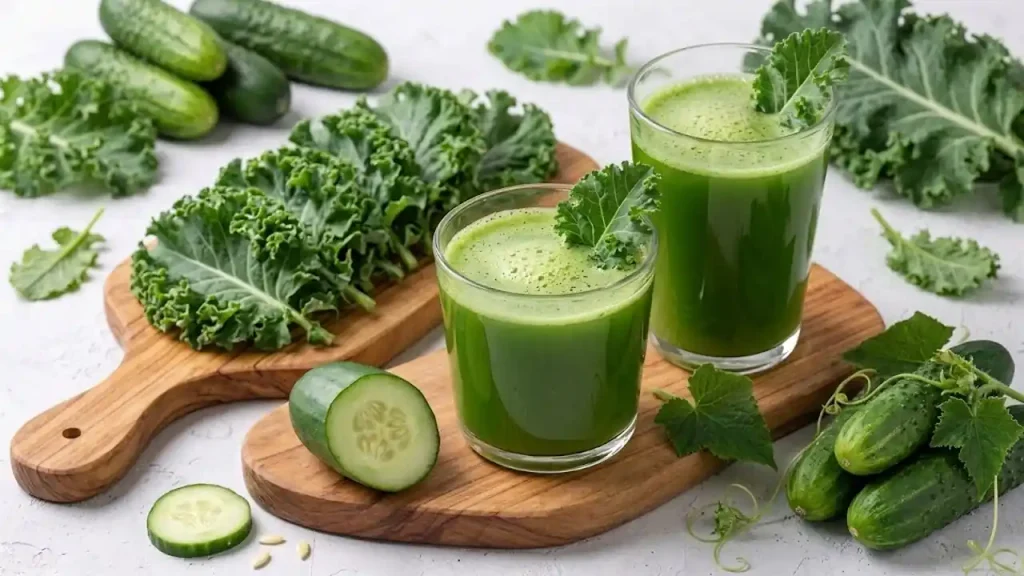
- The Reality: Non-starchy vegetables such as kale, spinach, celery, and cucumber are generally low in carbohydrates and can provide vitamins, minerals, and other plant compounds without adding the concentrated carbohydrate load of fruit-heavy juices.
- Safe Approach: Cucumber and kale provide an ideal lower-sugar base, but fruit additions like apples or berries still contribute carbohydrates. Keep fruit additions modest and count them in your plan.
- Preparation Tip: Combine one medium cucumber, a handful of washed kale, fresh parsley, and freshly squeezed lemon juice with ice.
7. Fresh Mint & Lemon Water

- The Reality: Lemon water is not a medical detox and does not actively lower blood glucose levels. However, it is an outstanding unsweetened hydration alternative to plain water.
- Safe Approach: Never add refined table sugar, honey, or agave.
- Preparation Tip: Squeeze half a fresh lemon into chilled water, add crushed mint leaves and cucumber slices, and allow it to infuse. If sweetness is desired, use a small pinch of pure stevia extract.
8. Berry Splash (Blueberry & Raspberry)
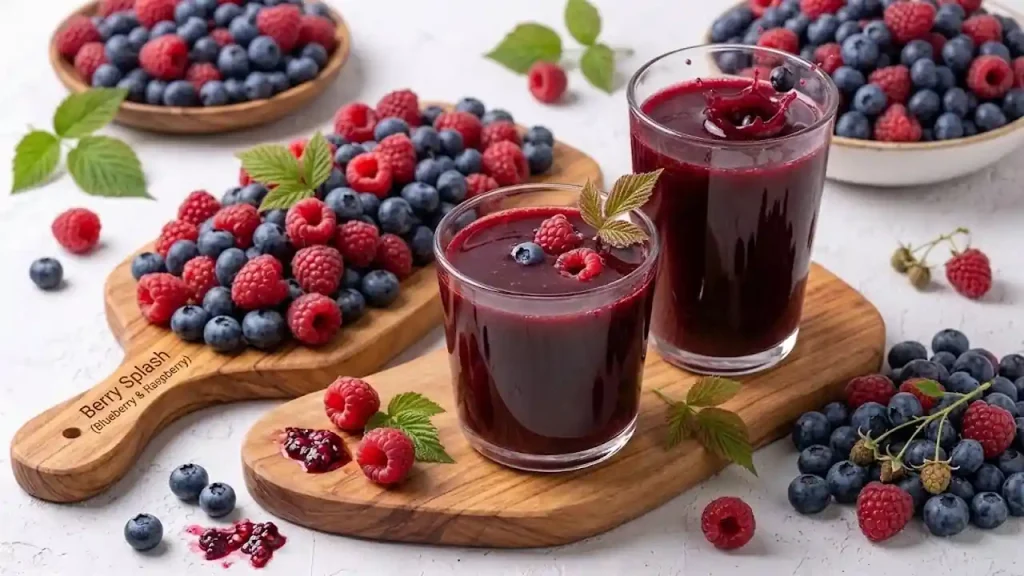
- The Reality: Berries are rich in anthocyanins and vitamins. However, juicing berries strips out their fiber structure, accelerating carbohydrate delivery compared to eating whole fruit.
- Safe Approach: Whole berries eaten with nuts or Greek yogurt are nutritionally superior. If juicing, limit the portion to a quarter-cup of berries blended into a cucumber or water base.
- Preparation Tip: Lightly muddle a few fresh raspberries and blueberries into chilled sparkling water with crushed ice.
9. Indian Gooseberry (Amla) Juice

- The Reality: Amla is exceptionally high in vitamin C and polyphenols. While these antioxidants support overall cellular health—and you can learn more about its nutritional profile and traditional uses in our guide to the health benefits of amla—it does not cure or reverse diabetes. .
- Safe Approach: Enjoy amla as a tangy, nutrient-dense addition to your hydration routine without expecting it to replace medical care.
- Preparation Tip: Deseed 1–2 fresh amla fruits, blend with a cup of filtered water, strain the juice, and drink unsweetened.
10. Homemade Garden Vegetable Blend (V-8 Style)
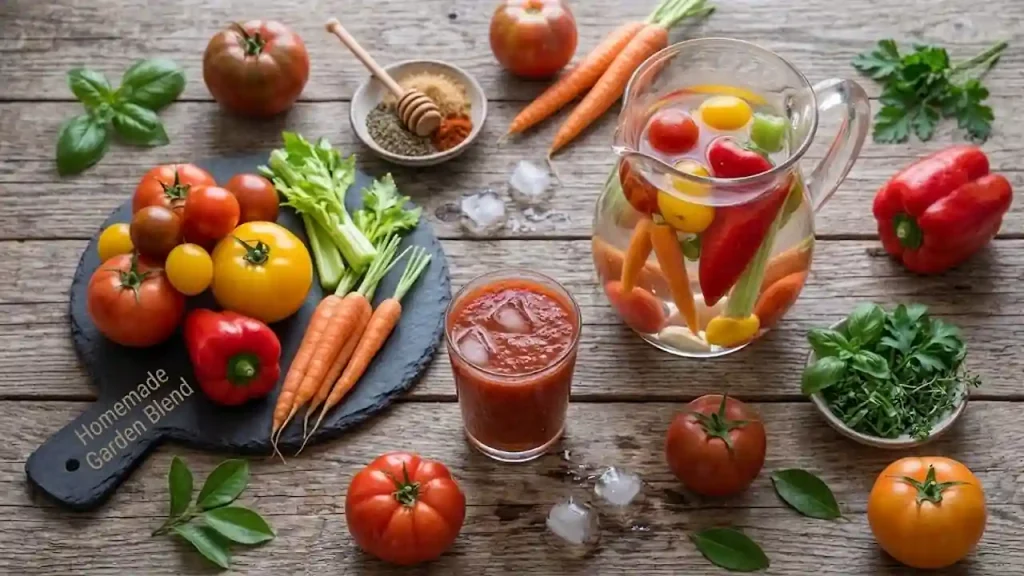
- The Reality: Combining tomato, celery, watercress, parsley, and cucumber creates a savory drink that is naturally low in sugar.
- Safe Approach: Commercial canned vegetable juices are frequently loaded with excess sodium, which can exacerbate high blood pressure. Making it fresh at home gives you complete control over salt.
- Preparation Tip: Blend fresh ripe tomatoes, a stalk of celery, cucumber slices, and a dash of black pepper. Skip added salt if managing hypertension.
Juices to Approach With Caution
When it comes to juicing for diabetics, there is no need to classify individual fruits as strictly forbidden. Portion size, total carbohydrates, and the type of beverage matter more. However, certain beverage formats are particularly prone to causing sharp glucose surges:
- Fruit drinks and juice cocktails with added sugars: Check the ingredient list and Nutrition Facts label because these can contain substantial added sugars.
- Large servings of 100% fruit juice: Even without added sugar, fruit juice provides concentrated carbohydrates and is easy to drink quickly.
- Large fruit-heavy homemade juices: Mango, pineapple, melon and other fruits can fit a diabetes eating plan, but juicing large quantities concentrates their carbohydrates while reducing the fiber advantage of eating them whole.
When Juice Can Be Medically Useful: Treating Hypoglycemia
One important situation where fruit juice can be useful is treating hypoglycemia (low blood sugar).
According to clinical management guidelines from the National Institute of Diabetes and Digestive and Kidney Diseases (NIDDK) on hypoglycemia, when blood glucose drops below your target or under 70 mg/dL, consuming 4 ounces (½ cup) of fruit juice provides roughly 15 grams of fast-acting carbohydrates under the “Rule of 15.” In this emergency context, the rapid absorption of liquid sugars is beneficial.
What the Research Says About 100% Fruit Juice
A systematic review and meta-analysis of 18 randomized controlled trials found that 100% fruit juice had no significant overall effect on fasting blood glucose, fasting insulin, insulin resistance, or HbA1c compared with control conditions. This does not mean juice treats diabetes; rather, the available trials did not show an overall adverse effect on these measures.
A 2025 meta-analysis of prospective cohort studies similarly found no significant overall association between 100% fruit juice and type 2 diabetes incidence, although it found no protective effect either; non-100% fruit juice was associated with higher risk.
The takeaway is balance: 100% juice is not a cure, but small portions can fit into an individualized plan when total carbohydrates are tracked accurately.
How to Safely Include Juice in Your Routine
- Measure Your Serving: With juicing for diabetics, portion size matters. Keep servings small rather than drinking a full tumbler, and count the carbohydrates as part of your meal plan.
- Pair With Protein or Healthy Fat: Drink juice alongside a meal containing protein, healthy fats, or fiber (such as eggs or nuts) to help slow carbohydrate absorption.
- Prioritize Whole Fruit: Whenever possible, enjoy whole fruit with the skin and edible seeds intact for optimal fiber intake and satiety.
- Check Your Glucose Response: Monitor blood glucose before and 1–2 hours after drinking juice to learn how your body uniquely responds. Keeping blood glucose steady over the long term is vital for preventing vascular and peripheral complications, including diabetic foot problems and swelling.
Final Thoughts
Navigating juicing for diabetics does not mean choosing between extreme detoxes or strict fear of fresh produce. Juice is neither a miracle cure that can reverse diabetes nor a completely forbidden drink that must be feared. For everyday nutrition, whole fruits and vegetables are generally preferable to juice because they retain more fiber and are more filling.
However, if you enjoy fresh juices, prioritizing non-starchy green vegetables, keeping fruit additions modest, and strictly respecting a 3-to-4-ounce portion size allows you to enjoy refreshing flavors safely. Always work alongside your doctor or registered dietitian to understand how different foods impact your readings. By focusing on total carbohydrate awareness, regular monitoring, and sustainable daily habits, you can take control of your health with confidence and peace of mind.



Leave a Reply