

Searching for the 16 signs you are unattractive can feel like a quick way to settle an uncomfortable question: How do other people actually see me? Maybe you rarely receive compliments about your appearance, struggle to get matches on dating apps, or notice that people you like often see you only as a friend.
However, attractiveness is not a fixed score, and one person’s reaction cannot tell you whether you are attractive or unattractive. Physical appearance certainly influences first impressions, but clothing, personality, behavior, social context, individual preferences, and the way you present yourself can also affect how attractive someone perceives you to be.
That is why many commonly cited signs you are unattractive can be misleading. A romantic rejection, an awkward photograph, or somebody failing to flirt with you does not automatically say anything definitive about your appearance. What matters more is whether the same patterns occur repeatedly, across different situations, and whether something changeable—such as grooming, styling, photographs, confidence, or body language—is influencing how people perceive you.
Can You Really Know If You Are Unattractive?

Not with certainty.
Attractiveness involves far more than facial symmetry, body shape, or genetics. A research review on judgments of physical attractiveness describes attraction as multidimensional and influenced by factors including physical appearance, clothing, personality, behavior, the observer, circumstances, reciprocity, relationships, and time.
This helps explain why judgments of attractiveness can differ from one person and situation to another. You may also look more appealing in person than in a poorly lit dating-app photograph or seem more approachable when you feel comfortable rather than nervous.
So when considering possible signs you are unattractive, avoid treating any single social reaction as a verdict on your appearance. If repeated doubts about your looks leave you asking “Am I ugly?”, it can also help to examine where that perception comes from rather than relying entirely on other people’s reactions.
How to Read the Signs: Pattern, Context, and Changeability
Before interpreting someone’s reaction to your appearance, consider three things.
Pattern: Does the same feedback or experience happen repeatedly rather than once?
Context: Does it occur around different people and in different social situations, or only with one crush, friend group, workplace, or dating app?
Changeability: Could something you can change—such as grooming, clothing, photographs, posture, facial expression, or confidence—explain the reaction better than your natural features?
Looking at pattern, context, and changeability can help you interpret possible signs you are unattractive more accurately and separate meaningful feedback from ordinary rejection, personal preference, coincidence, or social awkwardness.
16 Signs You Are Unattractive—and What They May Actually Mean
The signs below should therefore be treated as clues about perception, not objective measurements of beauty. Some may point toward appearance, while others reveal more about presentation, confidence, compatibility, or the situation itself.
1. You Rarely Receive Compliments About Your Appearance

Perhaps people regularly tell you that you are funny, intelligent, thoughtful, or interesting but rarely compliment your looks. It is understandable to wonder whether that means people do not find you physically attractive.
However, it is not a reliable conclusion.
Some people simply avoid commenting on another person’s appearance. Others may notice your personality first or feel that appearance-based compliments are too personal.
If you regularly receive sincere compliments about your character, do not downgrade them simply because they are not about your face or body. Attraction is not limited to appearance, and qualities such as warmth, humor, intelligence, and confidence can influence attraction too.
2. Your Dating Profile Gets Very Little Engagement
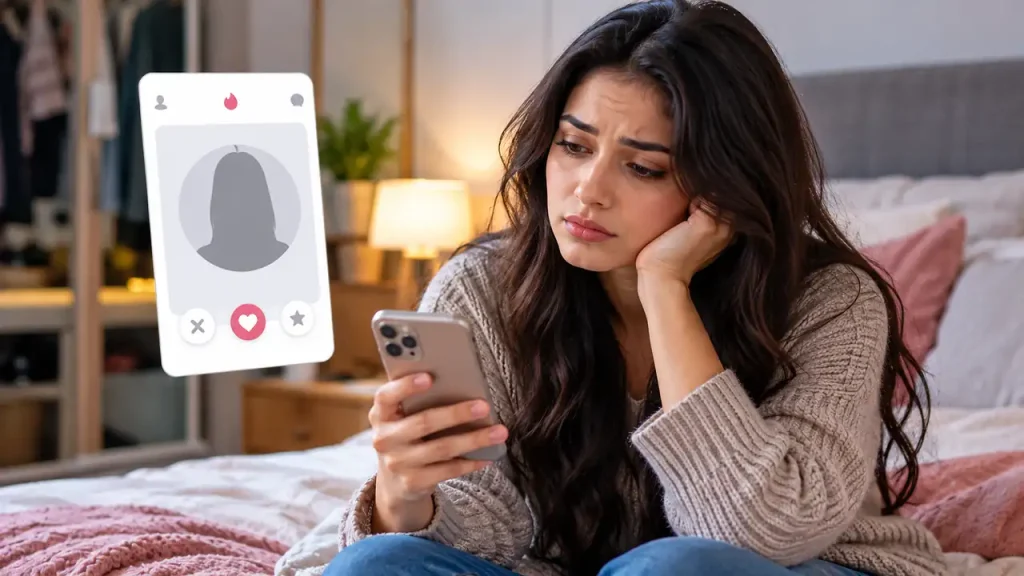
Receiving very few matches can be discouraging, particularly when you swipe on plenty of people yourself.
Because dating apps depend heavily on photographs and quick impressions, consistently low engagement can suggest that your current profile is not presenting you effectively. But that is not the same thing as proving that you are unattractive.
A 2025 study on online dating of 445 online daters making 5,340 profile-selection decisions found that physical attractiveness had the strongest effect on selection, while factors such as biography, intelligence, height, occupation, and similarity had substantially smaller effects.
Photo quality, facial expression, lighting, camera angle, clothing, profile text, location, platform demographics, and the people you choose to swipe on can all influence your results.
Treat poor dating-app performance as feedback about your profile first, not as a verdict on your face.
3. Trusted People Repeatedly Suggest the Same Grooming or Style Change

One casual remark about your hairstyle or clothes means very little. But if several people you trust independently suggest the same improvement, the feedback may be worth considering. Perhaps your haircut does not flatter your face shape, your glasses overwhelm your features, your clothing rarely fits properly, or your grooming routine appears inconsistent.
This does not mean you need to rebuild yourself according to somebody else’s beauty standard. Instead, look for feedback that is specific, repeated, respectful, and actionable.
There is an important difference between constructive advice and body shame. One helps you present yourself better; the other tries to make you feel inadequate because of your appearance.
4. You Constantly Make Self-Deprecating Jokes About Your Looks

If you regularly joke that you are ugly, undesirable, or the least attractive person in the room, other people may become uncomfortable. That discomfort does not mean they secretly agree with you. Instead, they may not know whether laughing will hurt your feelings or reinforce something you genuinely believe about yourself.
Repeatedly criticizing your appearance can also influence the way you carry yourself. You may become reluctant to make eye contact, accept compliments, appear in photographs, or approach someone you like. Sometimes the perceived unattractiveness problem begins not with your features but with the story you repeatedly tell yourself about them.
5. Your Grooming or Hygiene Is Inconsistent
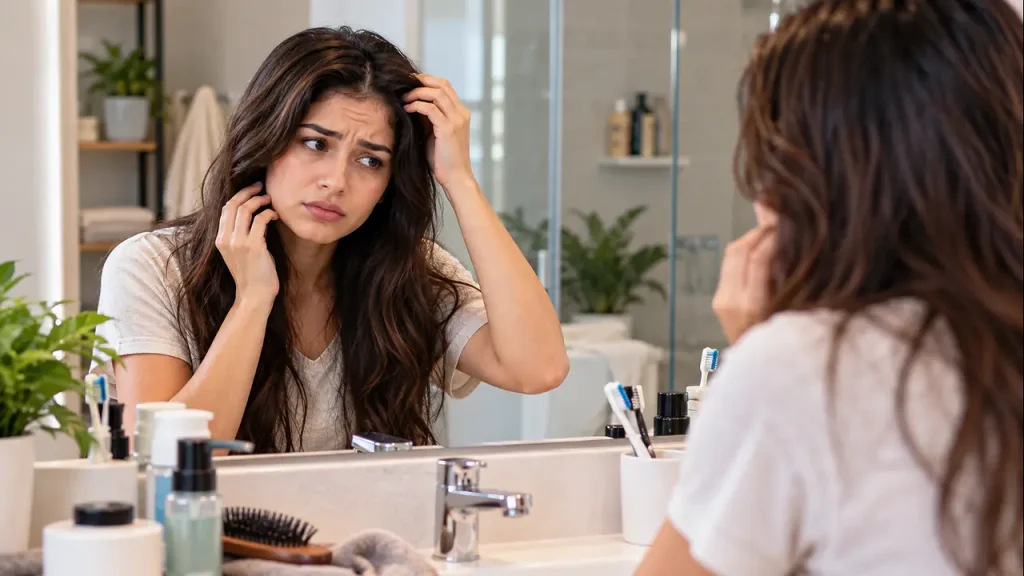
This is one of the most changeable factors on the list.
Unwashed or poorly maintained hair, noticeable body odor, neglected teeth, dirty nails, unkempt facial hair, or consistently wrinkled clothing can affect first impressions regardless of natural physical features.
Basic grooming is not about meeting an unrealistic beauty ideal. It signals self-care and can make your existing features look more polished.
If you’re looking for genuinely useful signs you are unattractive, recurring feedback about hygiene or grooming deserves more attention than whether one person rejected you.
6. You Rarely Receive Romantic Attention Across Different Settings

Perhaps people rarely flirt with you, ask for your number, approach you at social events, or express romantic interest. This can sometimes offer information about how others perceive you—but only when the pattern occurs across many situations.
Being approached depends on more than appearance. Gender expectations, culture, social environment, availability, confidence, relationship status, and approachability all matter.
Someone might also find you attractive but assume you are unavailable or simply be too shy to approach. Therefore, receiving little spontaneous attention is a clue worth considering, not proof.
7. Your Clothes or Styling Do Not Highlight Your Best Features

Clothing can alter how others perceive your proportions, personality, confidence, and overall presentation. You do not need expensive clothes or a fashionable wardrobe. Fit usually matters more than labels. Clothing that is consistently too loose, too tight, worn out, inappropriate for the setting, or disconnected from your personality may make you appear less polished than you actually are.
Likewise, finding colors, silhouettes, hairstyles, glasses, jewelry, or facial hair that complement your features can change your overall presentation without changing your natural appearance at all. This is another reason attractiveness should not be reduced to genetics alone.
8. People You Like Often See the Relationship as Platonic

Being repeatedly told:
“You’re a great friend.”
can sting when you wanted something romantic.
But being placed in the so-called friend zone does not establish that you are unattractive. Romantic attraction involves compatibility, timing, chemistry, sexual preference, personality, circumstances, and individual taste. Someone can genuinely think you are attractive and still not want a relationship with you.
If this happens repeatedly, it may be worth examining your flirting, communication, confidence, and how clearly you express romantic interest—not merely your appearance.
9. Your Body Language Makes You Look Closed Off

People often form impressions before a conversation gets very far. Consistently looking downward, crossing your arms tightly, turning away from others, avoiding interaction, or appearing tense can make you seem less approachable.
The important distinction is this:
unapproachable is not the same as unattractive.
Someone may notice your appearance positively but decide not to approach because your body language seems to say, “Please leave me alone.” Relaxed posture, natural eye contact, a genuine smile, and open body language can change how people experience your presence without changing a single physical feature.
10. Your Photos Do Not Present You Well
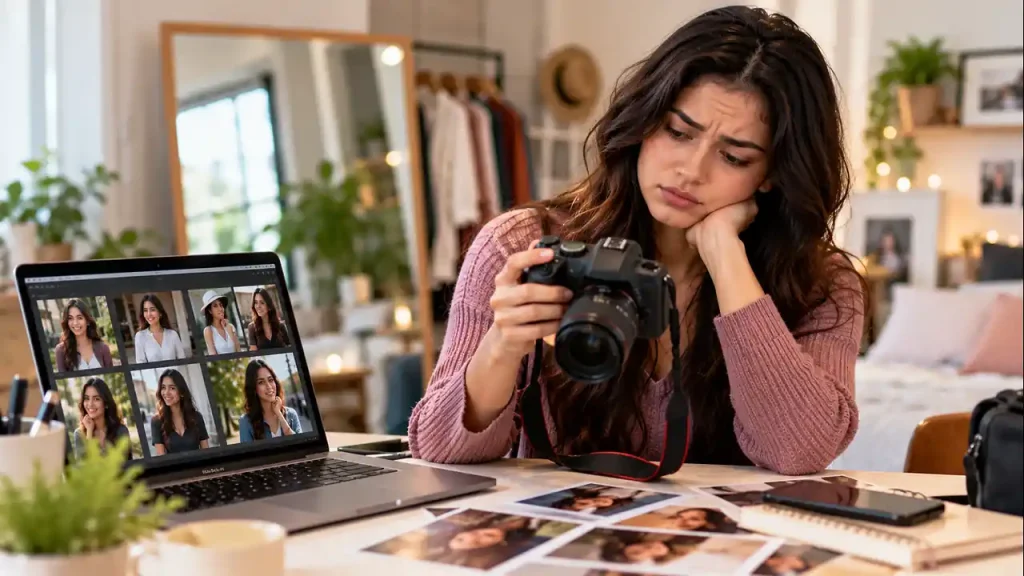
A photograph does not always represent how someone appears in person. Lighting, focal length, camera distance, posture, facial expression, and angle can make the same person look dramatically different from one photograph to another. If you consistently dislike your photographs, experiment before concluding that your appearance is the problem.
Ask someone who takes good pictures to photograph you in natural light. Try different angles, relaxed expressions, clothing, and distances from the camera. This matters particularly if dating apps and social media are responsible for many people’s first impression of you.
11. You Avoid Eye Contact and Seem Uncomfortable With Attention

Low confidence can influence perception. If you immediately look away when somebody smiles at you, reject compliments, speak so quietly that people struggle to engage, or appear visibly uncomfortable when attention turns toward you, others may read your behavior as disinterest or insecurity.
Again, this does not mean confidence magically changes facial structure. It means that attraction includes the experience of interacting with someone—not merely observing their face.
Confidence is most appealing when it feels natural rather than performed. You do not have to become the loudest person in the room; being comfortable enough to participate and connect can make a meaningful difference.
12. You Often Feel Overlooked Next to Friends in Romantic Settings

Suppose strangers regularly approach your friend first at parties, bars, college events, or other social settings. It can understandably feel like one of the clearest signs you are unattractive.
But make one important distinction: someone preferring your friend does not automatically mean they find you unattractive. Your friend might fit that particular person’s type, appear more approachable, dress differently, make more eye contact, or actively invite conversation through body language.
Pay attention to repeated patterns, but resist converting comparison into a ranking of human worth. Attractiveness is not a competition in which somebody else’s appeal subtracts from yours.
13. Your Conversation Style Makes It Harder to Build Attraction

Attraction is not entirely visual. Someone may initially like your appearance but feel less drawn to the interaction if conversations regularly become one-sided, you interrupt frequently, give very short answers, talk mostly about yourself, or show little curiosity about the other person.
This does not make you physically unattractive. Instead, it shows how behavior and communication can influence overall attraction. If this pattern happens repeatedly, focus on listening, asking genuine questions, and creating a conversation in which both people feel involved.
14. People Often Think You Look Tired, Angry, or Unapproachable

Sometimes the issue is not attractiveness at all—it is the emotional impression your neutral expression creates.
People may repeatedly ask:
“Are you okay?”
or assume you are annoyed when you are simply relaxed.
Sleep, stress, posture, facial tension, grooming, and habitual expression can influence that perception.
If this happens frequently, you can experiment with something as simple as more open posture, eye contact, or relaxing facial tension during conversations. You do not need to walk around smiling constantly. The goal is simply to understand what your expression may unintentionally communicate.
15. Low Confidence Changes the Way You Carry Yourself
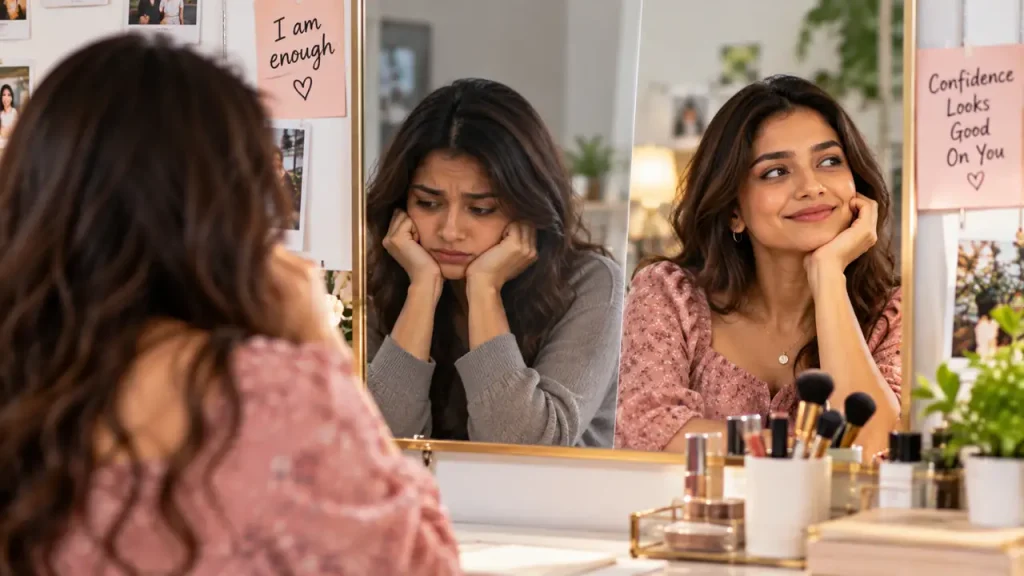
Confidence is not a replacement for appearance, but it affects presentation. Constantly hiding in photographs, criticizing yourself, refusing compliments, comparing yourself with everyone around you, or assuming rejection before anything happens can make social interactions harder.
Low self-confidence can also create a feedback loop: you expect people not to like you, behave defensively because of that expectation, and then interpret awkward interactions as proof that you were right. Protecting your self-respect matters more than trying to convince every person you meet that you are attractive.
16. Small Changes in Presentation Consistently Improve How People Respond

This may actually be one of the most useful clues on the entire list.
Suppose you change your haircut, improve your grooming, wear better-fitting clothes, choose stronger photographs, improve your posture, or become more socially comfortable—and suddenly receive noticeably warmer responses. That does not mean you were inherently unattractive before. It suggests that presentation was affecting perception.
If small, realistic changes consistently improve how you feel and how people interact with you, focus on those changes rather than concluding that your natural appearance is the problem. This is where the 16 signs you are unattractive become useful: not as a scorecard of physical defects, but as a way to identify factors that may be working against the impression you want to create.
What Can Make You More Attractive Without Changing Who You Are?
If several of these 16 signs you are unattractive feel familiar, the answer is not necessarily cosmetic procedures, extreme dieting, or trying to become somebody else’s idea of beautiful.
Start with what is changeable.
Good grooming and hygiene can improve presentation immediately. Find a hairstyle and clothing fit that complement your features rather than simply copying trends. Improve photographs through natural lighting, relaxed expressions, and better framing. Pay attention to posture and body language, particularly if you tend to withdraw when you feel insecure.
Just as importantly, work on the experience people have around you. Listen well. Show interest. Develop your sense of humor without making yourself the punchline. Speak with warmth and reasonable confidence.
Learning how to feel beautiful can also shift the focus from chasing other people’s approval to recognizing the features, qualities, and personal style that make you feel comfortable and confident in your own appearance.
None of this requires pretending appearance does not matter. It simply recognizes that physical appearance is only one component of attraction.
And if your concerns about being unattractive come largely from comparison with heavily edited photos, influencers, or narrowly defined beauty ideals, it may help to understand how unrealistic beauty standards can distort the way we judge both ourselves and other people.
Final Thoughts
Ultimately, the 16 signs you are unattractive are most useful when they encourage honest reflection rather than self-criticism. One failed date, one person choosing your friend, a bad photograph, or a lack of compliments cannot determine your attractiveness.
Even repeated signs you are unattractive should be interpreted carefully. Ask whether they reflect natural appearance, grooming, confidence, social behavior, photographs, compatibility, or simply another person’s individual preference.
You cannot control everyone’s idea of beauty, nor should you try. You can control how well you care for yourself, how you present yourself, how confidently you communicate, and whether you treat yourself and others with respect.
Improving those areas may change how others perceive you—but more importantly, it can change how comfortably and authentically you move through the world.



Leave a Reply