

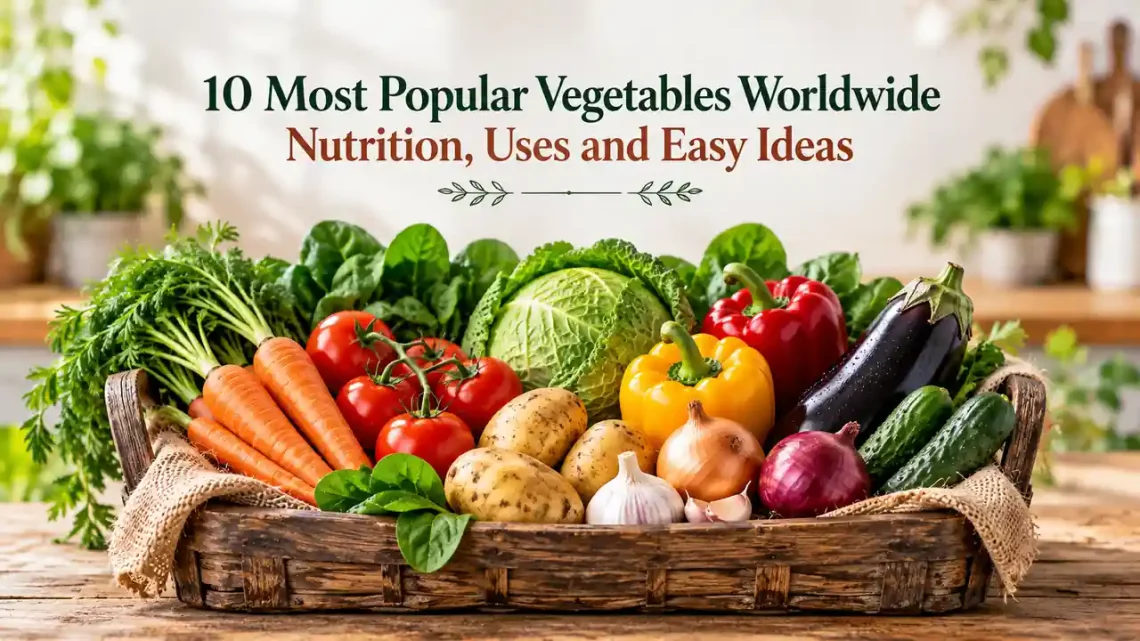
The most popular vegetables appear in kitchens around the world because they are versatile, familiar and easy to combine with everyday meals. Think of potatoes in comforting dinners, tomatoes in sauces and spinach in quick stir-fries. Here are ten widely used vegetables, their nutrients and easy ways to cook them.
Quick answer: Potatoes, onions, tomatoes, peppers, carrots, cabbage, garlic, eggplant, cucumbers and spinach are among the world’s widely grown and used vegetables. Each offers different nutrients; variety matters more than one favorite.
How Did We Choose These Popular Vegetables?
This is a practical selection, not an official first-to-tenth ranking. Popularity can mean production volume, consumption or cultural importance; those measures differ. The numbers below organize the article, not the worldwide sales order. The UN Food and Agriculture Organization’s FAOSTAT crop database tracks agricultural output, not a worldwide vote on favorite foods.
The most popular vegetables on this list cover diverse cuisines and nutrients. Botanically, tomatoes, peppers, cucumbers and eggplants are fruits but are culinary vegetables. Potatoes are starchy vegetables.
The Most Popular Vegetables at a Glance
| Vegetable | Nutritional highlight | Easy everyday use |
| Potato | Potassium and carbohydrate | Roast or boil |
| Onion | Fiber and flavorful plant compounds | Sauté for a base |
| Tomato | Vitamin C and lycopene | Sauce or salad |
| Pepper | Vitamin C; carotenoids in some varieties | Stir-fry or roast |
| Carrot | Beta-carotene | Snack or soup |
| Cabbage | Vitamin C and vitamin K | Slaw or stir-fry |
| Garlic | Flavorful sulfur compounds | Soups and sauces |
| Eggplant | Fiber and plant pigments | Roast or simmer |
| Cucumber | High water content | Salad or yogurt dip |
| Spinach | Vitamin K, folate and carotenoids | Wilt or add to curry |
Nutrients depend on servings and preparation. For comparisons, the USDA FoodData Central database is more dependable than unreferenced nutrition claims.
1. Potatoes: An Affordable, Versatile Staple
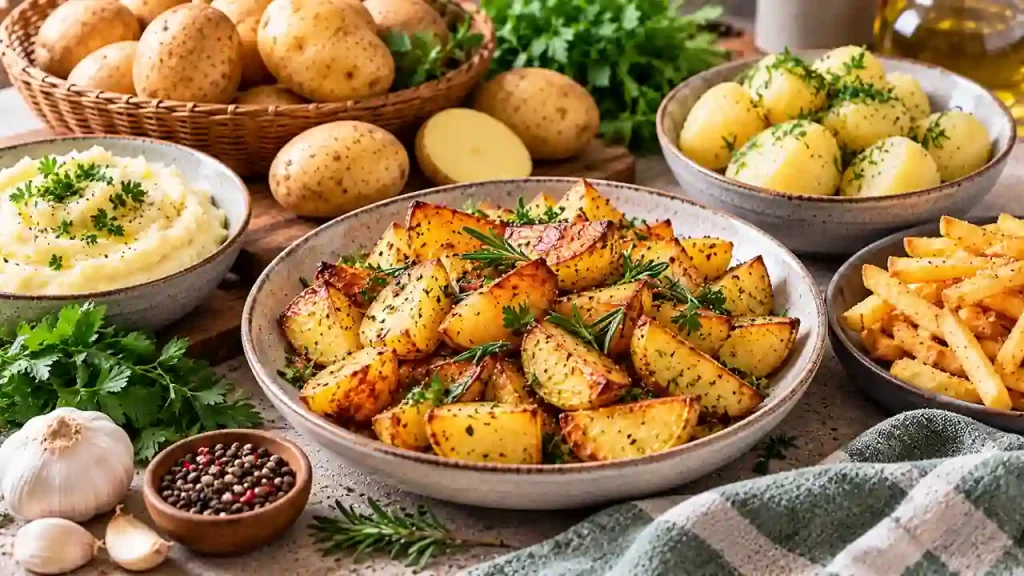
Potatoes are eaten boiled, baked, mashed and roasted across Europe, Asia, the Americas and beyond. They supply carbohydrate and potassium; edible skins provide some fiber. However, a baked potato and salty fries are different nutritional choices. Roast wedges with oil and herbs, then serve with vegetables and protein. If you’re entertaining, lemon-garlic roasted potatoes are an easy way to serve this familiar ingredient. Avoid eating green or heavily sprouted potatoes.
2. Onions: The Starting Point for Countless Dishes
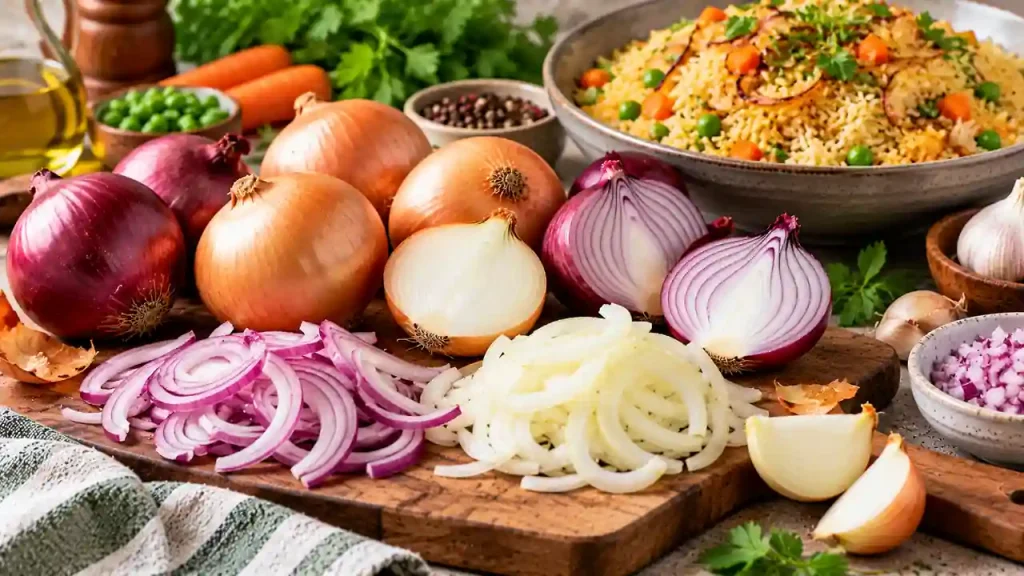
From Indian curries to French soups and Middle Eastern stews, onions build flavor before the main ingredients enter the pan. Red onions can bring sharpness to salads; yellow onions soften into a sweet, savory base when cooked slowly. They contribute some fiber and vitamin C. Their greatest everyday strength is making dishes delicious. Thinly sliced onions, carrots and peas form the foundation of a satisfying vegetable pulao. Store whole onions dry and refrigerate cut portions.
3. Tomatoes: From Fresh Salads to Rich Sauces
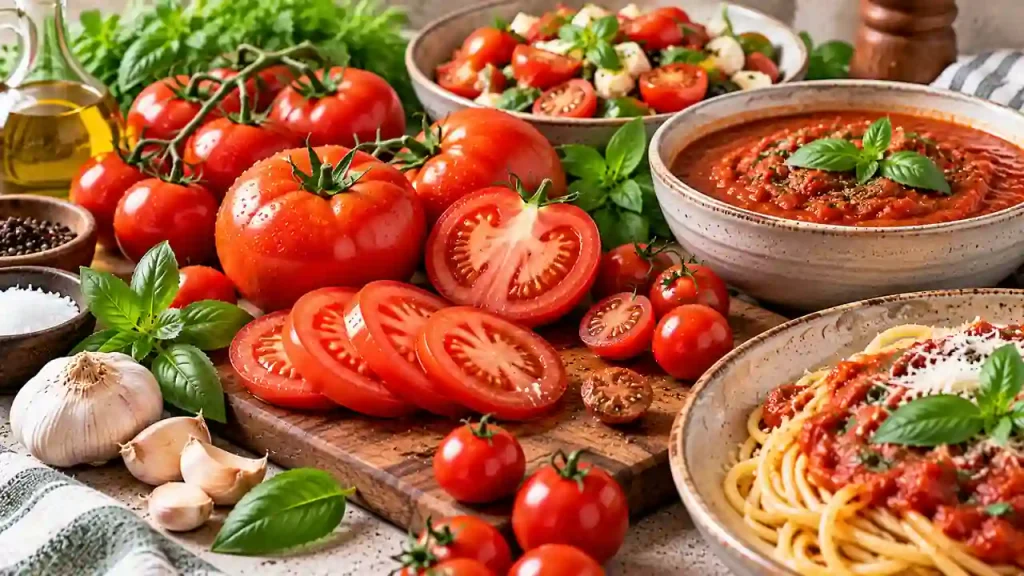
Tomatoes are everyday ingredients in Mediterranean, Latin American, South Asian and many other cuisines. They contain vitamin C and lycopene. Cooking can improve lycopene availability without making sauce automatically better than raw tomatoes. Slice them over toast, simmer them with garlic or fold chopped tomatoes into a bean stew. Homemade sauce also makes cooking ahead easier, provided you follow safe storage practices; see how long homemade pasta sauce lasts. Seasonal or canned tomatoes work well. Compare sodium on labels.
4. Chilies and Bell Peppers: Flavor and Color
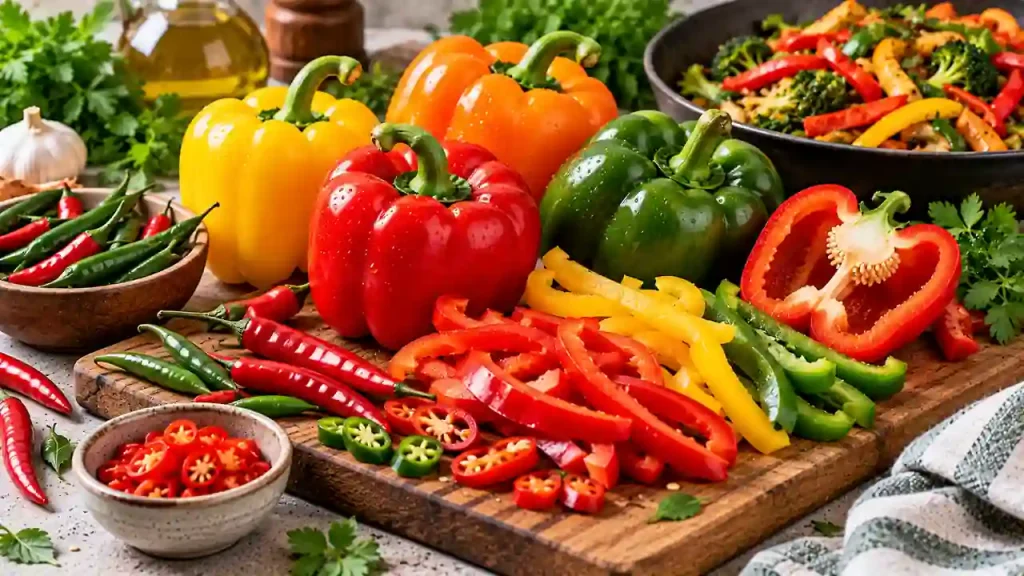
Peppers range from mild, crisp bell peppers to varieties with intense heat. Many supply vitamin C, while red and orange varieties can provide carotenoids. Capsaicin creates heat in hot varieties, not extra vitamins. Use bell pepper strips in fajitas, stir-fries or vegetable curry; add fresh chili gradually to match your tolerance. The peppers in Thai red and green vegetable curry show how one ingredient can contribute sweetness, crunch and color. Wash hands after handling chilies.
5. Carrots: Crunchy and Naturally Sweet
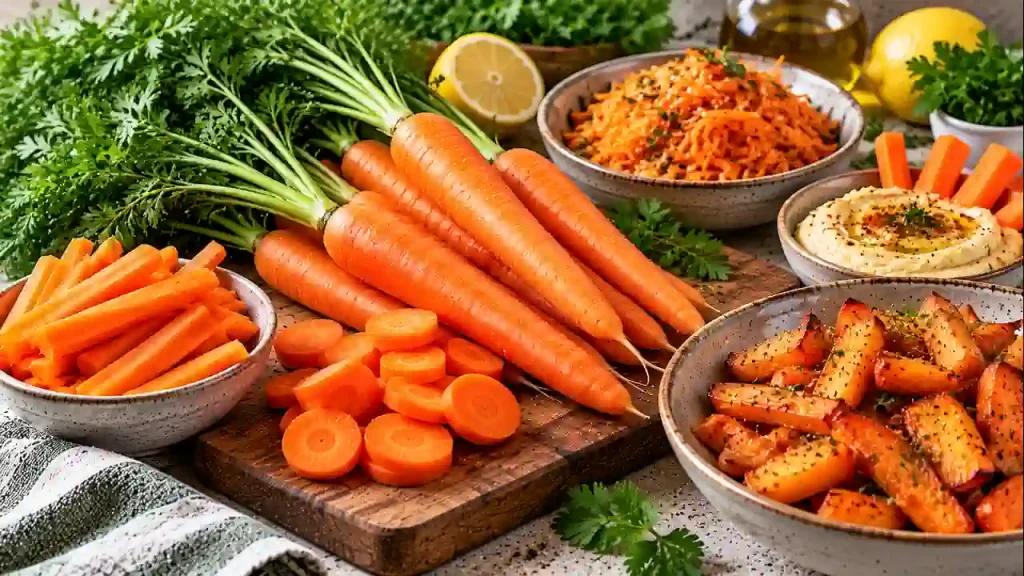
Carrots earn their reputation for beta-carotene, which the body can convert into vitamin A. It supports normal vision, though carrots cannot create superhuman night vision. Serve carrot sticks with hummus, grate them into sandwiches or roast them until the edges caramelize. For family movie nights, carrot-based snacks offer another choice beyond chips. For very young children, cook carrots until soft or grate them rather than offering hard rounds. Steam carrot coins with lemon and herbs for a side dish.
6. Cabbage: Budget-Friendly and Adaptable
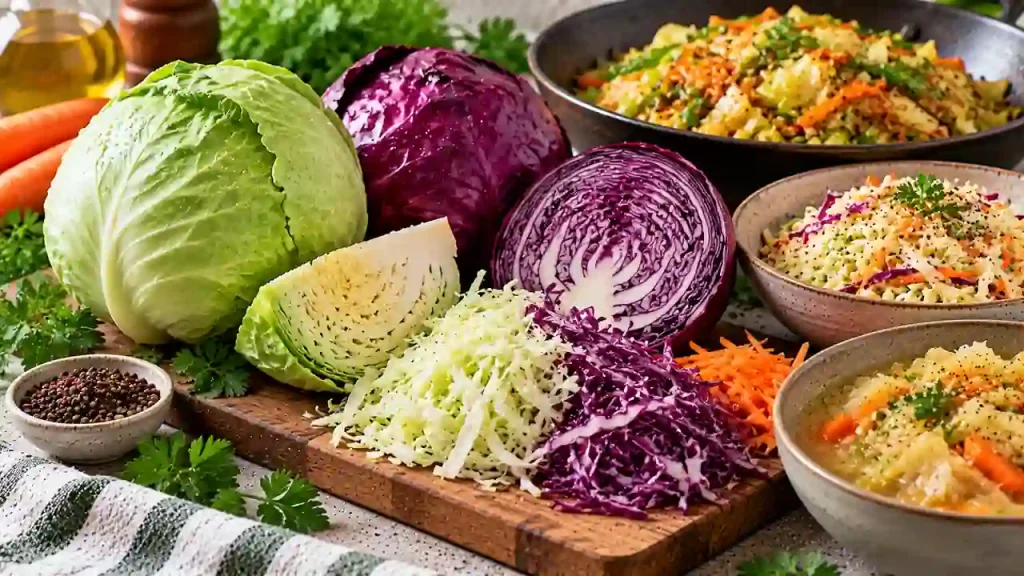
Cabbage is useful raw in slaws, quickly stir-fried or cooked slowly in soups. Green and red varieties both contribute vitamin C, vitamin K and fiber. Red cabbage also contains purple anthocyanin pigments, but that does not make it a disease treatment. Shred cabbage finely with carrots for a crunchy side, or add it near the end of a stir-fry to keep some texture. It also fits naturally into the vegetable base of fried rice with chicken Manchurian. Rinse and refrigerate cut cabbage.
7. Garlic: Small Cloves, Big Flavor
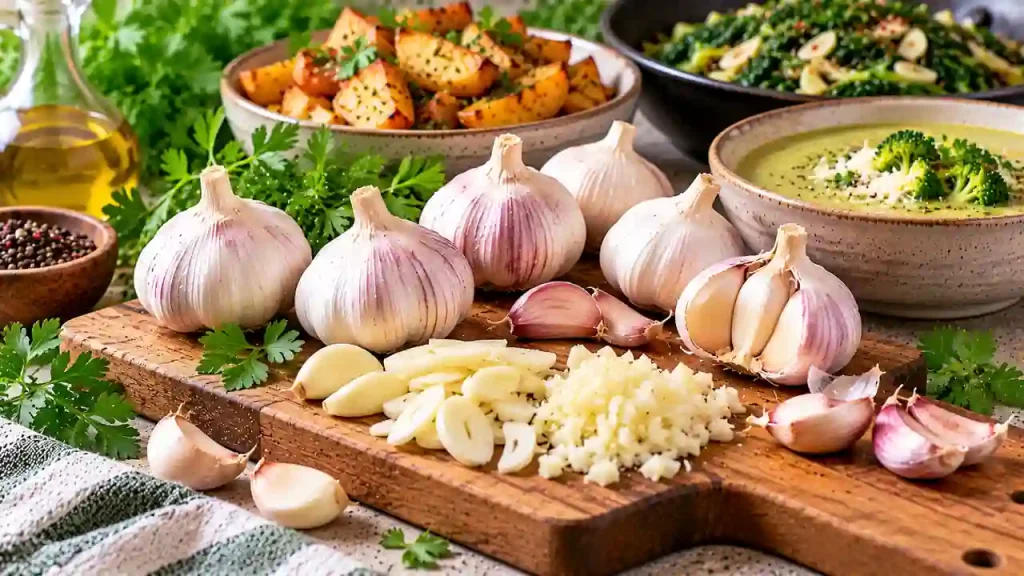
Garlic features in Italian sauces, South Asian tempering, East Asian stir-fries and countless other dishes. Chopping releases its distinctive aroma, transforming vegetables and beans. Sauté garlic gently instead of burning it, which can leave a bitter taste. Add it to roasted potatoes, sautéed greens or a warming broccoli and cauliflower soup. Garlic does not replace medical treatment.
8. Eggplant: A Tender Texture for Hearty Meals
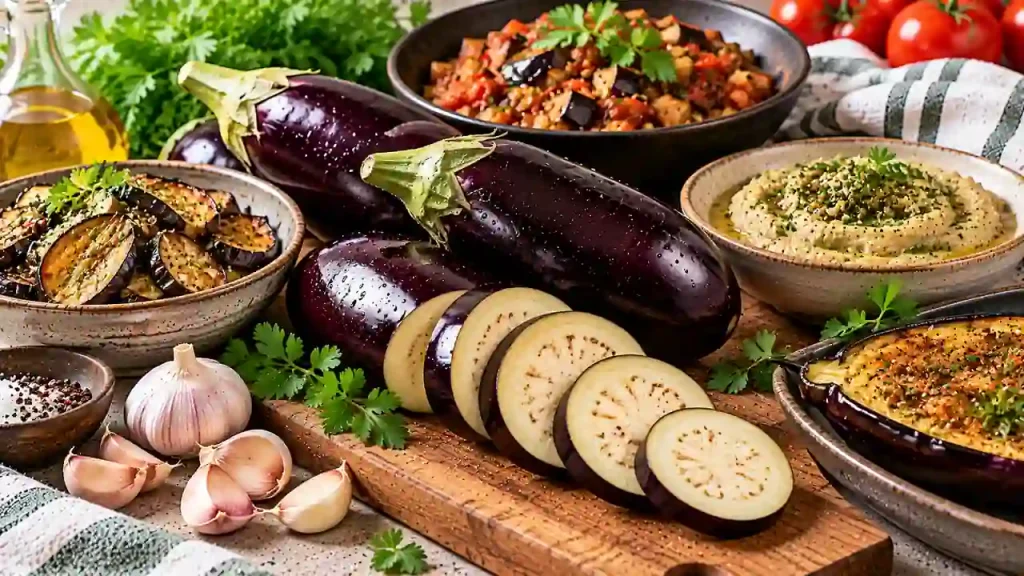
Eggplant, also called aubergine or brinjal, absorbs seasonings beautifully. You’ll find it in baba ghanoush, ratatouille, eggplant Parmesan and baingan bharta. It offers some fiber and purple skin pigments, not proven cures for diabetes or osteoporosis.
Roast halves until soft, then scoop out the flesh for a smoky dip. Alternatively, cube eggplant and simmer it in tomato-based curry. Because it can absorb considerable oil when fried, roasting is useful when you want a less oily preparation. Salting can help manage moisture before some recipes, but is not always necessary. Space roasting pieces so they brown instead of steaming.
9. Cucumbers: Crisp, Cooling and Convenient
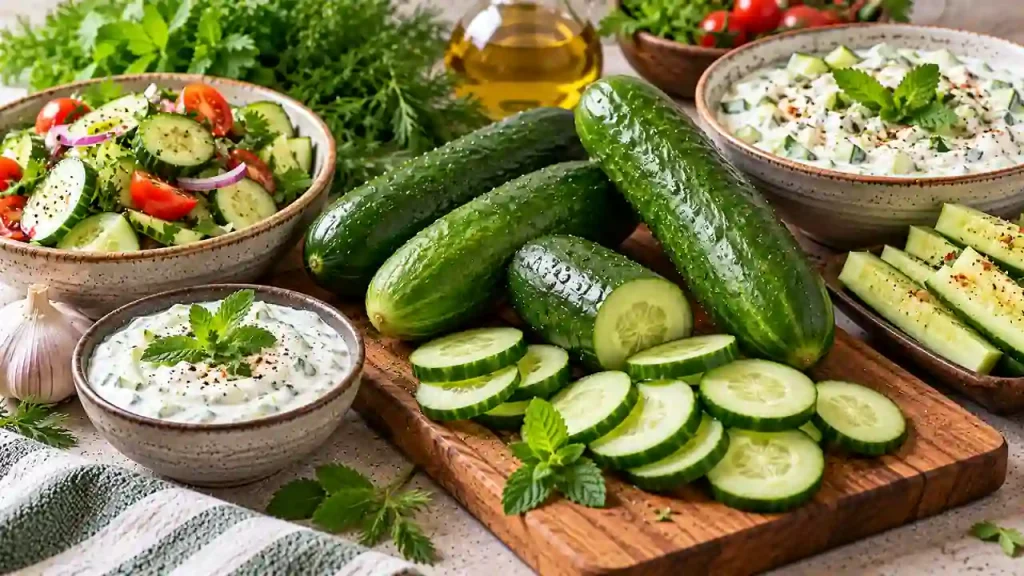
Cucumbers have a high water content and add a refreshing crunch to salads, wraps and snacks. Their washed peel adds some nuance.
Eggplant: A Tender Texture for Hearty Meals
Eggplant, also called aubergine or brinjal, absorbs seasonings beautifully. You’ll find it in baba ghanoush, ratatouille, eggplant Parmesan and baingan bharta. It offers some fiber and purple skin pigments, not proven cures for diabetes or osteoporosis.
Roast halves until soft, then scoop out the flesh for a smoky dip. Alternatively, cube eggplant and simmer it in tomato-based curry. Because it can absorb considerable oil when fried, roasting is useful when you want a less oily preparation. Salting can help manage moisture before some recipes, but is not always necessary. Space roasting pieces so they brown instead of steaming. trients, although cucumbers do not burn body fat. Try cucumber with plain yogurt, mint and a little seasoning for a quick raita-style side. Sliced cucumber balances spicy dishes. Refrigerate prepared cucumber dishes promptly and add cucumber just before serving for crunch.
10. Spinach: A Flexible Leafy Green
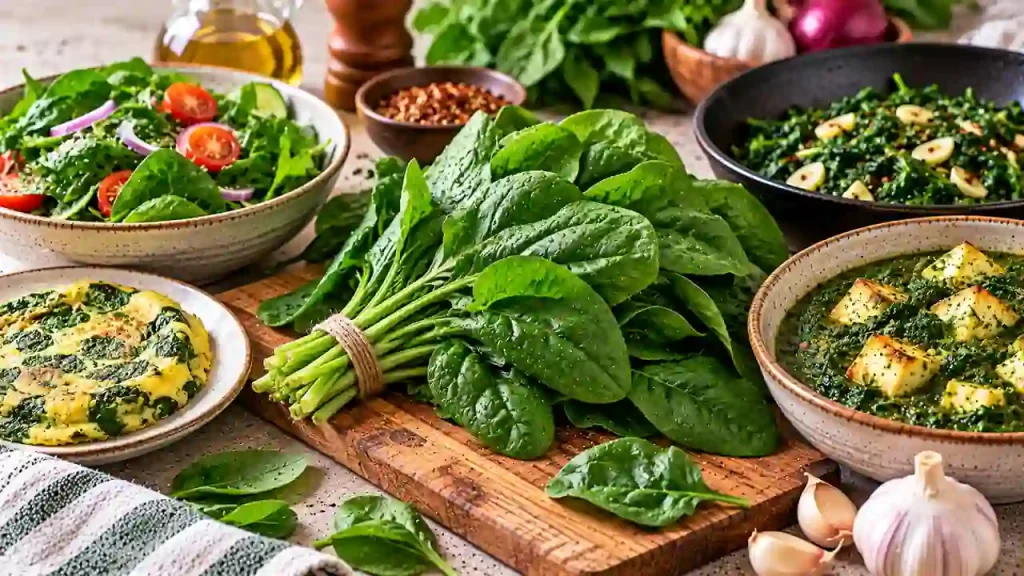
Spinach provides vitamin K, folate and carotenoids, alongside some iron. However, its iron is less readily absorbed than the iron in meat. A handful fits into familiar meals. Wilt leaves into lentils, fold them into eggs or prepare palak paneer. If you take warfarin, discuss consistent vitamin K intake with your clinician rather than suddenly changing your usual portions. For a broader approach, a healthy eating plan should include several food groups, not rely on greens alone.
How to Make the Most Popular Vegetables Part of Your Meals
Mix fresh, frozen, and canned options based on budget and availability. Frozen vegetables and canned tomatoes simplify weeknight cooking. Check sodium and pair vegetables with protein and whole grains. The World Health Organization’s healthy-diet guidance recommends at least 400 grams of fruits and vegetables a day for people aged ten and older. Starchy roots such as potatoes are not counted toward that particular target. Younger children’s recommendations differ.
Add cabbage to fried rice, spinach to lentils or peppers to an omelet. With children, choosing produce together can encourage curiosity; introducing vegetables without pressure may be more helpful than insisting on a clean plate. For a low-waste approach, choose two versatile vegetables for several recipes before adding specialty produce. For instance, onions and carrots can work in soup, rice dishes and roasted trays. Buy quantities you can use, store them appropriately and freeze suitable extras before they spoil.
Choosing Fresh, Frozen or Canned Vegetables
Fresh cucumber or carrot works for quick snacks; frozen vegetables help when you want small portions without waste. Canned varieties can be convenient too, particularly tomatoes, peas and carrots. Look for lower-sodium options and drain or rinse canned vegetables when appropriate. For timing, cook firm potatoes and eggplant before adding quick-cooking spinach or peppers. You do not need expensive produce for a varied diet.
Frequently Asked Questions
1. Which of the Most Popular Vegetables Is the Healthiest?
There is no universal winner. Different vegetables offer different nutrients, so variety and adequate overall food intake matter more than finding one nutritional superstar.
2. Do Potatoes Count Toward the WHO Vegetable Target?
No. The WHO excludes potatoes and other starchy roots from its specific fruit-and-vegetable target. Potatoes can still form part of a balanced diet.
3. Do Tomatoes and Cucumbers Count as Vegetables?
Botanically, they are fruits because they develop from flowers and contain seeds. In cooking and many dietary discussions, they are treated as vegetables.
Final Thoughts
The most popular vegetables are not necessarily the most nutritious in every situation, but their familiarity makes them easy to cook regularly. Choose a mix you actually enjoy, vary the colors and preparations, and pair vegetables with other nourishing foods. You do not need exotic ingredients or dramatic health claims to make ordinary meals more interesting and balanced.



Leave a Reply