

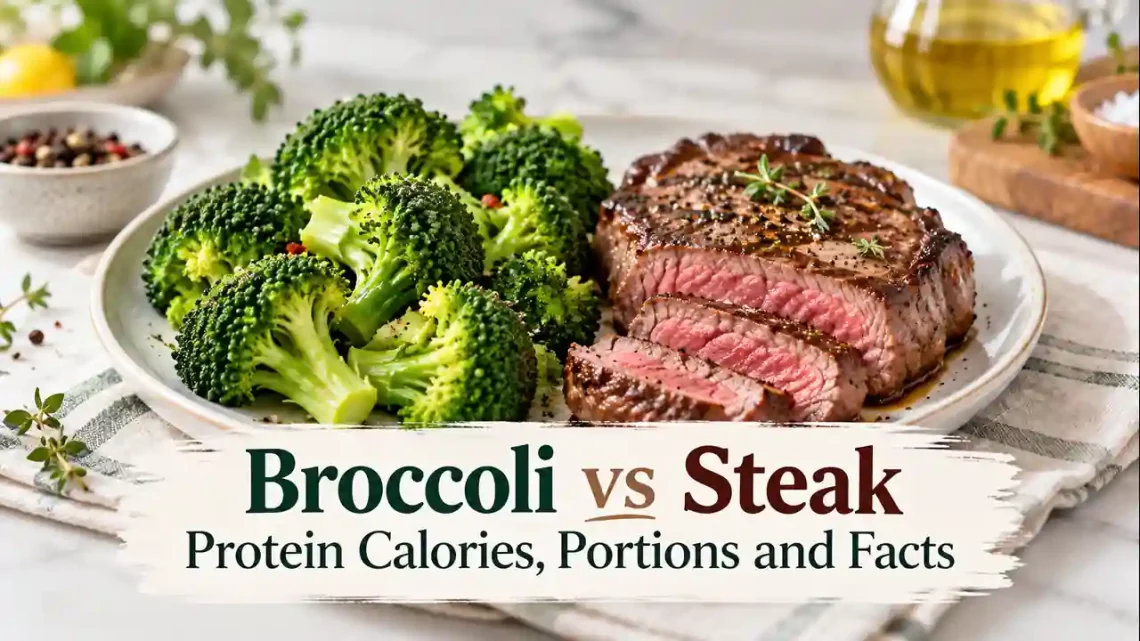
A plate of broccoli contains protein, but does it provide as much as steak? The broccoli vs. steak protein debate often compares foods by calories while overlooking how much you would actually eat. This guide compares cooked examples by weight, calories, and realistic portions, explains where plants fit into your protein choices, and offers five meal ideas. You can enjoy vegetables without expecting them to do the same nutritional job as meat.
The Quick Answer: Yes, plants contain protein. However, the cooked lean top-sirloin steak used here provides substantially more protein than cooked broccoli, both per 100 grams and per 100 calories. Broccoli contributes fibre and vitamins. If you want a plant-based main protein, choose foods such as beans, lentils, tofu, tempeh, or edamame alongside your vegetables.
Do Plants Have Protein?
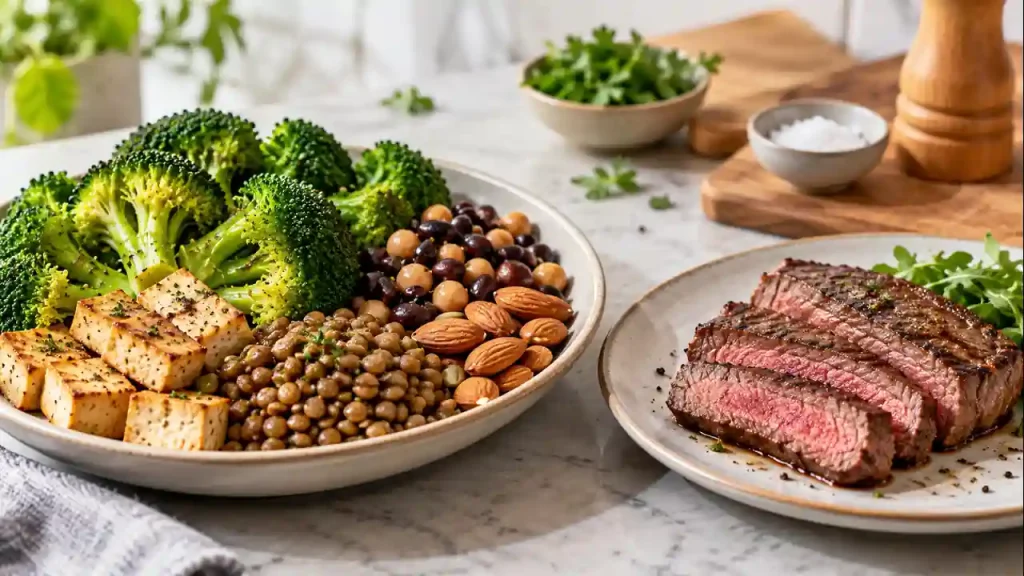
They do. Beans, grains, nuts, seeds, vegetables, and soy foods all contribute varying amounts. The distinction is between containing some protein and providing a substantial amount in the portion you eat. Broccoli belongs comfortably on the vegetable side of a meal. Legumes and soy products are generally more practical choices when replacing a meat portion. Your healthy eating plan should consider the whole meal: adequate energy, protein, carbohydrates, fats, and a variety of nutrients.
Broccoli vs Steak Protein Per 100 Grams
For a clear comparison, both foods below are cooked. The broccoli is boiled, drained, and prepared without salt. The steak is broiled top sirloin, with only the separable lean portion counted and external fat trimmed away. The figures come from USDA FoodData Central, SR Legacy records 169967 and 168634. They describe these particular foods, not every broccoli preparation or steak cut.
| Per 100 grams of cooked food | Broccoli | Lean top sirloin steak |
| Calories | 35 kcal | 183 kcal |
| Protein | 2.38 g | 30.55 g |
| Total fat | 0.41 g | 5.79 g |
| Fibre | 3.3 g | 0 g |
At equal weight, the selected steak contains nearly thirteen times as much protein. That does not make broccoli unimportant; the foods provide different combinations of nutrients.
Broccoli vs Steak Protein Per 100 Calories
Calorie-based comparisons need a different calculation:
Protein per 100 calories = protein per 100 grams ÷ calories per 100 grams × 100.
Using the same foods:
| A 100-calorie portion | Amount of food | Protein |
| Cooked broccoli | About 286 g | 6.8 g |
| Selected cooked steak | About 55 g | 16.7 g |
The steak still provides more protein in this example. Different cuts can change the result, especially when more fat is included. A claim that broccoli always beats steak per calorie leaves out that important detail. Notice the portion difference, too: the broccoli serving weighs over five times as much. Equal calories do not mean equal-sized helpings.
What Does the Comparison Look Like on a Plate?
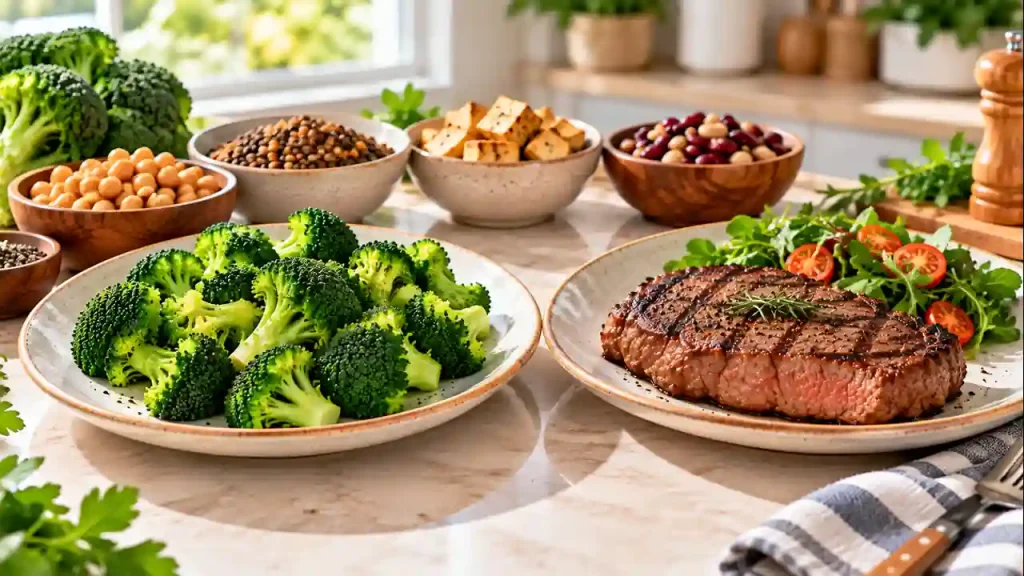
For broccoli vs steak protein in everyday meals, illustrative portions are more useful than a headline alone:
- One cup of chopped cooked broccoli, about 156 grams: roughly 3.7 grams of protein.
- Three ounces of the selected cooked steak, about 85 grams: roughly 26 grams of protein.
To get 25 grams of protein from this broccoli alone, you’d need about 1.05 kilograms, or nearly seven cups. That calculation explains why broccoli is an impractical sole replacement for a protein-rich main course. You can keep the vegetable portion and change the main protein instead. For example, serve broccoli with tofu, beans, or lentils when you prefer a meat-free meal.
Why Steak Cut and Cooking Method Matter
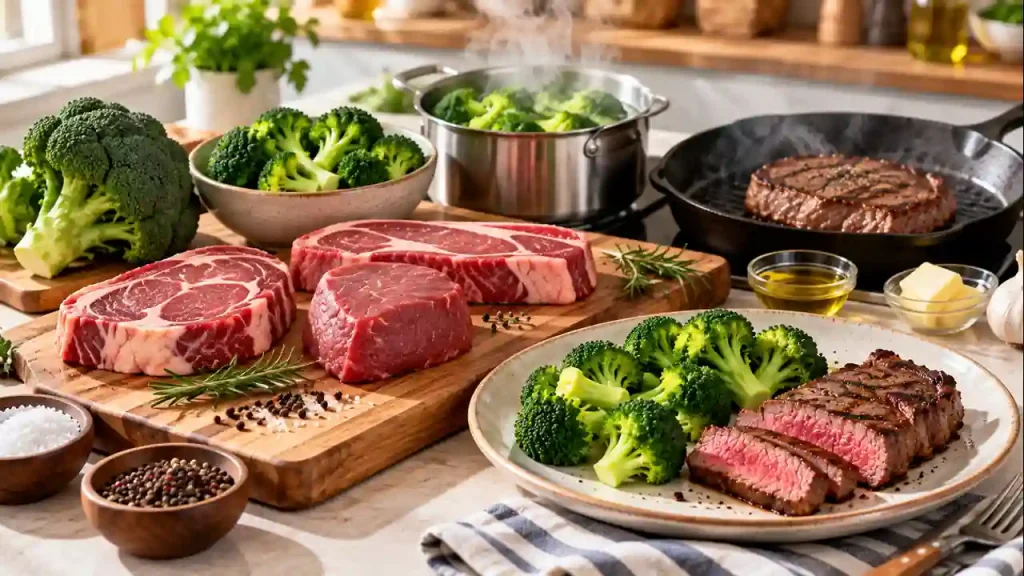
The word “steak” covers cuts with different amounts of fat. Trimming, marbling, cooking losses, and added butter or oil affect the final figures. A lean fillet is not automatically fattier than every other cut. Cooking also changes food weight through moisture loss or absorption. Avoid comparing raw steak data with cooked steak data as though the portions were identical. For broccoli, check whether the entry describes raw, boiled, frozen, or another preparation.
When checking broccoli vs steak protein claims, look for three things: the exact food, its preparation, and whether the comparison uses grams, calories, or servings. Added sauce belongs in the meal calculation as well.
What Broccoli Adds Beyond Protein
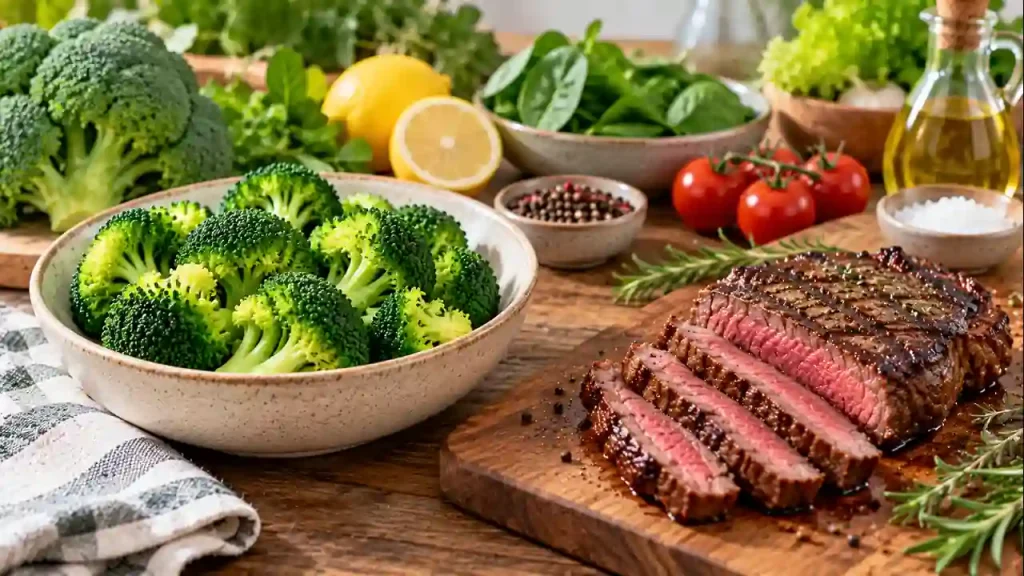
Broccoli contributes fibre, vitamin C, vitamin K, and folate. Its value does not depend on winning a protein comparison. It is one of many fibre-rich foods you can include alongside legumes, whole grains, fruit, and other vegetables. Steak offers a different nutrient package, including protein, iron, zinc, and vitamin B12, while providing no dietary fibre. Neither food supplies every nutrient you need. Broccoli is naturally low in fat, but a cheese sauce or generous oil coating changes the finished dish. Equally, eating steak does not mean its fat automatically becomes body fat. Portions and overall eating habits matter.
Common Broccoli vs. Steak Protein Claims to Question
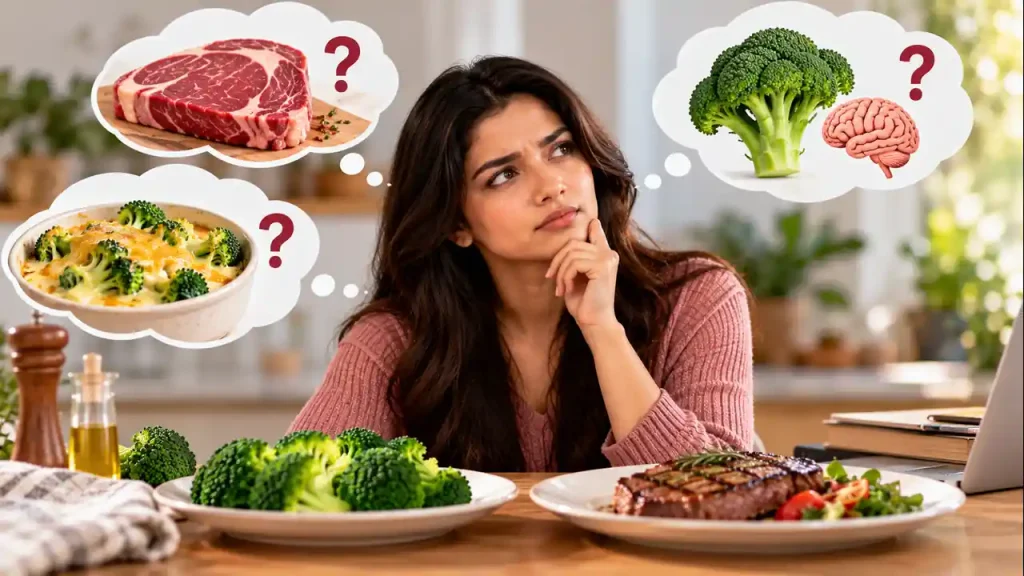
“Steak is more than 50% fat.” Not a universal statement. Grams of fat and the percentage of calories from fat are different measures; both vary by cut.
“Broccoli prevents Alzheimer’s disease, arthritis, or allergies.” Nutrient content and research on isolated plant compounds do not establish that eating broccoli prevents these conditions. Avoid presenting laboratory findings as proven food treatments.
“Cheesy broccoli is automatically lower in fat than steak.” The answer depends on the recipe and portion. Check all ingredients rather than giving the vegetable’s nutrient figures to the finished dish.
Better Plant-Based Choices for a Main Protein
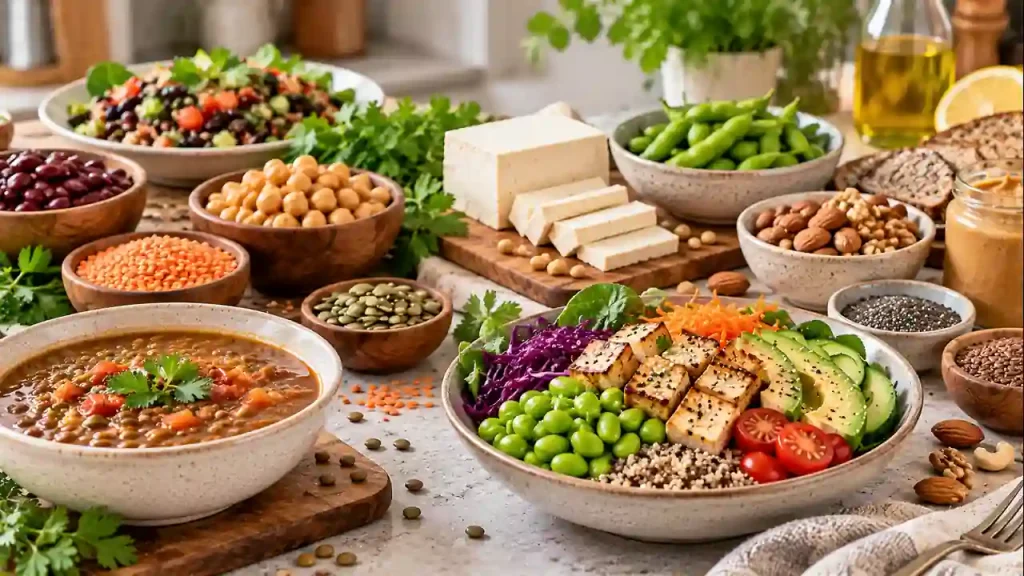
Useful plant-based protein options include beans, peas, lentils, nuts, seeds, and soy products. Consider how they fit your meal:
- Beans or lentils: add to soups, stews, salads, or pasta.
- Tofu or tempeh: use in stir-fries, tray bakes, or sandwiches.
- Edamame: add to a bowl or serve alongside other foods.
- Nuts and seeds: used as toppings or spreads, accounting for their energy content.
Compare package labels when products differ. A plant-based burger or drink may contain considerably more or less protein than another version. Different diet plans for women can accommodate plant proteins; adequate food and sustainable habits matter more than a label.
Five Practical Broccoli Meal Ideas
These are flexible combinations rather than measured recipes. Each keeps broccoli in the meal while adding another source of protein.
1. Broccoli With Yogurt Dip
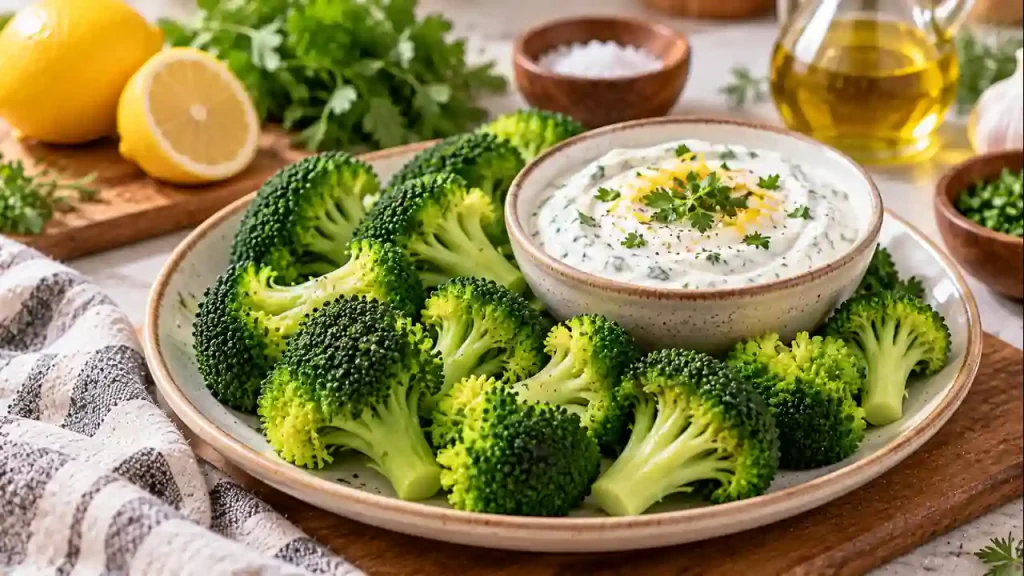
Steam broccoli until it has the texture you enjoy. Serve with plain Greek yogurt mixed with lemon juice and herbs. A dairy-free version can use a suitable soy yogurt; check its protein content. Offer the dip separately so each person can choose how much to use.
2. Broccoli and Bean Soup
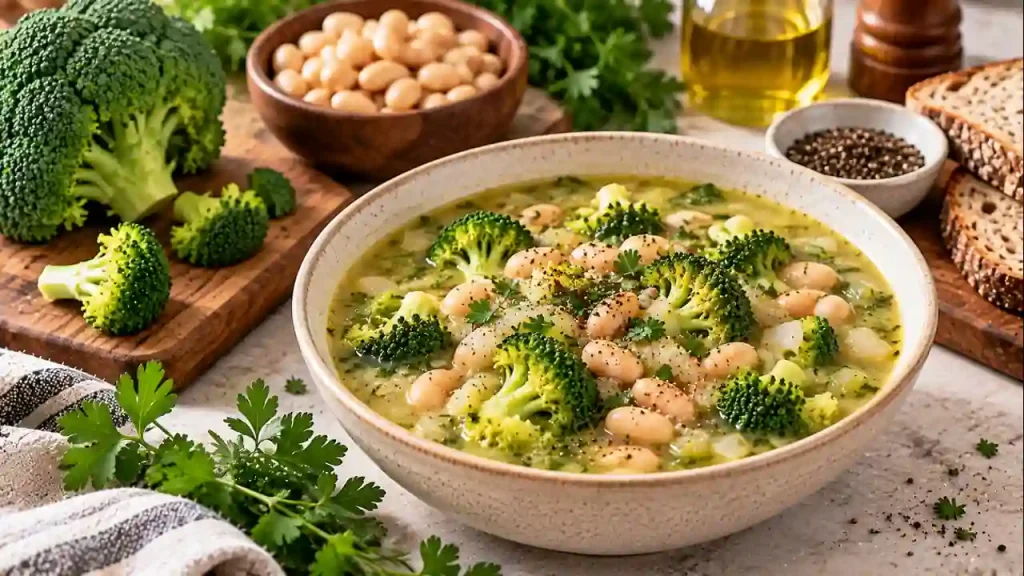
Simmer broccoli with onion, vegetable stock, and cooked white beans, then blend some or all of the mixture. The beans add substance and protein. For a dairy-based variation, broccoli cauliflower cheese soup offers another preparation. Its cheese and cream contribute to the nutrition of the finished bowl.
3. Broccoli and White-Bean Patties
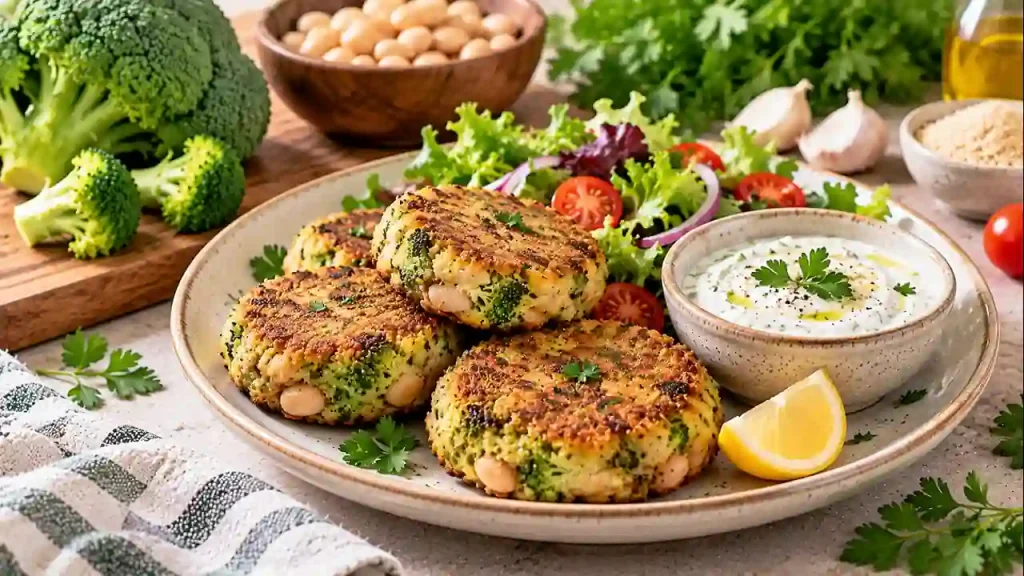
Combine finely chopped cooked broccoli with mashed cooked white beans, breadcrumbs, and seasoning. Shape into small patties and bake until firm and browned, using a measured recipe for reliable quantities and timing. This option avoids relying on rice prepared several days in advance. Serve with a dip and another food you enjoy.
4. Broccoli Pasta With a Protein Addition
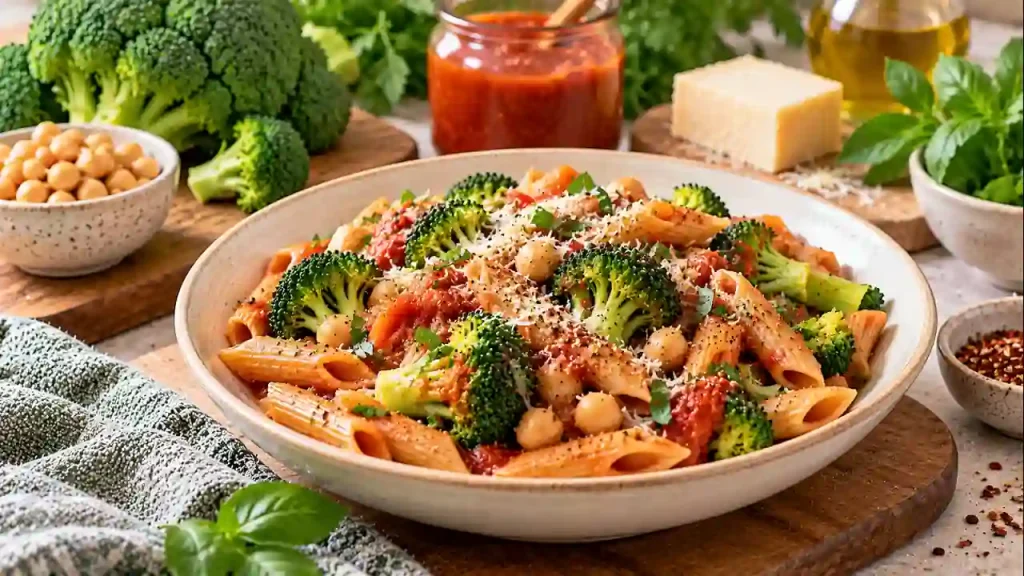
Add broccoli to pasta, then include chickpeas, tofu, or cooked meat according to your preferences. Toss with tomato sauce and seasoning. If using a prepared batch, the storage time for homemade pasta sauce matters. Sauce age, refrigeration, and handling still count when it becomes part of another dish.
5. Roasted Broccoli and Chickpea Bowl
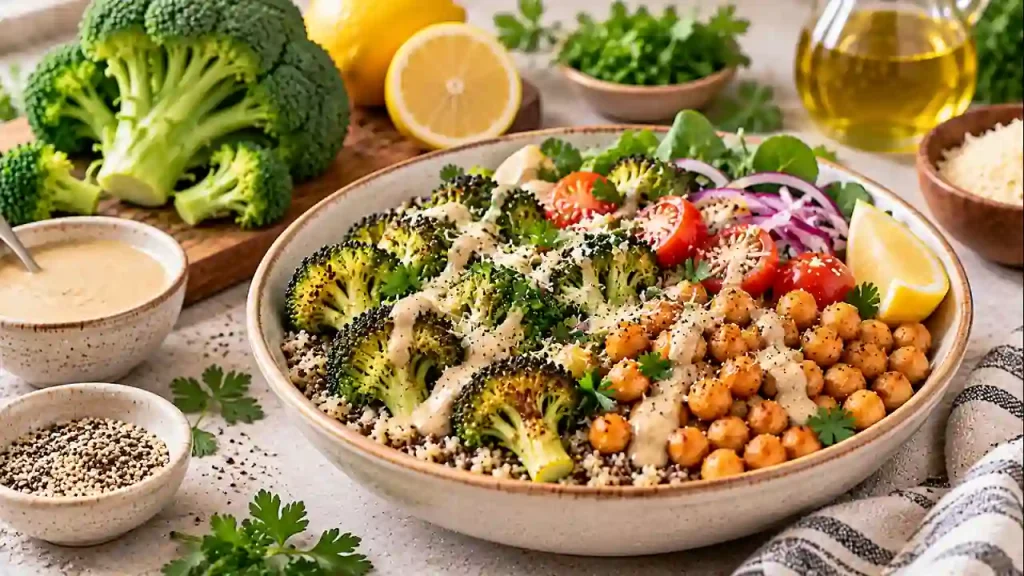
Roast broccoli and chickpeas with a little oil and seasoning, then serve with a grain and lemon-tahini dressing. Alternatively, add a little grated Parmesan if it suits your diet. Keep leftover Parmesan properly stored between meals. Dressing, cheese, and grain portions all contribute to the bowl’s overall nutrition.
Preparation, Children, and Leftovers
Cutting pieces evenly and preparing ingredients before starting are useful everyday cooking habits. Choose steaming, roasting, or another method for the flavour and texture you want, rather than promising that one method preserves every nutrient. For children, offer manageable portions and age-appropriate textures. Letting them help choose or prepare vegetables can make introducing vegetables to kids part of an ordinary family meal. Broccoli should complement adequate meals, not replace the main protein automatically.
Handle cooked leftovers safely: refrigerate in shallow containers within two hours, or one hour above 90°F/32°C. Keep the fridge at 40°F/4°C or below, use most cooked leftovers within three to four days, and reheat to 165°F/74°F. Freeze promptly if you need longer storage.
Frequently Asked Questions
1. Is Broccoli a High-Protein Food?
It contributes protein, but a normal serving supplies much less than steak or a substantial portion of legumes or soy food. Treat it primarily as a vegetable.
2. Can You Meet Protein Needs Without Steak?
Yes. Include enough suitable protein foods throughout the day. A varied plant-based diet can use legumes, soy, nuts, seeds, and grains; broccoli can contribute alongside them.
3. Which Food Is Better for Everyone?
There is no universal answer. Preferences, overall diet, allergies, and medical needs matter. A registered dietitian can help tailor choices when your nutritional needs require individual assessment.
Final Thoughts
Broccoli vs steak protein is easiest to understand when the portions and preparation are clearly stated. The lean steak examined here provides far more protein; broccoli contributes fibre and other nutrients worth keeping on the plate. If you want to replace meat, choose a practical plant protein and enjoy broccoli alongside it. Build a meal that suits your needs instead of expecting one food to provide everything.



Leave a Reply