


The best time to eat fruits is usually the time that fits your appetite and daily routine—not a special hour when nutrients suddenly become available. Fruit can be part of breakfast, lunch, dinner, or a snack. Here are eight myths, what the evidence supports, and the situations where individual advice really matters.
Is There a Best Time to Eat Fruits?
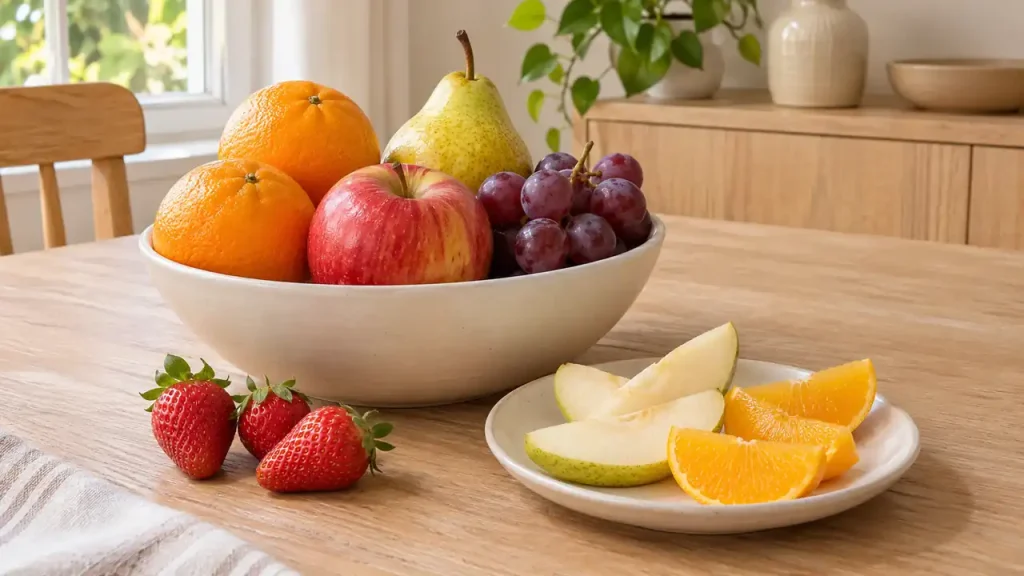
For most healthy people, no single time of day has been proven best for getting nutrients from whole fruit. Fruit provides water, vitamins, minerals, and varying amounts of fiber whether you eat an orange at breakfast or a pear after dinner. What matters more is enjoying a variety of fruit regularly as part of a balanced eating pattern.
Timing can matter for comfort, medication schedules, or managing blood glucose. Those are reasons to personalize your choices, not evidence of a universal fruit-eating clock.
Eight Myths About the Best Time to Eat Fruits
Rules about enzymes, fermentation, and glucose may sound scientific, but they are not always evidence-based.
Myth 1: Fruit With a Meal Will Rot in Your Stomach

Fact: Your digestive system is equipped to handle mixed meals. Fruit does not automatically rot because you ate it after rice, vegetables, or protein.
Fiber and the composition of a meal can influence how quickly the stomach empties, but slower emptying is not the same as food spoiling inside you. Some people feel bloated after particular fruits because of their individual digestive tolerance, not because food combinations are inherently unsafe. Try a smaller portion if a large fruit salad causes discomfort.
Myth 2: You Must Eat Fruit on an Empty Stomach to Absorb Vitamins

Fact: Eating fruit before, during, or after a meal does not ordinarily prevent nutrient absorption. Much of nutrient absorption occurs in the small intestine, and your body can process a mixture of foods. You do not need a two-hour gap before eating a banana.
In some cases, combinations can be helpful. Vitamin C-rich fruit served with a meal containing plant-based iron can support iron absorption. A few orange segments alongside lentils are therefore reasonable, not nutritionally wasted. Your comfort and dietary variety are more useful guides than a stopwatch.
Myth 3: Afternoon Is the Only Time Fruit Improves Digestion

Fact: Digestion operates throughout the day. The body has daily rhythms that influence metabolism, but there is no established afternoon window that activates the stomach or unlocks fruit nutrients. The best time to eat fruit is not automatically 3 p.m. simply because someone calls fruit a metabolism booster.
An apple, guava, or berries can make a convenient afternoon snack when you’re hungry. Pairing fruit with plain yogurt or a few nuts may make the snack more satisfying; fruit itself is not usually a concentrated protein source. A comparison of how much protein fruit provides helps put that distinction in context.
Myth 4: People With Diabetes Must Separate Fruit From Meals
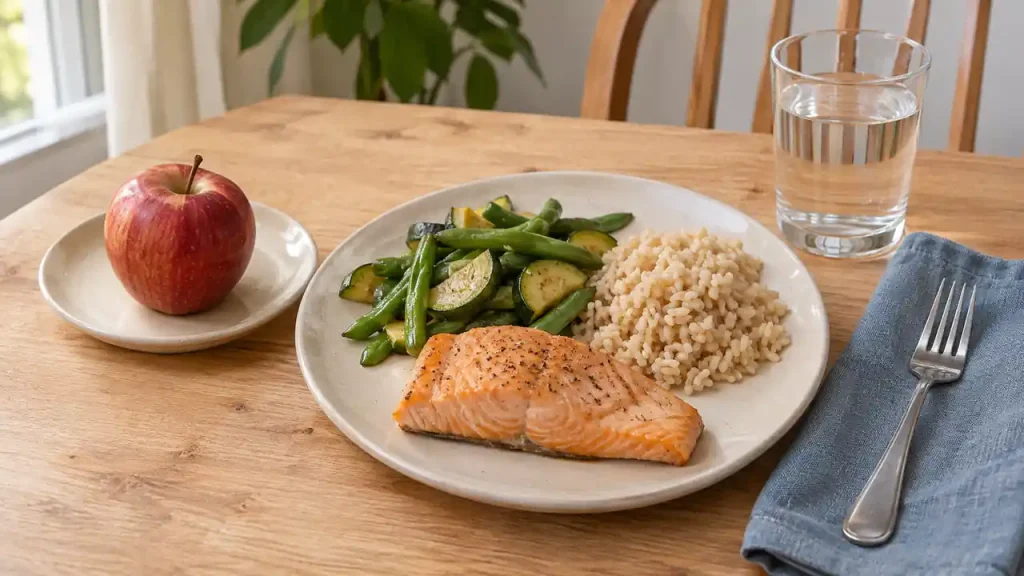
Fact: People with diabetes can often eat whole fruit with a meal or as a snack. Fruit contains carbohydrates, so the type, quantity, and rest of the meal matter. The best time to eat fruits with diabetes depends on your meal pattern, medicines, and glucose response—not an automatic one- or two-hour waiting rule.
Practical fruit guidance for people with diabetes recommends watching portions, choosing whole fruit more often than juice, and fitting carbohydrates into an individual plan. For perspective, one small piece of whole fruit often provides around 15 g of carbohydrate, though portions vary. Pairing fruit with protein or fat may moderate the glucose response; it does not keep blood sugar unchanged.
Importantly, diabetes does not automatically mean delayed stomach emptying. Gastroparesis is a separate complication affecting some people; those who have it may need different advice about fiber and food texture. Follow your care team’s specific plan and consider this guide to juicing with diabetes when comparing whole fruit and drinks.
Myth 5: Eating Fruit at Night Causes Weight Gain

Fact: Fruit eaten after dinner does not automatically turn into body fat. Body weight is influenced by overall energy intake, activity, health, medications, and other factors—not a fruit-only bedtime deadline. The best time to eat fruits in the evening depends on hunger, comfort, and any medical needs.
A small pear or banana may be a pleasant snack. However, eating shortly before lying down can worsen reflux for some people, particularly with acidic fruit or large portions. And while bananas contain potassium, eating one at bedtime has not been established as a reliable way to prevent nighttime leg cramps. Choose a fruit because you enjoy it, not as a treatment for a medical symptom.
Myth 6: Morning Juice Is Better Absorbed Than Whole Fruit
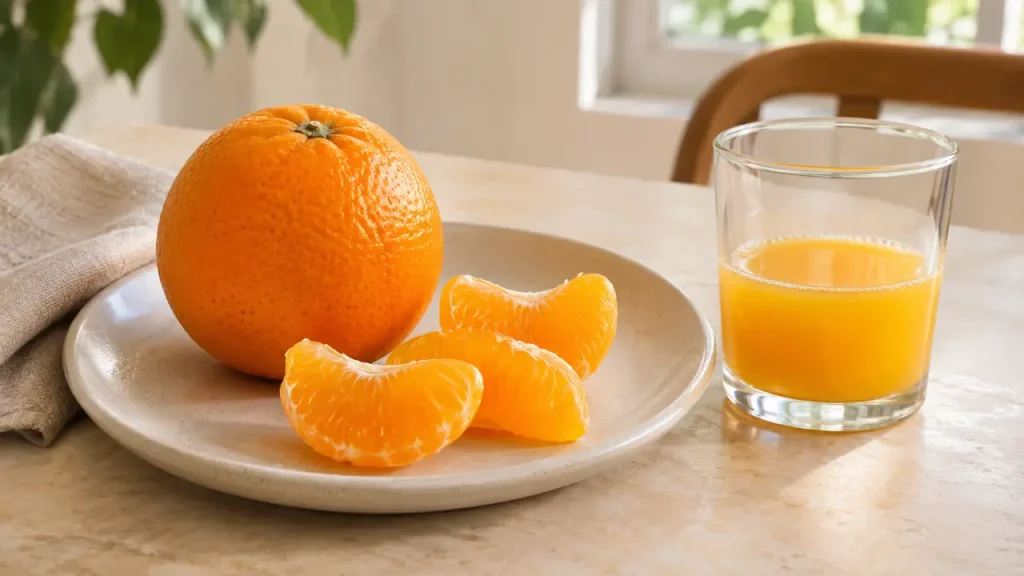
Fact: There is no good reason to assume an empty stomach makes juice nutrients uniquely available. Drinking juice with breakfast does not make food ferment into useful digestive chemicals, either. A small glass of 100% juice can fit into some diets, but it usually has less fiber than whole fruit. Measured juice may also help treat low blood glucose under an established diabetes care plan.
For everyday eating, whole fruits rather than juice are often preferable for fullness. A blended smoothie that retains the edible pulp keeps more fiber than strained juice, although portions still count. If citrus juice bothers your stomach, choose another fruit or drink rather than forcing it first thing in the morning.
Myth 7: Fruit Before Meals Automatically Causes Weight Loss

Fact: Fruit can be filling because it contains water and, in many varieties, fiber. Replacing a more energy-dense snack with whole fruit may help some people manage overall intake. The best time to eat fruits for weight management is when they help you enjoy satisfying meals or snacks. A precise pre-lunch minute cannot guarantee weight loss.
A useful approach is to focus on food patterns you can sustain. This overview of filling foods for weight management includes fruit alongside vegetables, protein foods, and whole grains. When comparing diet plans for women, avoid treating fruit timing as a weight-loss requirement. If rules increase anxiety around eating, seek individualized support. Fruit should be enjoyable, not another food-timing test.
Myth 8: Only Fresh Fruit Counts as Healthy
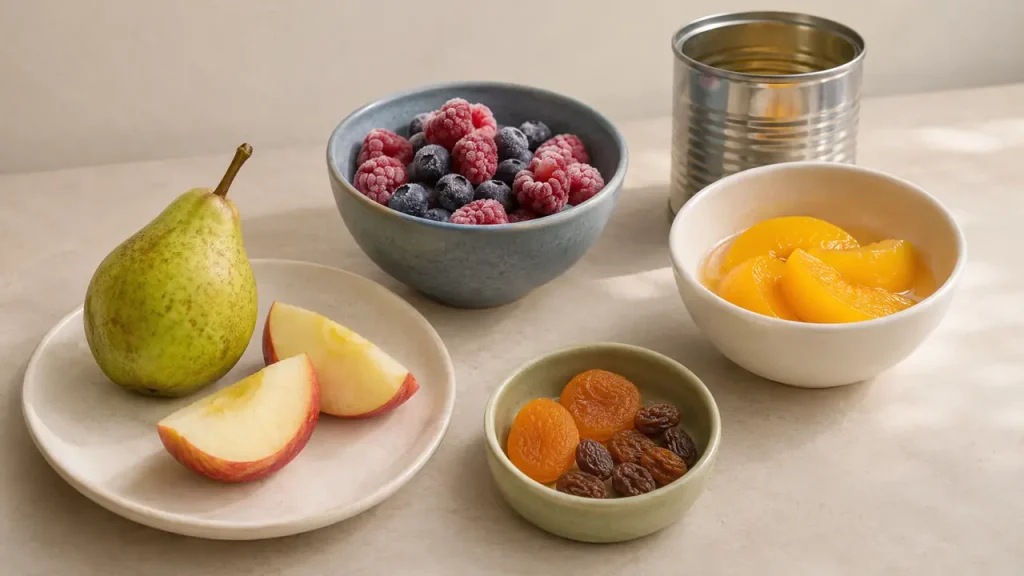
Fact: Frozen, canned, and dried fruit can contribute nutrients to your diet, although they are not identical. Freezing generally preserves many nutrients; canning and drying change water content, texture, and sometimes levels of heat-sensitive vitamins. Check the label and portion.
Choose frozen fruit without added sugar, canned fruit in water or its own juice, and dried varieties without unnecessary added sugar when practical. Dried fruit is concentrated, so a small serving contains more carbohydrate than the same volume of fresh fruit. Whole fruit is generally more filling than juice. Comparing fiber-rich foods and serving sizes can make those differences easier to understand.
A Practical Fruit-Timing Guide
The best time to eat fruits is easier to decide when you start with your schedule and how you feel after eating. This is a convenience guide, not a medical prescription.
| Situation | A practical choice | What matters most |
| Breakfast | Berries with oats or yogurt | A balanced meal you enjoy |
| Afternoon hunger | Apple with nuts | Hunger and satisfaction |
| After dinner | A modest serving of whole fruit | Comfort, especially with reflux |
| Diabetes meal planning | Whole fruit with or between meals | Carbohydrates and your individual plan |
| Sensitive digestion | Smaller portions of tolerated fruit | Symptoms and medical advice |
Wash produce and refrigerate cut fruit promptly. Choose different varieties for variety, rather than chasing one supposedly perfect fruit.
When Fruit Timing Really Does Need Individual Advice
A person managing diabetes, reflux, food allergies, kidney disease, or a diagnosed digestive disorder may have restrictions that do not apply to everyone. With gastroparesis, for example, medical guidance may recommend smaller meals and less dietary fiber because high-fiber foods can be harder to tolerate. The individualized treatment of gastroparesis is therefore more important than a general recommendation to increase fruit fiber.
Certain fruits can also interact with medicines; grapefruit is a familiar example. Check with a pharmacist when a medicine label warns about fruit or juice. For general well-being, practical everyday nutrition habits usually matter more than a perfect snack schedule.
Frequently Asked Questions
These short answers address the questions that most often lead to unnecessary restrictions.
1. Can I Eat Fruit Immediately After Dinner?
Yes, if you tolerate it. You do not normally need to wait for the meal to digest. If a large or acidic serving worsens reflux, adjust the amount or timing.
2. Is Fruit Better Before or After Exercise?
Either can fit. Consider workout duration, digestion, and what else you have eaten. A banana may be convenient before an activity; fruit with yogurt can be part of a post-exercise snack.
3. Should I Avoid Bananas or Mangoes if I Have Diabetes?
Not automatically. Their carbohydrates still count. Portion size, other foods, medication, and your personal glucose response matter more than labeling a whole fruit as forbidden.
Final Thoughts
The best time to eat fruits is usually whenever they fit comfortably into a varied, balanced eating pattern. Fruit need not be eaten alone, in the afternoon, or before every meal to provide nutrients. Choose whole fruit regularly, consider portions when managing blood glucose, and seek individualized advice for digestive conditions or medication interactions. A consistent habit is far more useful than a rigid fruit-eating clock.



Leave a Reply