


Some days, a favourite outfit feels right. On others, a single photo or comment can make you question your appearance. Learning how to feel beautiful involves both the choices you enjoy and the way you respond to yourself when confidence dips. This guide brings together body confidence, personal style, everyday care, and practical ways to handle comparison. Start wherever your own experience needs attention.
Quick Answer: Feeling beautiful can grow through gentler self-talk, comfortable personal style, less appearance comparison, and activities that make you feel connected to your life. Choose one manageable change today. You do not have to love every feature or feel attractive constantly to deserve care, respect, and participation in everyday life.
What Does Feeling Beautiful Mean?
Feeling beautiful might mean enjoying your reflection, feeling comfortable in an outfit, or expressing something about yourself. It is personal, and the feeling can change with your circumstances. Family comments, media images, and life changes can complicate that relationship. Repeated criticism may become body shame, making appearance feel like a measure of worth.
Three approaches can work together: self-compassion means responding kindly to difficulty; body neutrality leaves room for respect without admiring every feature; self-expression lets you enjoy your preferred style. None requires constant positivity.
Choose Where to Start
| What feels difficult today? | A useful starting point |
| Harsh thoughts about your looks | Try a believable, kinder response |
| Getting dressed | Check comfort, fit, and personal preference |
| Comparison after scrolling | Review your feed and set a manageable limit |
| Remarks from other people | Prepare a short boundary |
| Appearance worries disrupting daily life | Seek qualified support |
Use the ten steps below as options. You can choose one without turning the whole list into another standard to meet.
How to Feel Beautiful: 10 Practical Starting Points
1. Replace Harsh Judgments With Believable Words

“I love everything about myself” may feel impossible when you are struggling. Try something believable: “I feel unsure about my appearance today, and I can still treat myself kindly.” A randomized study of self-compassion meditation in women reported improvements in body appreciation and reductions in body dissatisfaction. However, it used a waitlist comparison and had substantial participant dropout; it does not prove that one sentence will change how you feel. Write down one recurring criticism and a gentler response. Notice whether the new wording feels useful, rather than forcing yourself to believe it immediately.
2. Let Confidence Grow Through Small Actions

Waiting until you feel attractive enough to attend an event can put life on hold. Choose one manageable action: join a conversation, wear something you enjoy, or share an opinion. Afterward, notice what you did, even if you felt nervous. “I stayed and spoke to someone” gives you something concrete to recognize. Build confidence around decisions, skills, and experiences. Start with manageable situations, and seek support if appearance-related avoidance becomes persistent.
3. Choose Clothes for the Body You Have Today

An outfit that pinches, slips, or needs constant adjustment can make the day uncomfortable. Try sitting, reaching, and walking in clothes before deciding they work for you. Choose two reliable outfit combinations from pieces you already own. If you like simple combinations, classic outfits for women offer useful starting points. Adapt them to your culture, budget, and preferences. Practical changes to fit, footwear, and garment care can make getting dressed easier. Keep comfortable clothes within reach instead of reserving enjoyable outfits for a future size or occasion.
4. Make Grooming a Choice You Enjoy
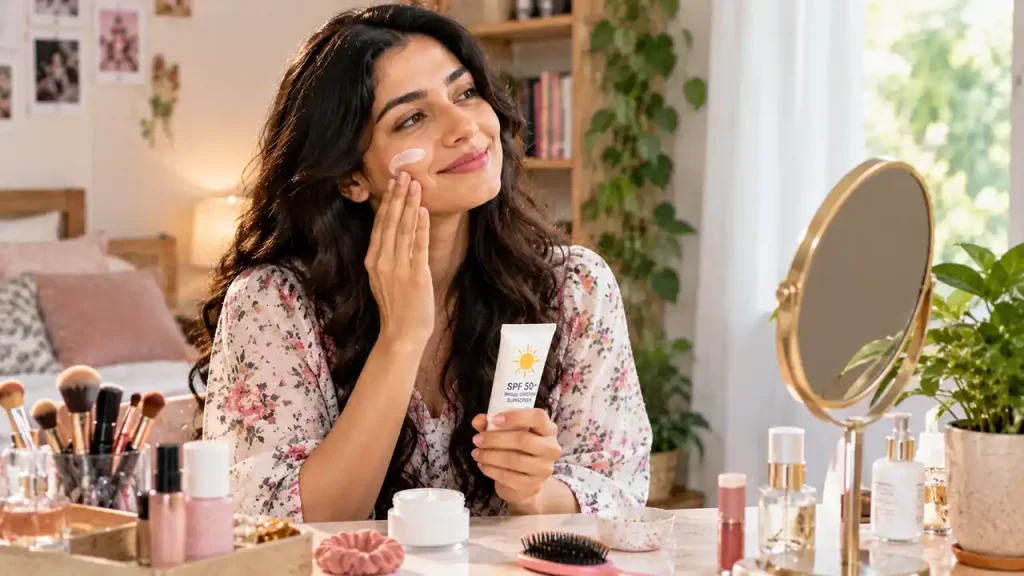
Ask which parts of getting ready you like: brushing your hair, wearing earrings, applying lipstick, or leaving your face bare. Keep what suits you and simplify the rest. For basic skin care, gentle cleansing, moisturizer, and sun protection are sensible foundations. Choose broad-spectrum, water-resistant sunscreen with SPF 30 or higher and follow its directions. More products are not automatically more useful. Persistent acne or irritation deserves appropriate advice. Skin concerns do not mean you have failed at self-care, and makeup can remain a creative choice.
5. Support Your Body Without Turning Care Into a Test
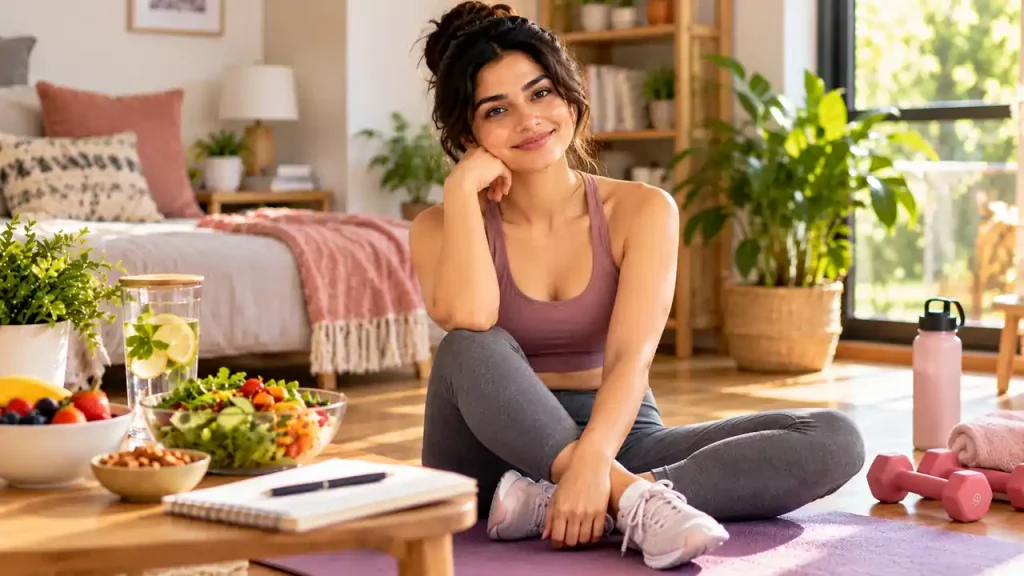
Food, rest, and movement help you meet everyday needs. Their value does not depend on making you look prettier. A flexible healthy eating plan can help you arrange satisfying meals. Avoid using food rules to punish yourself for a photograph, clothing size, or comment. Choose movement that fits your interests and capacity, such as walking, dancing, stretching, or adapted exercise. Sustainable health and fitness habits for women also include rest. Illness, disability, and changing energy levels do not reduce your right to kindness or enjoyable self-expression.
6. Notice What Your Feed Does to Your Mood

Part of learning how to feel beautiful is noticing which online experiences leave you more self-critical. Observe how you feel before and after scrolling. Mute accounts that repeatedly trigger comparison and make room for other interests. A randomized trial involving 220 young people found improved appearance and weight esteem when heavy users with emotional distress reduced smartphone social media use. Participants were 17–25, so the findings do not establish one ideal time limit for everyone. Try keeping appearance-focused feeds out of your morning routine and assess whether it helps. You can preserve online connections you value while changing what you consume.
7. Let an Ordinary Photo Be an Ordinary Photo

A photograph records one angle, expression, and moment. You can dislike the image without treating it as a complete assessment of your appearance. Before an occasion, decide what you want to remember: the conversation, celebration, or company. Enjoy photos if you want them; if repeated retakes leave you distressed, return attention to the activity. Notice if you keep asking people whether you look good enough. If checking or seeking reassurance becomes difficult to control, consider professional support.
8. Prepare a Boundary for Body Comments

You may not be able to prevent an unsolicited remark, but you can prepare your response. Assertive communication can help you state a preference clearly. Try: “I would rather not discuss my weight,” or “Please don’t comment on my skin.” You can change the subject, leave the conversation, or ask someone supportive to help redirect it. Choose your response according to the situation and your safety. You do not owe a detailed explanation of your body, health, or choices. Another person’s judgment is not a standard you must meet.
9. Spend Time Where You Can Be Yourself

Notice who makes room for your thoughts, humour, and interests. A healthy friendship allows connection without constant appearance comparison or pressure to change yourself. Invite someone to share a walk, game, meal, or creative project. Ask about their life and let them into yours. Vary your compliments, too. Appreciate someone’s insight, effort, taste, or company alongside their style. This makes room for more of the person you enjoy.
10. Keep a Life Beyond Appearance

Choose something that matters to you beyond how you look: learning a language, tending plants, reading, creating, or solving a problem. Give it a place in your week. You may feel absorbed, capable, curious, or connected during that activity. Those experiences give you more ways to describe yourself than attractive or unattractive. Kindness can reflect your values without becoming compensation for your appearance. Keep boundaries and time for yourself. You do not have to be constantly helpful or agreeable to deserve connection.
A Simple Reset for a Difficult Day
Choose one action from each line:
- Comfort: change an uncomfortable outfit, eat something, or take a break.
- Expression: choose a colour, accessory, hairstyle, or bare-faced look you enjoy.
- Connection: message a trusted person or return to an activity you value.
Later, ask, “Was my day easier to participate in?” That question leaves room for progress even if your opinion of your appearance has not changed.
When Appearance Worries Need More Support
Speak with a qualified healthcare or mental-health professional if appearance worries repeatedly interfere with work, relationships, eating, or everyday activities. Frequent checking, extensive concealment, or avoiding mirrors and social situations can also warrant assessment.
Body dysmorphic disorder involves distressing preoccupation with perceived appearance flaws. A difficult day does not establish that diagnosis, and this article is not a screening test. You can seek help without deciding what condition you have. Support should address your distress, not simply tell you to be more confident.
Frequently Asked Questions
1. Can I Learn How to Feel Beautiful Without Makeup?
Yes. Focus on comfort, preferred grooming, self-expression, and kinder self-talk. Makeup is optional, and enjoying it does not make your confidence less valid.
2. Do I Have to Love Every Part of My Body?
No. A neutral starting point is enough: “I can care for my body while having mixed feelings about it.” Respect does not require constant admiration.
3. What If My Body or Appearance Has Changed?
You can revisit clothes, grooming, and expectations as your needs change. Aging, pregnancy, scars, or changes related to illness may bring mixed feelings. Give yourself room to adjust and seek support if distress persists. You do not need to recreate an earlier version of yourself before enjoying the present.
Final Thoughts
Learning how to feel beautiful can begin with one kinder sentence, one comfortable outfit, or one decision to participate despite self-doubt. Make room for styles you enjoy and feelings that change. You can care for your appearance while having a life that is larger than it. Start with the change that makes today more comfortable and more your own.



Leave a Reply