

Life skill activities help children practice everyday tasks, make decisions, communicate their needs, and contribute to family life. They do not need to involve wilderness survival or a packed schedule of extracurricular classes. Putting away laundry, planning a snack, or asking for help can provide useful opportunities to learn.
The aim is growing confidence and capability with appropriate support, not making children independent before they are ready. Choose one manageable task, demonstrate it, and allow time for practice. Adjust expectations to your child’s abilities, interests, and circumstances rather than comparing them with siblings or classmates.
What Are Life Skill Activities?
These are practical experiences that let children rehearse skills used in everyday life. They include self-care, planning, problem-solving, communication, emotional regulation, money awareness, and personal safety. Some skills involve visible tasks, such as organizing a bag. Others involve thinking: remembering instructions, changing a plan, or resisting an impulsive response. Harvard’s Center on the Developing Child offers an age-based activity guide for practicing executive-function and self-regulation skills through games and everyday experiences. Traits such as confidence or persistence are not tasks a parent can simply assign. Give children opportunities to attempt something, receive help, recover from mistakes, and notice their progress.
Choose Life Skill Activities by Readiness
Age can suggest a starting point, but it is not a pass-or-fail standard. These examples are options to adapt, not developmental milestones.
| Approximate age | Possible starting activities | Adult’s role |
| 3–5 years | Sort toys, choose between two outfits, practice taking turns | Demonstrate and participate |
| 6–9 years | Pack a bag with a checklist, help prepare food, practice a small purchase | Supervise and give prompts |
| 10–12 years | Plan a simple project, compare prices, manage a shared task | Agree on steps and check progress |
| 13–17 years | Plan meals, review a budget, organize deadlines, discuss digital privacy | Offer guidance and gradually share responsibility |
Children with disabilities, learning differences, or sensory needs may benefit from visual prompts, assistive tools, shorter steps, or additional practice. Supported participation is valuable; independence is not the only measure of progress.
10 Life Skill Activities to Practice Together
Start with an activity that fits your routine and your child’s current abilities. Repeat it before adding more responsibility, and keep supervision appropriate to the task.
1. Give One Household Task a Clear Finish
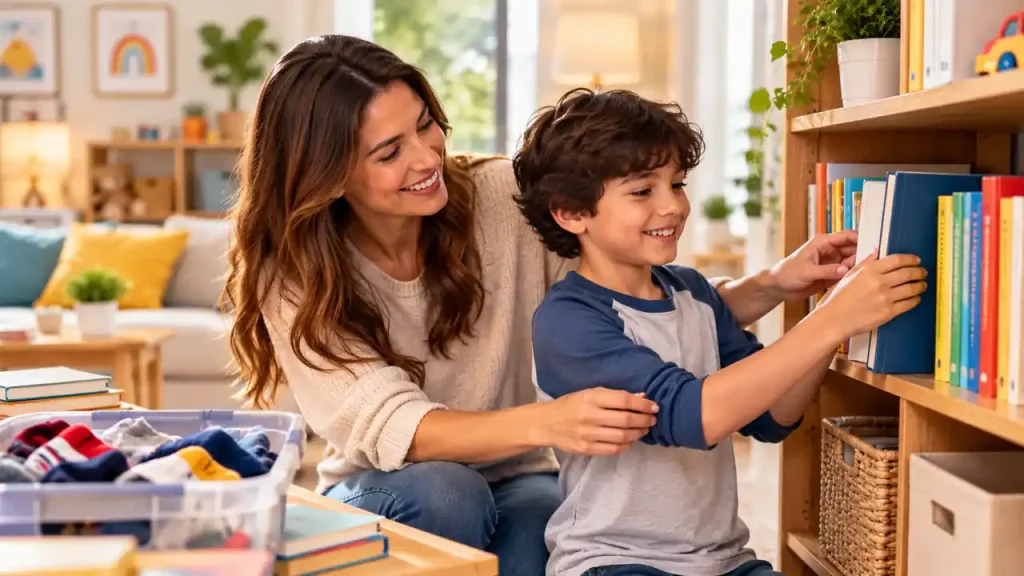
Choose something concrete: put books on a shelf, sort clean socks, or clear unbreakable items from the table. Explain what “finished” looks like instead of saying, “Be more responsible.” The American Academy of Pediatrics’ guidance on age-appropriate chores recommends clear expectations, encouragement, and introducing tasks gradually.
Try this: Do the task together, let your child complete one part, and gradually reduce prompts. Praise the specific effort: “You checked where each book belonged.” A photograph of the finished shelf can provide a helpful reminder without requiring the child to remember every instruction at once.
2. Prepare a Simple Snack or Meal

Food preparation offers practice with sequencing, measuring, cleanup, and asking for assistance. Younger children might wash, produce, or assemble a snack; older children can help plan and prepare a simple meal. Match supervision to the equipment and the child’s abilities. Adults should manage hazards such as hot surfaces and sharp tools until appropriate skills and safe supervision are established.
Try this: ask, “What ingredients do we need, what comes first, and what will we clean afterward?” Let the child help choose from suitable options.
3. Plan a Small Purchase

Use pretend money, a shopping list, or a small amount your family can comfortably allocate. Compare two items and discuss what the money can cover. A useful introduction to saving money with children includes choosing a goal and separating immediate spending from saving. Avoid making a child responsible for household financial worries.
Try this: Give a fictional budget for a picnic. Ask your child to choose items, explain a trade-off, and check the total. Older children can compare unit prices with help.
4. Practice Naming Feelings and Asking for Support

Emotional regulation does not mean staying cheerful or suppressing anger. Begin by identifying a feeling and choosing an appropriate response. During a calm moment, rehearse phrases such as “I am frustrated”, “I need a break”, or “Can you help me start?” Adults can model this without making children responsible for adult emotions.
Try this: After a disappointment, acknowledge the feeling before discussing solutions. Replace “Be positive” with “That was upsetting. Would you like company, help, or a little space?”
5. Break a Small Problem Into Steps
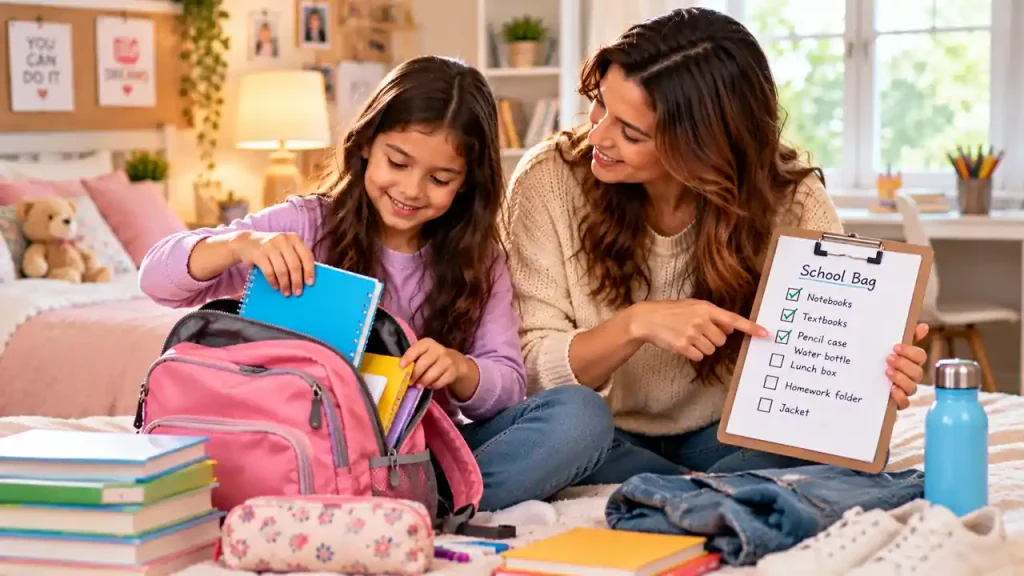
Choose an ordinary challenge: a missing pencil, an unfinished project, or a rushed morning. Help the child define the problem, consider options, and select one next step. A checklist or simple timer can support planning, but avoid turning every minute into a productivity test. Include play, rest, and realistic transition time.
Try this: Plan tomorrow’s school bag together. Ask what is needed, gather the items, and check the list. Later, discuss which step helped rather than focusing only on mistakes.
6. Rehearse Everyday Communication
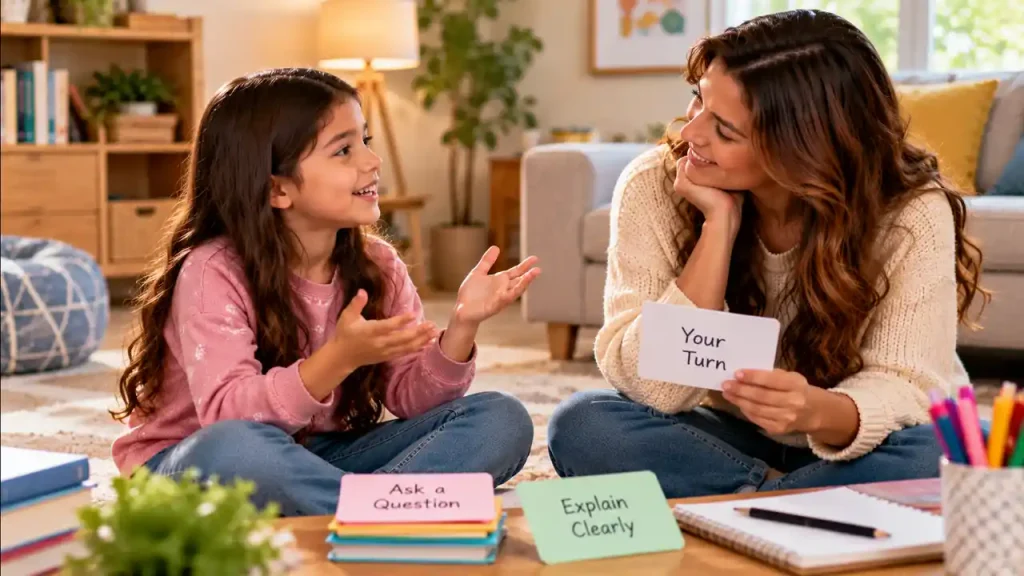
Public speaking can begin with telling a short story to a trusted person, explaining game rules, or politely asking a librarian a question. A stage or competition is optional. Offer different ways to communicate, including writing, gestures, or communication devices where appropriate. Do not force a reluctant child into a public performance as a test of confidence.
Try this: Role-play asking for clarification: “I understood the first step, but could you explain the next one?” Swap roles so your child also practices listening.
7. Cooperate Through Games or Shared Projects
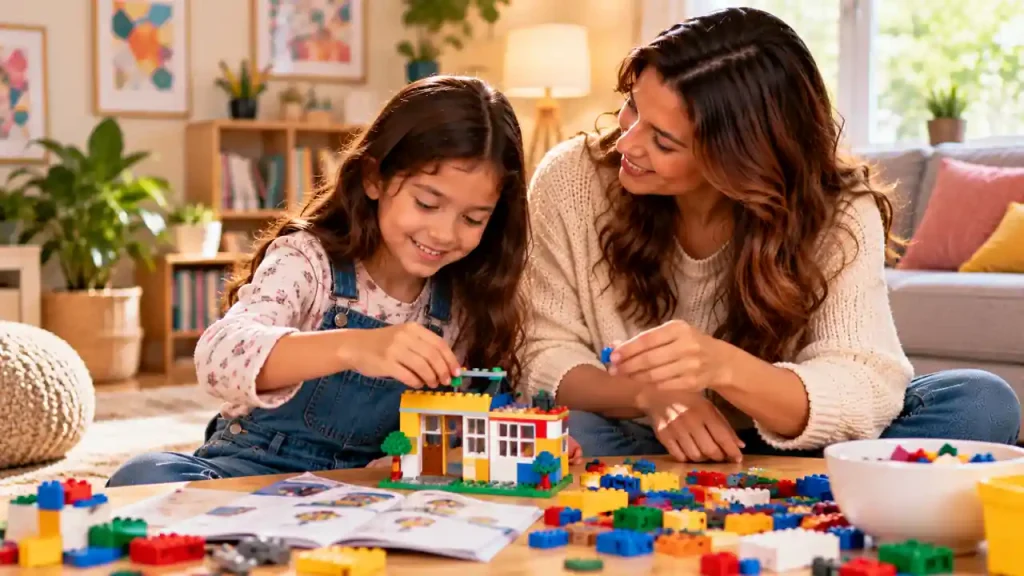
Team sports can provide opportunities for cooperation, but they are not the only route. A puzzle, shared drawing, gardening task, or cooperative game can involve turn-taking and negotiation. During a family get-together, choose an activity where participants can contribute in different ways. Winning should not determine who receives encouragement.
Try this: Build something together and agree on roles. If disagreement arises, pause and ask, “How can both ideas be considered?” Model respectful disagreement rather than taking over immediately.
8. Explore a Hobby Without Turning It Into a Career
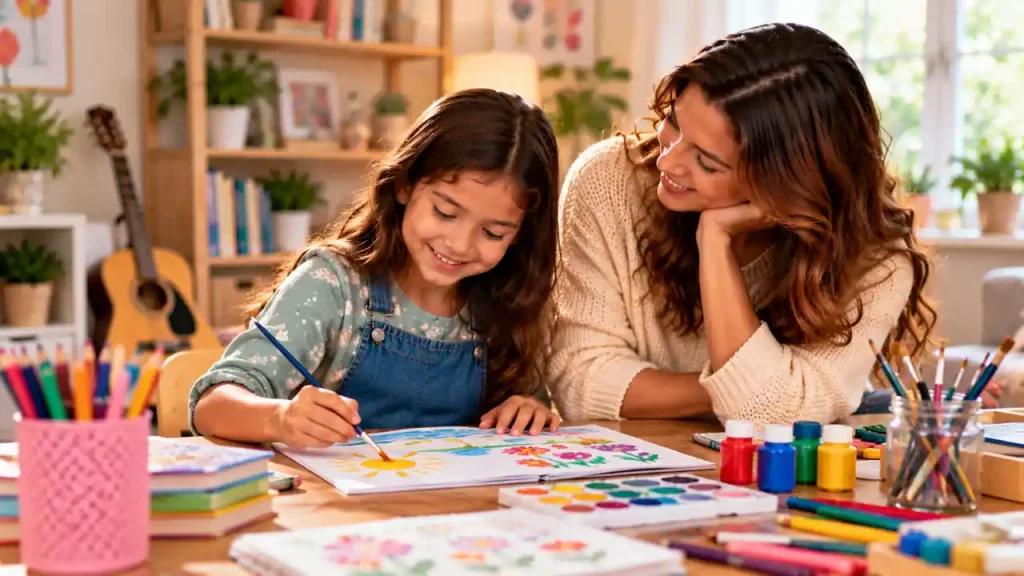
Drawing, music, reading, crafts, or collecting can offer practice with curiosity, choosing materials, and completing a self-chosen project. When discovering your child’s interests and talents, allow exploration and changing preferences. Children do not have to monetize an interest or become exceptional at it.
Try this: Set a small goal, such as learning part of a song or finishing a drawing. Ask what they enjoyed and what they might try differently, without requiring a public audience.
9. Practice Digital Privacy and Judgment

A hobby does not require a public blog or video channel. Begin with offline projects or sharing within a carefully chosen family audience. UNICEF’s online privacy checklist recommends discussing personal information, reviewing privacy settings, and guiding children’s online activity.
Try this: Review a fictional post together. Ask whether it reveals a school, address, location, or someone else’s photograph. Practice pausing before sharing and telling a trusted adult about upsetting contact. Check platform rules before creating accounts.
10. Rehearse Help-Seeking and Everyday Safety
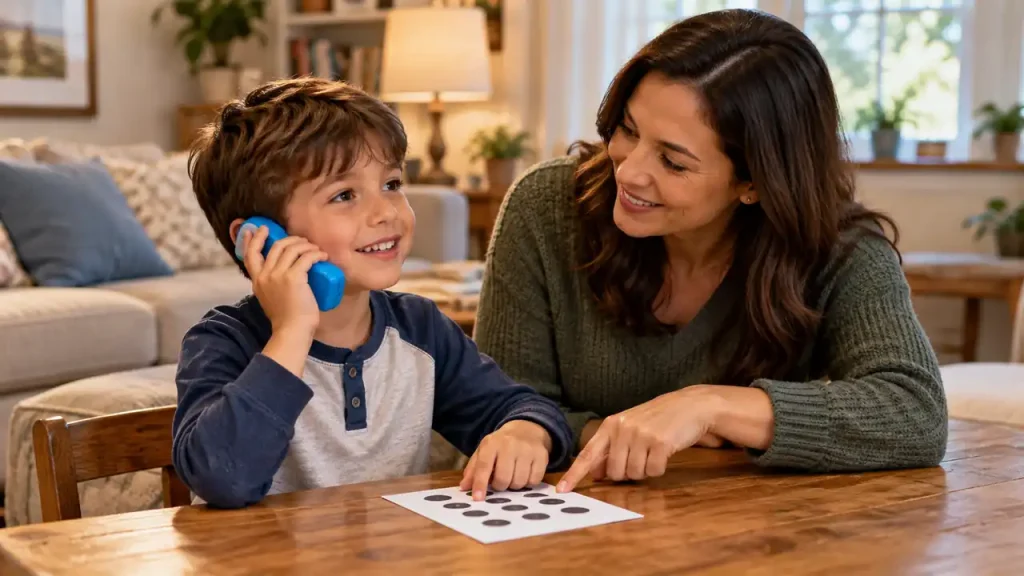
Practice identifying trusted adults, explaining a problem clearly, and knowing how to reach a caregiver. Teach children that asking for help is a skill, not a failure. Discuss what to do if separated in a public place or worried about someone’s behavior. Do not place the whole responsibility for safety on the child.
Try this: Role-play a call using a toy phone or a paper keypad. Never make a real emergency call for practice. Decisions about leaving a child home alone require a separate assessment of readiness, circumstances, and local requirements.
Build Practice Into an Ordinary Week
Choose two life skill activities rather than introducing all ten. For example, practice packing a bag on school evenings and preparing a snack together at the weekend.
Use a simple teaching sequence:
- Show: Demonstrate one manageable step.
- Try together: Let the child participate with support.
- Step back: Reduce help only when appropriate.
- Review: Ask what worked and what needs changing.
With teenagers, agree on responsibilities collaboratively. Respectful positive parenting leaves room for questions and negotiation while keeping necessary limits clear.
Notice Progress Without Demanding Perfection
Look for small changes: fewer reminders, clearer requests for help, or willingness to try again. Avoid comparing children or describing difficulties as laziness. When a task repeatedly fails, consider whether the instructions, tools, timing, or expectations need adjusting. Everyday discussions about moral values become more meaningful when adults model fairness, honesty, and responsibility themselves. If difficulties with everyday tasks persist or substantially affect participation, discuss them with the child’s teacher or an appropriate health professional. More practice is not always the only support needed.
Final Thoughts
Life skill activities work best when they are practical, repeated, and adapted to the child. Start with one useful task, offer patient guidance, and make space for mistakes. Whether your child is learning to organize belongings, manage money, communicate needs, or seek help, the goal is growing capability with support—not perfection, constant achievement, or independence at any cost.



Leave a Reply