

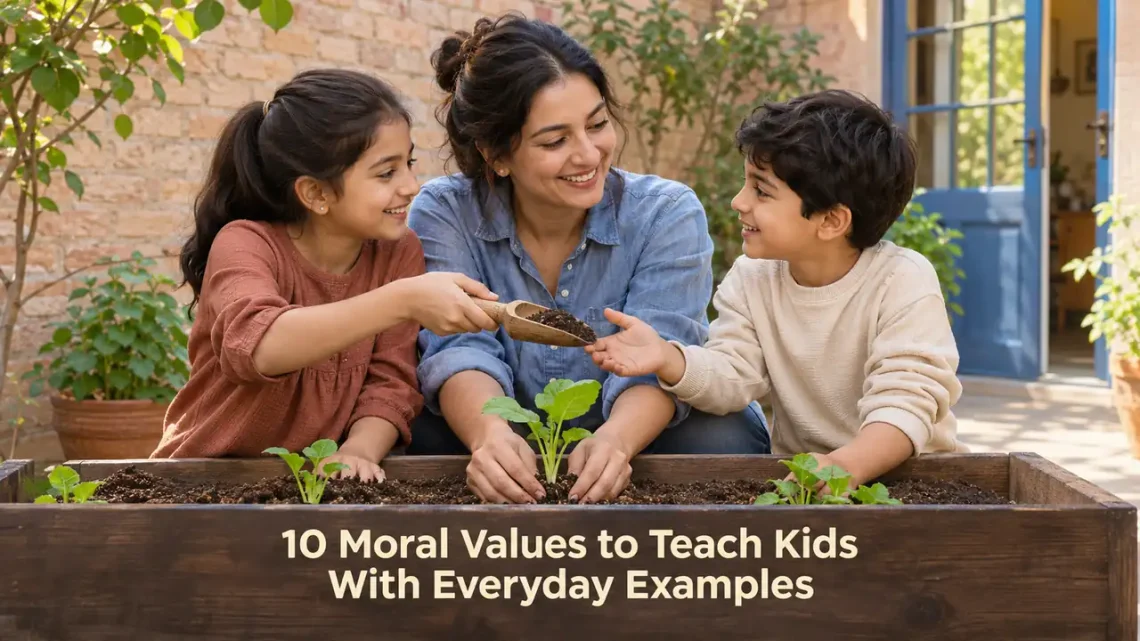
Teaching moral values often begins with ordinary moments: returning something borrowed, admitting a mistake, or noticing that someone has been left out. Children need more than a list of admirable qualities. They need examples, explanations, and chances to practice with adults who will guide them when things go wrong. You can start small, using situations your child already understands rather than waiting for a serious problem or a formal lesson.
The aim is to help children consider how their choices affect themselves and others. Perfect manners, instant obedience, and constant cheerfulness are not the measure of a good child.
What Do These Values Mean?
Moral values are beliefs about how people should treat one another and respond to questions of right and wrong. Honesty, fairness, compassion, and responsibility are familiar examples. Qualities such as perseverance and self-control can support putting those beliefs into practice, but difficulty with a skill does not determine a child’s worth.
Families may explore these ideas through religious teachings, cultural traditions, stories, or secular ethics. Whatever your starting point, connect the lesson to a concrete action: telling the truth, respecting a boundary, or helping repair harm.
10 Moral Values to Practice With Your Kids
Each value below includes a situation you can discuss or try together. Adapt the language to your child’s understanding, communication style, and needs. Repeated opportunities matter more than getting every response right immediately.
Stories offer a useful opening. Pause over a character’s decision and ask, “Who was affected?” or “What else could they have done?” Listen to the answer before offering yours; the conversation need not become a quiz.
1. Respect and Inclusion
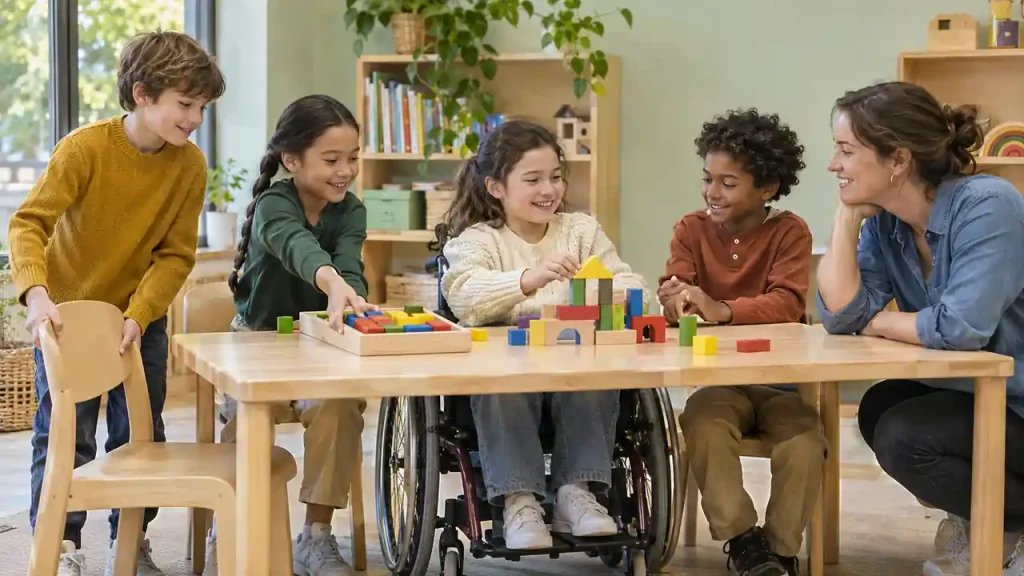
Respect means treating people’s dignity, feelings, and boundaries as important, including when you disagree. Children can practice it by using someone’s name correctly, making room in a game, or avoiding jokes about appearance or disability.
When explaining why respect matters, use something your child has noticed: “She communicates differently, but we can still ask whether she wants to join.” Model the same consideration toward your child and the people who help your family. Respect does not require accepting mistreatment.
2. Fairness and Justice
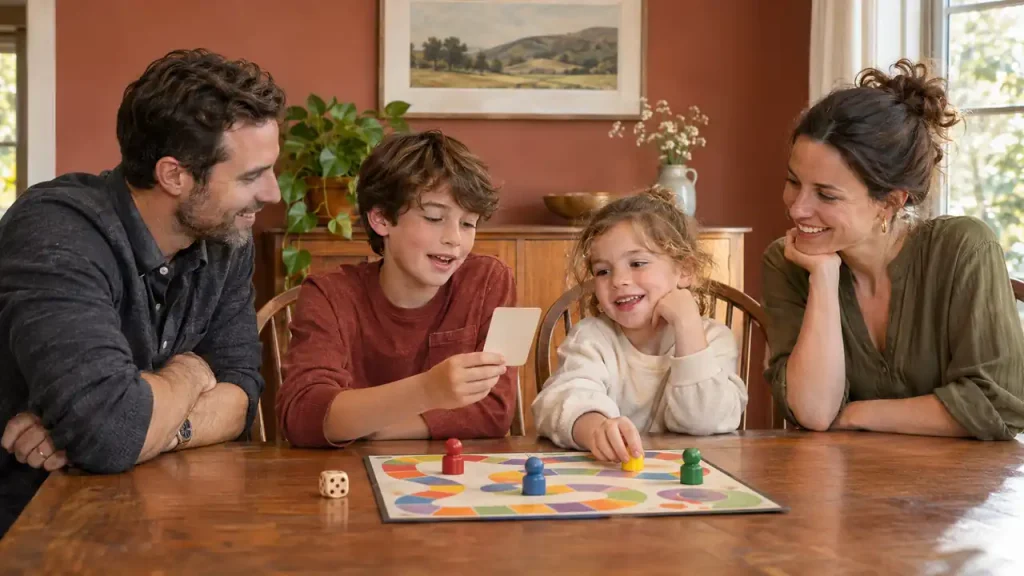
Fairness sometimes means taking equal turns; sometimes it means giving someone different support so they can participate. Explain the reason instead of assuming children will understand a difference in treatment.
A game during a family get-together offers a simple example: a younger player might need help reading a card. Ask, “What would help everyone take part?” If someone is excluded or bullied, help your child seek a trusted adult rather than expecting them to handle an unsafe situation alone.
3. Gratitude

Gratitude involves noticing another person’s effort or appreciating something meaningful. It can sound like, “Thank you for helping me find my book,” rather than a rehearsed performance.
To raise grateful children, make appreciation specific in your own conversations. At dinner, mention something someone did that helped you. Invite your child to contribute without demanding an answer. They can appreciate a gift and still feel disappointed about something else; gratitude should not be used to silence feelings or compare them with children who have less.
4. Responsibility

Responsibility means taking care of an appropriate task and acknowledging your part when something goes wrong. Teaching moral values through small jobs makes the idea easier to understand: putting materials away or returning a library book with reminders.
Choose manageable life skill activities that match your child’s abilities, and demonstrate unfamiliar steps. If they spill water, offer a cloth and help them clean up. The lesson is participation and repair, not blame. Children should not carry responsibility for managing adults’ emotions or problems.
5. Honesty and Integrity

Honesty means giving a truthful account; integrity includes acting consistently with what you believe is right, even without an audience. Return the extra change yourself, and explain why you are doing it.
If your child admits breaking something, try, “Thank you for telling me. Let’s work out what happened and what needs fixing.” Telling the truth does not remove every consequence, but it avoids humiliation.
Also distinguish truthfulness from cruelty: “I don’t want to play that game” is clearer and kinder than insulting someone’s idea. Honesty also leaves room for privacy. A child need not answer intrusive personal questions to prove they are truthful.
6. Perseverance With Flexibility
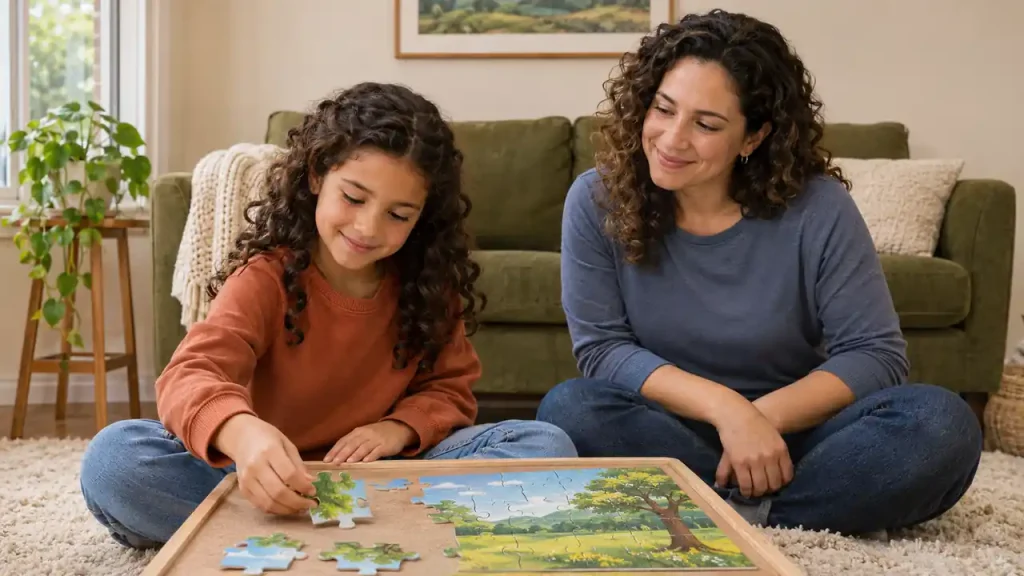
Perseverance means making a reasonable effort, trying another approach, and asking for help. It does not mean persisting indefinitely, ignoring pain, or believing effort guarantees success.
While nurturing your child’s interests, notice the process: “You tried a different way when that piece wouldn’t fit.” Help them decide whether to continue, rest, or change the goal. A difficult task may need smaller steps or different support. Struggling is not evidence of laziness, and changing direction is not automatically giving up.
7. Humility and Willingness to Learn
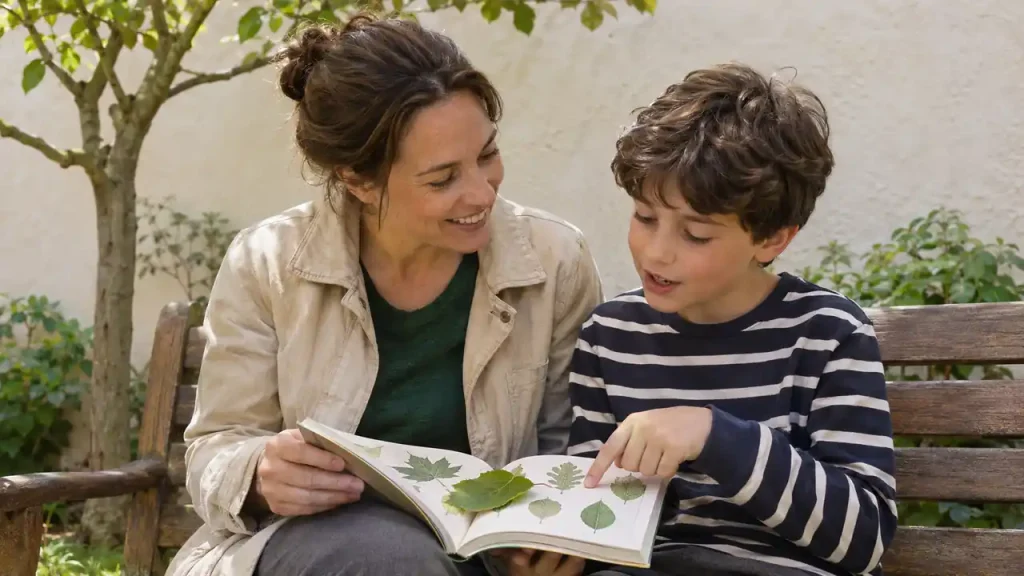
Humility leaves room for being mistaken, needing help, and recognizing another person’s knowledge. It does not require putting yourself down or pretending your achievements do not matter.
When a child insists they know an answer, it invites curiosity: “How could we find out?” Show the habit yourself by saying, “I got that wrong; thanks for correcting me.” Stories can prompt useful questions about a character’s assumptions. Let children ask respectful questions about family rules too, while explaining that safety limits still apply.
8. Kindness and Generosity

Kindness involves considering what another person needs; generosity means offering time, attention, or resources when you can. Ask before helping, because the recipient may want something different from what you imagine.
Practice being a good listener when someone describes a difficult day. Your child might draw a card, help carry something, or invite a classmate into an activity. Offer choices about giving possessions rather than demanding they surrender a treasured toy. Receiving help graciously can be part of the lesson too.
9. Self-Control and Thoughtful Choices

Recognizing a feeling and choosing what to do next are related skills. A child can be angry without being allowed to hit, and disappointed without being required to look happy.
UNICEF’s guidance on communicating with children recommends helping them name feelings and addressing behavior without attacking their identity. Try, “You wanted another turn. I won’t let you push. Let’s step back together.” Practice alternatives during calmer moments. Some children need extra time, visual reminders, or other support to use these skills.
10. Courage and Respect for Boundaries

Courage can mean admitting uncertainty, declining unwanted contact, or telling an adult about something troubling. It does not require confronting someone who feels dangerous.
The American Academy of Pediatrics body-autonomy guidance supports teaching children that they can decline unwanted hugs, including from adults. Offer a wave as an alternative. Practice assertive communication with a simple phrase such as, “Please stop; I don’t like that.” Teach them to respect someone else’s refusal too, and make clear they can come to you for help.
Teaching Moral Values at Different Stages
The same principle can be practiced in different ways. Treat these examples as starting points, not developmental deadlines or tests of character.
| Starting point | A practical example |
| A younger child learning to take turns | Stay nearby and help them exchange a shared toy. |
| A school-age child navigating a mistake | Discuss who was affected and plan one useful repair. |
| An older child or teenager facing peer pressure | Talk through options for responding to an unfair group message. |
Understanding a lesson does not mean a child can use it consistently while tired, overwhelmed, or upset. Adjust the task and support before concluding they are deliberately refusing to care.
What Helps These Lessons Stick?
Start with one behavior you want to teach this week. Explain what it looks like, demonstrate it, and create an ordinary opportunity to practice. The American Academy of Pediatrics recommends positive discipline strategies, including modeling behavior, setting understandable limits, listening, and giving specific feedback.
Notice the action: “You waited while he finished explaining.” Avoid making affection dependent on performance or labeling your child as bad after a mistake.
Talk with other caregivers about a few shared expectations. Looking at your family’s patterns of communication can help you identify where adults give conflicting messages. Children should see adults apologize and follow through as well.
When Your Child Makes a Mistake
First, stop any unsafe behavior and check whether someone needs help. Once things are calmer, describe what happened without assigning a permanent label: “The drawing was torn, and your sister is upset.”
Then ask what could help repair the situation. That might mean replacing materials, helping rebuild something, or offering an apology when your child is ready to mean it. Do not demand immediate forgiveness from the person affected.
Revisit the skill later: what could your child do differently next time? If you shouted or acted unfairly, take responsibility for that too. Repair is something adults can demonstrate, not merely require.
Final Thoughts
Teaching moral values is an ongoing part of family life, built through small choices, honest conversations, and opportunities to try again. Begin with one value your child can practice today. Show what it looks like, explain why it matters, and help them repair mistakes without shame. You are guiding a developing person toward consideration and responsibility, while making room for questions, differences, and support along the way.



Leave a Reply