


The best family reunion ideas help relatives feel welcome without turning the day into an expensive production. Some families want a relaxed picnic; others would enjoy a recipe exchange, a photo display, or a weekend gathering. Whatever the size, a successful reunion starts with a realistic budget, a comfortable venue, and activities people can join voluntarily. These ten ideas include planning details and alternatives for children, teenagers, older relatives, and guests who simply prefer to talk.
How Do You Plan a Family Reunion?
Start by asking who can attend, which dates work, how far people must travel, and what everyone can comfortably spend. Confirm dietary requirements, step-free access, accessible restrooms, and a quiet place to rest. Choose a coordinator, but divide tasks among several willing relatives. A reunion can encourage connection; it cannot automatically repair old conflicts. Make invitations welcoming without pressuring anyone to attend.
10 Family Reunion Ideas That Are Actually Easy to Organize
Rather than planning ten activities for one afternoon, choose two or three that suit your guests. Leave generous time for food and conversation. Use the suggestions below as options, not a compulsory program.
1. Organize a Picnic With Flexible Seating
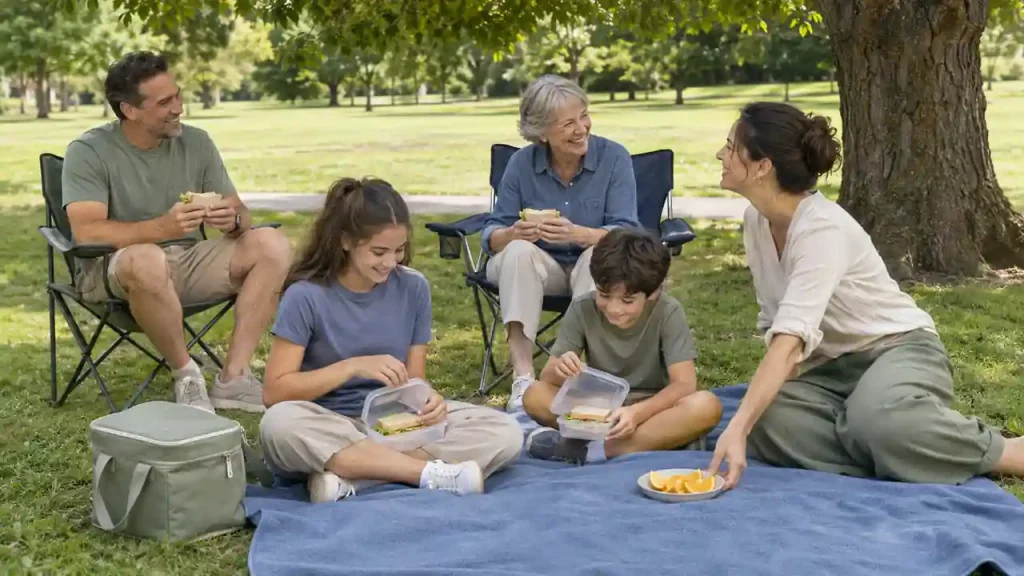
A picnic keeps the atmosphere relaxed and can work on a modest budget. Choose a park with shade, toilets, drinking water, suitable paths, and nearby parking or transport. Check whether you need to reserve a shelter. Bring chairs instead of assuming everyone can sit on grass.
Divide contributions beforehand: one household might bring fruit, another sandwiches, and someone else reusable plates. Keep perishable food cold and hot dishes properly heated. The food-safety guidance for outdoor meals says perishables should not remain unrefrigerated beyond two hours, or one hour above 90°F (32°C).
2. Hold a Lantern and Storytelling Evening
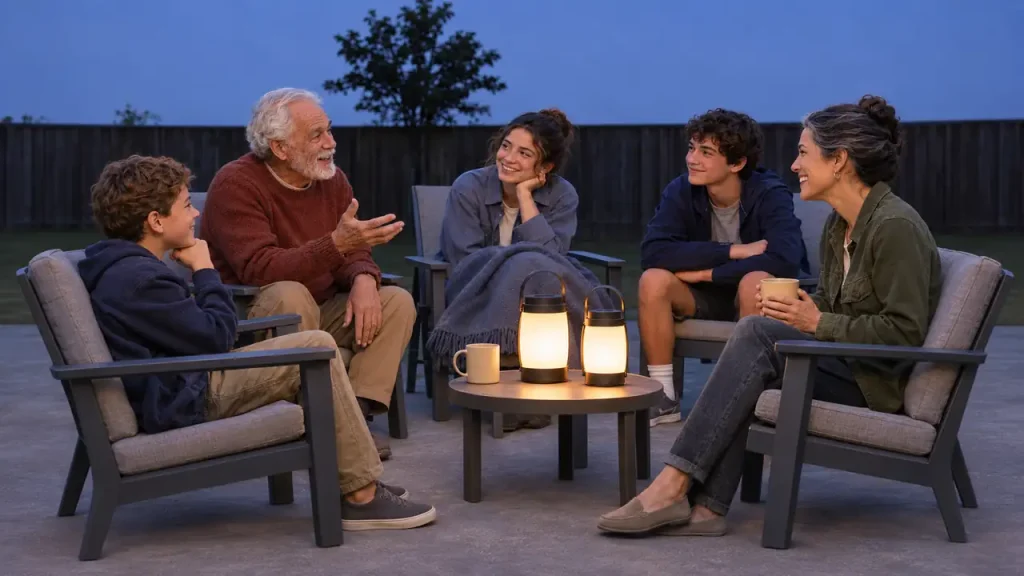
An evening gathering can be memorable without an open fire. Arrange chairs in a circle, bring battery-powered lanterns, and invite relatives to tell a favorite story about a childhood celebration or a family tradition. Provide warm drinks, sufficient lighting, and blankets if needed.
If your venue permits a bonfire, check local restrictions and assign a responsible adult to supervise it. Follow campfire safety precautions, including extinguishing the fire completely. Avoid a fire altogether in windy, dry, or unsuitable conditions. Stargazing and lanterns work just as well.
3. Pick a Theme That Doesn’t Require Shopping
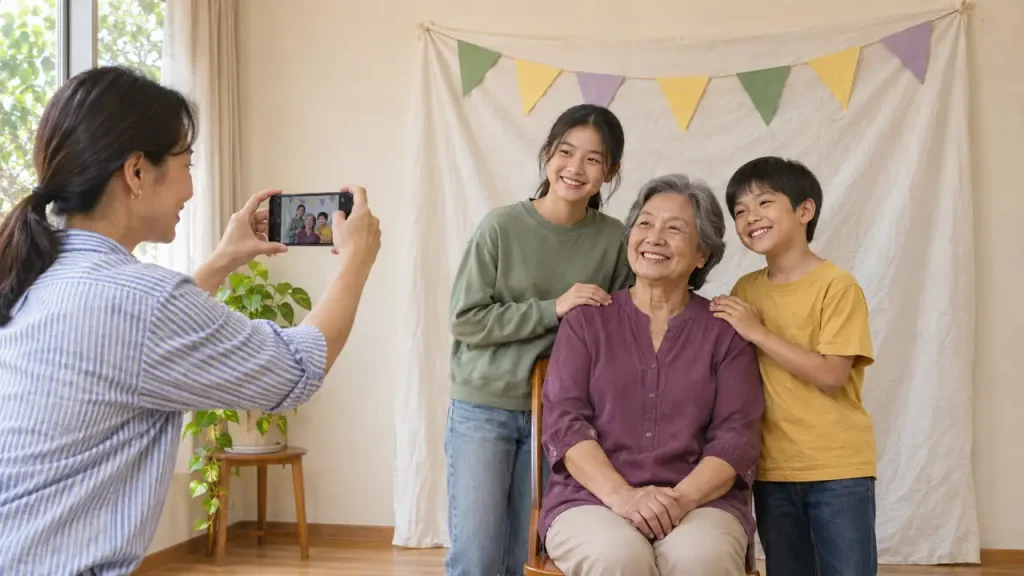
Try a favorite-decade gathering, a garden-color theme, or an evening celebrating family recipes. Ask everyone to wear something comfortable they already own. Make dressing up optional, especially for guests who dislike costumes or cannot afford additional clothing.
A simple photo corner, recycled decorations, and a playlist of songs suggested by different generations are enough. If your family wants coordinated portraits, seasonal family photo outfit ideas can help without requiring identical clothes.
4. Create a Family Recipe Exchange
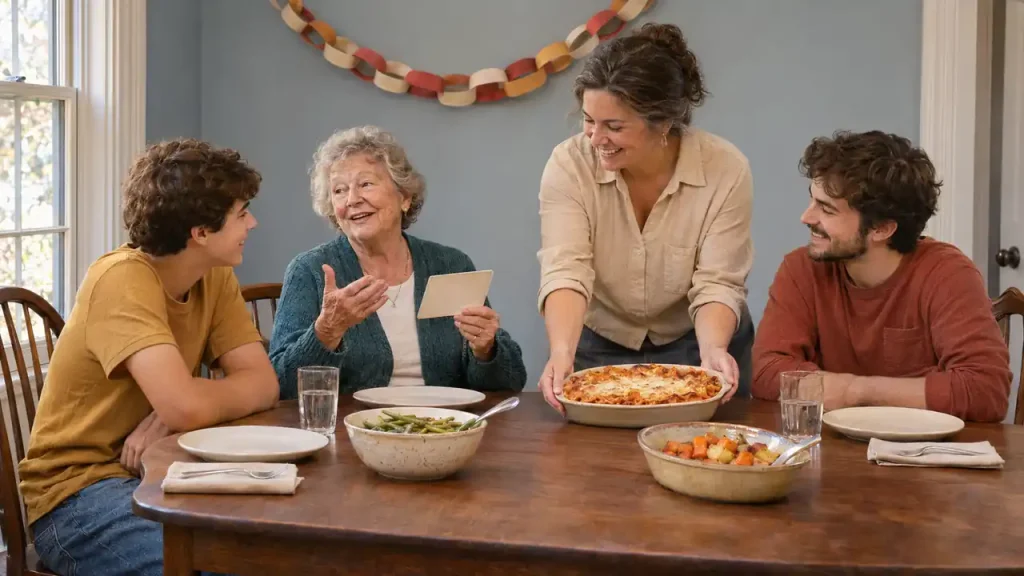
Ask relatives to bring one familiar dish or write down a recipe with a short memory attached. A grandparent might explain a traditional spice mixture; a younger cousin might share a quick lunch everyone can make. Print recipe cards or collect them in a shared document afterward.
Label common allergens, provide vegetarian alternatives when needed, and keep raw and cooked foods separate. Divide preparation, serving, and cleaning duties fairly; a family cooking event should not leave one person stuck in the kitchen. For a smaller version, try the food activities in family get-together games and ideas.
5. Play Friendly Trivia Instead of Embarrassing Dares
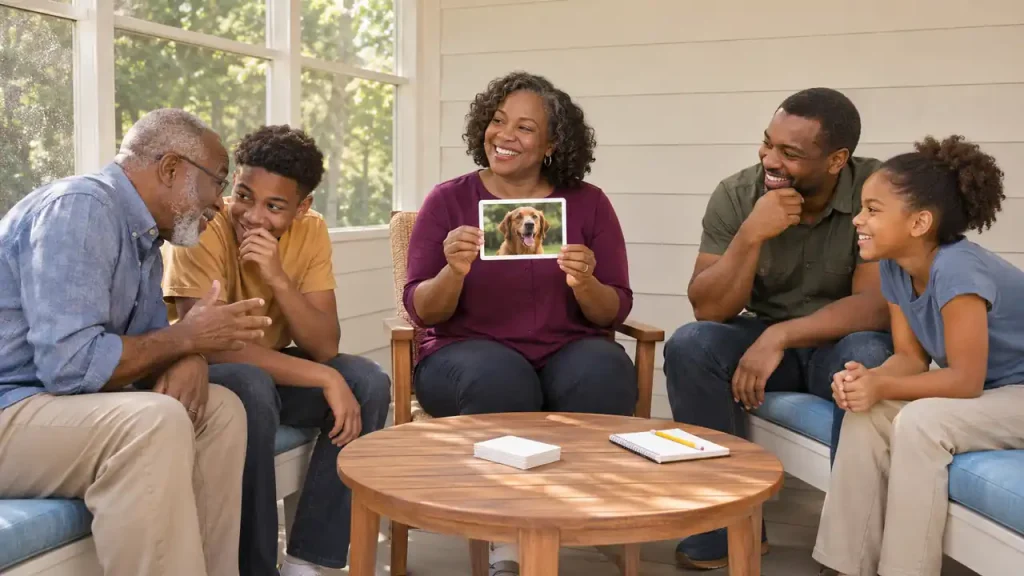
Prepare questions about favorite songs, memorable holidays, family pets, or local traditions. Mix generations on teams so nobody needs to know every relative’s childhood to participate. Let people skip personal questions without explanation.
Include seated activities such as picture guessing, a word game, or drawing prompts. Avoid truth-or-dare challenges that expose secrets or pressure someone into a performance. A good icebreaker gives people something easy to discuss, not another reason to feel uncomfortable.
6. Design an Accessible Scavenger Hunt
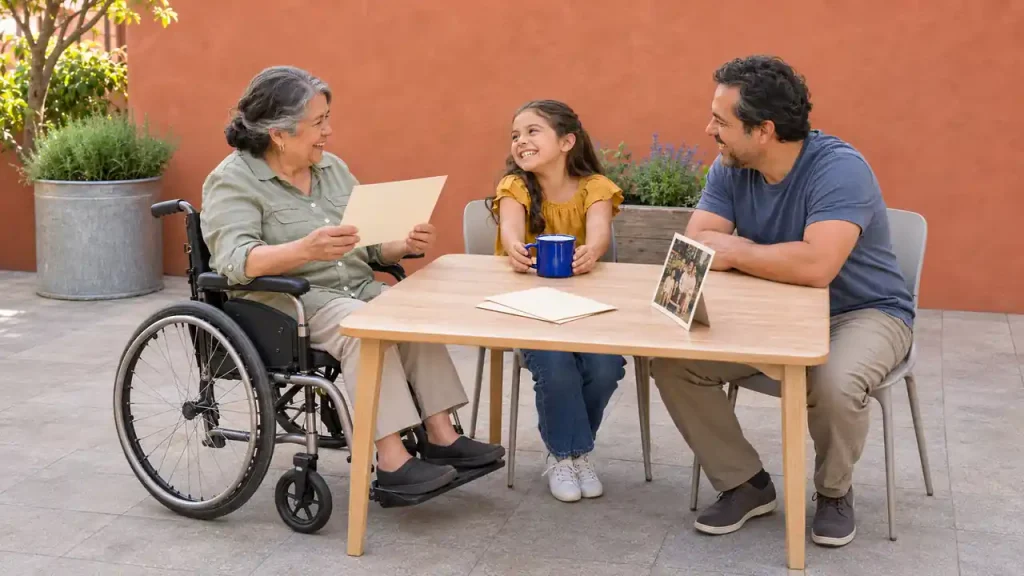
A scavenger hunt can involve the whole group if the clues do not require speed, climbing, or long walks. Ask teams to find a blue object, identify an old photograph, or locate a card containing a family recipe. Keep clues away from private rooms and unsafe outdoor spaces.
Offer large-print clues and a seated puzzle table. Children can partner with willing adults without making teenagers responsible for childcare. Activities that encourage cooperation connect naturally with practical life skills for children.
7. Make the Talent Show Completely Optional
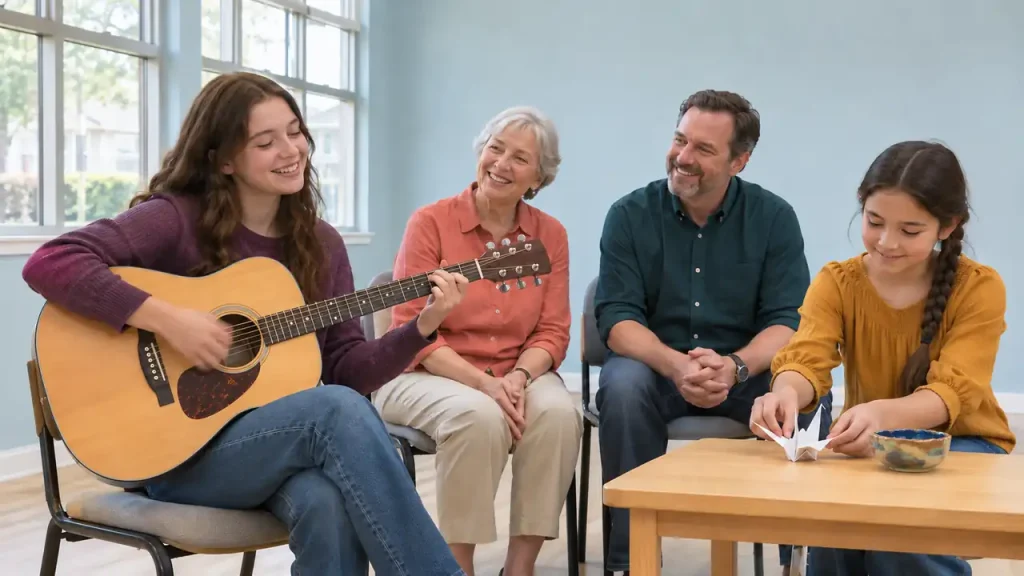
Invite short performances: a song, a joke, a magic trick, a drawing demonstration, or a two-minute story. Someone who prefers not to perform can introduce acts, choose music, or display handmade crafts instead.
Keep the schedule short and celebrate participation rather than choosing winners. Never make jokes about bodies, accents, grades, or income. If the room is shy, turn the talent show into a casual display table that guests can visit between conversations.
8. Build a Family Memory Wall
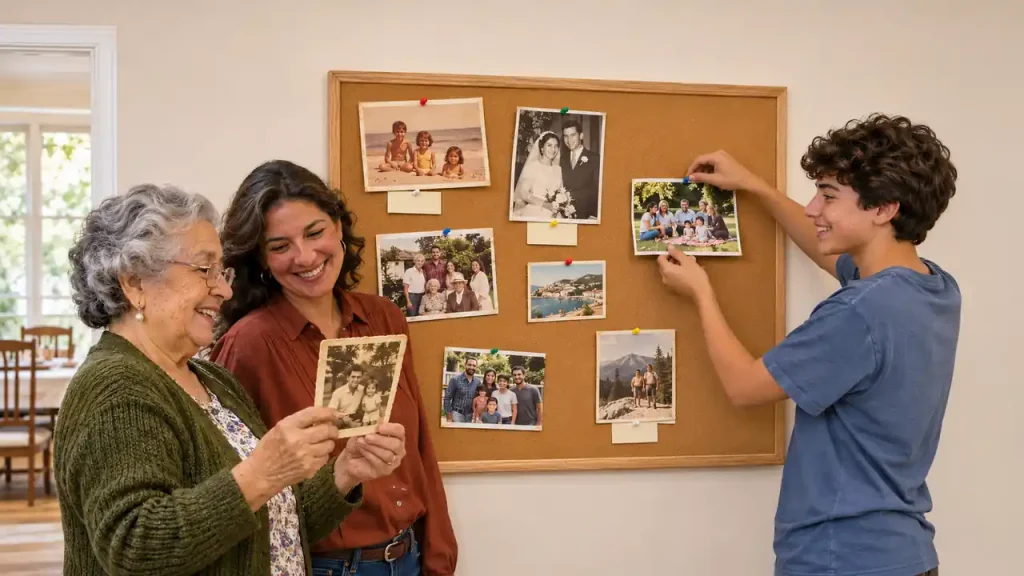
Bring copies of photographs, postcards, recipes, and handwritten memories. Put names and approximate dates next to each item, leaving space for guests to add their own notes. Include new relatives and blended-family stories rather than representing only one branch.
Ask permission before displaying private photos or sensitive information. A memory wall can open conversations about the true meaning of family, including relationships built through care rather than a shared surname.
9. Record Short Interviews for a Private Keepsake

Create a simple documentary by asking willing guests three questions:
- What tradition do you remember most?
- Which meal reminds you of home?
- What advice would you offer younger relatives?
Short answers are easier to record and edit than an entire day’s footage.
Tell everyone where videos will be stored and who may view them. Get consent before recording or sharing, particularly when children are involved. Anyone can decline without needing to explain. A private five-minute compilation is often more useful than a public video nobody approved.
10. End With a Thoughtful Group Surprise
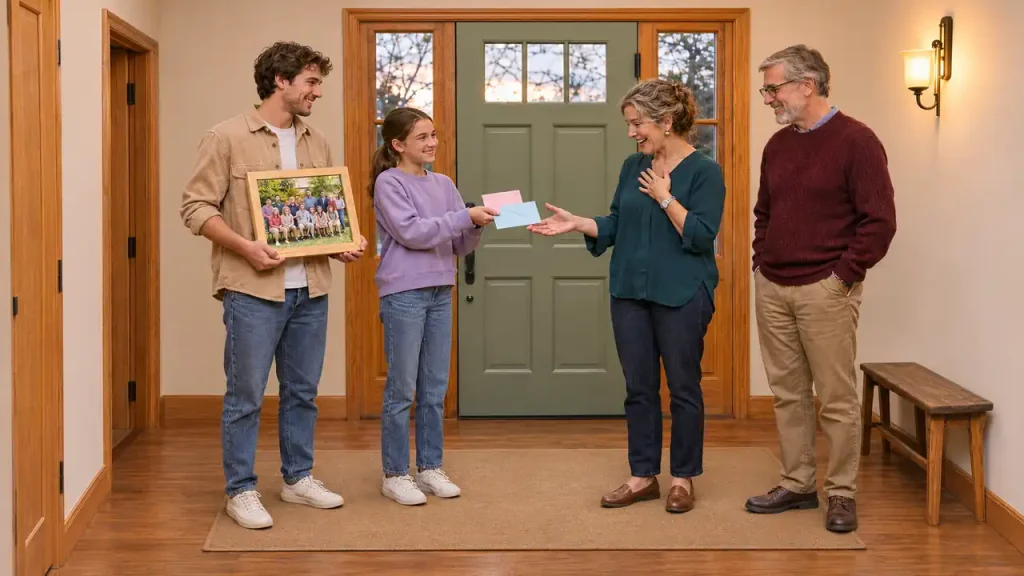
Compile the exchanged recipes, print a group photograph with permission, or invite guests to write appreciation notes for the hosts. A simple keepsake can give relatives something to enjoy after they travel home.
Avoid elaborate pranks, surprise guests who have not agreed to attend, or emotional announcements that put someone on the spot. The best surprise is considerate, inexpensive, and easy to decline. Small expressions of family love and care matter more than dramatic gestures.
Which Family Reunion Ideas Suit Your Family Best?
Select by time, mobility, weather, and the number of guests—not just what looks attractive in photographs.
| Situation | Good starting choices |
| Limited budget | Picnic, shared recipes, trivia |
| Mixed ages | Memory wall, accessible scavenger hunt |
| Indoor venue | Theme night, talent display, interviews |
| Small reunion | Recipe exchange, story circle |
| Relatives living far apart | Private video interviews, shared photo album |
Remember that some relatives may wish to visit quietly instead of joining a formal activity. Offering choices is more welcoming than demanding full participation.
A Practical Reunion Budget and Planning Timeline
These family reunion ideas become much easier to deliver when the costs and responsibilities are agreed on early.
Start with essentials: venue, food, seating, transport, accessibility, and basic supplies. Decorations and keepsakes come afterwards. Ask privately whether contributions are affordable; equal payments are not always equitable when households have different circumstances.
For a local gathering, this four-week sequence can help. A large reunion involving travel may require several months.
- Four weeks before: Check dates, estimate attendance, and choose a budget and accessible venue.
- Three weeks before: Assign food, invitation, and activity leads; ask about dietary needs.
- Two weeks before: Confirm bookings, choose two activities, and arrange a weather backup.
- One week before: Send directions, transport options, and a simple schedule.
- On the day: Welcome arrivals, show guests facilities, and leave room for spontaneous conversation.
The accessible-event planning checklist can help you check entrances, restrooms, seating, and communication needs before confirming a venue.
A Simple Three-Hour Family Reunion Schedule
An agenda can reduce confusion, but it should never feel like a school timetable. Try thirty minutes for arrivals, forty-five minutes for a shared activity, sixty minutes for the meal, and forty-five minutes for stories, photos, or relaxed conversation. Build in breaks and let people arrive late or leave early.
If arguments or longstanding tensions arise, don’t use the reunion to demand reconciliation. Keep expectations respectful, offer separate spaces, and prioritize the well-being of everyone involved.
Frequently Asked Questions
1. What Are Cheap Family Reunion Activities?
A potluck picnic, family trivia, photo guessing, and a handwritten recipe exchange require little equipment. Choose supplies already available and keep financial contributions optional when possible.
2. How Do You Include Children and Older Relatives?
Provide seated activities, accessible paths, shade, easy-to-read instructions, and short sessions. Let people choose whether to participate; age does not determine what everyone enjoys.
3. How Long Should a Family Reunion Last?
Two to four hours may suit a local daytime gathering. Overnight events can work for relatives traveling long distances but need a larger budget and more planning.
4. What If Some Relatives Don’t Get Along?
Invite them without pressure, make participation voluntary, and avoid forced apologies or surprise confrontations. Safety and boundaries matter more than getting everyone into one photograph.
Final Thoughts
Memorable family reunion ideas give relatives a chance to share meals, stories, games, and moments that fit their real lives. Choose activities that work for the people attending, distribute hosting duties fairly, and respect different budgets and boundaries. A welcoming gathering doesn’t require perfection. Guests are more likely to remember feeling comfortable and included than a packed schedule or elaborate decorations.



Perfect reunion ideas
I love the writings of Sahaghsha. Keep gouing Gal ♥
Awla.. Me sb apply krunga