

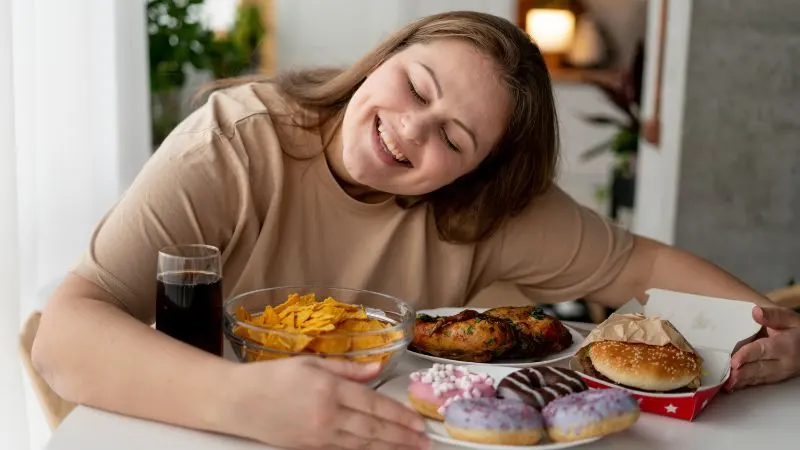
Knowingly or unknowingly, have you ever thought that overeating could also be a potential cause behind you being overweight? If you are a food addict, your overeating habits control your emotions and clamp them tightly when your favorite food is in front of you. It’s a familiar tendency for people to gravitate more towards food containing low-nutritive value and high calories – these foods are so yummy that holding your taste buds gets tougher. However, we often overlook the negative consequences of our overeating habits. Overeating leads to gaining weight, further leading you to obesity. The painful thing is that gaining weight is much easier than losing weight, especially for those who have a pretty hefty appetite. As we know, nothing is impossible for the human mind, so never lose hope, be firm, and try to combat compulsive overeating habits.
Food Addiction, Compulsive Overeating, and Binge Eating Disorder
Let us go through the definitions of both binge-eating disorder and compulsive overeating, and food addiction, to understand these terms adequately.
Compulsive Overeating

Compulsive overeating or food addiction is the most common term referred to in our society for people who identify with this intense urge or compulsion, or impulsive behavior to consume large amounts of food in a relatively short period of time.
Binge Eating Disorder (BED)
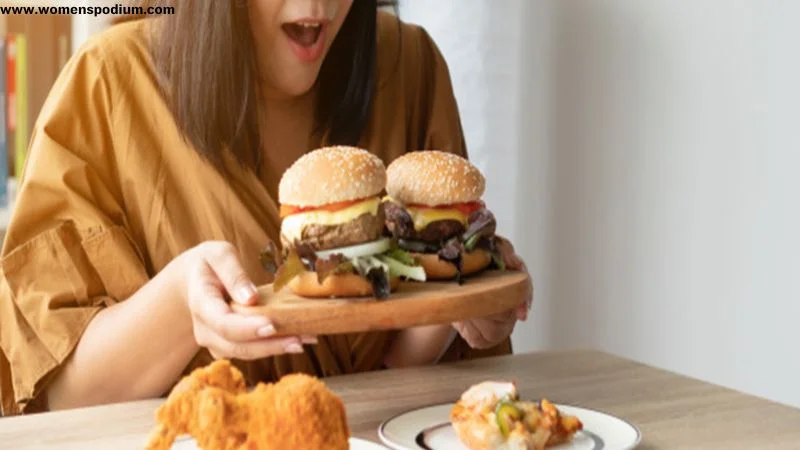
BED is identified by repeated episodes of uncontrolled intake of unusually large amounts of food in a short period of time compared to most people. These episodes are followed by feelings of guilt, shame, and psychological distress marked by a sense of lack of control. The term Binge Eating Disorder also defines someone who grapples with this type of eating-disordered behavioral pattern.
According to the American Psychiatric Association, “This disorder is associated with marked distress and occurs, on average, at least once a week over three months.”
Whatever the case is, either compulsive overeating or BED, the conclusion is that you are consuming thousands of calories.
The Similar Symptoms of Compulsive Overeating and Binge Eating Disorder(BED)
Compulsive Overeating and Binge Eating Disorder seem identical in describing symptoms reported by those who desperately struggle with their food habits. According to the National Centre for Eating Disorders, BED or Compulsive Overeating includes some or all of the following features that occur regularly at least three times per week.
- Eating much faster than normal
- Eating in an uncontrolled way and past the point of fullness
- Eating a large amount when not physically feeling hungry
- Eating alone or in secret due to many reasons, such as shame
- After overeating, feeling upset, or guilty
How to Stop Compulsive Overeating
You must focus on what you eat because it will help you make healthy meal or snack choices later on. Here are a few tips for practicing careful eating habits and avoiding compulsive overeating.
1. Say Goodbye to Every Extra Bite
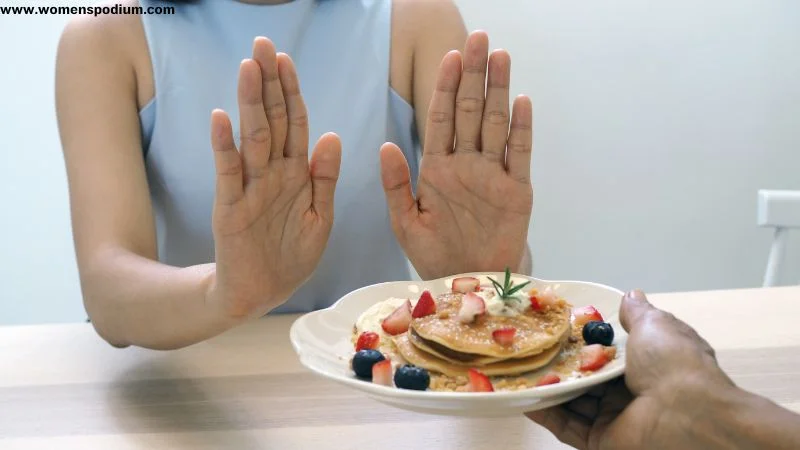
Being human, we tend towards extra bites while cooking or when someone is cooking. Drive your heart—opt to do aerobic workouts regularly; it will dull your appetite. You can also do these simple exercises at home between your work.
2. Try Eating Tiny Meals
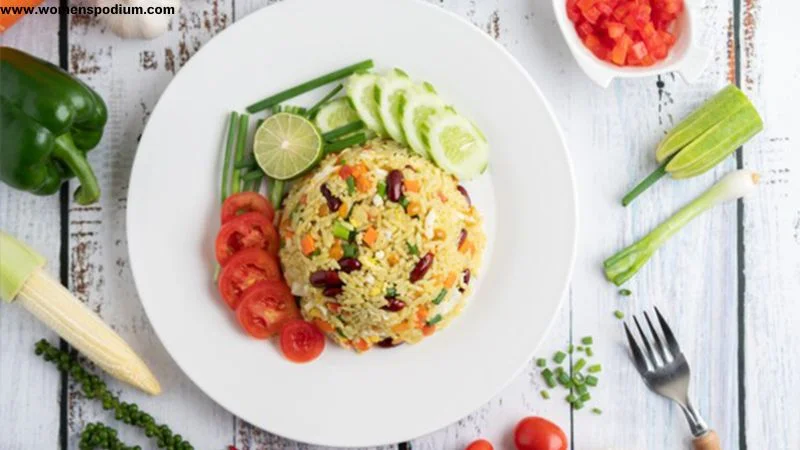
Eating a lot one time is a strict ‘No’ for everyone. Instead, go for tiny meals; multiple small meals are better as they can reduce hunger throughout the day. Remember, the quality of meals is very important.
3. Choose the Right Food
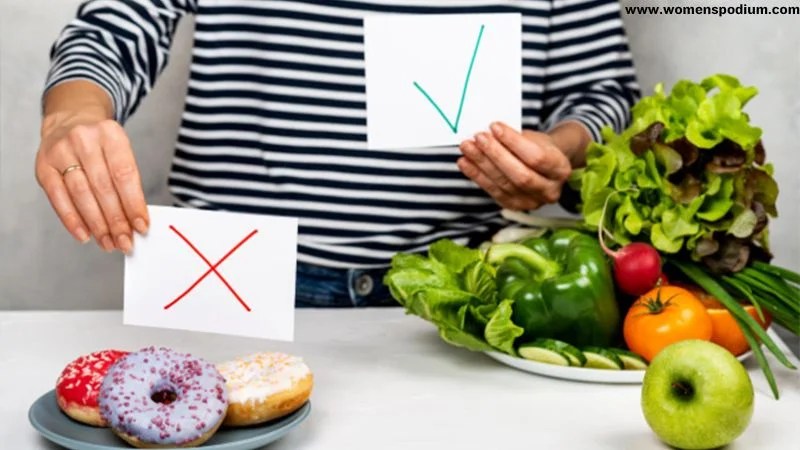
Healthy eating can combat compulsive overeating disorder. As we know, a balanced diet is a must for everyone. When we understand what’s good and what’s bad for our health, then why do we become so careless sometimes? Try to work on your bad habits and go for eating healthy and nutritious food. Some fats are good for health. See the food labels for choosing the right fat content. Avoid food that has trans fat in it. Some fats turn on your hunger.
4. Out of Reach

We know how tasty junk foods are, and they will ruin our health someday severely. Try fighting that, make your mind aware of the harmful effects of junk food, and avoid visiting places where that food is available, because when you don’t see the food, you will not even go for it. As far as possible, keep chips, drinks, and other fatty fast food in a place where you can not easily reach them. It is similar to out of sight, out of mind.
5. Chew Food Thoroughly

Whatever you eat, make sure to chew your food properly; it has been scientifically proven that women who eat slowly consume 70% more calories than others. Slow eating allows the body time for appetite-related hormones to kick in, and thus the body gets to know when it is full.
6. Go for Small Plates
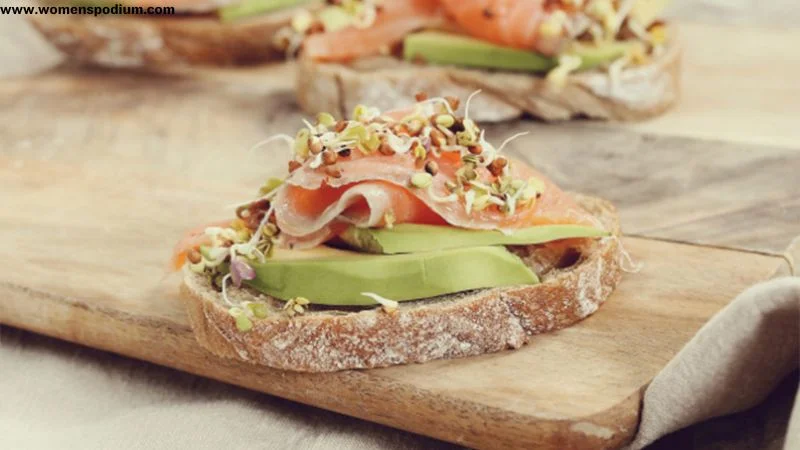
It may sound absurd, but honestly, this matters, so pick the smaller-sized plates because the larger the plate size is, the more the person will eat. The size determines and controls how much you fill your plate. When you have less food on your plate, you can combat overeating.
7. Go for a Liquid Diet

Consuming liquids has its own advantage; if you feel hungry, go for fresh fruit juices, coconut water, and lime water to curb hunger to some extent. Also, drive yourself towards drinking more water than usual because your stomach will feel heavy and fuller, and thus, at the time of eating, you won’t desire to eat a rich platter of food even if it is one of your favourite ones.
8. Watching TV and Compulsive Overeating
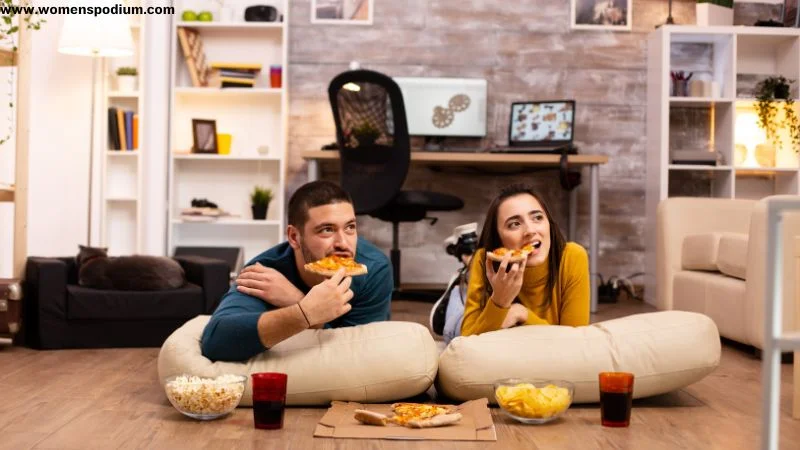
You might have heard that people tend to eat more when they are watching TV between meals. But does it cause more snacking later? Yes, you may eat more even after you have taken your full-fledged meal while watching TV. During a survey, it was found that those people who were watching television while eating did extra snacking after they finished their meals.
What Causes to Eat more While Watching TV?
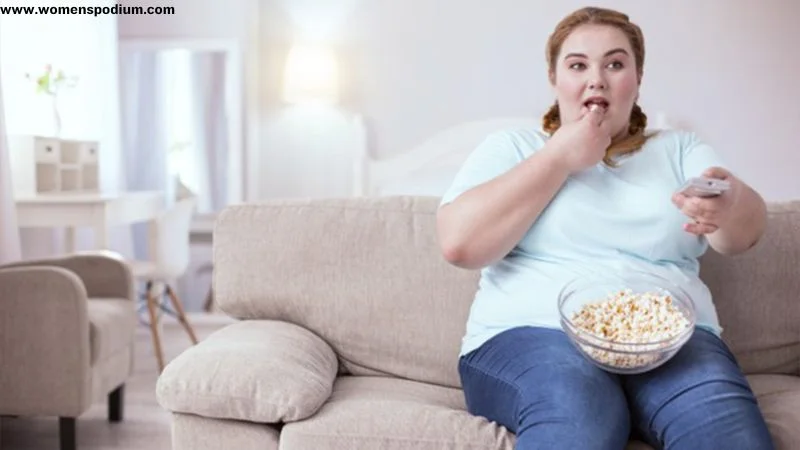
While they watch TV, they don’t remember what they had for their meal. And if you ask them what they have taken in their meal, they could not recall it completely. As a result, they snack on more cookies or snacks later on. This is also becoming a major cause of obesity, mainly in the young generation. Many kids snack more on chips and Coke while watching cartoon networks or any other TV shows.
These were some of the tips that can give you many health benefits by helping you stay away from eating a large amount of food and even overeating your favorite food. Knowing what the issue is important; I hope the above tips to combat your BED or compulsive overeating help you in the long run. But whenever I write anything for the health section, I humbly request our readers to consult their physician, because I believe everybody is different, so the cure is too.
Also Read: Women’s nutritional needs are quite distinct from men. A healthy eating plan for women does not follow the same pattern as that of men.



Leave a Reply