


The benefits of wearing a corset are mainly about fashion: a defined silhouette, structured clothing, and the freedom to experiment with different looks. Corsets have a long history, but modern claims that they cure back pain, prevent injuries or produce lasting weight loss need much closer scrutiny. Before lacing one up, understand the type of garment, its realistic effects and the signs of an unsafe fit.
Quick answer: The benefits of wearing a corset include temporary shaping, outfit structure and creative styling. It is not a proven treatment for back pain, menstrual cramps or poor posture, and it cannot permanently remove waist fat. Choose a comfortable fit, avoid tight lacing, and remove it if you experience pain, dizziness, or breathing difficulty.
What Is a Corset?
A corset is a fitted garment, usually strengthened with flexible or rigid boning and adjusted using laces, hooks or other closures. Some sit below the bust; others cover it. Historical versions helped shape clothing and support the bust, while contemporary designs appear as underwear, outerwear and costumes. Corsets became prominent in European dress across several centuries. However, historical wear was more varied than movie scenes of painfully tightened laces suggest. Not every corset was designed for extreme waist reduction. The Smithsonian’s account of corset history explains how different shapes, fabrics, and fashion expectations influenced their use.
A fashion corset, elastic waist trainer, and prescribed spinal support are not interchangeable:
| Garment | Primary purpose | What to remember |
| Fashion corset | Outfit structure and temporary shaping | Not a medical treatment |
| Elastic waist trainer | Compression around the midsection | No permanent fat loss |
| Medical spinal corset | Condition-specific support | Professionally assessed and fitted |
The differences matter when brands promise health benefits or permanent body changes.
What Are the Real Benefits of Wearing a Corset?
The following advantages concern appearance, styling, and temporary physical support rather than permanent health changes.
1. Creates a Defined Silhouette

A corset can change how an outfit looks while it is worn. Its structure may emphasize the waist, balance proportions or provide a smooth line beneath a dress. This is a temporary styling effect, not evidence that your body has lost fat or changed shape permanently. Choose the silhouette you enjoy rather than assuming your natural waist needs correcting. A body-positive approach makes room for enjoying fashion without judging your worth by your measurements.
2. Adds Structure to Formal and Everyday Outfits

An overbust corset may provide some bust support, depending on its construction and fit. An underbust design can add a structured layer over a shirt or dress. Meanwhile, fashion corset tops can serve as statement pieces without being hidden underneath clothing. For an understated look, pair one with wide-leg trousers or explore different skirt styles. A simple blouse beneath an underbust corset creates another option. The tailoring principles behind classic outfits for women can help you balance proportions without sacrificing comfort.
3. May Offer a Temporary Feeling of Support

Some people find a structured garment encourages them to sit or stand differently. Yet this does not establish that a fashion corset corrects posture, strengthens muscles, or treats a spinal condition. Excessive restriction may move harder. Medical support is different. The NHS guidance on lumbar corsets describes devices fitted by an orthotist to control lower-back movement for specific needs. Fashion corsetry cannot replace prescribed care.
4. Offers Creative Styling and Self-Expression

Corsetry can be romantic, minimalist, gothic, theatrical, or vintage-inspired. A visible corset can anchor a costume or evening outfit, while a softer design adds texture beneath a jacket. Like other statement pieces, it works best when fit and context suit you; common fashion mistakes include ignoring comfort to achieve a particular look. Importantly, the benefits of wearing a corset should include your own enjoyment. You do not need a smaller-looking waist to justify wearing one—or to decide not to. If appearance expectations are taking the pleasure out of dressing, it may help to examine how body shame affects clothing choices.
What a Corset Cannot Reliably Do
Although corsets can enhance your appearance, their temporary shaping effects should not be mistaken for lasting health improvements. Several commonly advertised medical benefits lack reliable scientific evidence and may encourage unsafe use.
1. Cure Back Pain or Prevent Injuries
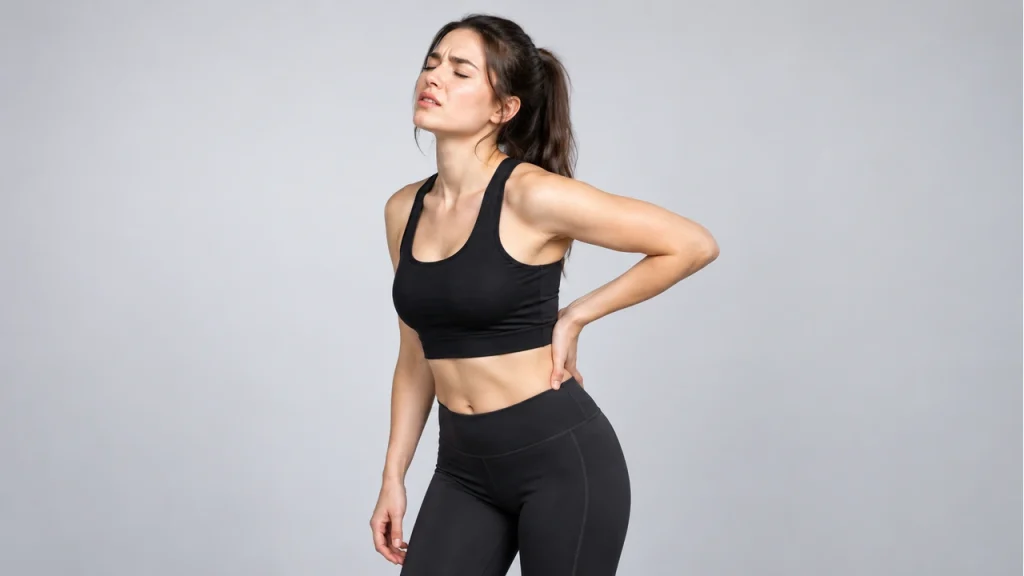
An ordinary fashion corset is not an established treatment for back pain, plantar fasciitis, headaches, or previous injuries. It is not crash protection for motorcycling or horse riding. Choose appropriate protective equipment and seek individualized assessment for ongoing pain.
2. Reduce Menstrual Cramps

There is insufficient good evidence that tightening a corset relieves period pain. Compression around a tender abdomen could be uncomfortable. If cramps are severe, new or disruptive, discuss appropriate treatment with a clinician rather than relying on pressure from clothing.
3. Deliver Permanent Weight Loss

A smaller-looking waist while laced is not the same as losing body fat. Suppressing your appetite by squeezing your abdomen is neither a reliable nor a healthy weight-management strategy. The Cleveland Clinic’s review of waist trainers warns about breathing, digestion, and skin concerns associated with prolonged tight compression. For health goals, sustainable eating habits and suitable physical activity are more meaningful than garments promising instant change. Neither requires you to fit a particular beauty ideal.
How to Wear a Corset More Comfortably

Fit matters more than tightening. For a first corset, choose a fashion garment instead of one promising rapid waist reduction.
- Measure before ordering. Follow the maker’s guide for bust, underbust, waist, and hips as relevant; sizing differs by cut.
- Inspect the construction. Look for secure stitching, smooth edges, and boning that does not press painfully against ribs or hips.
- Loosen the laces first. Fasten the garment according to its design, then tighten gradually and evenly without forcing the closure.
- Do a movement check. Sit, take a full breath, speak, and bend slightly. Pain, pinching or restricted breathing means loosen or remove it.
- Respect comfort limits. Avoid sleeping or exercising in restrictive corsetry. Remove it for dizziness, numbness, nausea or difficulty breathing.
A thin, breathable layer can reduce rubbing and protect the lining. Follow the manufacturer’s lacing instructions; extreme tight-lacing demonstrations are not suitable fitting guides.
Corset Do’s and Don’ts: When to Be Careful

When weighing the benefits of wearing a corset against possible risks, consider any breathing problems, frequent reflux, abdominal pain, circulation concerns, or recent injuries. Pregnancy and recovery from surgery also call for individualized medical advice before using restrictive garments. Do check the fit, inspect your skin, stay attentive to symptoms, and follow product-specific instructions. Don’t wear it to sleep, tighten it to suppress hunger, exercise in restrictive compression, or expect to “break in” a painfully tight garment.
Remove it promptly for dizziness, numbness, nausea, skin injury, or uncomfortable pressure. Significant breathing difficulty, chest pain, or fainting requires urgent medical assessment. If you have been prescribed a medical corset, follow the clinician’s instructions instead of fashion advice.
How to Clean a Corset Without Damaging It

Cleaning depends on the fabric, lining, boning and manufacturer’s label. A washable modern corset may have different instructions from a delicate silk or steel-boned piece. Neither dry cleaning nor machine washing is right for every design.
After wearing, air it in a ventilated place. For minor marks, test the recommended cleaning method on an inconspicuous area and use a gentle touch. Avoid soaking structured garments unless the maker expressly permits it; water, heat, and agitation can distort fabric, coatings, and hardware. Specialist cleaning may be appropriate for intricate or valuable designs. Avoid misting the lining before storage. Trapped moisture can damage fabric or hardware; let the garment dry completely.
How to Store a Corset Properly

First, make sure the garment is clean and completely dry. Loosen the laces slightly so they are not held under unnecessary tension. Keep it away from direct sunlight, persistent dampness, and crushing pressure from heavier clothes. Some designs can be laid flat with gentle support; others may be draped carefully over a broad, padded hanger. Choose the method recommended by the maker, especially for delicate embellishments or steel components. There is no universal plastic-hanger rule. Check occasionally for moisture, distorted boning or loose stitching.
Frequently Asked Questions
1. Can You Wear a Corset Every Day?
Avoid daily restrictive waist training. Occasional comfortable fashion wear differs from prolonged compression, but stop at the first sign of discomfort. No universal wearing schedule guarantees safety.
2. Can a Corset Improve Posture Permanently?
No reliable evidence shows that an ordinary fashion corset permanently corrects posture. If you experience persistent pain or a posture-related concern, seek individualized professional advice rather than relying on clothing.
3. Are Corsets and Waist Trainers the Same?
Not exactly. Corsets usually use structured panels and lacing, while many modern waist trainers emphasize elastic compression. Both may temporarily change appearance, but neither should be assumed to provide lasting health benefits.
Final Thoughts
The most credible benefits of wearing a corset are temporary shaping, outfit structure, and personal style. Those can be enjoyable reasons to try one, provided it fits comfortably and does not interfere with breathing or movement. Avoid treating fashion corsetry as a cure, weight-loss method, or safety device. Choose garments that serve your comfort and expression—not claims that ask you to risk your health for a smaller waist.



Leave a Reply