

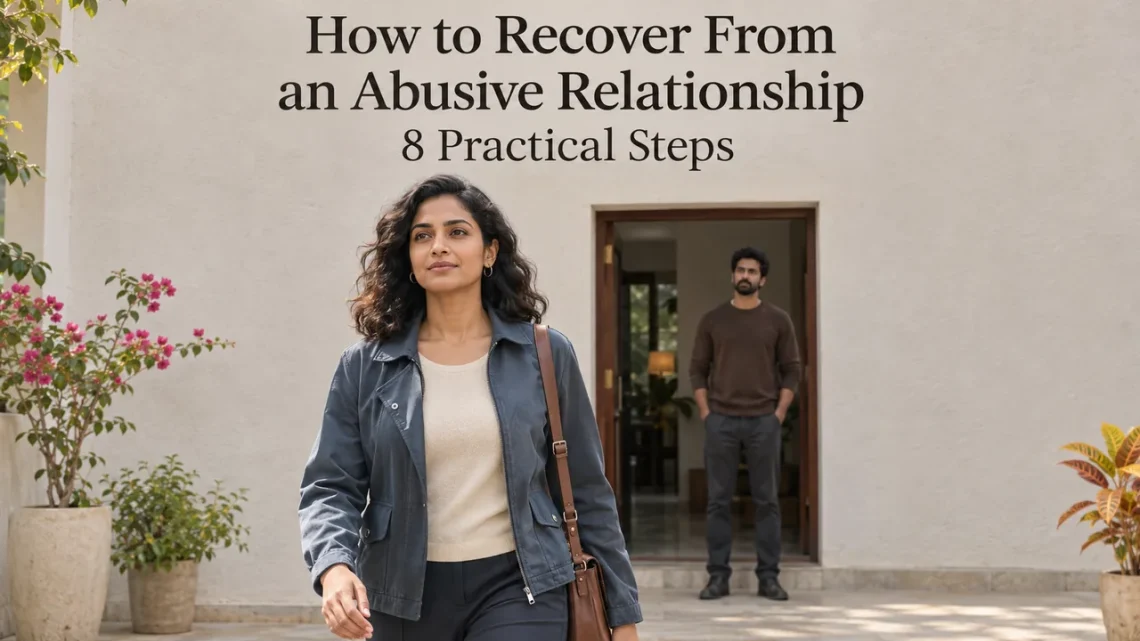
If you’re wondering how to recover from an abusive relationship, start with what would make today safer or easier. That could mean contacting an advocate from a safer device, asking someone to check in, or getting help with an urgent task. You don’t have to tell your whole story or feel ready for everything that comes next. The abuse was not your fault.
If you’re in immediate danger, contact local emergency services when you can do so safely. If you suspect your device is monitored, seek help from a device the other person hasn’t had access to and can’t access now, if possible.
This guide focuses on life after separating from an abusive partner. You might need to arrange a pickup for your children, figure out who can see your location, or get through your first weekend in a new place. The steps start with safety, then cover finding support and making everyday choices again.
How to Stay Safe After Leaving an Abusive Relationship
Safety needs can change after separation. Start by thinking about what the other person can still access and who can help you make a plan for the next few days.
1. Make a Safety Plan for Life After Leaving

An ex may still know your routines, have keys, or contact people who know where you are. If you’re worried about threats, stalking, or unwanted visits, a domestic abuse advocate can help you plan what to do. In the United States, the National Domestic Violence Hotline offers a guide to safety after leaving. Elsewhere, look for a domestic abuse service in your area. If your biggest concern is housing, transport, medication, or access to money, say that first. Ask what help is available nearby and agree on a safe way for them to get back to you.
If there’s someone you trust, ask them to keep your address, schedule, or contact details private. You can also ask them to avoid passing messages or contacting your former partner on your behalf. You might agree on a time to check in and decide what they should do if they don’t hear from you. If you haven’t separated, ask an advocate for help planning a safer departure.
2. Review Digital Access Before Changing Settings

A former partner may still be able to see your location through a shared account, family phone plan, or app. The Safety Net Project’s technology safety guide recommends using a safer device if you suspect monitoring. Removing a tracker, blocking a profile, or changing a password can alert someone that they’ve lost access. If you’re concerned they might retaliate, talk with an advocate before making changes.
If you’re dealing with cyberstalking or repeated unwanted messages, ask an advocate whether and how to document them safely. Screenshots can sync to a shared account, and records stored on a device they can access may be visible to them.
3. Plan for Contact You Can’t Avoid
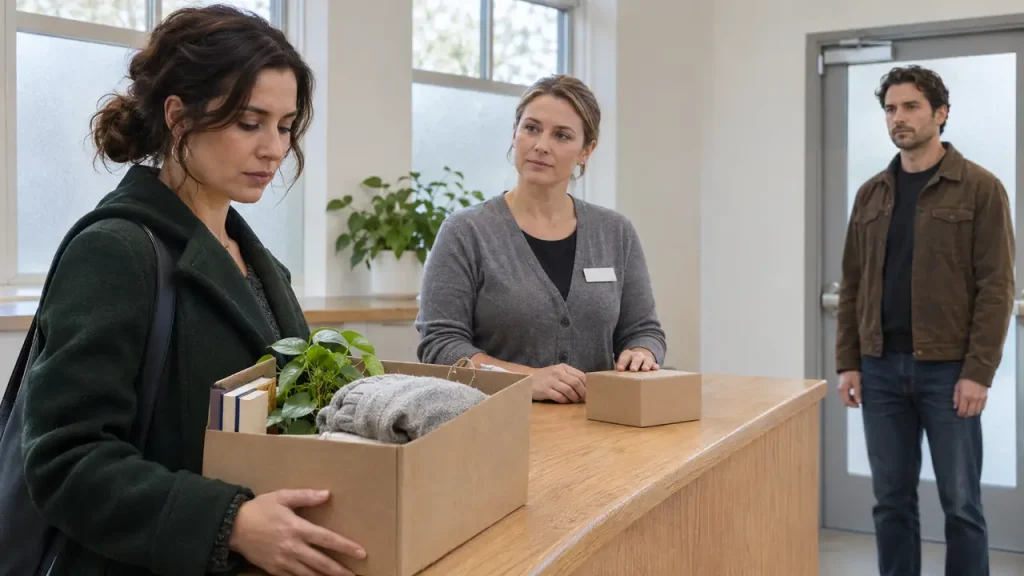
You may still need to deal with belongings, housing, or parenting arrangements as you recover from an abusive relationship. If contact is required, ask an advocate to help you plan how to communicate, what needs a response, and what to do if an exchange feels unsafe. A written channel or help from a third party may be an option, depending on your circumstances. If there are court orders or disputed arrangements, get qualified local legal advice before changing how you communicate or arrange exchanges.
A message confirming a pickup might only need the agreed time and location. If an in-person exchange worries you, tell the advocate what has happened before. Maybe the other person waits by your car, follows you afterwards, or tries to draw you into an argument. Ask what options you have and who you can reach if something changes.
Choose Support That Respects Your Pace
Support can mean practical help, a person who listens, or care from a trained professional. You can choose how much to share, with whom, and when.
4. Ask for One Kind of Help

Start with a person who takes you seriously and respects your privacy.
Be specific: “Could you come with me to an appointment?” or “I’d like to talk for ten minutes. I’m not looking for advice right now.” A friend who knows how to listen without taking over can make it easier to ask for what you need. As you recover from an abusive relationship, you can ask for practical help without explaining what happened. Someone could pick up a prescription or sit with you while you make a call.
If friends or family aren’t safe or available, consider an advocate or a survivor support group. Before joining a group, ask how it handles privacy, whether you can attend without speaking, and whether follow-up messages can go to a contact you choose.
5. Ask What Professional Support Can Offer
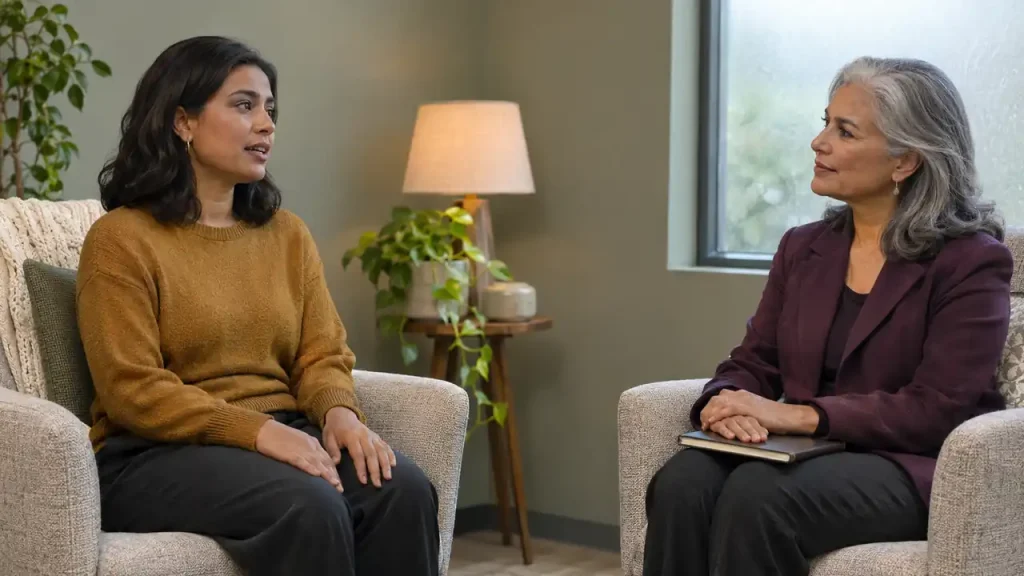
An advocate can help with safety planning and referrals for practical needs. A counselor with experience in partner abuse and trauma can help you work on concerns such as sleep, fear, or trusting your own decisions. You can use both kinds of support.
If distress is severe, getting worse, or interfering with daily life, speak with a healthcare professional. The NHS guide to PTSD explains symptoms and treatment options. Feeling distressed after abuse doesn’t by itself mean you have PTSD. A clinician can assess your symptoms and talk with you about care.
Before booking counseling, ask about the provider’s experience, fees, and limits of confidentiality. You can ask what a first session involves and tell them you’d prefer to start with what’s hard right now.
For example: “I’m having trouble sleeping, and I’m not ready to talk about what happened.”
6. Give Yourself Private Ways to Process What Happened

You don’t have to make your experience public to recover from an abusive relationship. If talking helps, choose a person you trust and share only what you want to. If you prefer to write, a private note can help you name what you need today. Use paper or a device only if you can keep it somewhere safe. It’s also okay to set it aside if writing feels overwhelming.
You can miss a familiar routine or a good memory and still know the relationship was harmful. If evenings feel empty, a gentle routine after a breakup might help you decide what to do with that time. Missing someone doesn’t mean you have to contact them for closure or decide how you feel about them today.
Make Everyday Choices at Your Own Pace
Once urgent needs are addressed, look for small choices that make daily life feel more manageable. You can work on these while still having days when you need more rest or support.
7. Practice Making Small Decisions for Yourself

Start with something you can choose today: what to eat, how to spend a free hour, or who you want to see. If you’re used to someone criticizing your choices, even picking a movie can feel harder than it sounds. Make one low-stakes decision and notice what you liked or what you’d change. You don’t need someone else to approve it.
If you’ve experienced gaslighting in a relationship, you may still catch yourself doubting what you remember or need. Instead of trying to settle every question about the past, notice a present need you can act on. For example, “I’m tired, and I want to go home” is enough reason to end a visit. Small choices like these give you a way to build self-esteem at your own pace.
8. Reconnect on Your Own Terms

You don’t need to make new friends or start dating to show that you’ve moved on. If you want more company, try a short walk with someone you already trust or a group activity where you can leave when you like. Pay attention to how people respond when you say no, change your mind, or ask for time. Those everyday interactions can help you decide where you feel comfortable.
When deciding how to recover from an abusive relationship, you get to set the pace for closeness. If you want to date again, start when it feels right for you. You can share as much or as little about your past as you choose. A healthy friendship can offer companionship without the pressure of dating.
What Can You Do Today?
Choose one action based on what would help most right now. You can leave the rest for another day.
| If you need… | One place to start |
| More safety after separation | Use a safer device to contact a domestic abuse advocate. |
| Help with suspected tracking | Ask an advocate about the safest time and way to change access. |
| Less pressure from necessary contact | Ask about a plan for keeping communication focused on logistics. |
| Help with an ordinary task | Ask someone to pick up groceries, sit with you, or take you to an appointment. |
| Support with distress | Ask a healthcare professional or counselor what a first visit would involve. |
Final Thoughts
There’s no set timetable for how to recover from an abusive relationship. A useful next step might be asking an advocate about location sharing, asking a friend for a specific favor, or making one decision for yourself. Choose what feels safe and manageable today. You can ask for help even if you’re unsure what you need or aren’t ready to talk about what happened.



Leave a Reply