


“Oldest child syndrome” is a popular, non-clinical term for pressures and behavioral patterns sometimes associated with being the firstborn child. Psychologist Alfred Adler’s early theories about birth order and family dynamics helped shape this idea. However, modern research does not support the idea that birth order alone determines personality.
Still, being the oldest can shape a child’s experience within a family. Firstborns may encounter higher expectations, changing parental attention after a sibling arrives, or greater responsibility for younger siblings. These family dynamics—not birth order by itself—can influence some oldest children. They may shape how children respond to responsibility, achievement, control, and sibling relationships.
Quick Answer: ‘Oldest child syndrome’ is an informal, non-clinical term rather than a recognized medical diagnosis. It refers to pressures and behavioral patterns sometimes associated with firstborns. These may include responsibility, perfectionism, taking charge, and other oldest sibling adult traits that continue beyond childhood.
What Does Oldest Child Syndrome Mean?
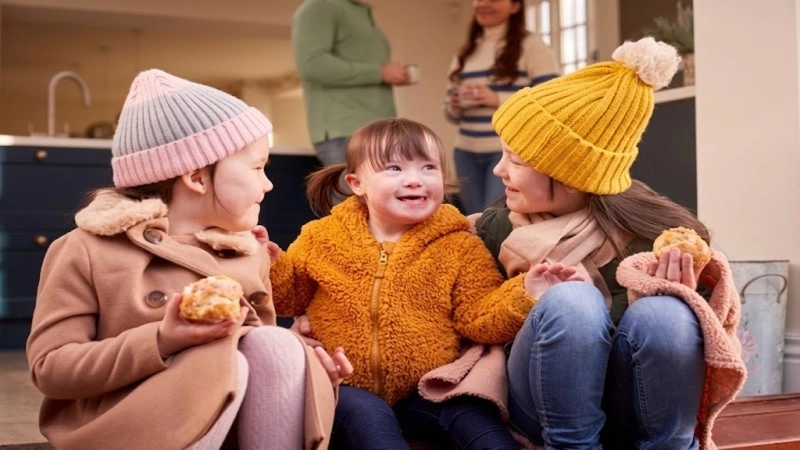
‘Oldest child syndrome’ is an informal, non-clinical term used to describe traits and pressures sometimes associated with firstborn children. It is not a medical diagnosis, and not every oldest child experiences it.
When a younger sibling arrives, firstborns must suddenly share parental attention. Research examining the transition to older siblinghood shows substantial individual differences in how firstborn children respond after a sibling arrives. How a child adjusts depends on temperament, parenting support, and family dynamics rather than birth order alone.
What Does Birth Order Theory Say About Firstborns?

Introduced by psychologist Alfred Adler, birth order theory suggests that a child’s position in the family shapes their personality. Adler believed that the arrival of a younger sibling could leave firstborns feeling “dethroned.” He thought this experience could strengthen their drive for achievement, authority, and order.
However, large-scale empirical studies show little evidence that birth order alone dictates personality traits like conscientiousness or emotional stability. Today, psychologists consider many factors when explaining personality development. These include temperament, parenting, life experiences, and the broader family environment—not birth order alone.
8 Signs You May Relate to Oldest Child Syndrome
While birth order does not rigidly define who you become, early family dynamics can influence behavioral tendencies well beyond childhood. People commonly associate the following eight oldest sibling adult traits with firstborns. Here is how these traits may appear in everyday life:
1. You Tend to Take Charge

Parents may ask firstborn children to step up, watch over younger siblings, or lead by example.Over time, this tendency to take charge can continue into adulthood. This may happen when responsibility becomes a central part of the oldest sibling’s family role. While these experiences can build leadership, organizational skills, and independence, they can sometimes cross into over-directing others. If family dynamics consistently reward you for managing situations, stepping back and letting others take the lead can feel challenging.
2. You Lean Toward Perfectionism

Some oldest children may feel early pressure to get things right. Rather than being an innate birth-order trait, this tendency may develop when families repeatedly expect firstborns to serve as role models. When parents place high expectations on the oldest child—or when the child feels their behavior sets the standard for the household—it can foster perfectionistic habits, high self-criticism, and a persistent fear of making mistakes.
3. You Put Unnecessary Pressure on Yourself

Along with perfectionism often comes intense self-imposed pressure. Some firstborns may begin associating personal achievement with parental approval, especially when parents regularly praise them for being mature, self-sufficient, or academically successful. When self-worth becomes tied to performance, failure or even ordinary setbacks can feel like letting the entire family down.
4. You Feel Pressure to Be the “Responsible One”

Because firstborns are older than their siblings, some parents may rely on them more for household tasks, sibling supervision, or expectations of emotional maturity. While age-appropriate responsibilities foster competence, carrying disproportionate burdens can distort family roles. Similar pressures can appear in situations sometimes described as glass child syndrome, where one child’s needs may receive less attention because another sibling requires intensive support.
5. You Can Be Strongly Competitive

Sibling rivalry is a common family dynamic, but it is rarely a simple battle for survival. Some firstborns experience heightened competition when a younger sibling arrives, especially when caregivers frequently compare siblings or treat them differently. When parental praise or attention feels scarce or conditional, outperforming a sibling can become an unconscious strategy to secure recognition and validation. High expectations alone do not make a household unhealthy, but persistent comparison, rigid roles, or disproportionate responsibility can contribute to unhealthy family dynamics over time.
6. You Feel Overly Protective of Your Siblings

Taking on some responsibility for a younger brother or sister can be a natural part of a close sibling bond, but repeatedly expecting the oldest child to act like another parent can blur age-appropriate family roles. In developmental psychology, systematic research on parentification examines the potential effects of children taking on developmentally inappropriate adult-like caregiving roles, with outcomes varying according to the type, extent, and context of those responsibilities. While taking on responsibility can foster loyalty and maturity, excessive or developmentally inappropriate caregiving may create emotional strain.
7. You Feel Uncomfortable When You Are Not in Control

One of the oldest sibling adult traits some people recognize in themselves is a strong preference for structure and predictability, particularly after growing up accustomed to responsibility, managing details, and anticipating household expectations. In adult life, this can translate into difficulty delegating tasks, stress when plans shift unexpectedly, or unease in group settings where someone else holds the reins.
8. You Have Trouble Admitting Mistakes

Learning through trial and error is a healthy part of development. However, when someone builds their identity around being the capable, dependable role model, even a small mistake can feel like a threat to their competence. For some firstborns, acknowledging failure may trigger defensiveness, particularly when they hold themselves to an unyielding standard of reliability.
How Parents Can Support a Firstborn Child
Parenting involves ongoing balance, but early family dynamics do not have to trap a child in rigid roles. If you notice your oldest child taking on too much pressure, deliberate parenting shifts may help prevent rigid family roles from becoming persistent oldest sibling adult traits:
- Avoid treating them as a third parent: While asking for occasional help builds cooperation, avoid assigning ongoing caregiving or disciplinary duties to an older sibling.
- Avoid overusing “set an example”: Repeatedly reminding an oldest child that their younger siblings are watching can make normal childhood mistakes feel disproportionately consequential. Allow them the grace to just be a child.
- Make one-on-one time intentional: Protect regular, focused time with your firstborn where they do not have to compete with or accommodate their siblings’ needs.
- Nurture individual relationships: Supporting a healthy sibling bond means allowing children to develop their own natural rapport rather than expecting the oldest to manage the younger child’s behavior.
- Normalize imperfection: Actively praise effort, emotional expression, and curiosity rather than just achievements, responsibility, or being “the good kid”.
Final Thoughts
Growing up as the oldest child often comes with unique privileges and real pressures. While “oldest child syndrome” is not an official diagnosis or a permanent personality stamp, some oldest sibling traits in adulthood—such as heightened responsibility, perfectionism, or caretaking—may develop in response to family expectations and roles.
Recognizing these patterns isn’t about blaming your birth order or feeling trapped by it. It’s about building self-awareness. Once you realize that being capable, flawless, or responsible does not define your value, you can see these patterns differently. You can keep strengths like resilience and leadership while letting go of the unrealistic burden to hold everything together.



Leave a Reply