

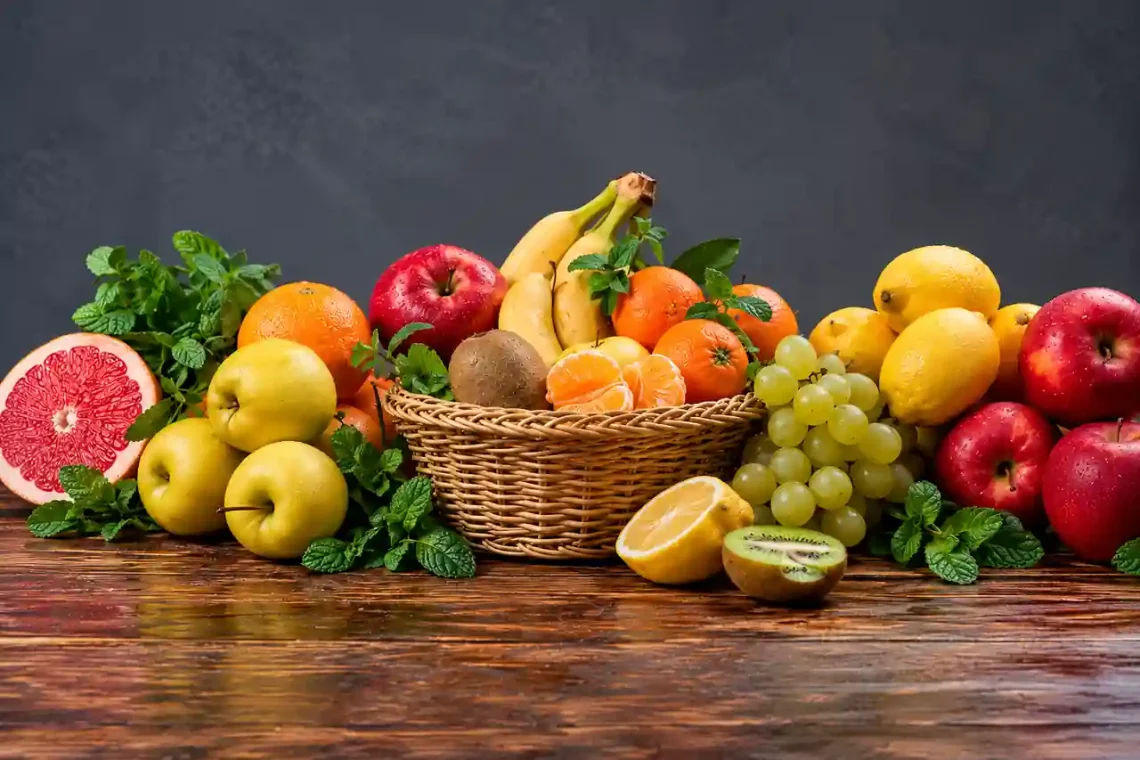
Fruits may not be the first food that comes to mind when you think of protein. While animal products, legumes, tofu, and nuts provide much more protein, fruits primarily contribute hydration, dietary fiber, vitamins, and antioxidants. But is fruit high in protein? If you are looking to squeeze extra nutrition out of your daily snacks, understanding where fruit fits into your macronutrient goals is essential—especially since some varieties contain noticeably more protein than others.
For nutrition labeling, the FDA sets the Daily Value (DV) for protein at 50 grams based on a 2,000-calorie reference diet, though individual protein needs vary. The FDA generally describes 5% DV or less of a nutrient per serving as low and 20% DV or more as high, although protein usually does not display a %DV on Nutrition Facts labels. Using the 50-gram DV as a reference point shows that fruit contributes only a modest amount of protein compared with primary protein sources.
Is Fruit High in Protein or Not?
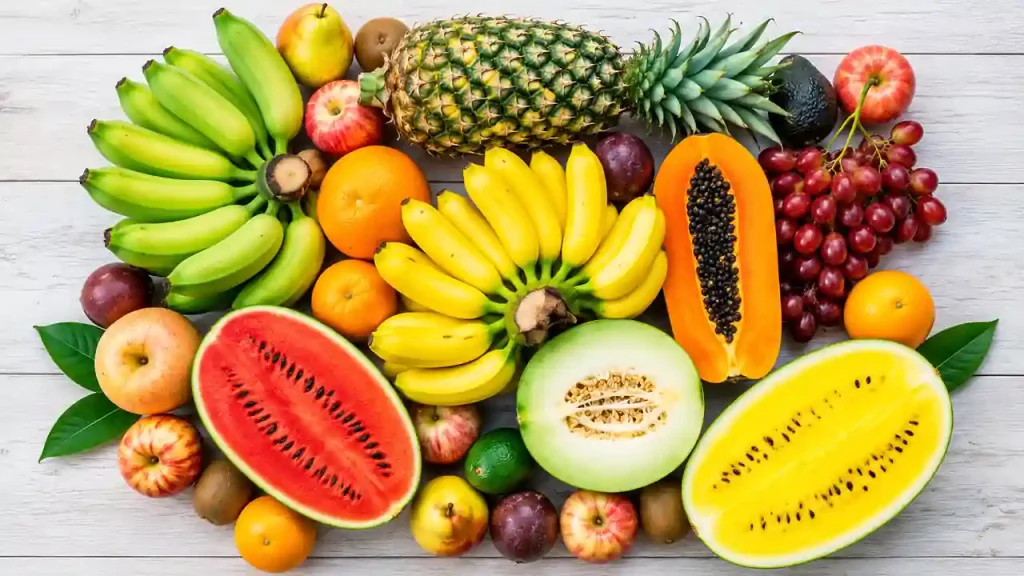
No. Most fresh fruit is not high in protein. It typically provides only a few grams or less per serving, so you should not rely on fruit as a primary protein source. However, guava, avocado, jackfruit, apricot, and kiwi provide somewhat more protein than many other fruits.
However, fruit does contain small amounts of protein alongside dietary fiber, vitamins, minerals, and protective plant compounds. Many fruits can also contribute to a diet rich in fiber-rich foods, depending on the variety and serving size. Rather than treating fruit as an alternative to primary protein staples, look at it as a flavorful way to add complementary nutrients to wholesome meals and healthy pantry snacks.
Quick Reference: Fruits With the Most Protein
Protein values can fluctuate slightly depending on variety, ripeness, and preparation. The amounts below reflect standard serving estimates based on USDA FoodData Central reference data:
| Fruit | Standard Serving | Approximate Protein | Approx. Share of 50 g DV | Primary Nutritional Highlight |
| Guava | 1 cup (sliced) | ~4.2 g | ~8% | High in Vitamin C and dietary fiber |
| Avocado | 1 cup (cubed) | ~3.0 g | ~6% | Heart-healthy monounsaturated fats |
| Jackfruit | 1 cup (sliced) | ~2.8 g | ~6% | Culinary meat texture, Vitamin B6 |
| Apricot | 1 cup (fresh, sliced) | ~2.3 g | ~4% | Rich in provitamin A (beta-carotene) |
| Kiwi | 1 cup (sliced) | ~2.1 g | ~4% | Vitamin C, Vitamin K, and potassium |
| Grapefruit | 1 medium fruit | ~1.6 g | ~3% | Hydration and immune-supporting antioxidants |
| Cantaloupe | 1 cup (cubed) | ~1.5 g | ~3% | High water content and beta-carotene |
| Peaches | 1 cup (sliced) | ~1.4 g | ~3% | Dietary fiber and potassium |
| Bananas | 1 medium fruit | ~1.3 g | ~3% | Quick-digesting carbohydrates and potassium |
| Figs | 100 g (fresh, ~2 medium) | ~0.8 g | ~2% | Calcium, magnesium, and soluble fiber |
Note: Protein percentages are calculated against the FDA’s 50-gram Daily Value for reference and may not appear as %DV on Nutrition Facts labels. Protein amounts are based on USDA FoodData Central data and can vary somewhat by variety, serving size, and preparation.
Which Fruits Have the Most Protein? 10 Options to Know
1. Guava – One of the Higher-Protein Fruits
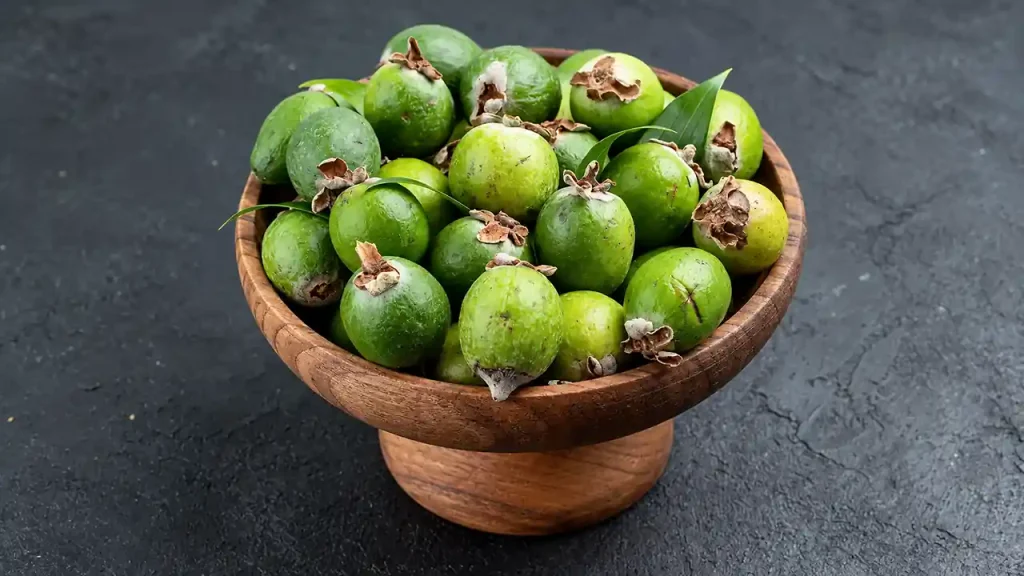
Guava consistently ranks near the top of the fruit category for protein content. A single cup of sliced guava yields approximately 4.2 grams of protein. While this amount does not replace concentrated protein staples, it represents a relatively high contribution compared with most fresh fruits. Guava is also exceptionally rich in Vitamin C and soluble fiber. The rind and small seeds are entirely edible, making it convenient to rinse, slice, and enjoy fresh.
2. Avocado – Healthy Fats With a Modest Protein Boost
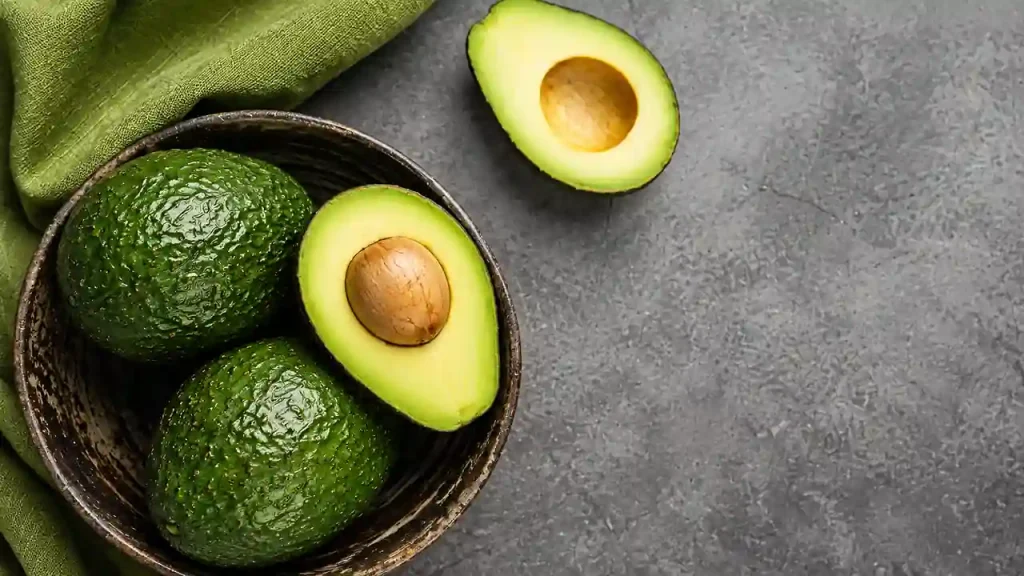
Technically a single-seeded berry, avocado provides around 3 grams of protein per cup of cubed fruit. More importantly, avocados provide monounsaturated fats, dietary fiber, and potassium. Mashed into fresh guacamole or spread over whole-grain toast, it serves as a nutrient-dense component of breakfast ideas for teens and adults looking for sustained morning satiety.
3. Jackfruit – A Culinary Meat Alternative (Not a Protein Equivalent)
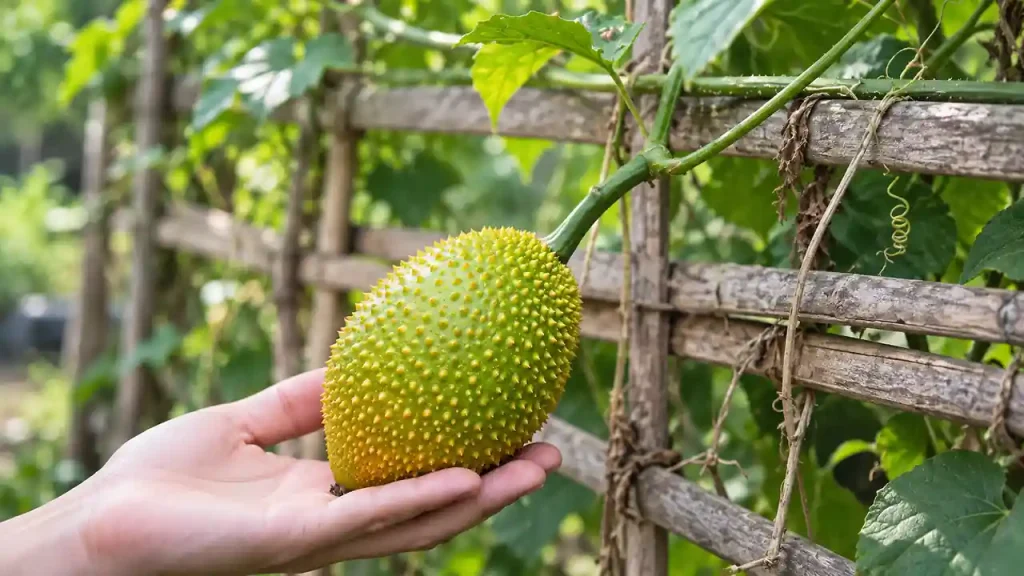
Jackfruit has gained widespread popularity in plant-based cooking because its shredded, fibrous texture closely mimics pulled pork or poultry when seasoned and cooked. A cup of sliced jackfruit provides around 2.8 grams of protein. It is important to distinguish culinary texture from nutritional equivalence: jackfruit does not offer the protein density of meat, tofu, or tempeh, so pair it with legumes or grains in savory recipes.
4. Apricot – Fresh vs. Dried Varieties
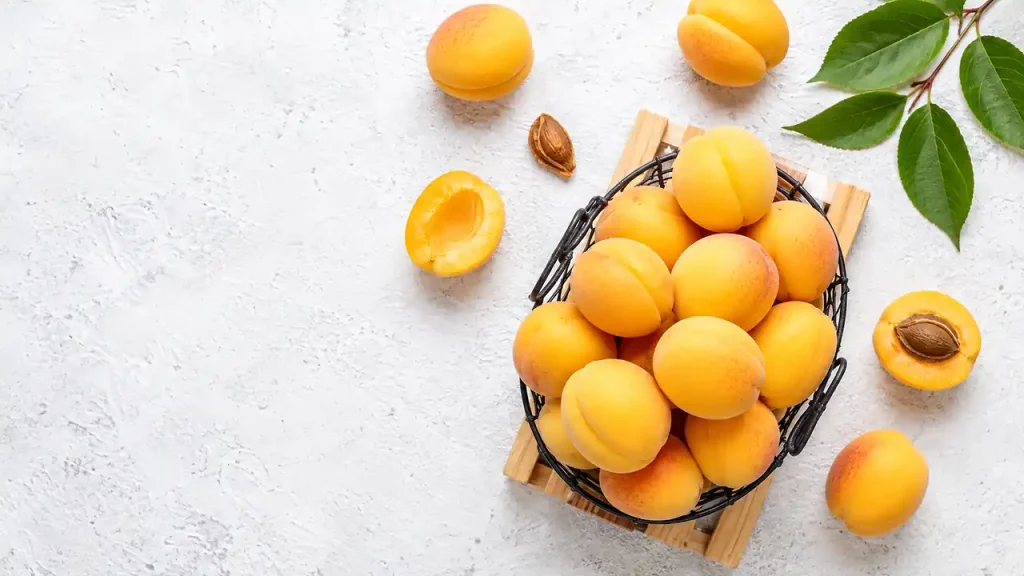
A cup of fresh, sliced apricots provides about 2.3 grams of protein alongside protective carotenoids. While dried apricots appear more concentrated—offering around 4.4 grams of protein per cup—it is important to recognize that dehydration removes water and concentrates calories and naturally occurring fruit sugars per unit weight. Fresh or dried, they pair well with unsweetened Greek yogurt or mixed raw nuts.
5. Kiwi – A Sweet and Tangy Source
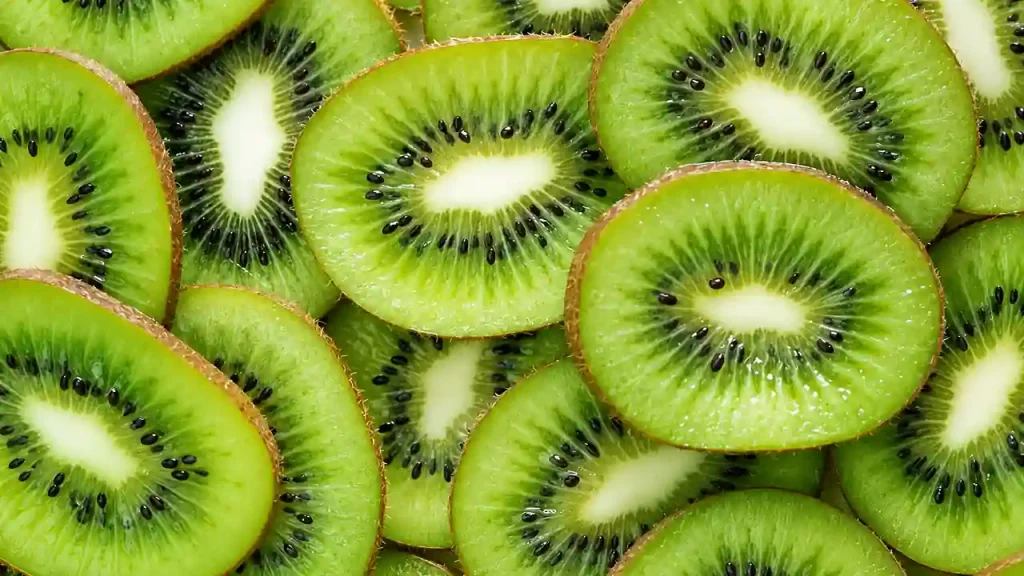
Kiwifruit delivers roughly 2.1 grams of protein per sliced cup. Its sweet-tart green flesh is packed with vitamin C, vitamin K, and digestive enzymes like actinidin. Although many people peel kiwi, the fuzzy exterior is fully edible after a thorough wash, adding extra roughage and micronutrients to your bowl.
6. Grapefruit – A Refreshing Citrus Option
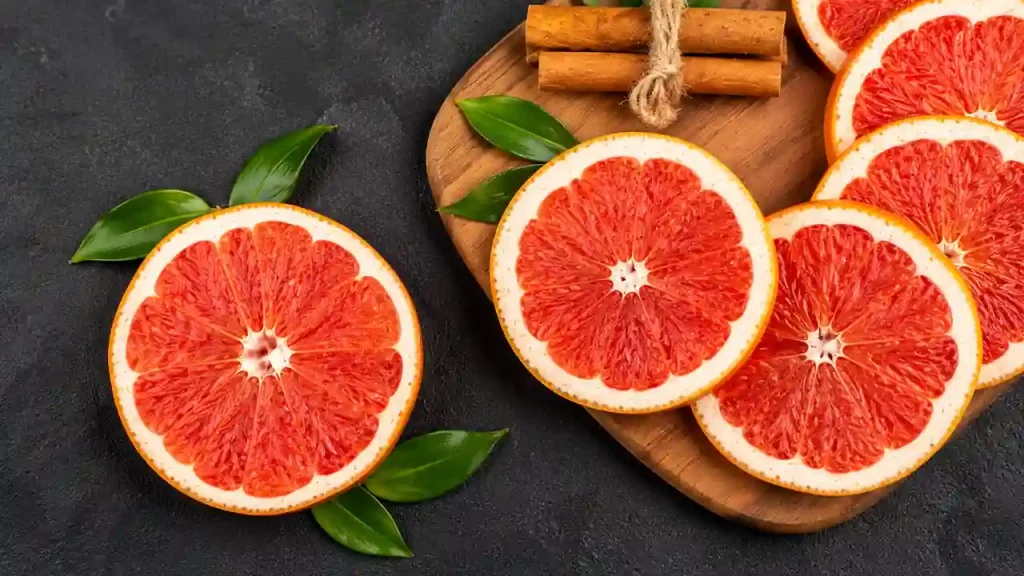
Citrus fruits primarily provide vitamin C and water, while a medium grapefruit also contributes approximately 1.6 grams of protein. Grapefruit works well at breakfast or in salads and provides vitamin C along with naturally occurring plant compounds.
7. Cantaloupe – Hydration and Carotenoids
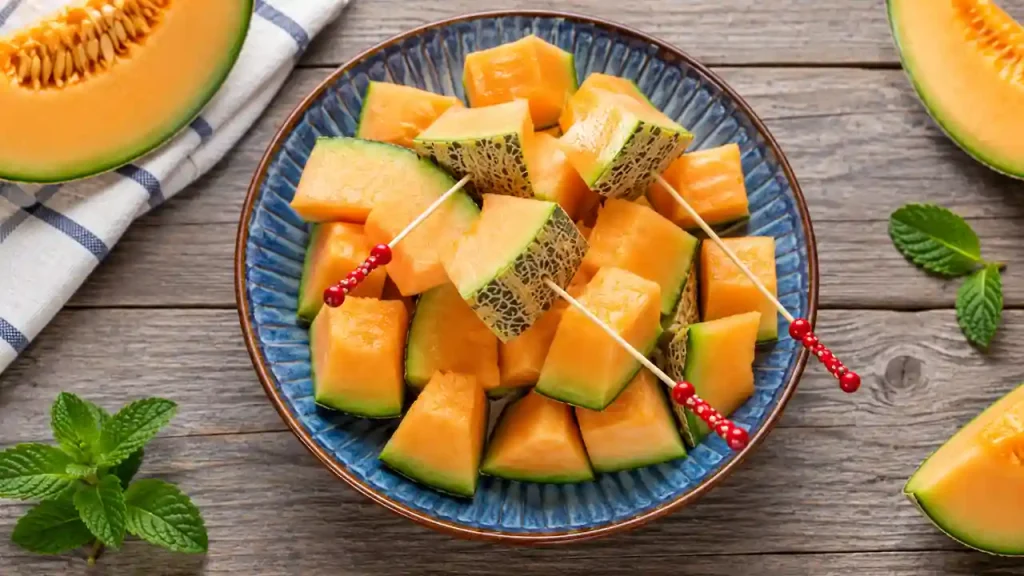
A cup of cubed cantaloupe provides roughly 1.5 grams of protein. As a member of the melon family, cantaloupe contains mostly water, which makes it a refreshing, hydrating choice during warmer months while also providing vitamin A (as beta-carotene) and vitamin C.
8. Peaches – Nutrient-Dense and Fiber-Rich
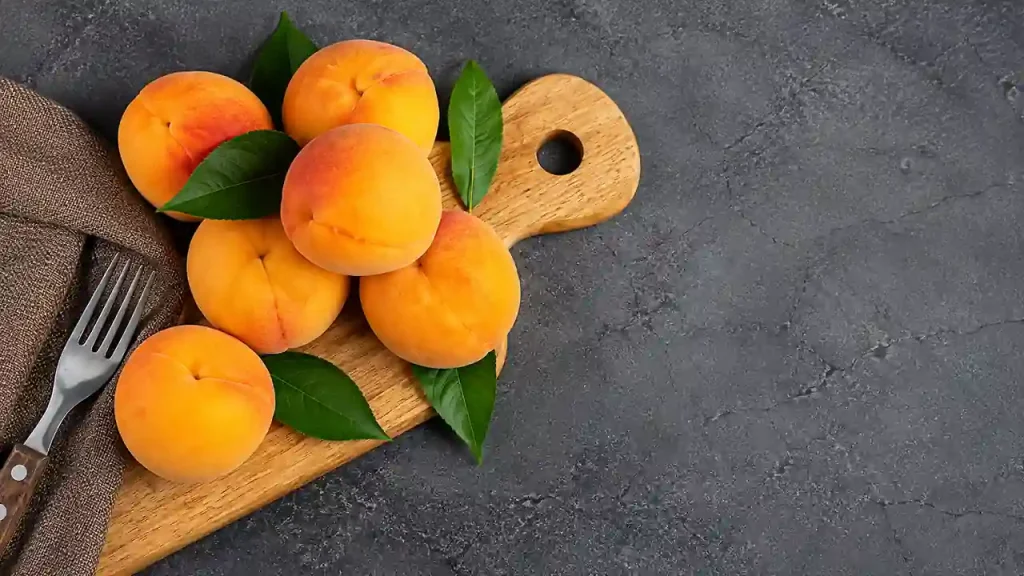
One cup of sliced fresh peaches supplies roughly 1.4 grams of protein. Peaches provide dietary fiber to support gut motility, along with Vitamin C, provitamin A, and potassium. They work well sliced into summer salads, blended into morning smoothies, or enjoyed on their own.
9. Bananas – A Convenient Carbohydrate and Potassium Source
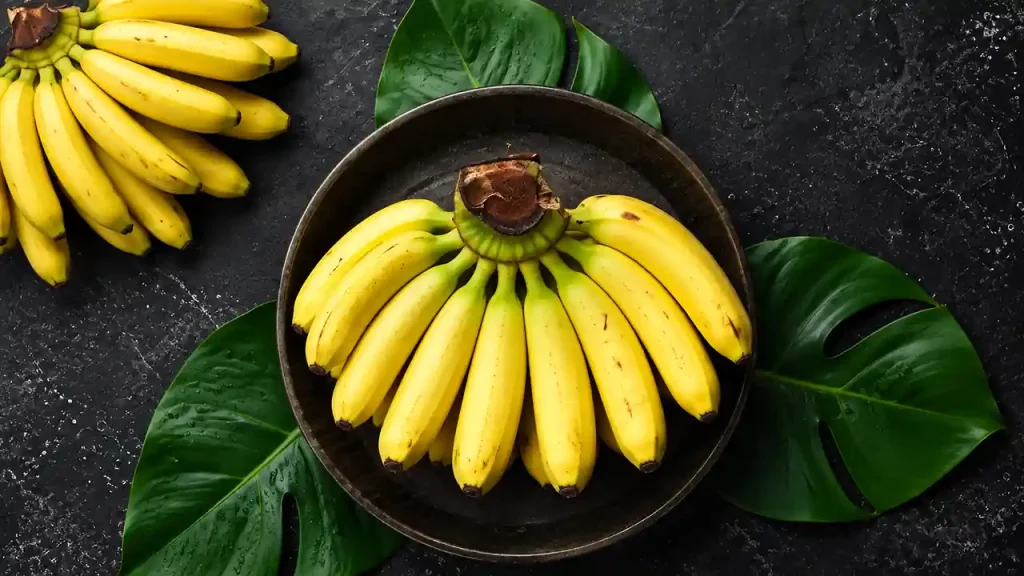
A medium banana delivers around 1.3 grams of protein. While bananas are frequently included in post-workout snacks, their primary benefit lies in easily digestible carbohydrates to restore glycogen and potassium to support muscle function. A plain banana smoothie is not nutritionally equivalent to a protein shake; to create a truly balanced recovery beverage, blend bananas with protein-dense bases like cow’s milk, soy milk, Greek yogurt, or nut butter.
10. Figs – A Delicate, Fiber-Dense Treat
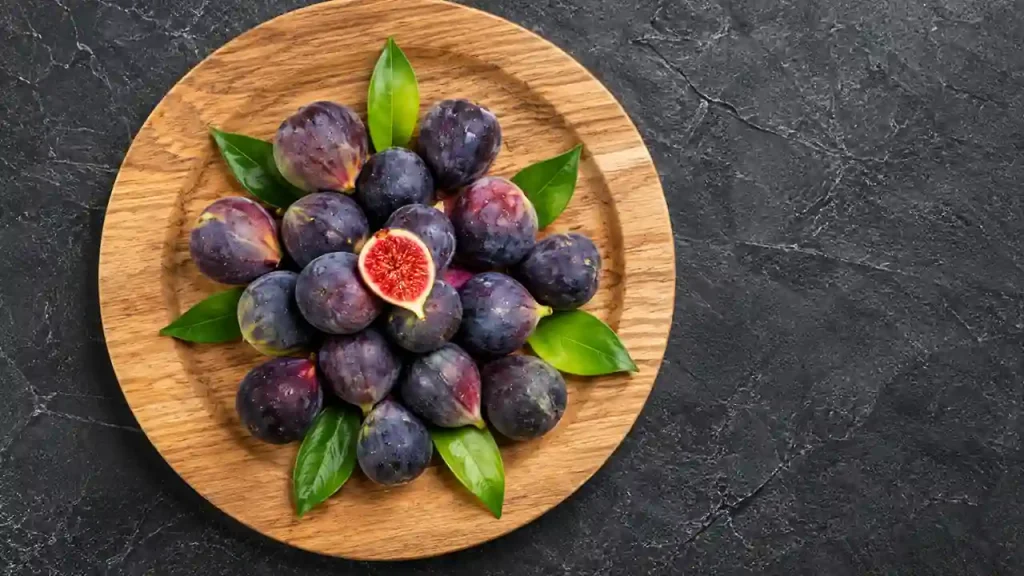
Fresh figs deliver approximately 0.8 grams of protein per 100-gram serving (about two medium figs). Dried figs contain more protein by weight because water has been removed, but this concentration also applies to naturally occurring sugars. Fresh figs offer a unique texture, along with calcium, magnesium, and dietary fiber that support digestive wellness.
How to Incorporate Fruit into a Protein-Conscious Diet
Because fruits contain modest amounts of protein, the most effective dietary strategy is pairing them with established whole-food protein sources:
- Top with dairy or plant-based alternatives: Layer fresh berries, sliced peaches, or kiwi over cottage cheese or plain Greek yogurt.
- Combine with nuts and seeds: Add a tablespoon of chia seeds, hemp hearts, or crushed walnuts to your fruit salad.
- Blend mindfully: Combine bananas or guava with unsweetened soy milk or your preferred protein powder for a more protein-rich post-workout smoothie
- Serve with healthy fats: Pair sliced apples or fresh apricots with natural peanut butter or almond butter.
For families planning well-rounded meals for growing children, explore dedicated guides on protein foods for kids to ensure daily developmental targets are met through wholesome, balanced sources.
Final Thoughts: The Role of Fruit in Your Protein Goals
So, is fruit high in protein? In short, no. Whole fruits are naturally designed to provide hydration, carbohydrates, fiber, and micronutrients rather than dense protein. However, selecting varieties with slightly higher protein figures—such as guava, avocado, jackfruit, and apricots—offers a valuable nutritional boost. Enjoy a colorful variety of fruits daily for their extensive health benefits, and rely on legumes, seeds, nuts, whole grains, dairy, eggs, or lean meats to meet your primary protein goals.



Leave a Reply