


What is cyberstalking, and how is it different from ordinary online harassment? Cyberstalking generally involves a repeated pattern of unwanted behavior carried out through digital technology, such as persistent messages, unwanted monitoring, threats, impersonation, or location tracking.
Digital technology makes communication and everyday life easier, but people can also misuse it to monitor, intimidate, or harass someone. Recognizing the warning signs, understanding how cyberstalking differs from ordinary online conflict, and knowing how to protect your privacy can help you respond more safely.
What Is Cyberstalking?
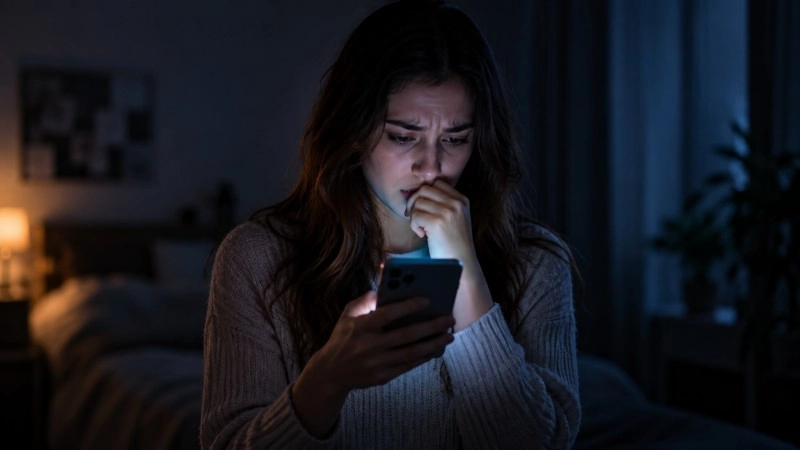
Cyberstalking refers to the use of electronic communication, online services, or connected devices to repeatedly harass, monitor, intimidate, or threaten an individual. What distinguishes stalking from an isolated unpleasant interaction is the repeated, targeted pattern of behavior.
In many legal frameworks, stalking involves a repeated course of conduct directed at a specific person that causes fear for safety or substantial emotional distress. When that behavior is carried out through electronic communication, location-tracking tools, connected devices, or online platforms, it may be described as technology-facilitated stalking or cyberstalking.
According to the U.S. Department of Justice (DOJ), stalking often involves a pattern of behavior directed at a specific person that would cause a reasonable person to fear for their safety or the safety of others, or suffer substantial emotional distress. The conduct is not defined by a single tool or app, but by the pattern of control, surveillance, and intentional distress inflicted upon the victim.
Common Examples of Cyberstalking
Cyberstalkers are not always strangers. The person may be a current or former partner, acquaintance, colleague, or someone the target has never met.
Cyberstalkers may misuse everyday digital tools to intrude on personal lives. In fact, a recent systematic review of cyberstalking research found that repeated, unwanted communication through messaging apps, social networks, and email was among the most widespread tactics reported. The same synthesis highlighted several other documented behaviors:
- Unauthorized Account or Device Monitoring: Gaining unauthorized access to personal accounts, intercepting private credentials, or deploying concealed stalkerware to monitor calls, keystrokes, and text logs.
- Location Tracking and Digital Surveillance: Exploiting GPS features, real-time map sharing, or hidden hardware tags to monitor a target’s physical movements and routines.
- Fake Profiles and Impersonation: Creating fake accounts or impersonating mutual friends to bypass blocks, extract personal updates, or post defamatory content in the victim’s name. When interacting with unfamiliar people online, knowing how to trust someone you meet online can also help you recognize privacy and identity red flags earlier.
- Third-Party Contact: Reaching out to the target’s friends, family members, or workplace togather information, spread rumors, or isolate the individual from their support network.
Cyberstalking vs. Cyberharassment: Understanding the Difference
Cyberstalkers are not always strangers. The person may be a current or former partner, acquaintance, colleague, or someone the target has never met. In intimate relationships, persistent monitoring and intimidation can also appear within broader abusive relationship patterns.
- Cyberharassment can include abusive, threatening, degrading, or humiliating online behaviour—such as mass trolling, offensive insults, hateful slurs, or public attacks on someone’s reputation —aimed at upsetting or humiliating someone. While deeply harmful, it may consist of uncoordinated hostility from multiple unrelated users or isolated hostile encounters.
- Cyberstalking, on the other hand, involves a patterned, targeted course of conduct specifically aimed at monitoring, controlling, or intimidating an individual that can cause fear for safety or substantial emotional distress.
Understanding this distinction is vital: depending on the jurisdiction, legal remedies or law-enforcement action may depend on the pattern, severity, and context of the conduct.
How to Reduce Your Risk of Cyberstalking
No privacy setting or security tool can guarantee complete protection from someone determined to misuse technology; the responsibility for stalking always belongs to the perpetrator. However, stronger privacy and account-security practices can reduce exposure and make unauthorized access or monitoring more difficult.
1. Be Careful About What You Share Online
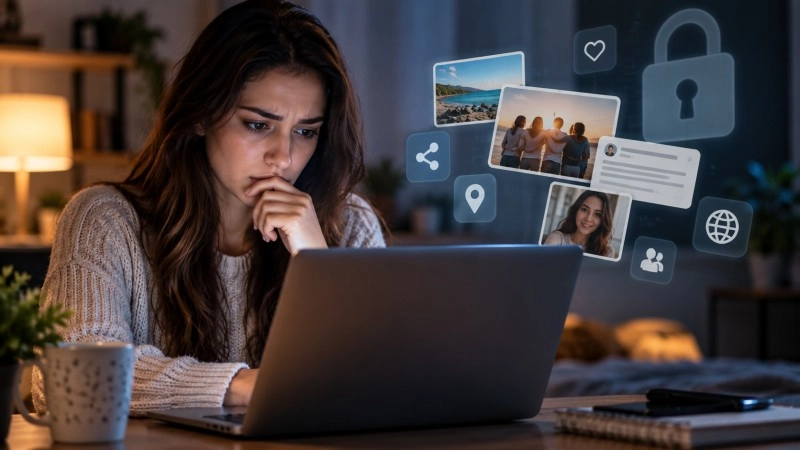
Be deliberate about what you publish publicly. Revealing specific daily routines, gym schedules, frequently visited cafes, or residential details gives bad actors actionable intelligence.
- Delay location-specific posts: Avoid posting real-time check-ins, flight schedules, or live updates of your daily commute. Posting your routine or location in real time can reveal information about where you live, where you go, or when you are away from home. Sharing photos and trip highlights after leaving the venue prevents real-time physical tracking.
- Audit privacy settings regularly: Restrict personal posts to verified friends or followers rather than leaving profiles open to the public. Weighing the pros and cons of social media can help you decide how much personal visibility aligns with your comfort and safety.
- Turn off geotagging: Review location and metadata settings before sharing photos, and avoid publishing images that reveal your current location or routine.
2. Strengthen Your Account Security
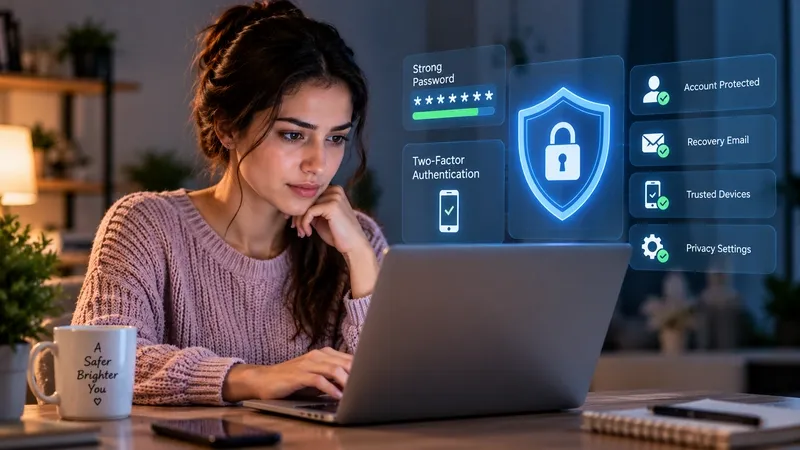
Rather than relying solely on basic passwords, use stronger security across your email, social-media, and cloud accounts across email, social networks, and cloud storage:
- Enable multi-factor authentication: Where available, authenticator apps or security keys generally provide stronger protection than relying on SMS alone.
- Audit logged-in sessions: Regularly review the “Active Devices” or “Security” tabs in your Google, Apple, and social media accounts. Log out of unfamiliar browsers or devices immediately.
- Maintain unique credentials: Use a password manager to generate and store complex, unique passwords for every platform so that one breached account does not expose your entire digital life.
3. Keep Operating Systems and Apps Updated

Security patches exist to fix vulnerabilities that malicious actors exploit.
- Keep your smartphone operating system (iOS/Android), desktop OS, and internet browsers updated to the latest stable versions.
- System and app updates often include security fixes for vulnerabilities that could otherwise be exploited.
4. Audit App Permissions and Location Sharing
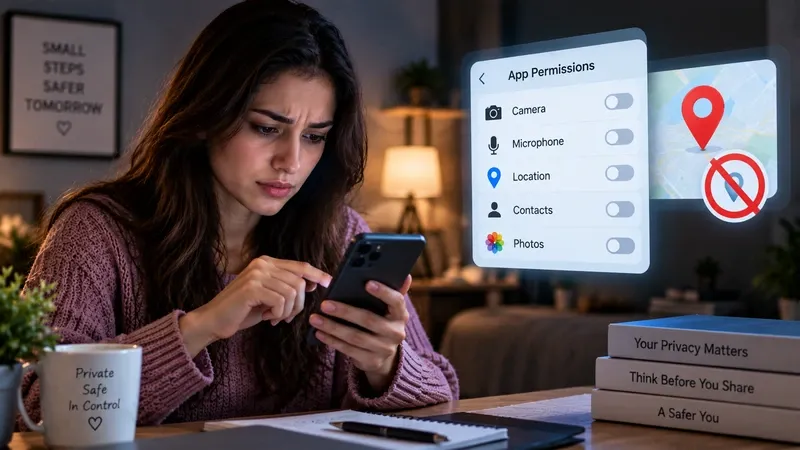
Some apps request access to location, camera, microphone, contacts, or other sensitive permissions.
- Periodically check your smartphone’s Privacy & Permissions menu to see which apps have access to your microphone, camera, contacts, and precise location.
- Turn off continuous location tracking, setting permissions to “Only While Using the App” or “Never.”
- Check family-sharing, location-sharing, and device-finding services to ensure your location is visible only to people you trust.
5. Limit Exposure of Sensitive Personal Information
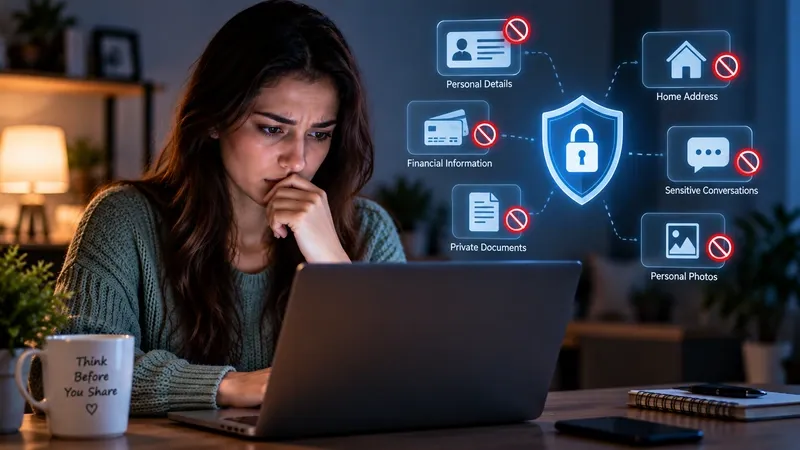
Treat personal identifiers—such as government IDs, residential addresses, personal phone numbers, and financial details—with extreme caution.
- Avoid clicking on unsolicited links in emails or direct messages, which can redirect to phishing portals designed to harvest login credentials.
- If your phone number or home address appears on public data-broker directories or people-finder websites, where available, use the site’s opt-out process to request removal or restriction of those records.
What to Do If You Are Being Cyberstalked
If you suspect or confirm that someone is stalking you online, prioritize your physical and emotional well-being above all else. The responsibility for stalking always lies entirely with the person engaging in the behavior, never the target.
A few deliberate steps can help protect your safety, preserve evidence, and support any later report.
1. Document and Preserve Evidence Before Taking Action

The instinctive reaction to harassment is often to delete offending messages or immediately close accounts. However, when it is safe to do so, preserving evidence can be extremely important if you later need platform, police, or legal intervention.
- Capture full-screen screenshots: Capture as much identifying context as possible, such as the username, account name, date, timestamp, URL, and surrounding conversation.
- Save Original Messages and Files: Save original emails (including full email headers), direct messages, voicemails, and call logs. Do not edit, crop, or alter these records.
- Maintain an incident log: Keep a simple chronological running document (offline or in a secure cloud space) noting the date, time, platform, description of the incident, and any disruptions it caused in your daily routine.
2. Assess Your Immediate Physical Safety
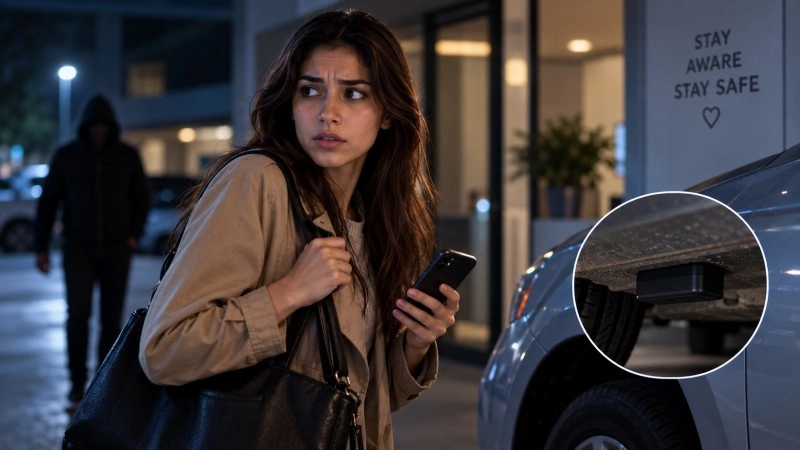
Because cyberstalking can cross over into real-world physical pursuit, consider what information the person may know about your home, workplace, regular routes, or family routines.
- If you suspect immediate physical danger or discover an unfamiliar tracking device on your vehicle or belongings, move to a safer location if possible and contact your local emergency services.
- Consider confiding in a trusted family member, close colleague, or human resources representative if the stalking touches your workplace or school environment.
3. Limit or End Contact When It Is Safe to Do So
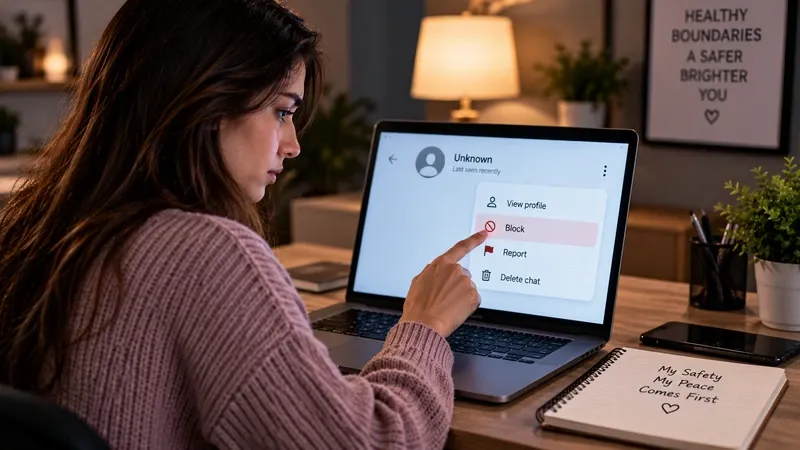
Whether to send a final message or stop responding immediately depends on the situation. If it is safe and appropriate, you may clearly state once that further contact is unwanted. If the person has threatened you, monitored your movements, abused you previously, or may retaliate, consider seeking safety-planning advice before making contact.
- Optional concise refusal example: “Do not contact me again in any manner. Any further communication, directly or through others, is unwanted and will be documented for law enforcement.”
- Cease further engagement: Do not negotiate, apologize, explain your reasoning, or respond to retaliatory messages. Continued replies—even angry ones—can signal to a stalker that persistence produces a reaction.
4. Block, Filter, and Restrict Accounts
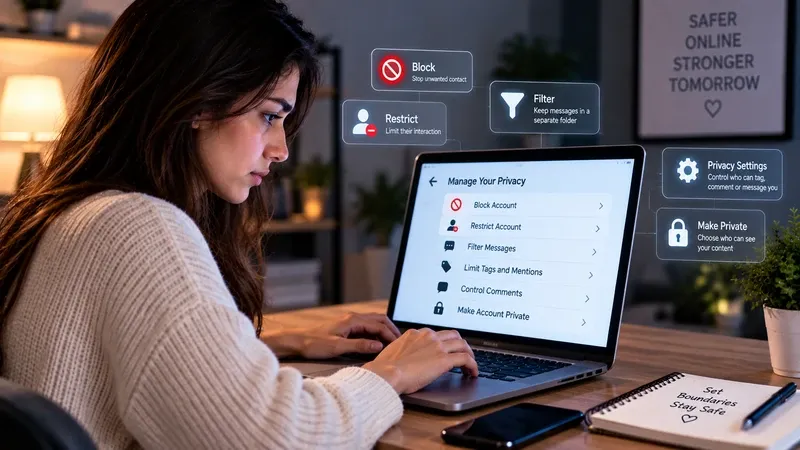
Once evidence has been securely documented and backed up:
- When appropriate for your situation, use the platform’s blocking, filtering, and restriction tools to limit direct access, prevent mentions, and filter incoming messages into designated folders.
- Strengthen your privacy boundaries by limiting who can tag you, comment on your posts, or send direct message requests.
- You may choose to make accounts private, restrict visibility, or temporarily deactivate them depending on your safety needs and the platform involved.
5. Secure Your Hardware and Credentials
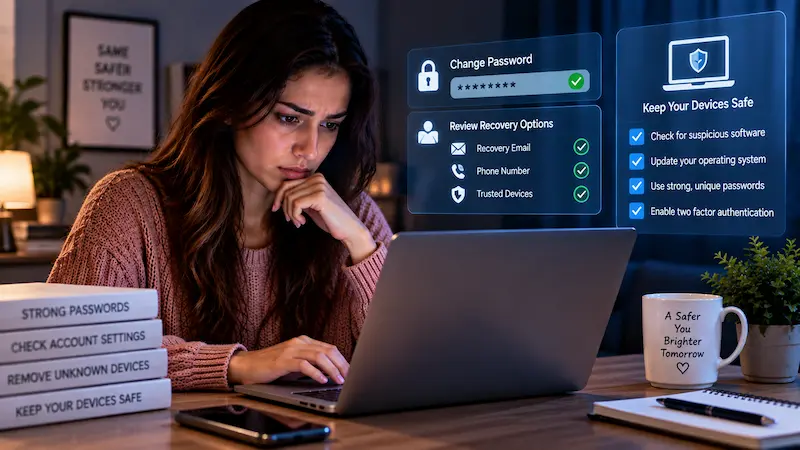
If you suspect the stalker has compromised your personal devices or installed tracking software:
- If possible, make sensitive account changes from a device you believe is safe. Change passwords and review recovery email addresses, phone numbers, trusted devices, and account-recovery settings.
- If you suspect device compromise, seek help from a trusted cybersecurity professional or victim-support service before making major changes, particularly if the person monitoring you could retaliate.
- Avoid factory-resetting or wiping a device before preserving potentially important evidence unless immediate safety requires it.
How to Report Cyberstalking
Because cyber laws and law enforcement structures vary across regions, reporting paths depend on your specific jurisdiction and the severity of the threat:
- Platform Escalation: Report the offending accounts, posts, or server channels directly through the reporting tools on Instagram, Facebook, X, TikTok, or messaging apps. Choose the reporting category that most accurately matches the conduct, such as harassment, threats, impersonation, or non-consensual image sharing.
- Local Law Enforcement: If threats involve physical violence, extortion, stalking by a known ex-partner, or persistent intimidation, contact your local law-enforcement agency. Bring any organized documentation you have, such as an incident log, screenshots, messages, URLs, or account details. Organized documentation can make it easier to explain the pattern of behavior.
- Specialized Cybercrime Units: Many countries have dedicated national cybercrime reporting portals (such as the FBI’s Internet Crime Complaint Center [IC3] in the United States or national cybercrime reporting agencies or portals in other countries ). Depending on the country and conduct involved, national cybercrime reporting systems may also accept complaints involving online threats, account compromise, fraud, or related digital offenses.
- Victim Support Resources: Reaching out to professional organizations—such as local domestic violence hotlines, victim advocacy centers, or specialized stalking resource centers—can provide safety planning advice, legal aid, and emotional support tailored to your situation.
Final Thoughts: Protecting Your Peace in a Connected World
Technology changes quickly, but the basic principles remain useful: limit unnecessary exposure of personal information, strengthen account security, recognize repeated unwanted behavior early, and preserve evidence when it is safe to do so. Knowing what is cyberstalking—and recognizing when persistent behavior crosses the line into emotional abuse—can help you recognize the pattern and decide what steps to take next.
Digital safety also extends to the younger members of the household. If you are managing family devices or guiding teenagers navigating social spaces, exploring practical internet safety for children can help establish proactive boundaries and safer routines across all your family’s shared technology.
If cyberstalking occurs, document what you can safely preserve, lean on trusted support, and use available platforms, victim support, law enforcement, or legal channels when appropriate.



Leave a Reply